
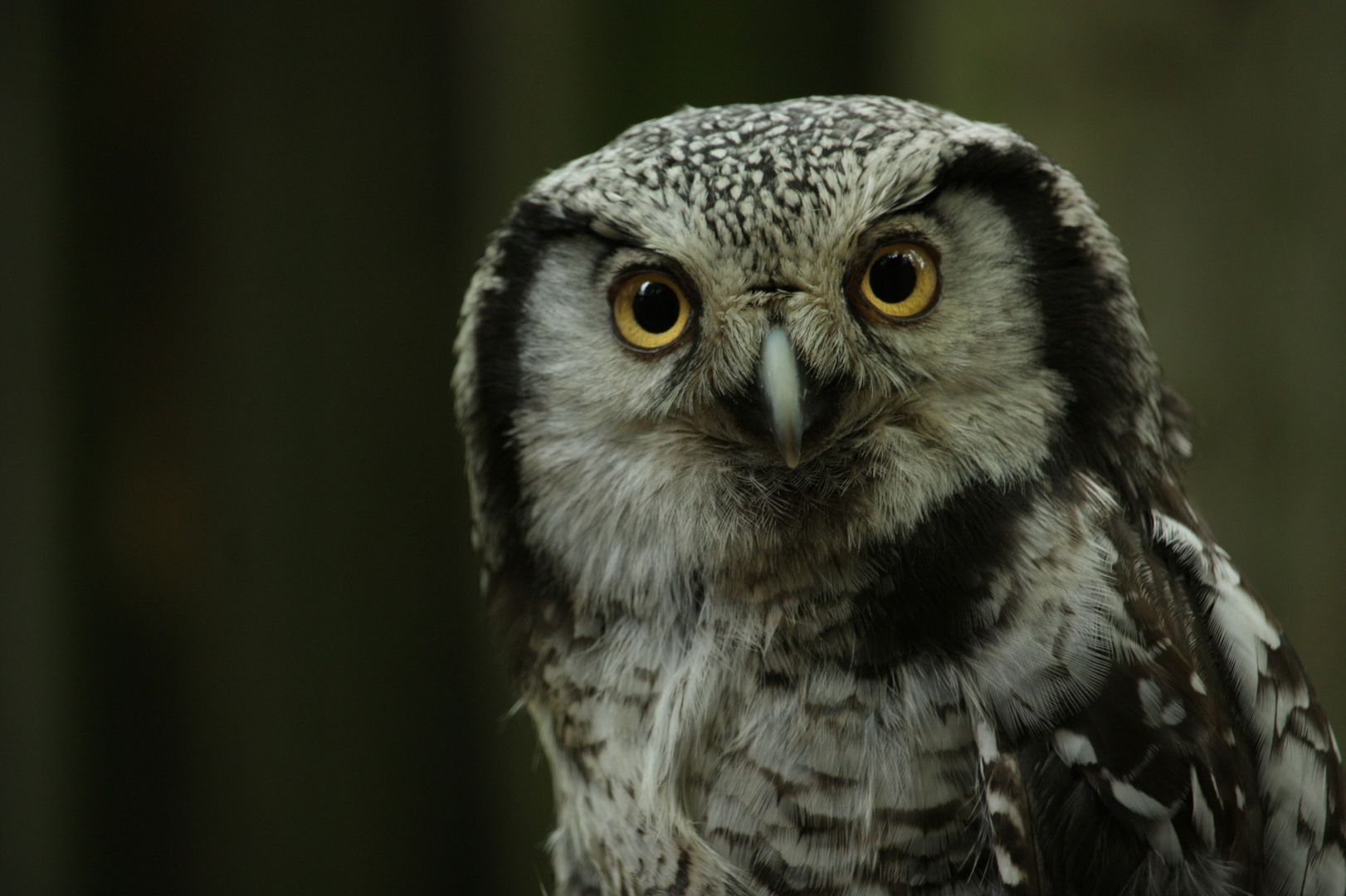
Birds sing at all hours of the day.
Some in the morning, some at night.
The 9 Most Common Birds That Sing at Night
This list is far from comprehensive. But its practical for those living in the continental US.
Here's what we cover:
- what they look like
- what they sound like
- when they're active
1. Common Nighthawk
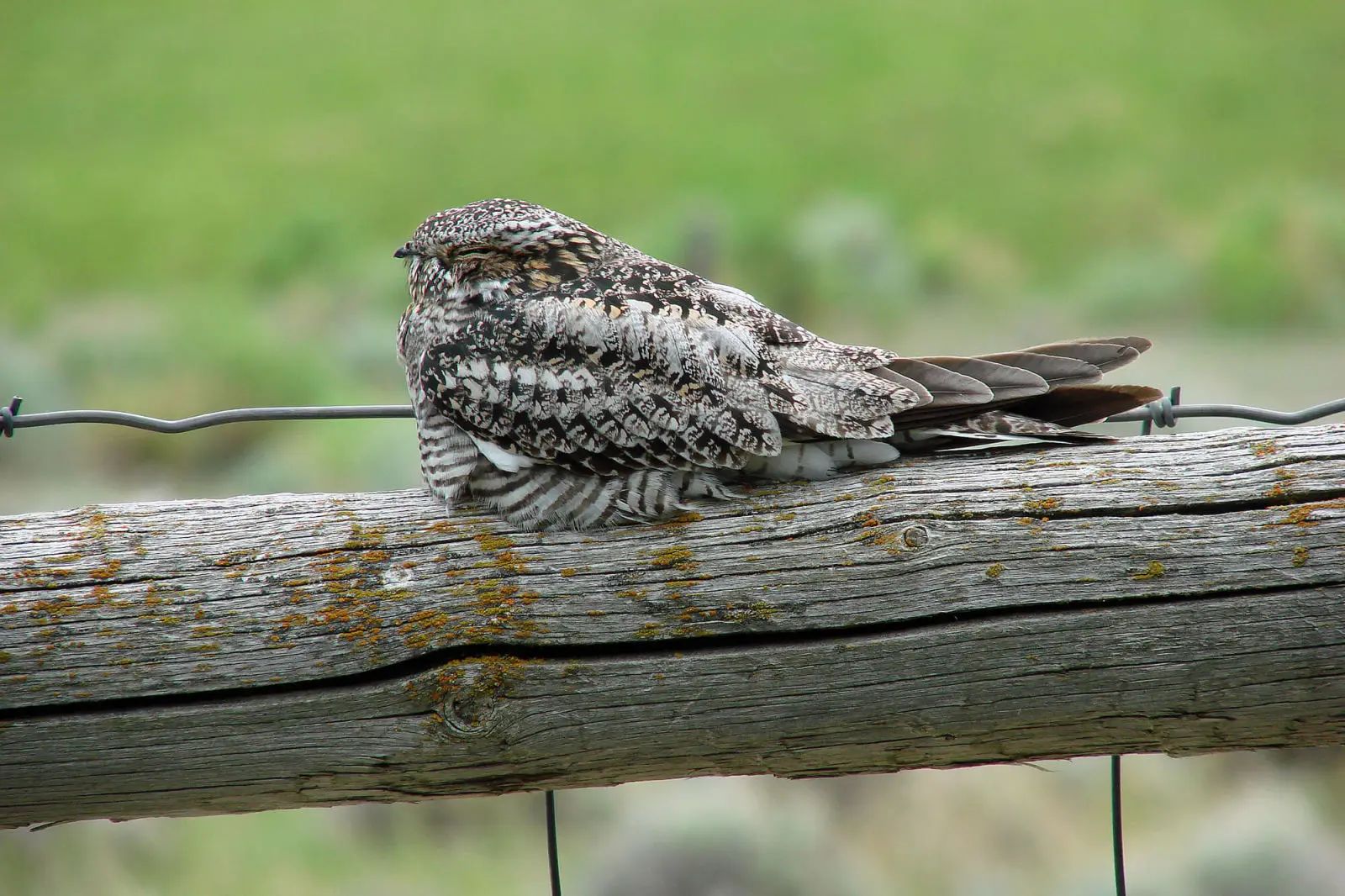
Family - Caprimulgidae, a.k.a. Nightjars
Species - Chordeiles minor
The Common Nighthawk belongs to a popular family of birds that fly at night known as Nightjars.
Nightjars are masters of camouflage and are primarily active at dawn and dusk as they hunt flying insects.
It's a crepuscular bird known for its erratic flight while catching insects at dusk, often making a distinctive, buzzy birds that sing at night that sounds like a nasal peent.
2. Northern Mockingbird
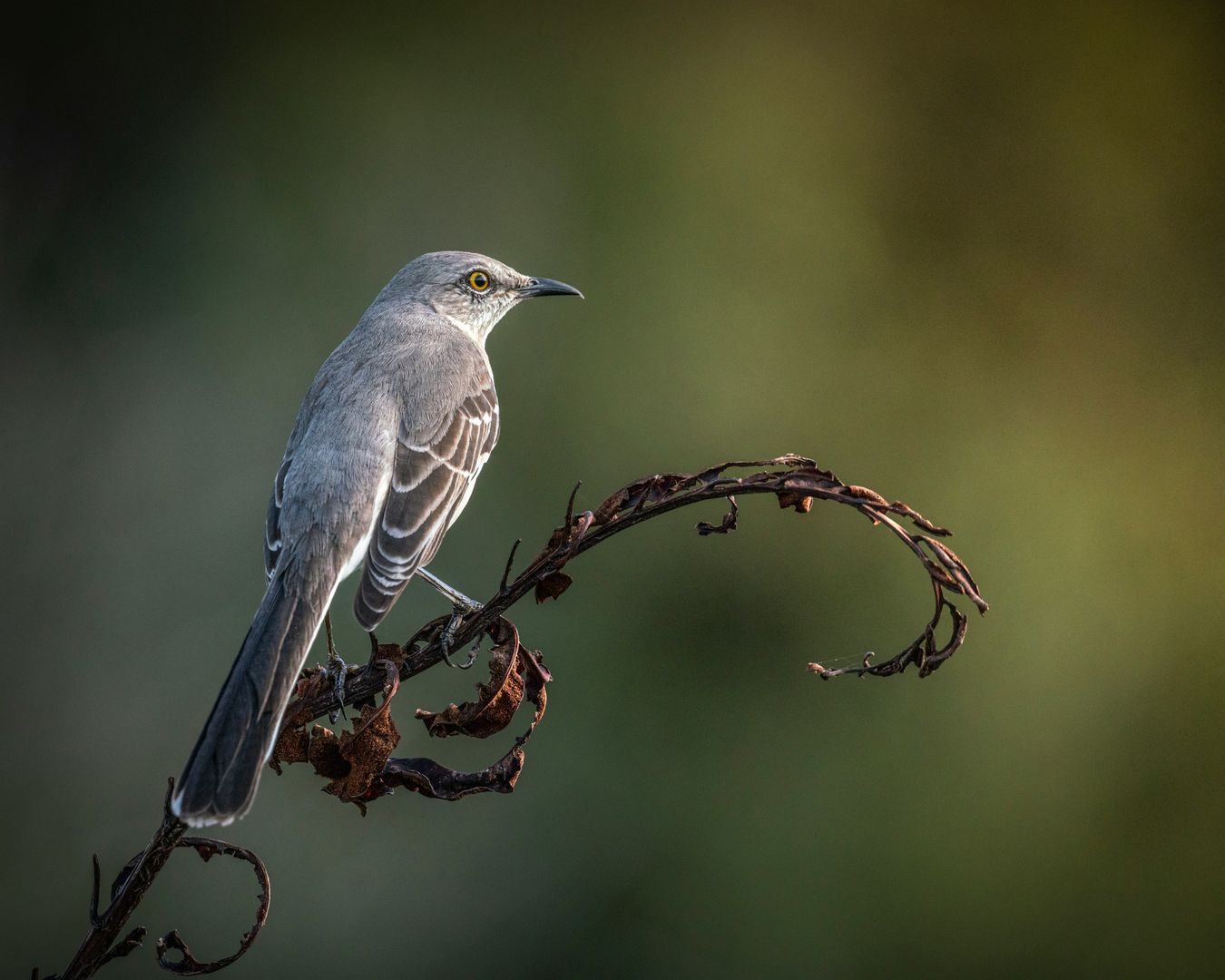
Family - Mimidae
Species - Mimus polyglottos
The Northern Mockingbird is famous for singing well into the night
The males sing their bird songs late at night to attract mates or defend territory, especially during a full moon.
They're the ones you likely hear in the middle of the night!
Their strange bird calls are actually a medley of other birds' songs, repeated in sequences of 3 or more.
If you hear a bird at 2:00 AM that sounds like a car alarm, a cardinal, and a sparrow all at once, you’re listening to a Mockingbird.
3. Barred Owl
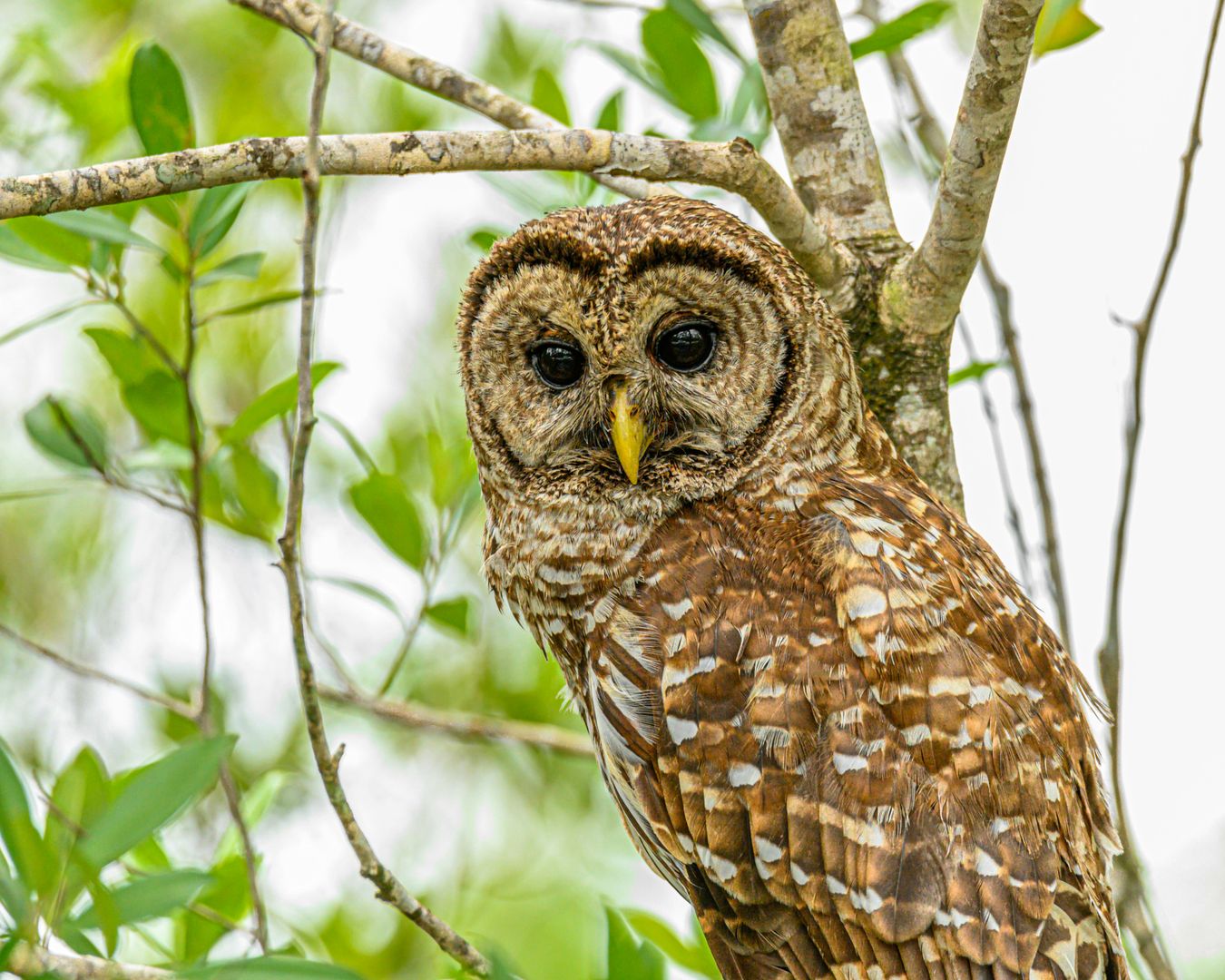
Family - Strigidae
Species - Strix varia
While many owls are strictly nocturnal, the Barred Owl is one of the most vocal.
It often starts its strange bird calls at dusk with a rhythmic hooting that sounds like, "Who cooks for you? Who cooks for you all?"
This nocturnal bird of prey is a remarkably silent flier whose hoots are some of the most iconic evening bird sounds.
4. European Starlings
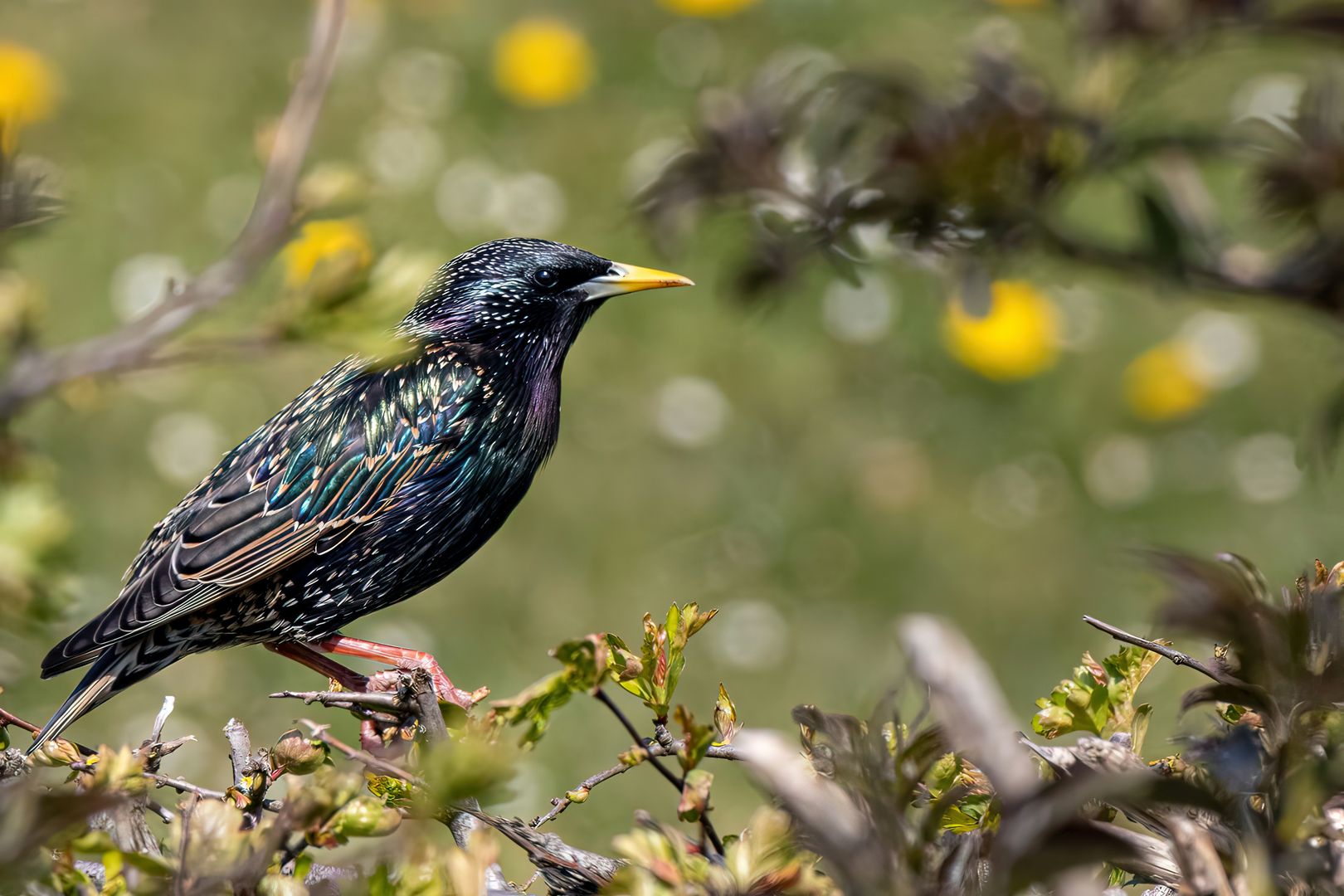
Possibly the most common to hear at dawn and dusk.
A Starling's strange bird call mimics dogs, frogs, and cars.
While not truly nocturnal, they are part of a group of birds whose nocturnal vocalizations can sometimes be heard, particularly near bright city lights
5. Great Horned Owl
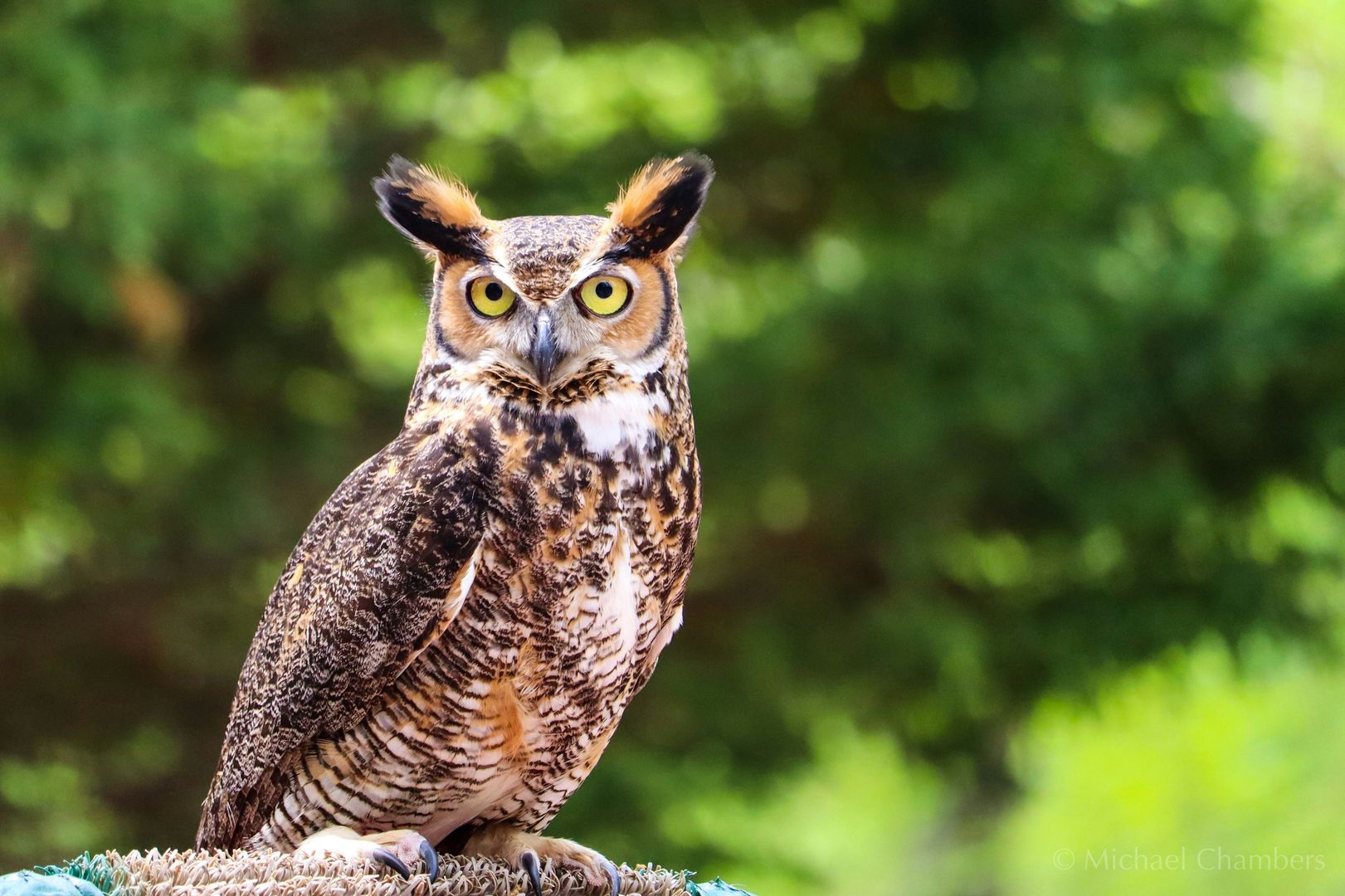
Family - Strigidae
Species - Bubo virginianus
The Great Horned Owl is one of the largest and most common owls in North America. It gets its name from its feather "ear" tufts that look like horns.
Its' deep hooting often signifies the beginning of the evening.
They have bright yellow eyes and a contrasting white patch of feathers on the throat like a bib.
In fact, as a kid my family had a house on the lake where a horned owl was spotted. The next morning, during our sleepover, a looming shadow fell across the sheer glass of the bedroom's sliding door. Convinced it was the very same owl, we huddled in terror, certain the bird had broken into the house and was holding us hostage. We stayed perfectly still for what felt like hours, too afraid to open the door, until my aunt finally checked on us revealing it was just a shadow. -- Nicole Dufresne (The Author)
Their nocturnal song begins as it establishes territory and begins to hunt near dusk and into the night, creating a classic, deep hoo-hoo-hoo-hoo.
They also don't break into houses.
6. Chuck-will's-widow
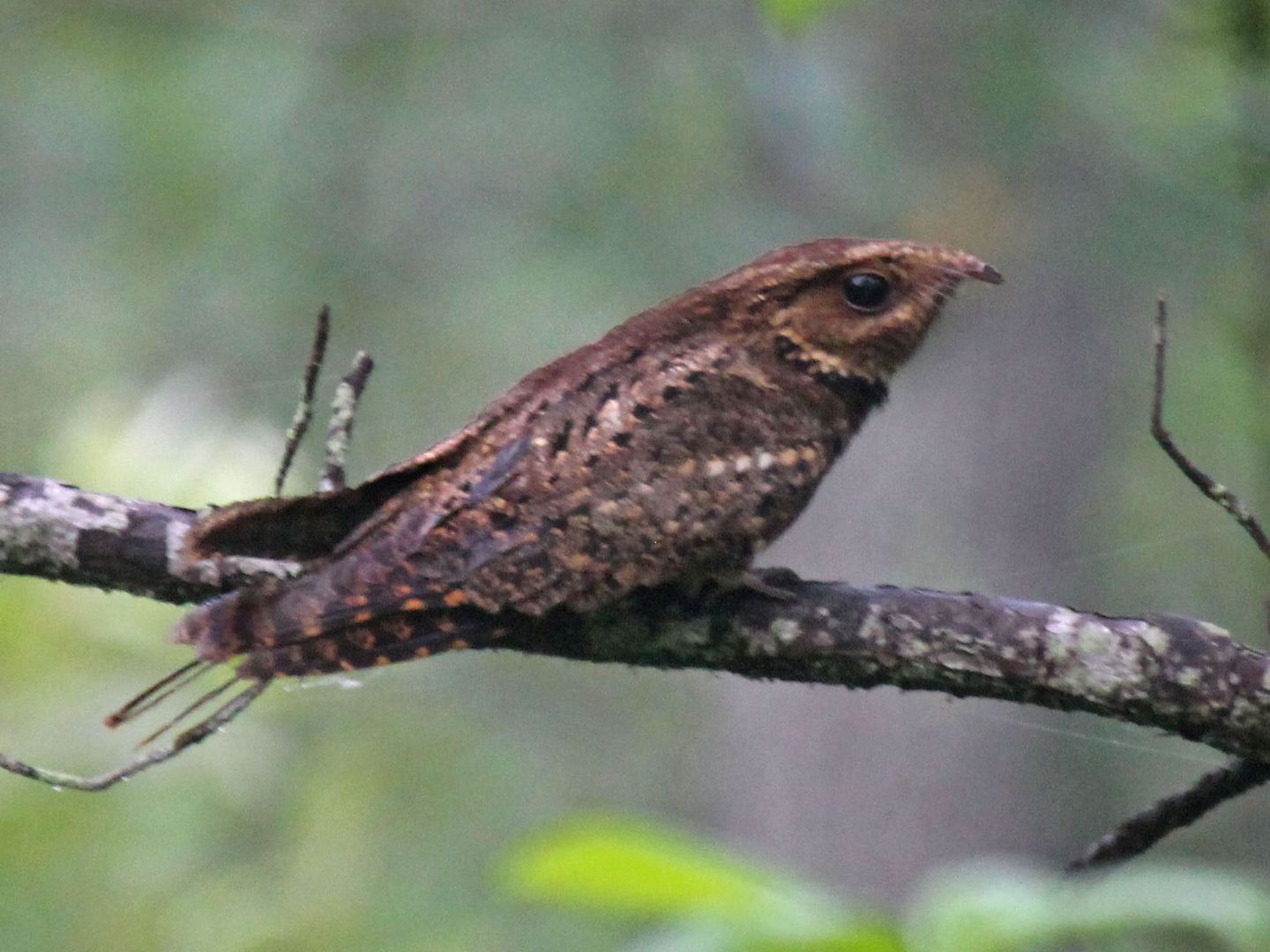
Family - Caprimulgidae, a.k.a. Nightjars
Species - Antrostomus carolinensis
The Chuck-will's-widow is the largest of the nightjars. They've been spotted swallowing whole song birds, too!
Of the birds that sing at night, it's recognized by its four-note call which begins in the early evening.
To the human ear, this strange call sounds like like it's saying its own name: "chuck-will's-widow."
It is a haunting, rhythmic sound that carries long distances through southern forests.
7. American Robin
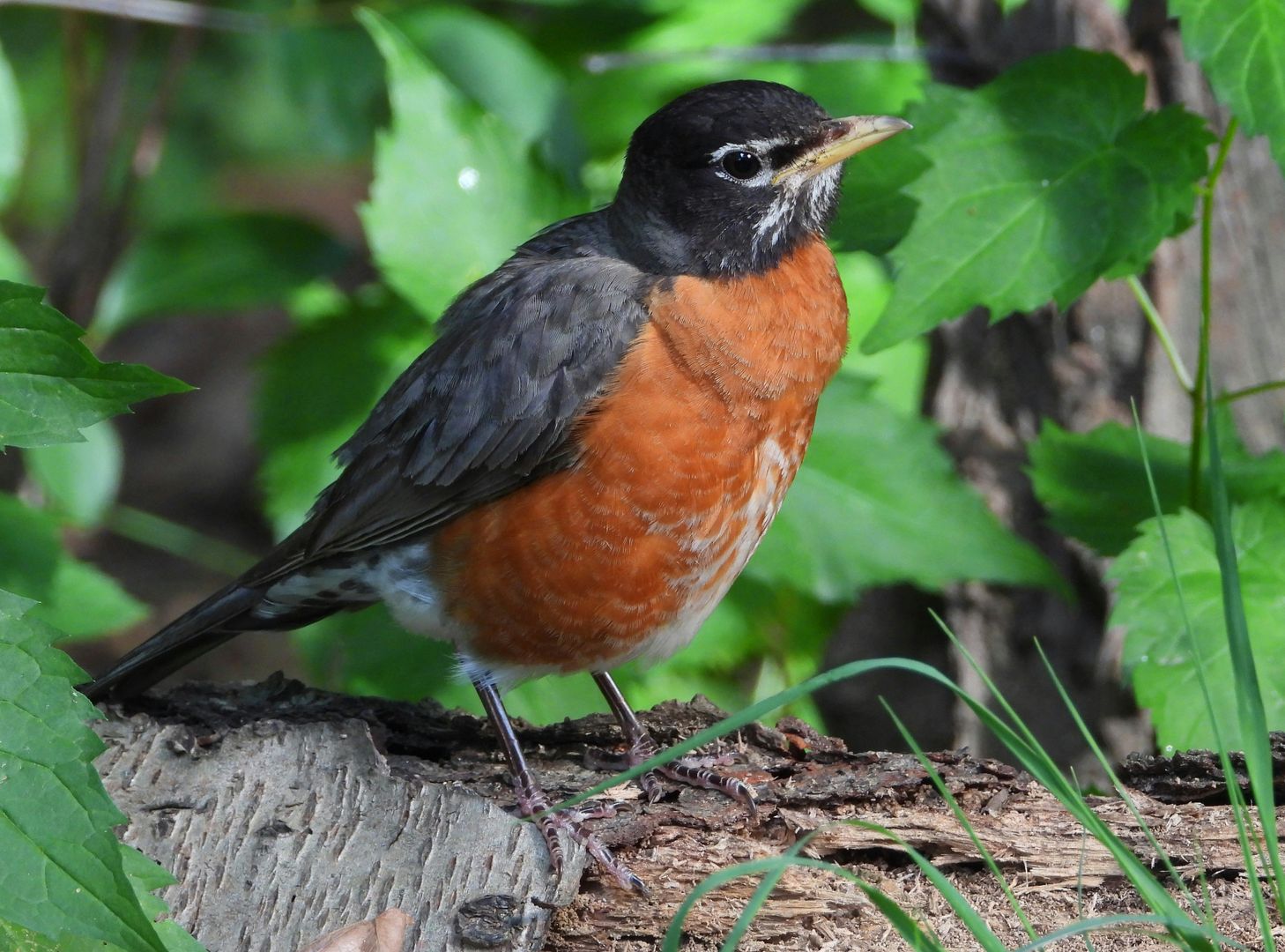
Family - Turdidae
Species - Turdus migratorius
The American Robin is often among the last songbirds to be heard at dusk and one of the first to sing at dawn.
Of the birds that sing at night, Robins are notable for their melodic twittering that resembles the phrase, “cheerily, cheer up, cheer up, cheerily.”
Because they often sing in the low light of evening or very early morning, they are frequently mistaken for nocturnal birds (they're diurnal).
8. Common Poorwill
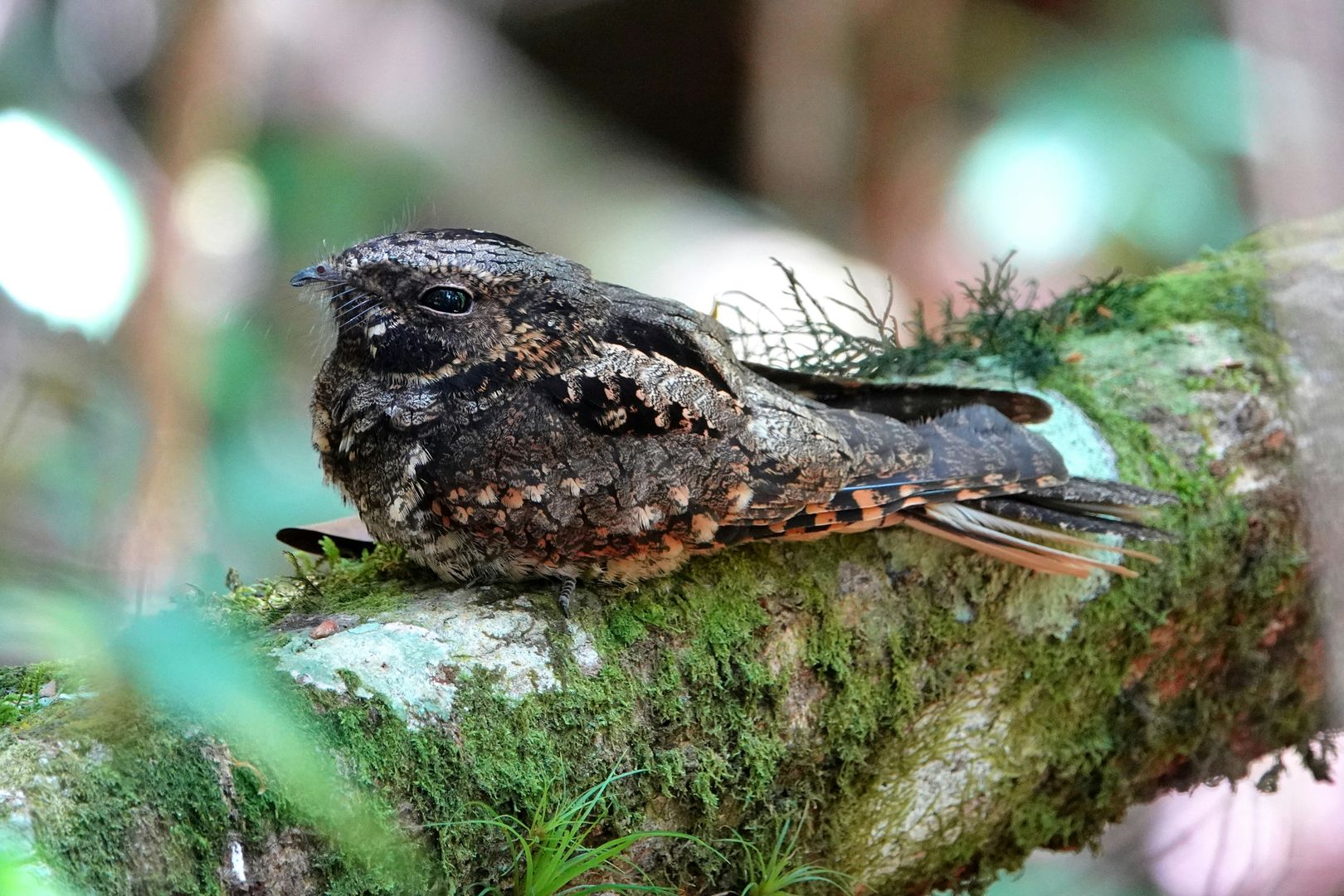
Family - Caprimulgidae, a.k.a. Nightjars
Species - Phalaenoptilus nuttallii
The Common Poorwill is known for being the only bird in North America known to enter a state of prolonged torpor to conserve energy.
It's also the smallest nightjar.
Their strange nightly bird call can be heard at dusk during the evening chorus.
The call is hollow and high pitched, often sounding like the actual phrase poor-will which gives the species its name.
9. Black-Crowned Night-Heron
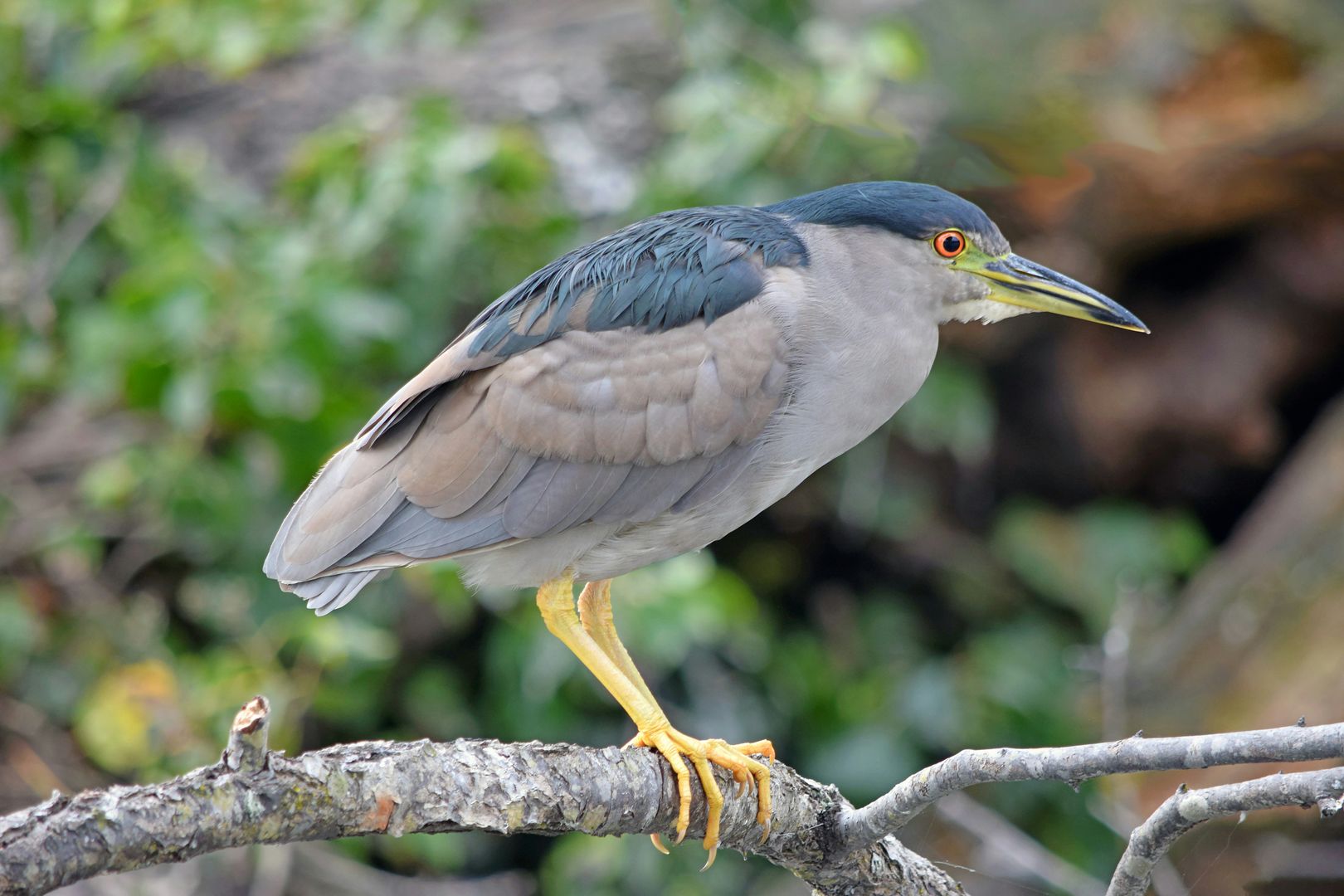
Family - Ardeidae
Species - Nycticorax nycticorax
The Black-Crowned Night-Heron is a stocky heron species found near wetlands.
This night bird sounds just like a frog. It often lets out a deep quawk dusk.
You can tell its call apart from other evening bird sounds by its short, frog or crow-like yopp or quock, which can be quite startling when heard in the dark.
What strange bird calls have you heard?
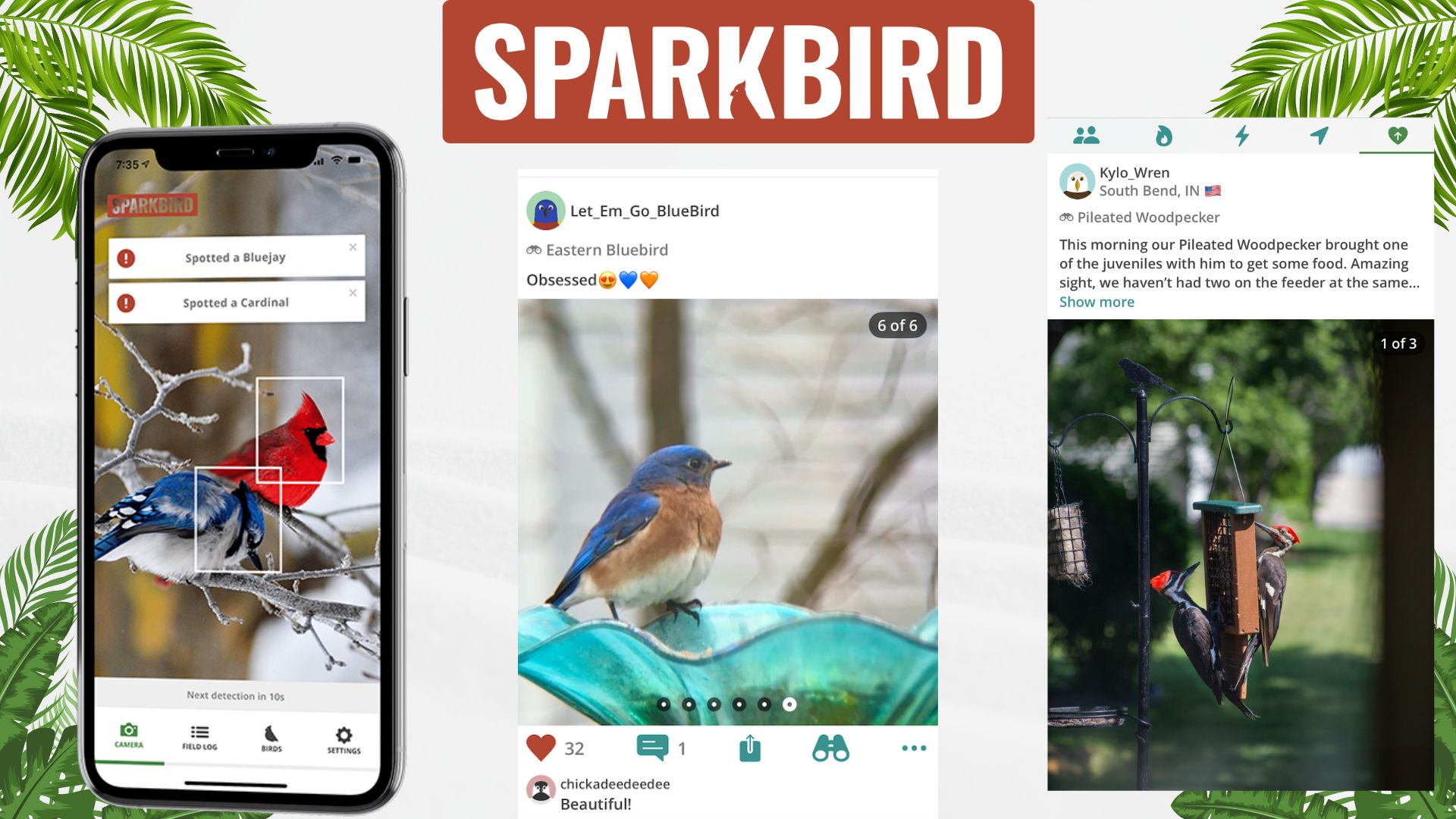
Share it on the Sparkbird App! Available in the Apple App Store.

No comments yet.