
Attracting hummingbirds to your yard is easy!
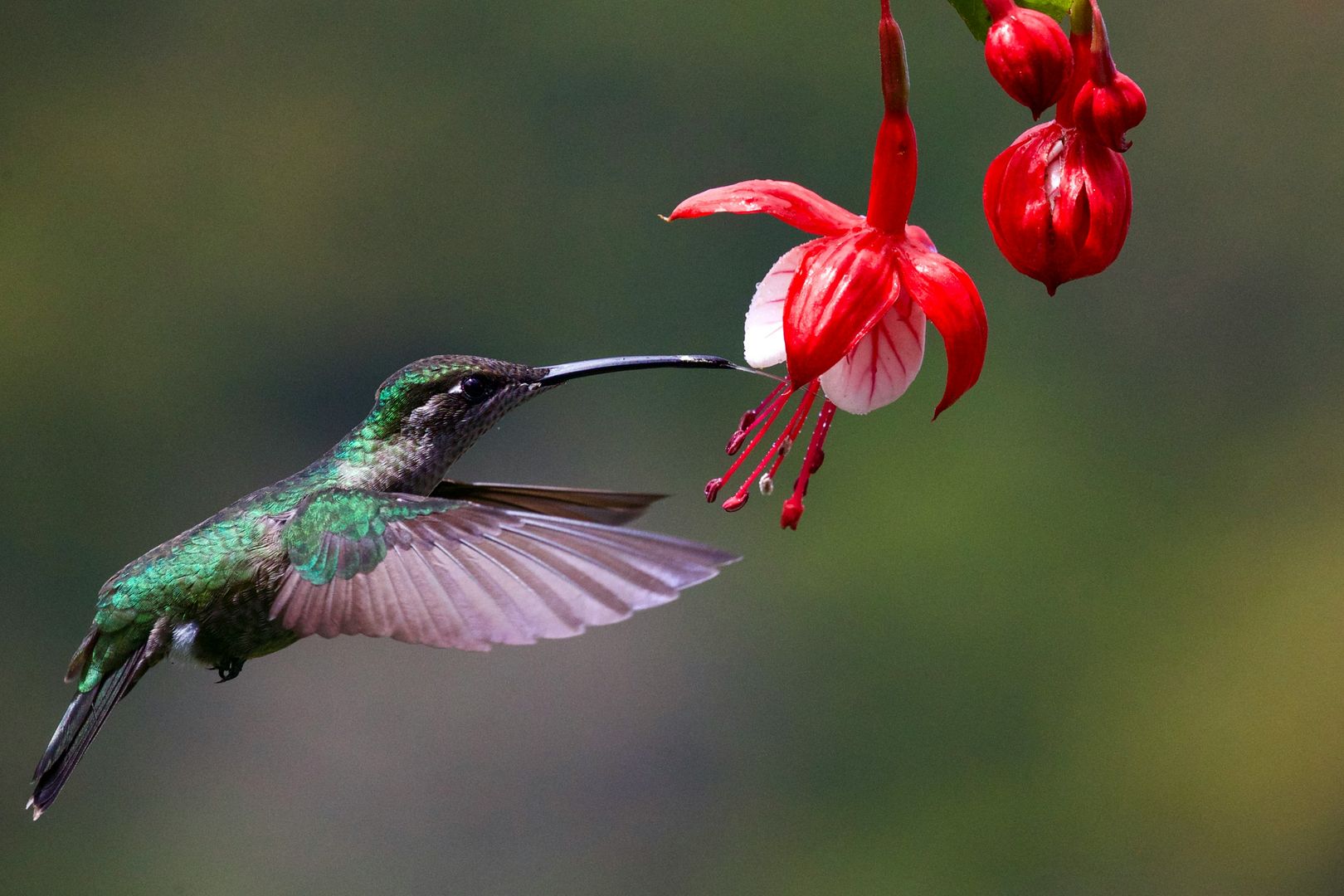
Make sure your flowers are ready for hummingbird migration
Ruby-throated hummingbirds are the only breeding species in Delaware arrive in mid to late April.
When do hummingbirds leave Delaware?
Hummingbirds leave Delaware from September to October for their southern wintering grounds.
Make sure the flowers you plant are in bloom between April and August.
Here's what to expect:
- 11 Flowers in Delaware that Hummingbirds Love
- 5 Tips for Using Plants to Attract Hummingbirds
- Links to popular hummingbird articles
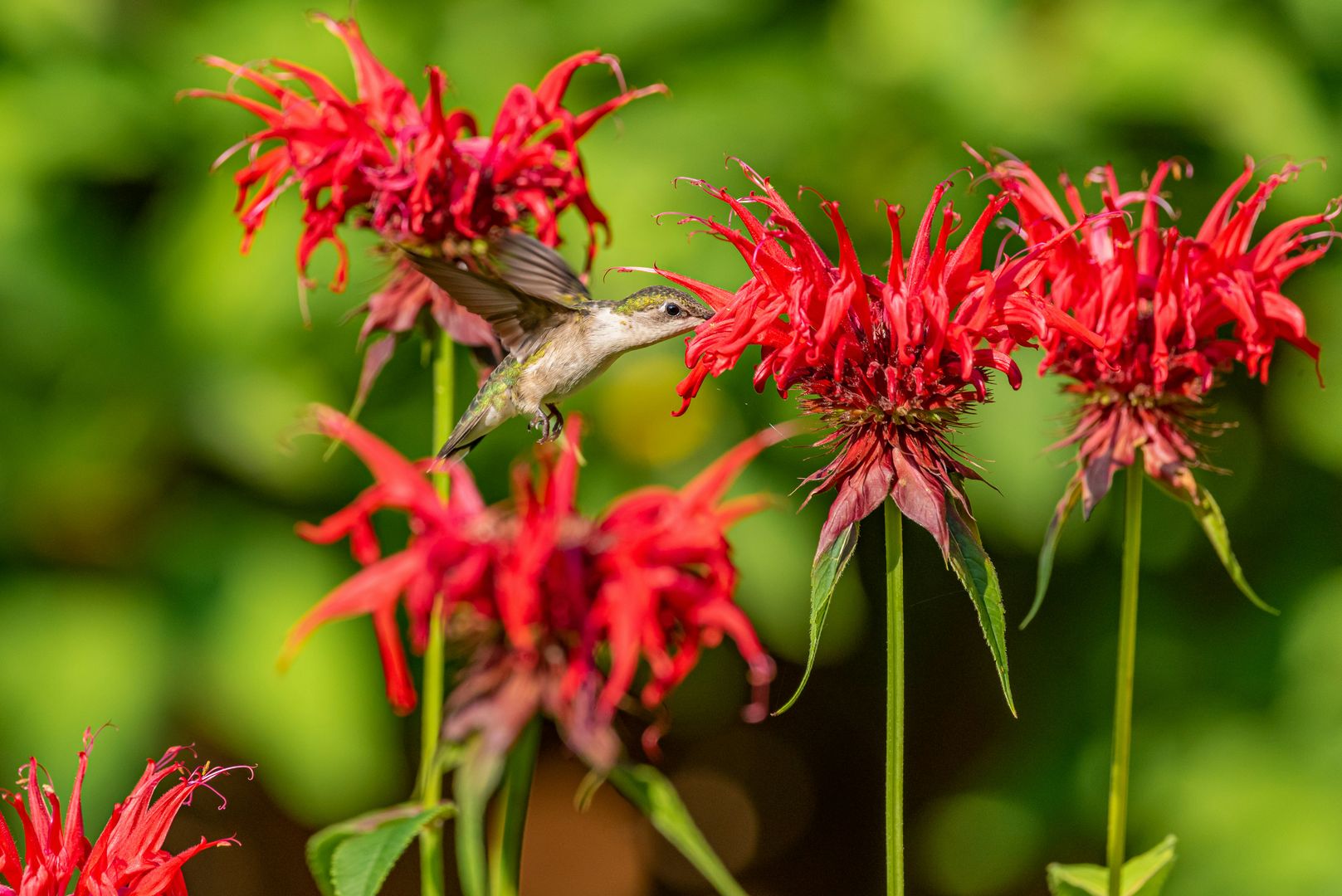
1. Bee Balm (Monarda)
- Perennial
Names: Bergamot, Horesemint, Oswego Tea
An herbaceous plant in the mint family and native to North America.
The vibrant red is preferred by Delaware Ruby-Throated Hummingbirds and many butterflies.
Bee Balm does best in full sun and needs good drainage.
It’s spreading behavior varies so keep an eye on it making sure it doesn’t take over your garden.
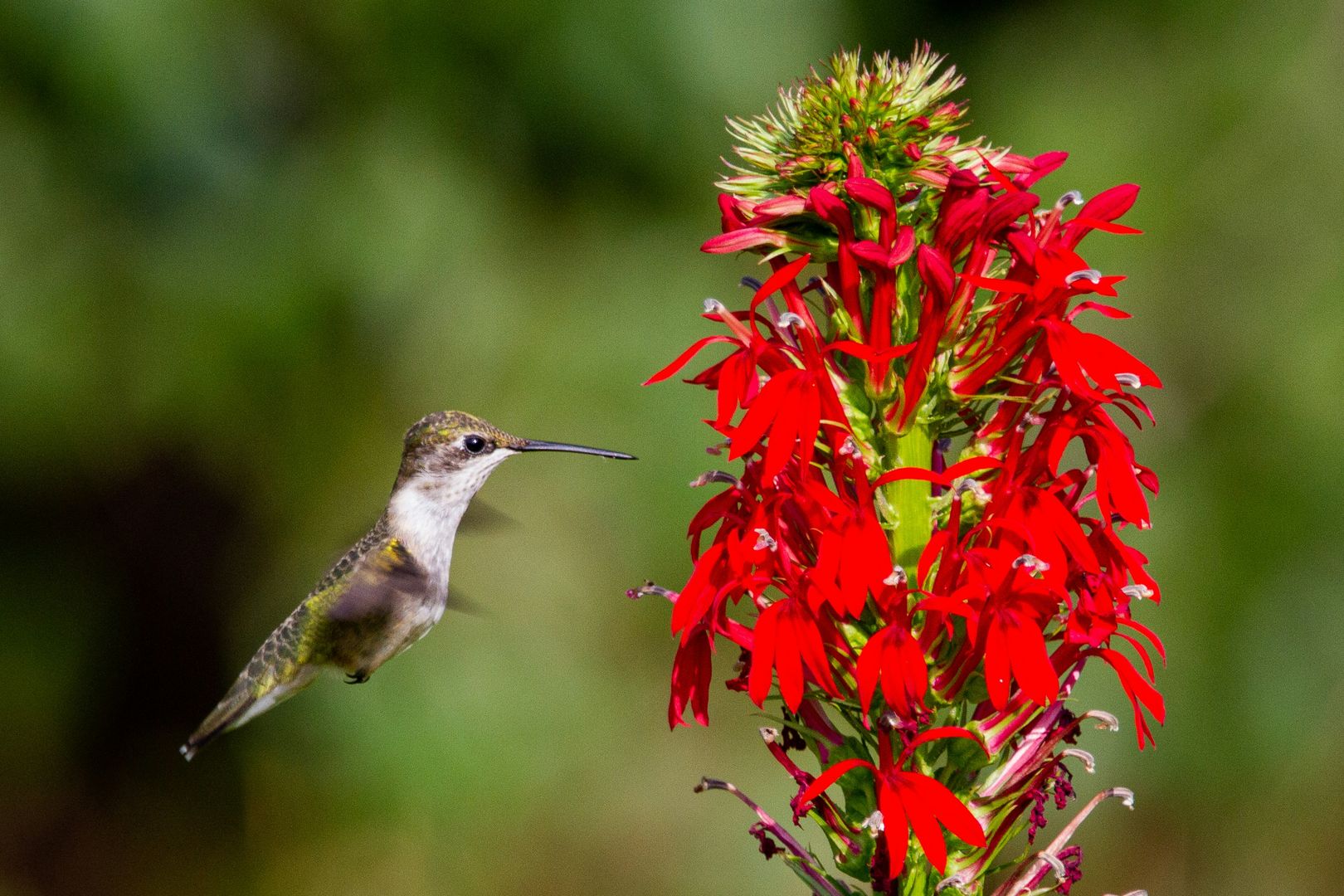
2. Cardinal Flower (Lobelia cardinalis)
- Perennial
Names: Scarlet Lobelia, Indian Pink
The Cardinal Flower depends on hummingbirds since many insects find the flowers difficult to navigate.
Every Delaware hummingbird garden must have Cardinal Flower since it’s practically a beacon for hummingbirds!
The flowers bloom from late summer through early fall, which is when young hummingbirds are feeding and adults are fueling up for migration.
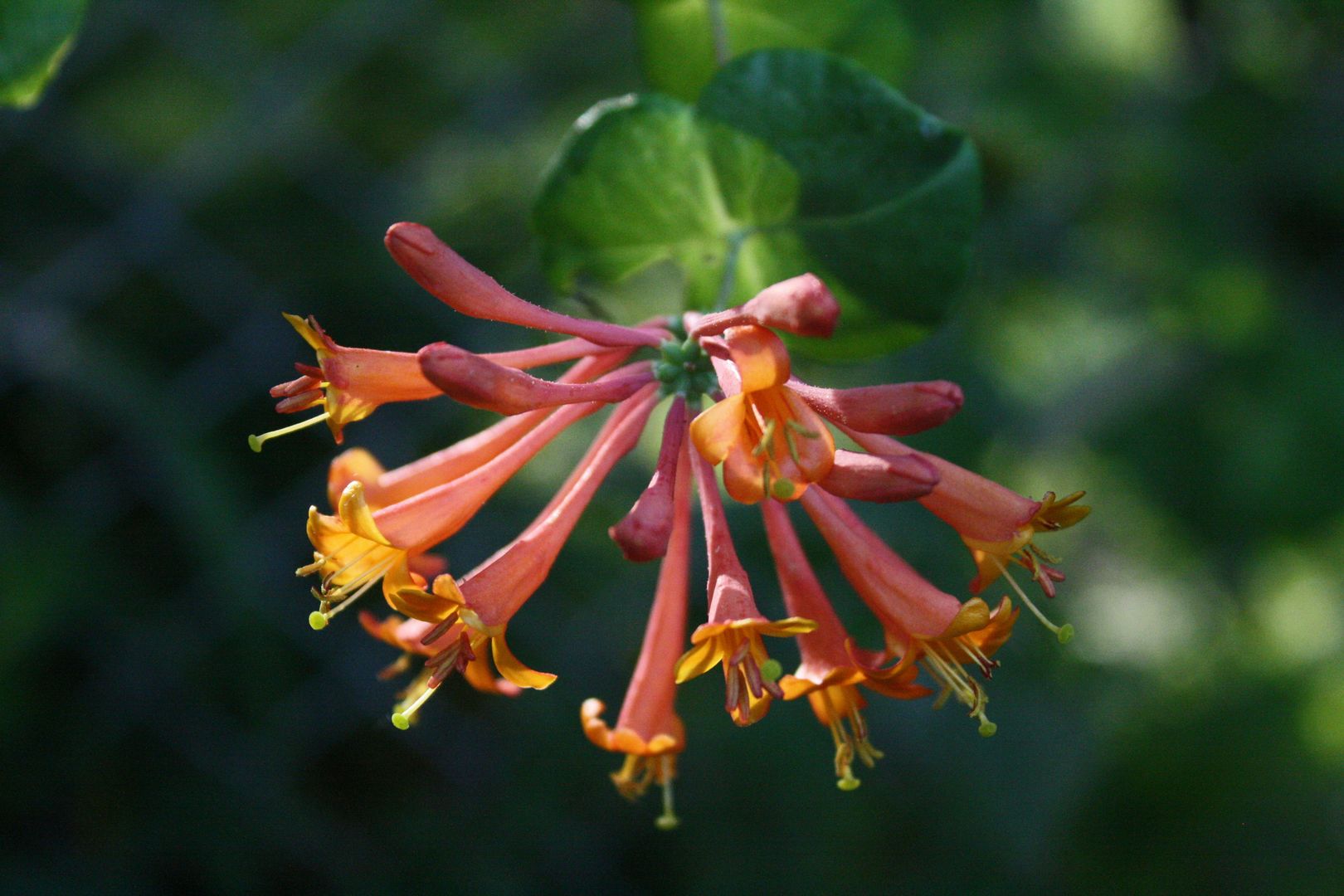
3. Trumpet Honeysuckle (Lonicera sempervirens)
- Perennial
Names: Coral honeysuckle, Scarlet honeysuckle
Named for its tubular, trumpet shaped flowers. These red flowers are ideal for hummingbirds in both shape and color.
Trumpet Honeysuckle is a great native plant for your garden especially in the eastern United States.
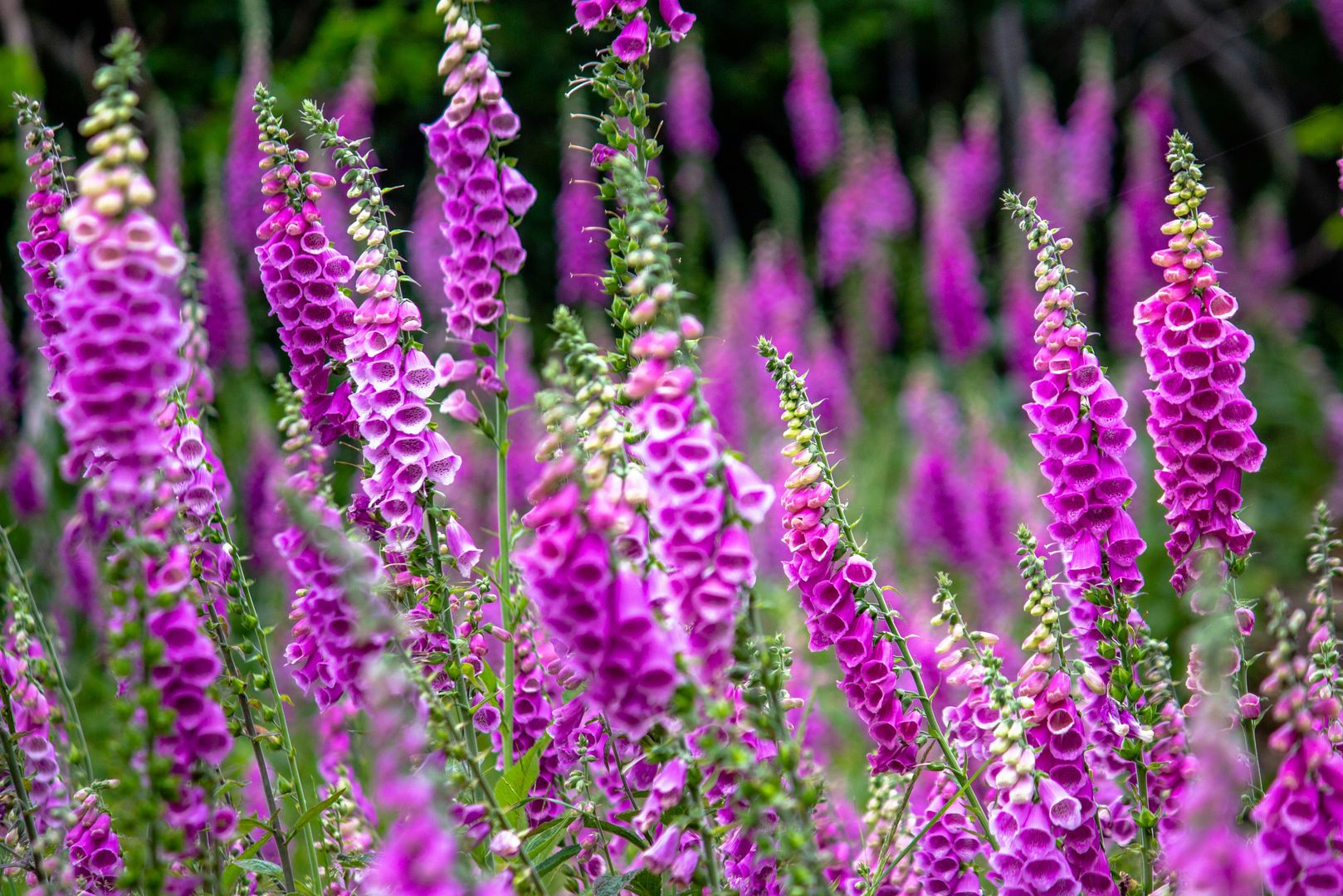
4. Foxglove (Digitalis)
- Perennial
Foxglove is known for its purple and pink spire-like flowers. They’re native to Europe but have adapted to the Americas.
Foxglove is great for partially shaded areas.
It’s an ideal hummingbird flower for rural or suburban Delaware yards where deer may appear as it’s considered deer resistant.
Beware— Foxglove is toxic. All plant parts cause severe poisoning.
Avoid it if you have small children or pets.
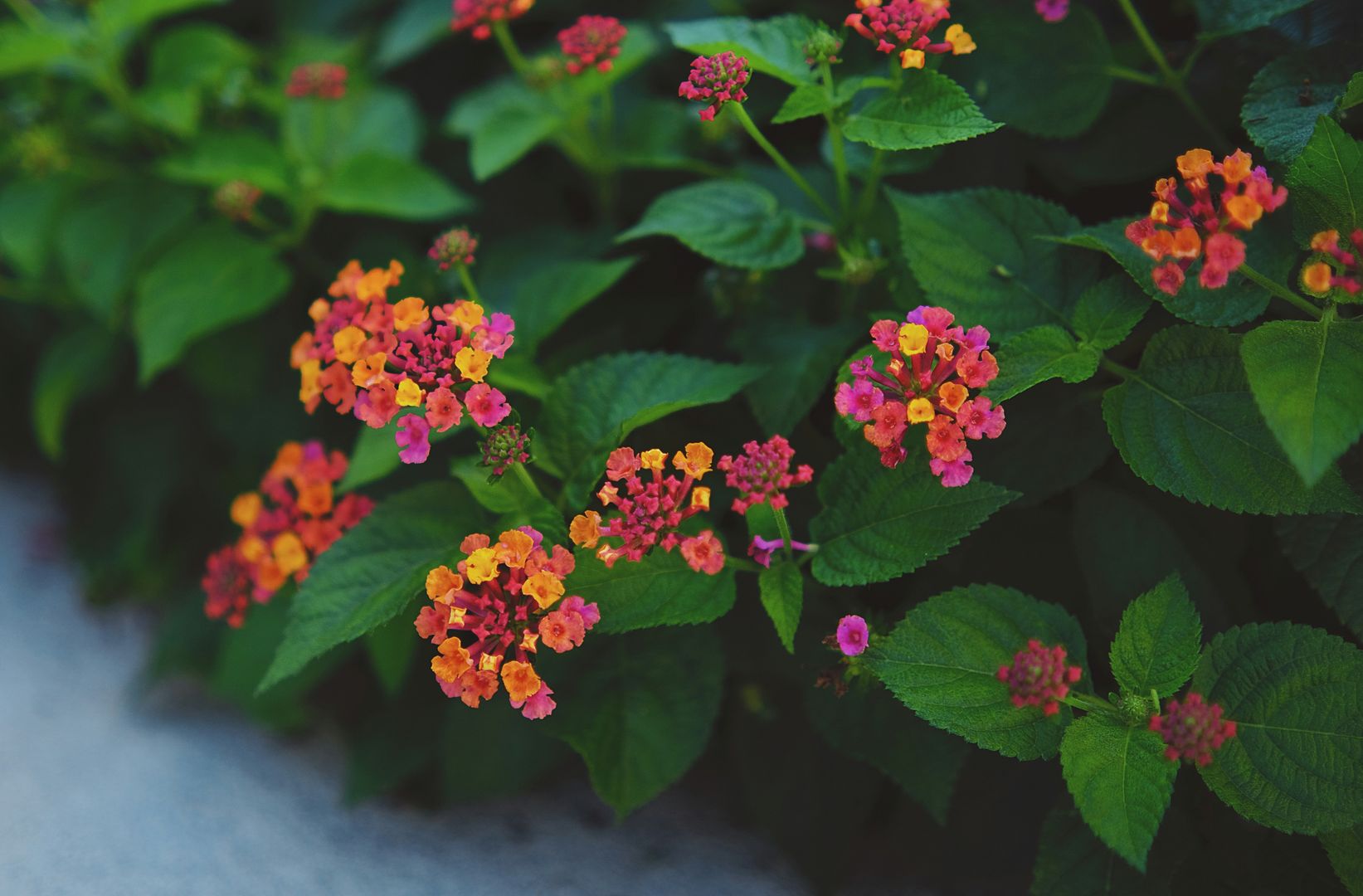
5. Lantana
- Annual
Names: shrub verbena, wild sage, red sage, or Spanish flag
The rich cluster of tubular flowers of the Lantana plant are a favorite for hummingbird gardens.
Go with varieties like Luscious Royale Red Zone or Bloomify Red that offer bright colors such as red, yellow, and orange.
Butterflies and bees love them, too, dubbing the plant a pollinator workhorse.
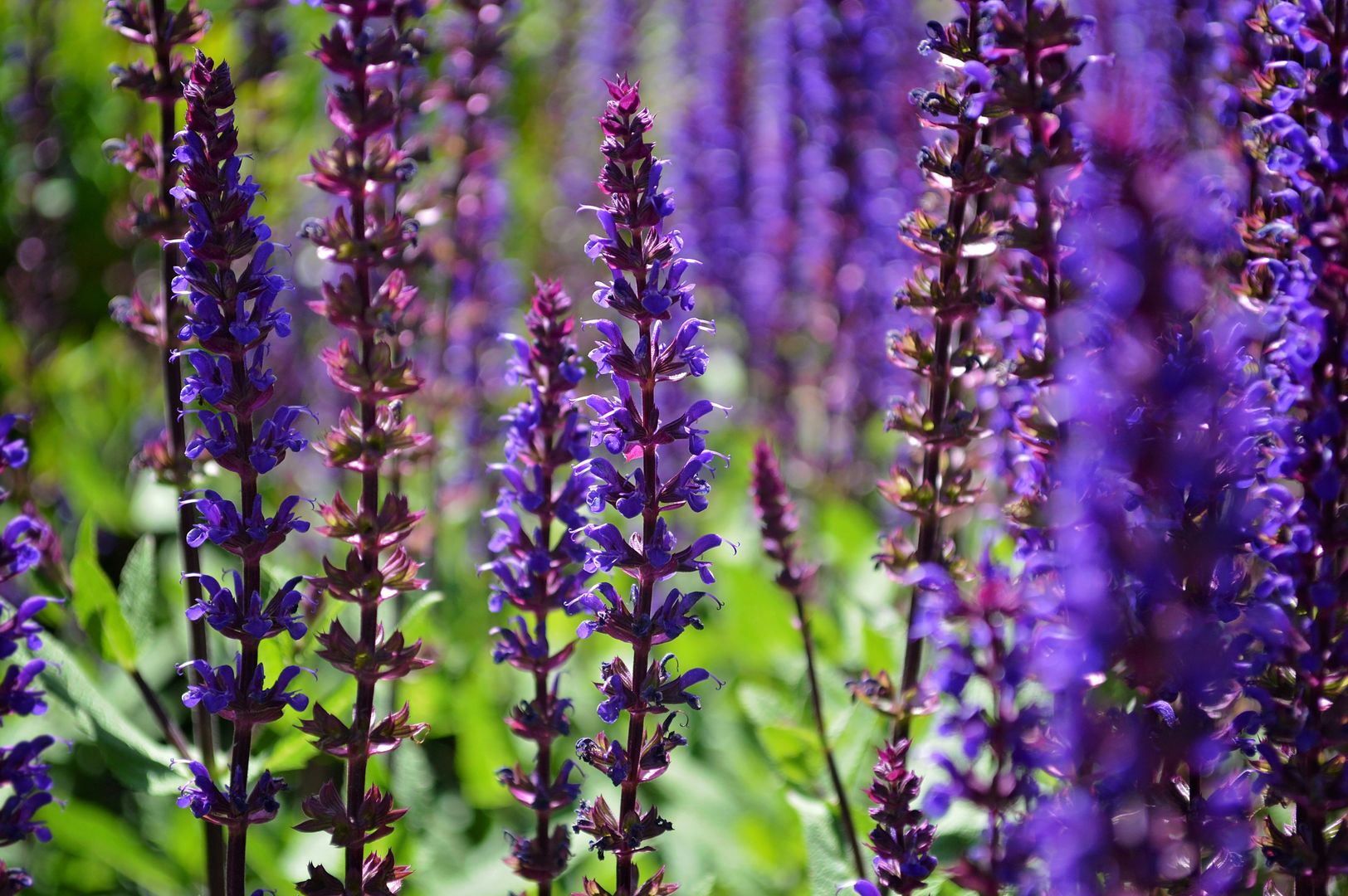
6. Salvia
- Perennial
Names: California hummingbird sage, pitcher sage
The fruity rose, red, and purple hued flowers of hummingbird sage are a staple in any pollinator garden.
Surprisingly, Black & Blue Salvia is a popular choice by birders and gardeners alike.
Consider other varieties like Hot Lips, Amistad, or Summer Jewel.
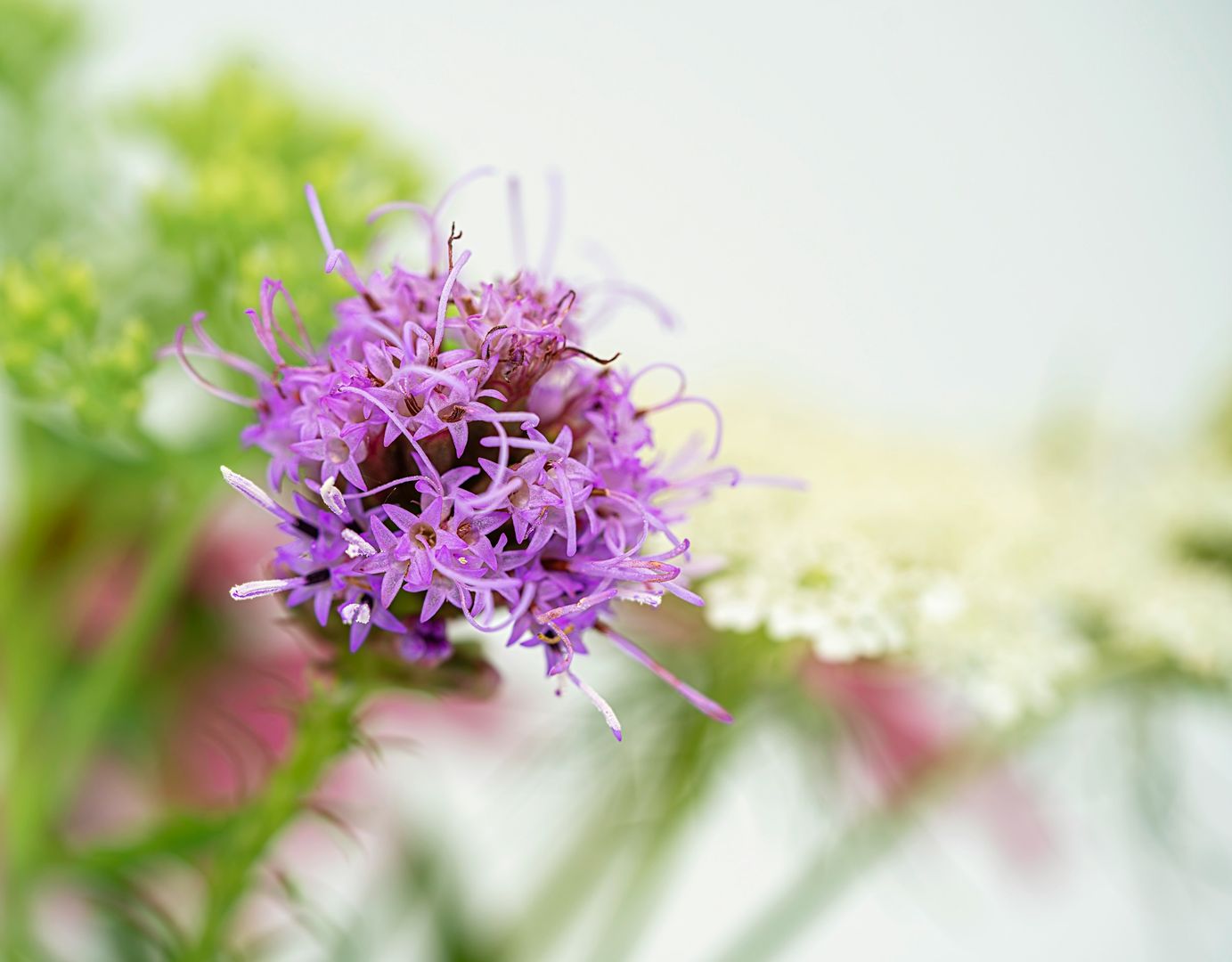
7. Blazing Stars (Liatris)
- Annual
Names: Gayfeather
A tall cylindrical cluster of spikes for petals, Blazing Stars is one of the more fun flowers you can choose for Delaware hummingbirds.
It looks like a pink-purple bottlebrush.
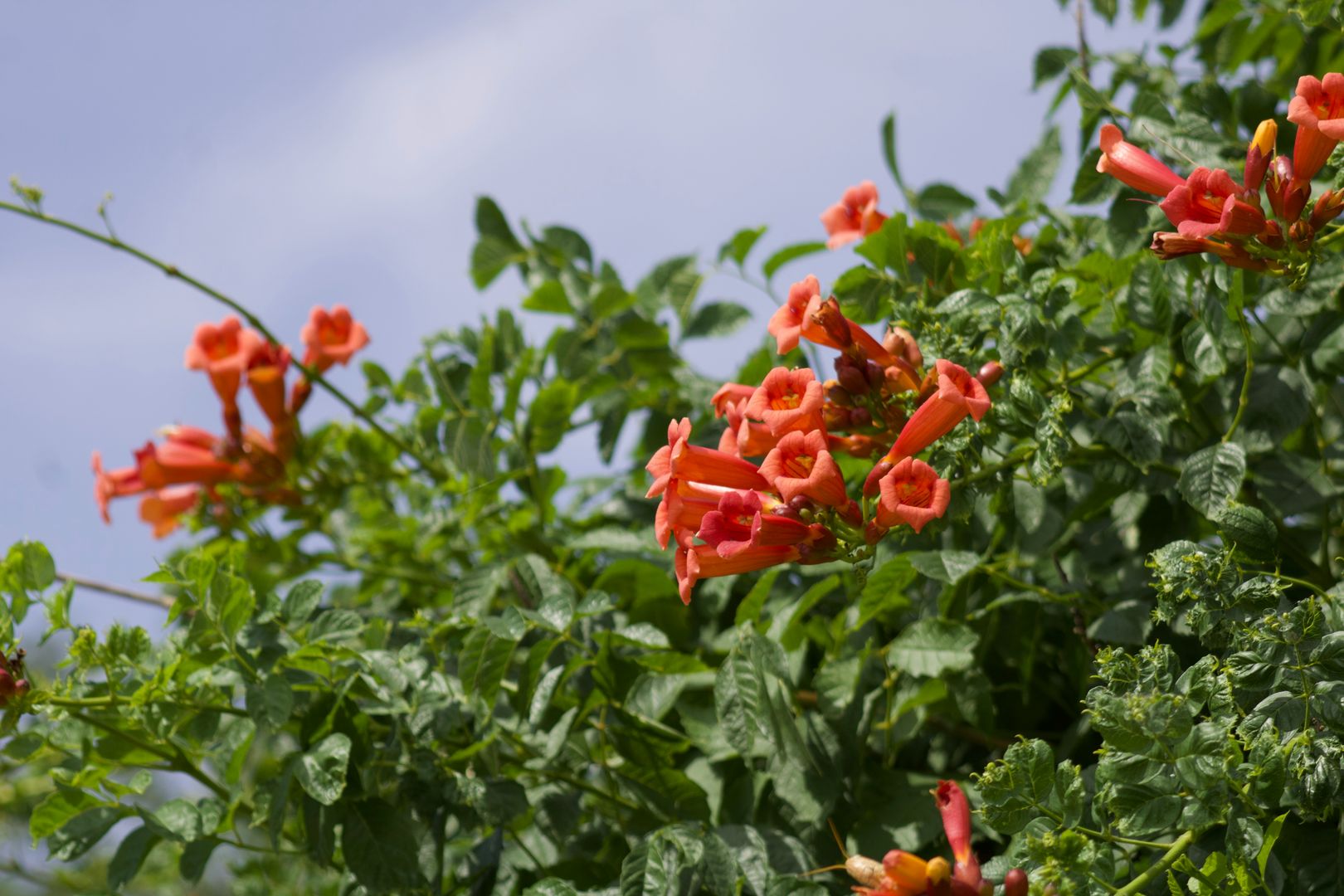
8. Trumpet Vine (Campsis radicans)
- Perennial
Names: Yellow trumpet, trumpet creeper,
Trumpet vine is a gorgeous orange and peach colored flower.
If you’re looking to channel a warm sunrise vine in your garden, this is the flower to use.
This plant is a crawling and climbing vine ideal for fences and trellis. Be careful in smaller spaces as it can easily overtake your garden.
- Related: 5 Steps to Clean Hummingbird Feeders
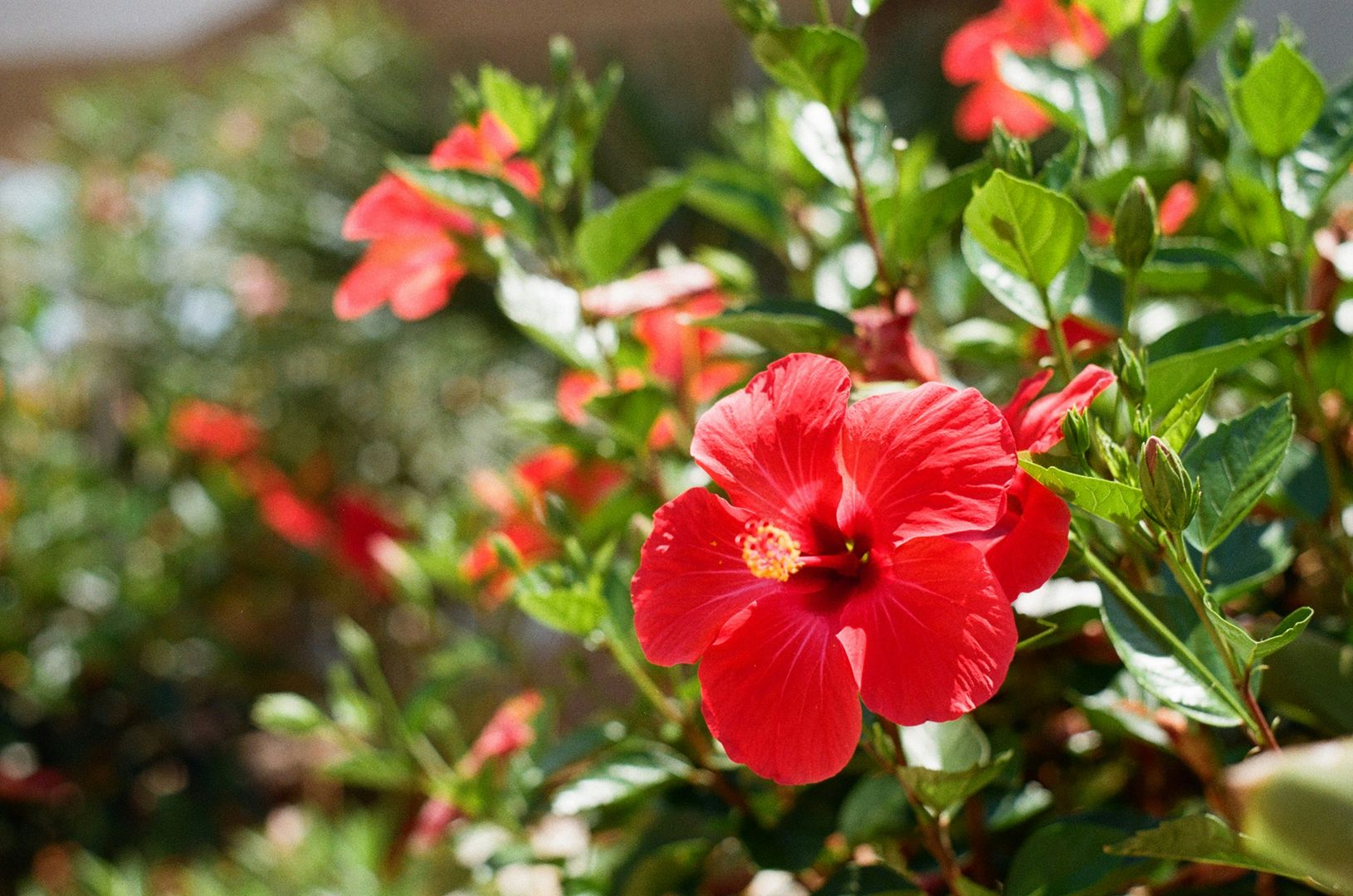
9. Hibiscus
- Perennial
Names: Rose of Sharon
Hibiscus are hardy, full sun flowers that offer great options for cooler climates.
Sometimes hummingbirds make nests in or near the dense foliage of hibiscus shrubs.
Turk’s Cap is a top choice for attracting hummingbirds in Delaware due to its consistent, bright red flowers. You can also try Tropical Hibiscus.
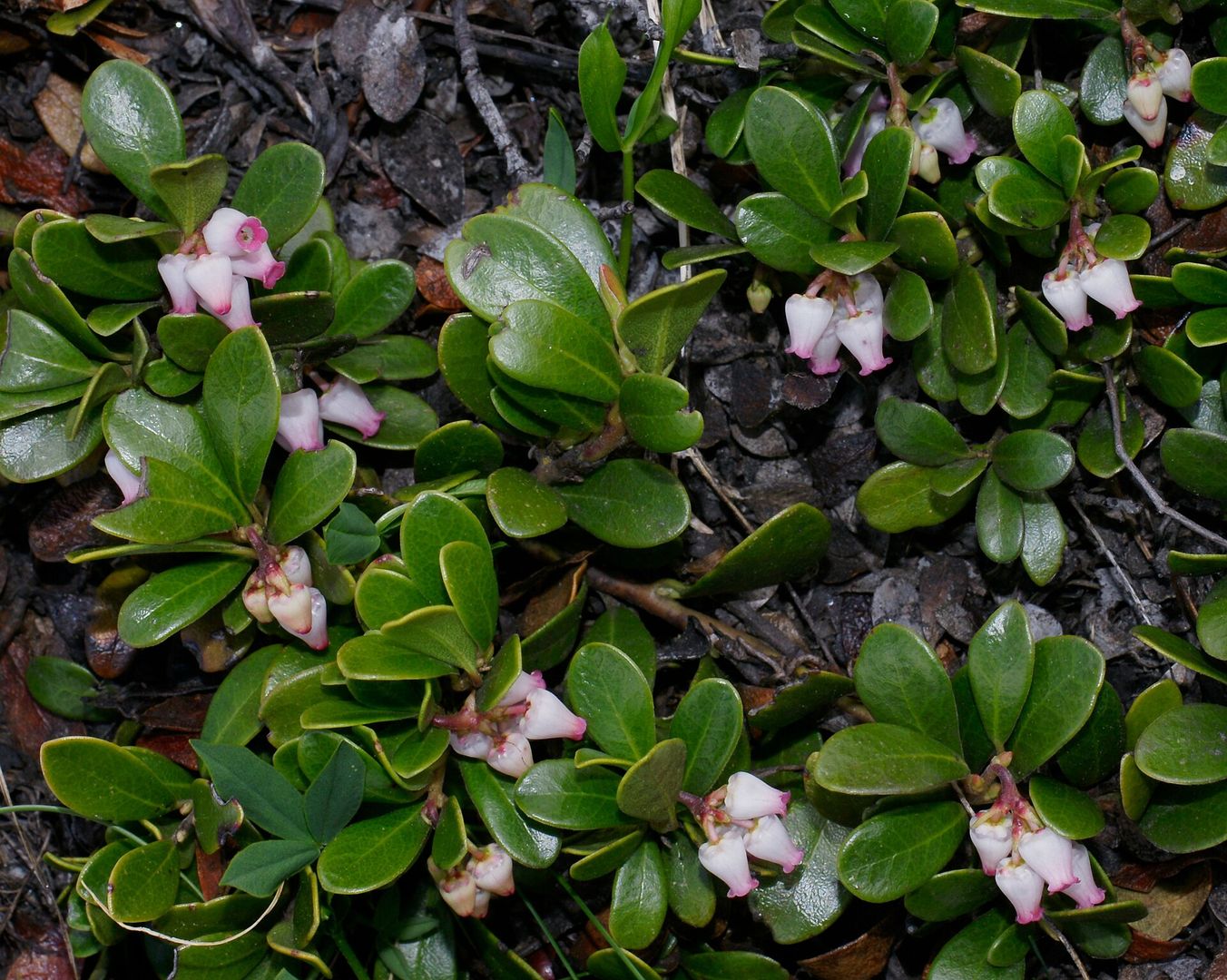
10. Common Bearberry (Arctostaphylos uva-ursi)
- Perennial
A low-lying ground cover with small, nectar-rich flowers.
Common Bearberry has small red berries that, you guessed it, bears and birds eat.
The small pink and white flowers are popular and nectar rich for hummingbirds.
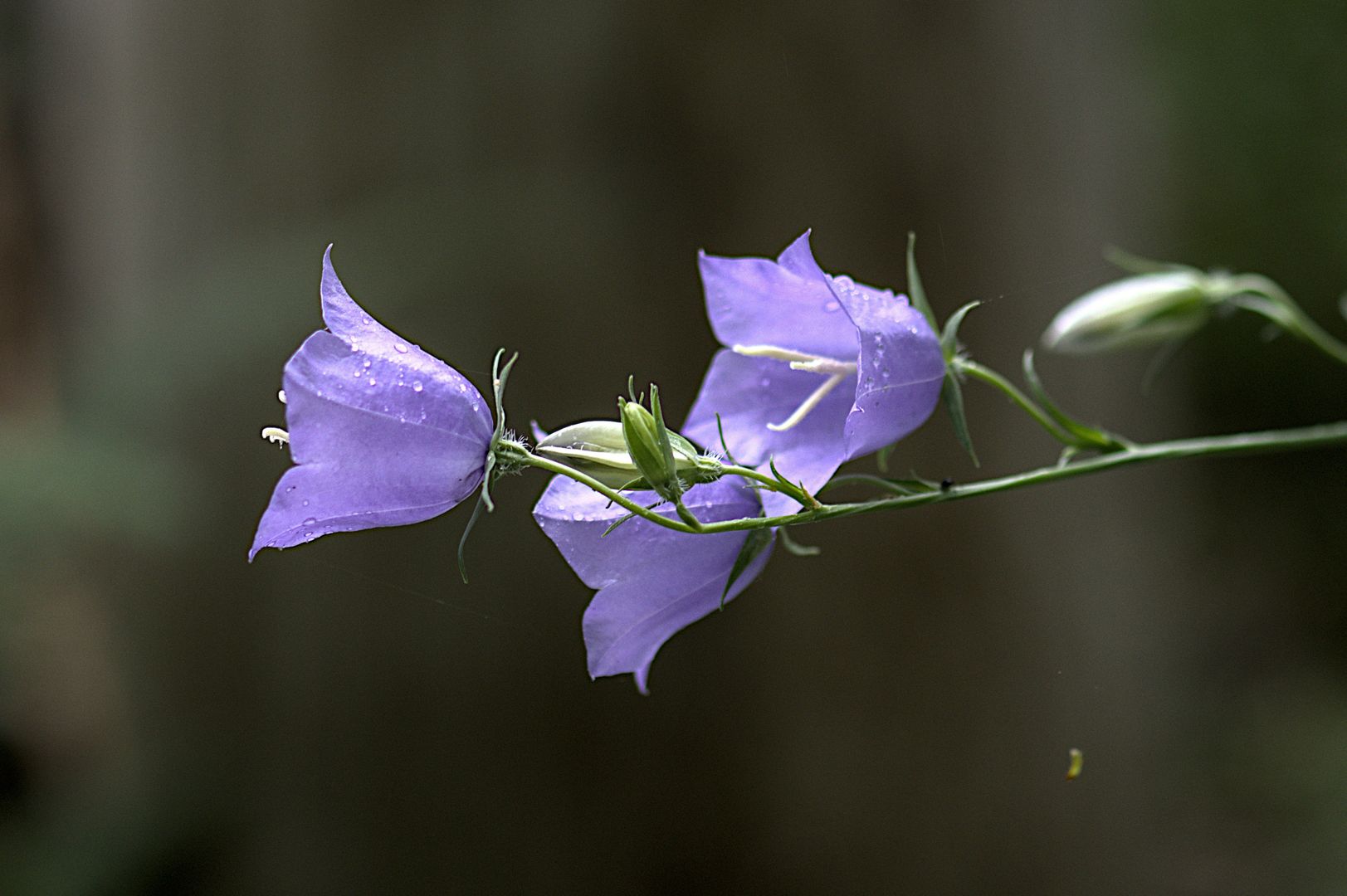
11. Harebell (Campanula rotundifolia)
- Perennial
A hardy perennial with delicate blue flowers. They bloom early summer to fall which is ideal for succession gardening.
This high-nectar flower is a must for any hummingbird garden in Delaware.
5 Tips for Attracting Hummingbirds During Migration
1. Use Red Flowers
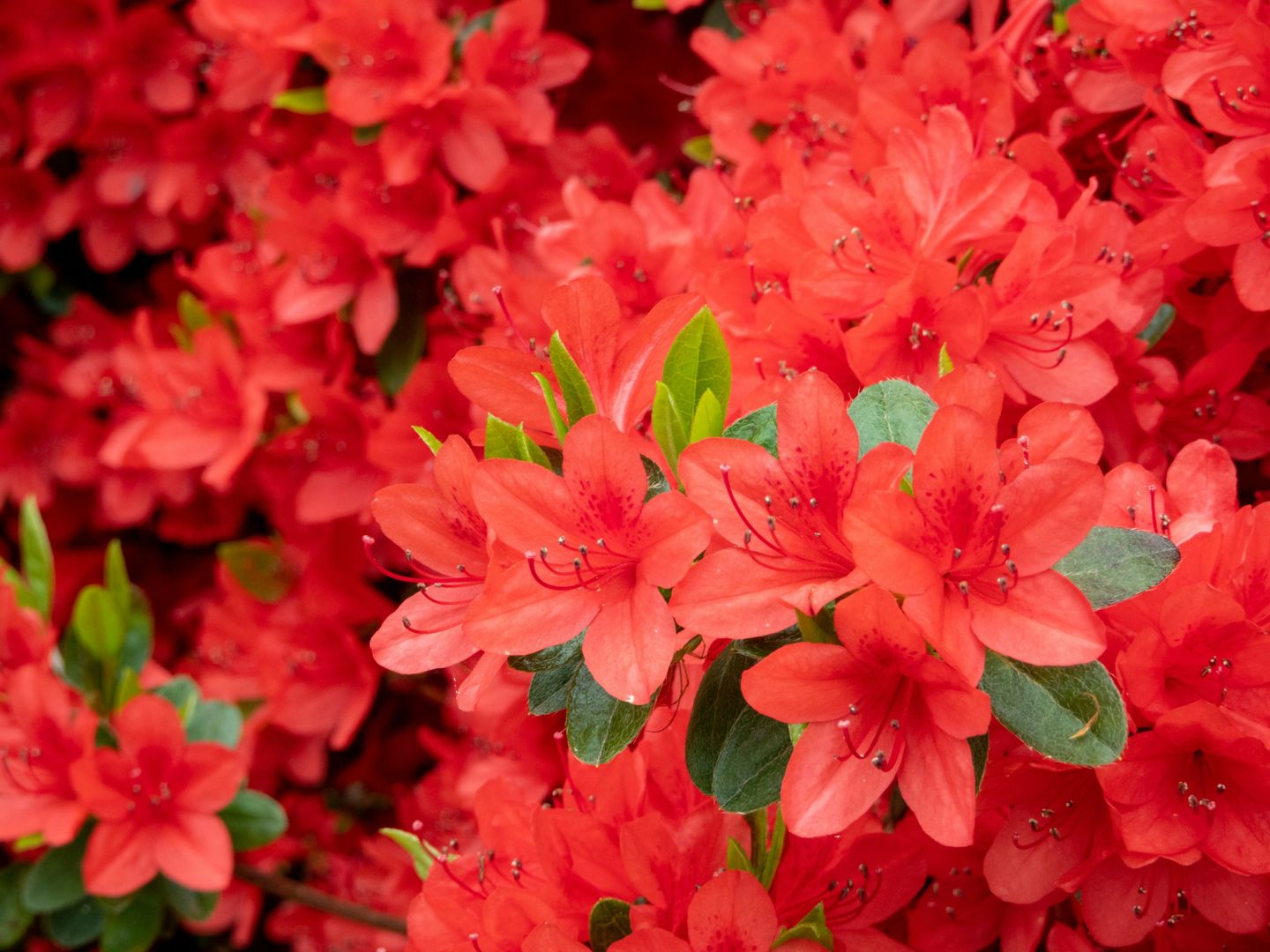
Hummingbirds are red sensitive.
They visit many colors but warm reds, yellows, and oranges increase the odds of them picking your flowers.
2. Avoid Invasive Plants
They can displace native vegetation.
- Butterfly Bush (Buddleja davidii): is a significant concern in Delaware. It crowds out the native plants that support Delaware's local butterfly population.
- Lantana: keep it in a container and a variety that's sterile.
Check with the Delaware Invasive Species Council (DISC) before planting.
3. Group Plants Together
Grouping similar plants in clumps makes them easier for hummingbirds to spot.
Use companion planting to make sure your garden thrives!
4. Succession Planting
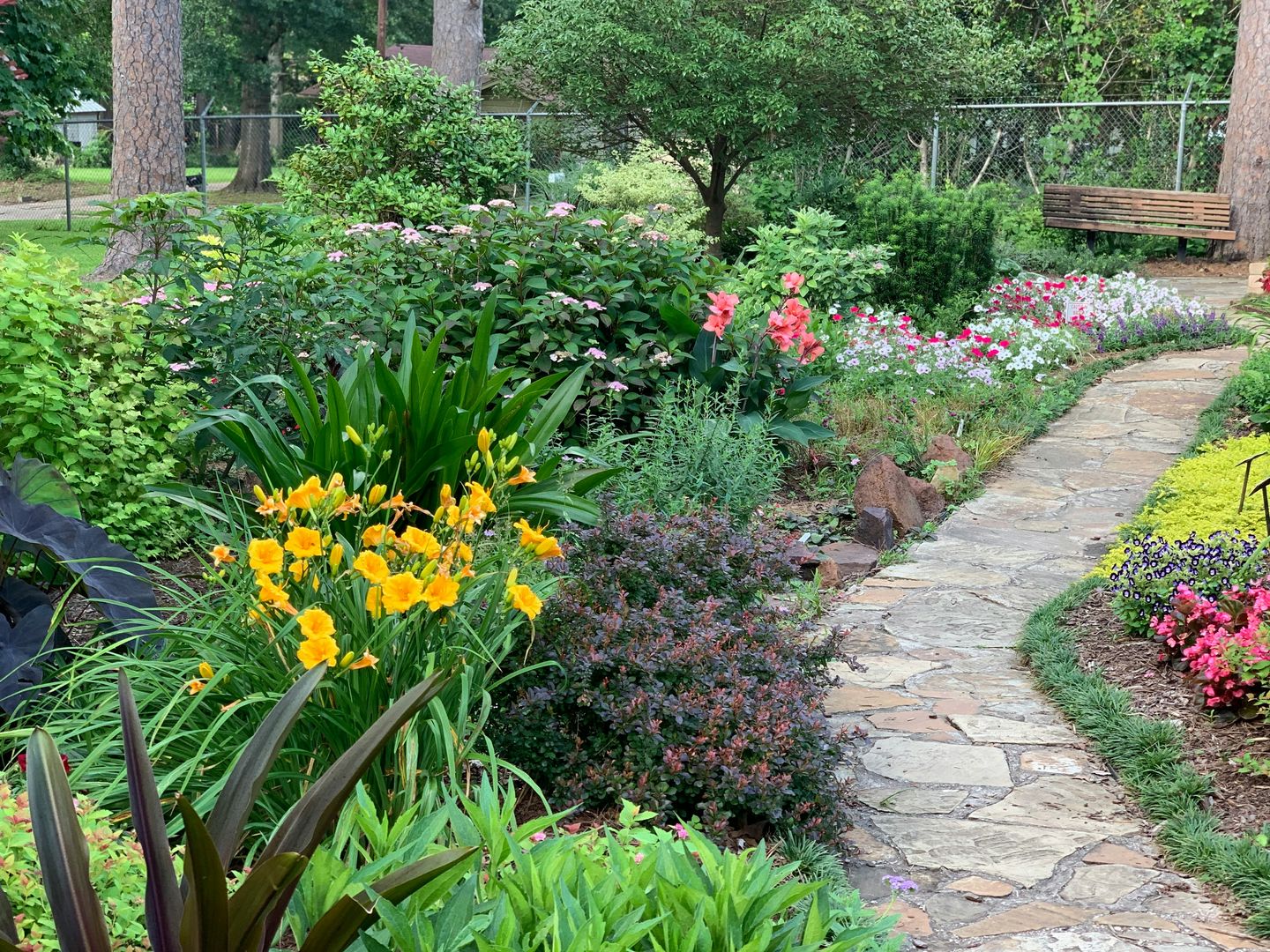
Choose a variety of plants that bloom at different times.
This gives hummingbirds a continuous nectar supply from early spring to late fall.
5. Avoid Pesticides
Insecticides protect plants from destructive insects.
Many store-bought pesticides can kill the insects hummingbirds eat and rely on for protein.
This throws off the delicate balance of the ecosystem.
Opt for these eco-friendly insecticide alternatives:
What flowers do your hummingbirds like?
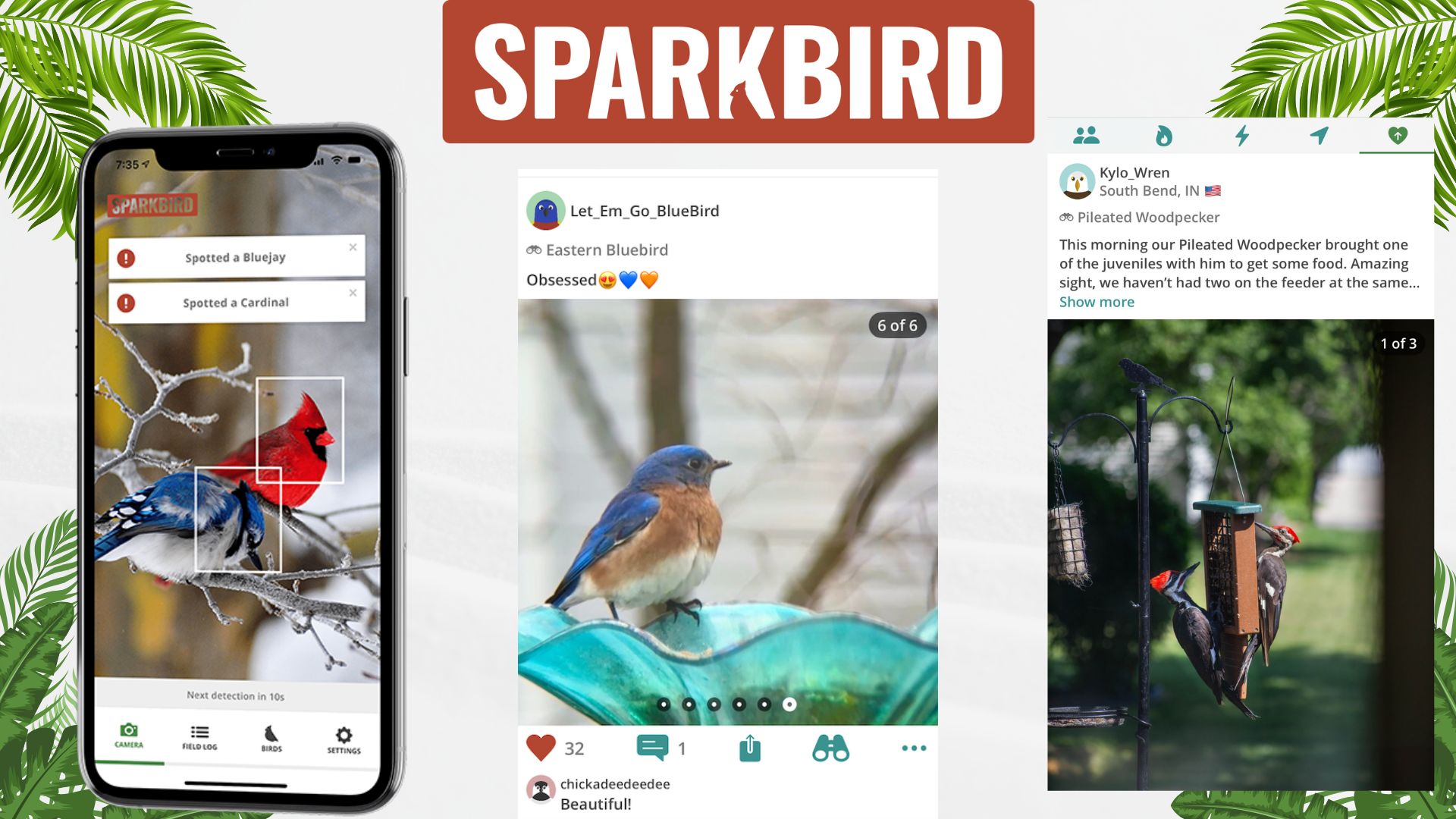
Share them on the Sparkbird App! Where likeminded birders and nature enthusiasts go to share.
Available in the Apple App Store.

No comments yet.