
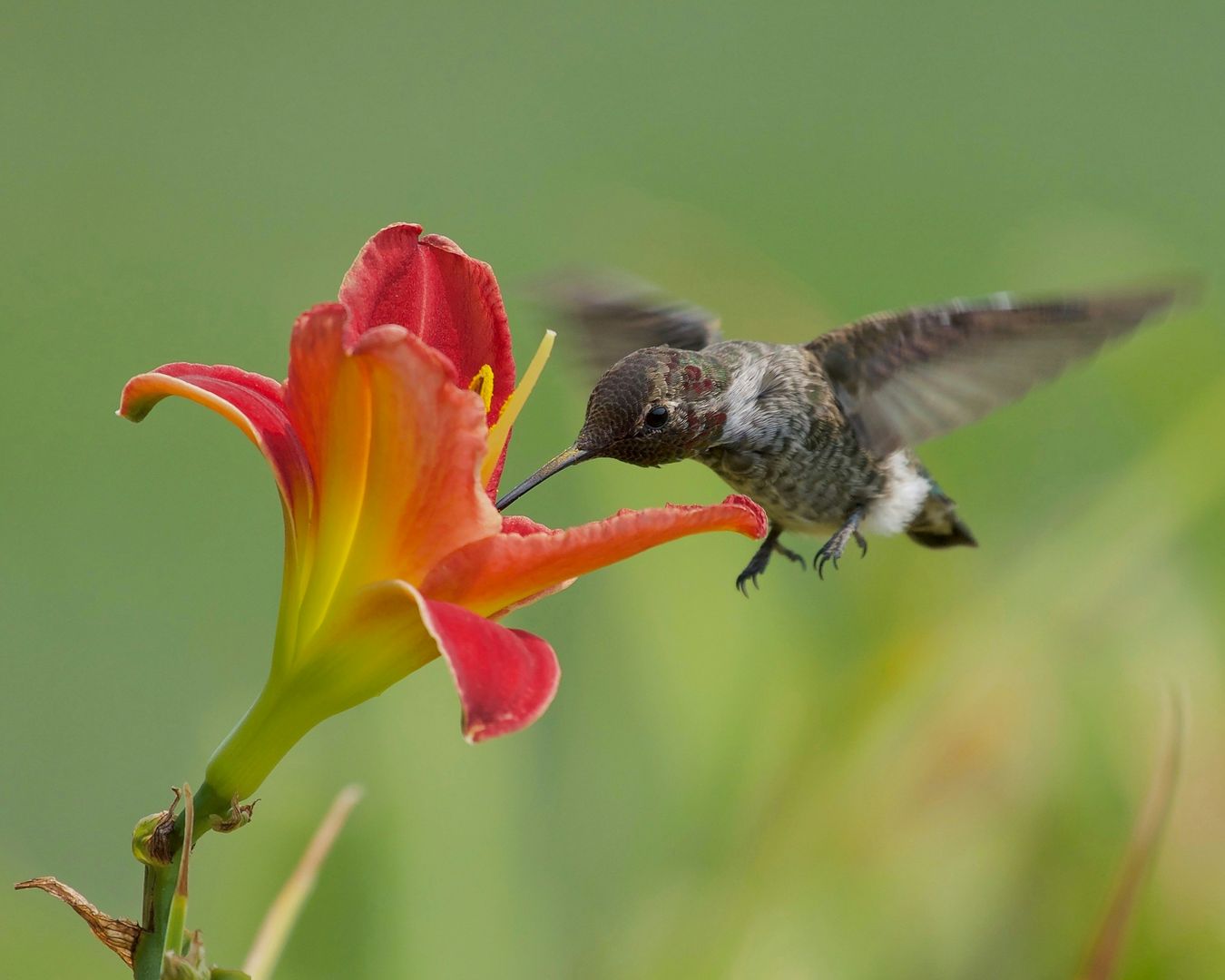
Attracting hummingbirds to your yard is easy!
Fresh nectar from flowers is your best bet.
Here's what to expect:
- Hummingbird migration in Oregon
- 9 Flowers in Oregon Hummingbirds Love
- 5 Tips for Attracting Hummingbirds
When do hummingbirds return to Oregon?
Hummingbirds migrate from the south up through Oregon in late April.
Southbound hummingbird migration wraps up in September.
Make sure your flowers are ready for hummingbird migration
Plant your perennials so they bloom at slightly different times.
You want some flowers to bloom in early April & others to bloom in the summer when they start breeding.
This ensures hummingbirds have a steady supply of nectar!
9 Flowers to Attract Hummingbirds in Oregon
Make sure to follow our 5 Tips for Attracting Hummingbirds.
1. Hummingbird Mint (Agastache)
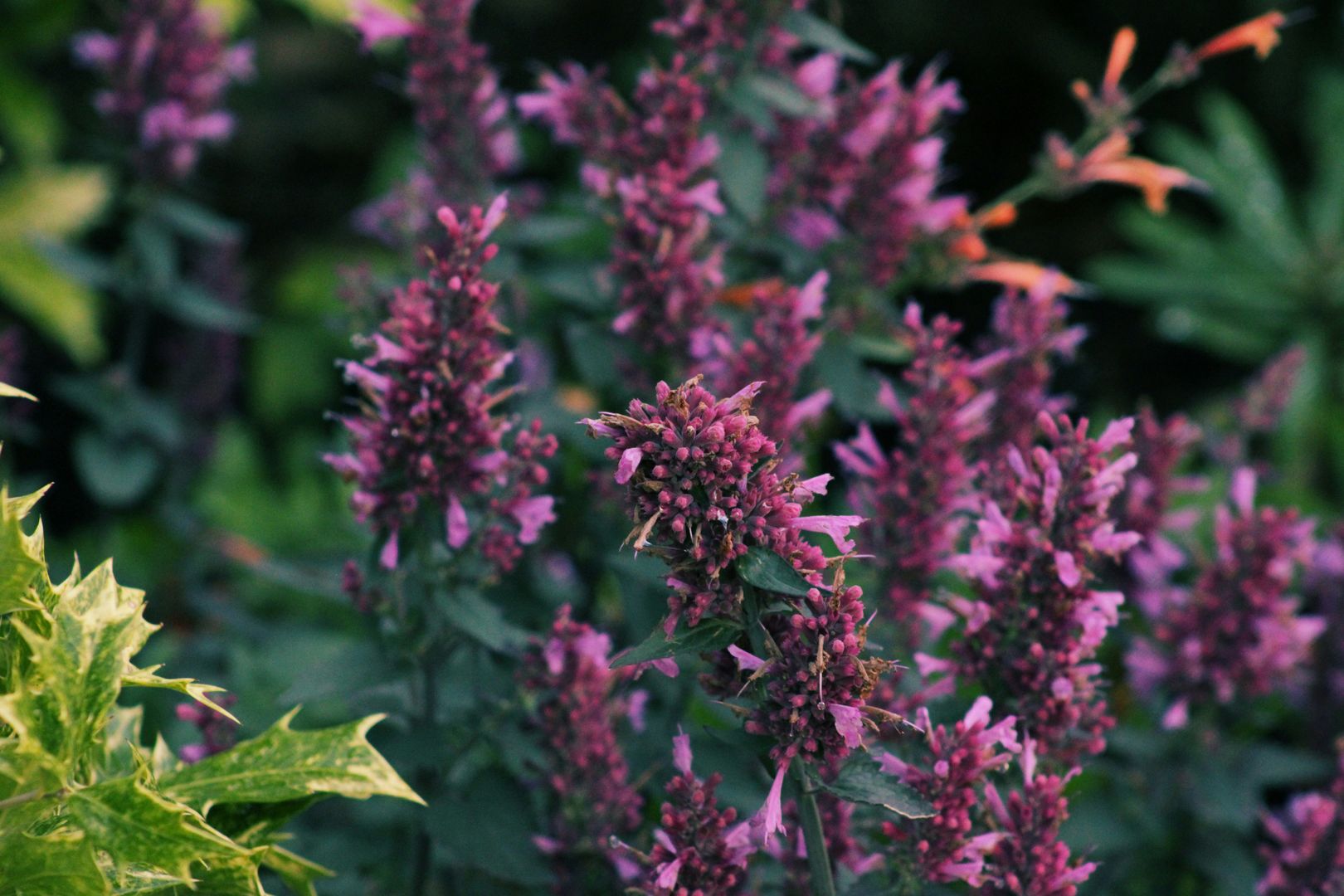
- Perennial
Hummingbird Mint has tubular, nectar rich flowers that are perfect for hummingbirds (hence its name).
It's drought resistant which is perfect for Oregon gardens.
The flowers bloom from mid-summer to fall— perfect for peak hummingbird activity.
2. Golden Currant (Ribes aureum)
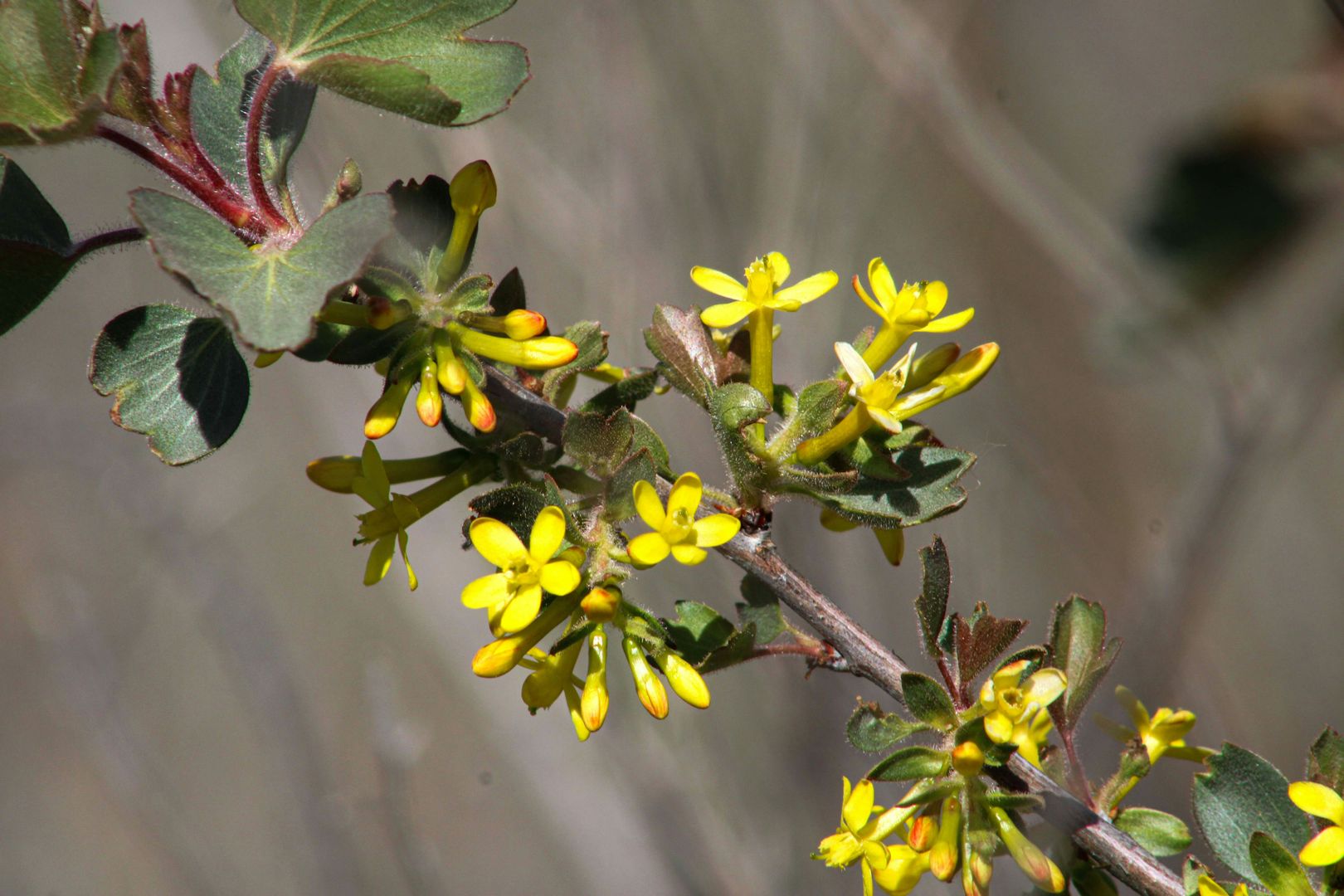
- Perennial
These shrubs offer essential early nectar making it a premier choice for hummingbirds.
It blooms in April to May and has trumpet shaped flowers.
This plant also doubles as a great nesting site for other birds.
3. Foxglove (Digitalis)
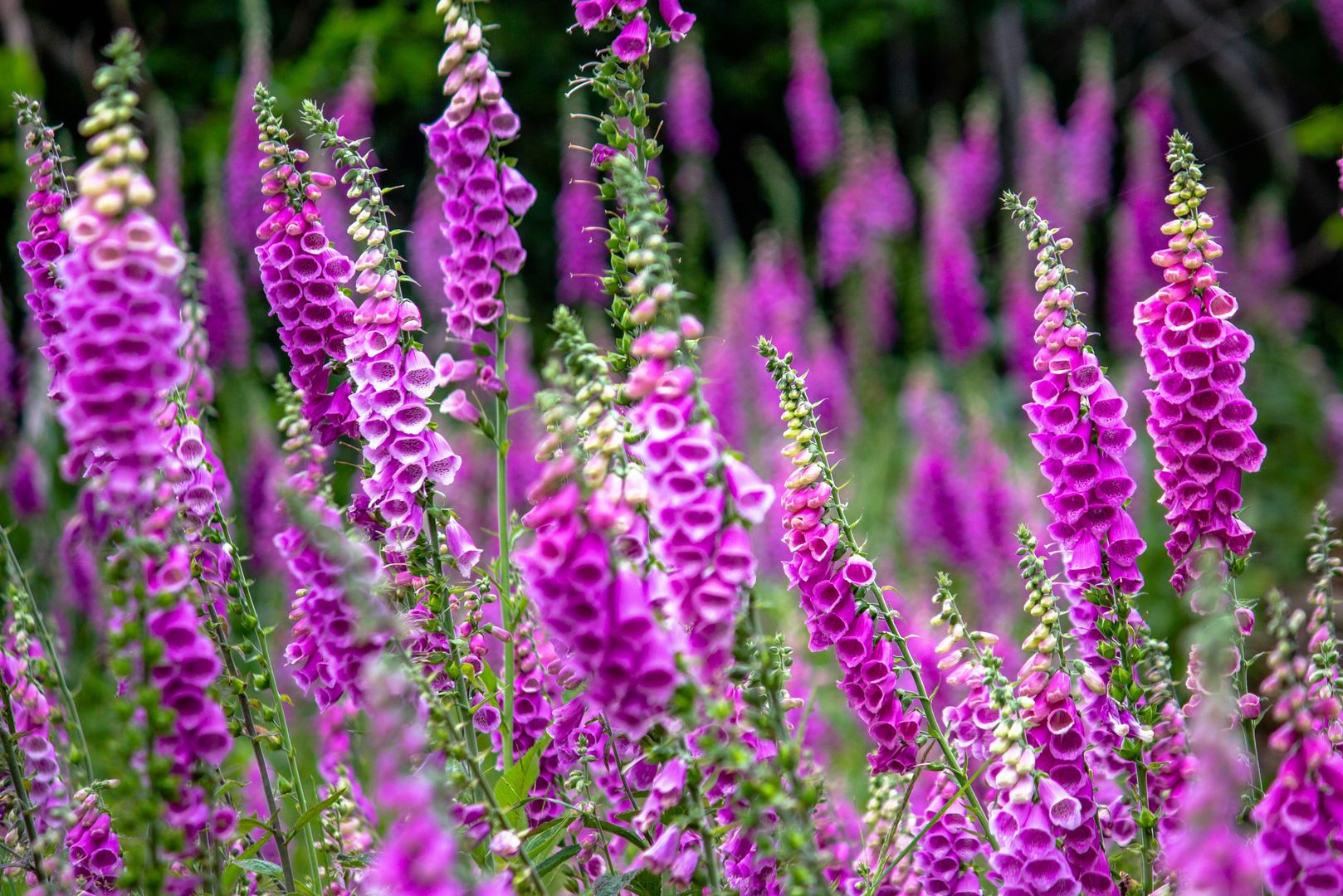
- Perennial
Foxglove is great for partially shaded areas.
It’s an ideal hummingbird flower for rural or suburban yards since it’s deer resistant.
Beware— Foxglove is toxic. All plant parts cause severe poisoning.
4. Columbine (Aquilegia)
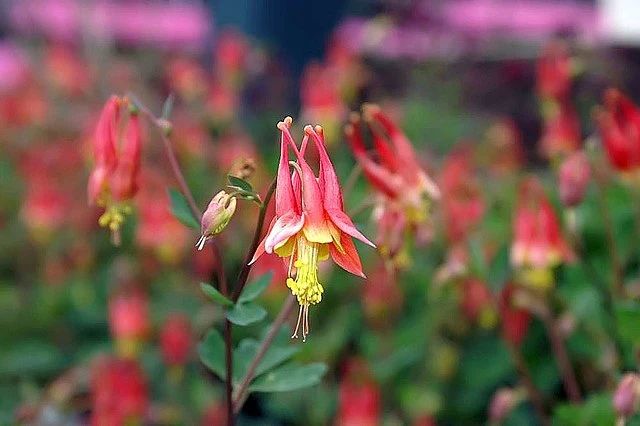
- Perennial
This drought resistant flower is a hummingbird favorite!
It blooms late spring which is ideal for hummingbird migration to Oregon.
Related: 6 Easy DIY Hummingbird Feeders (They're Basically Free!)
5. Bee Balm (Monarda)
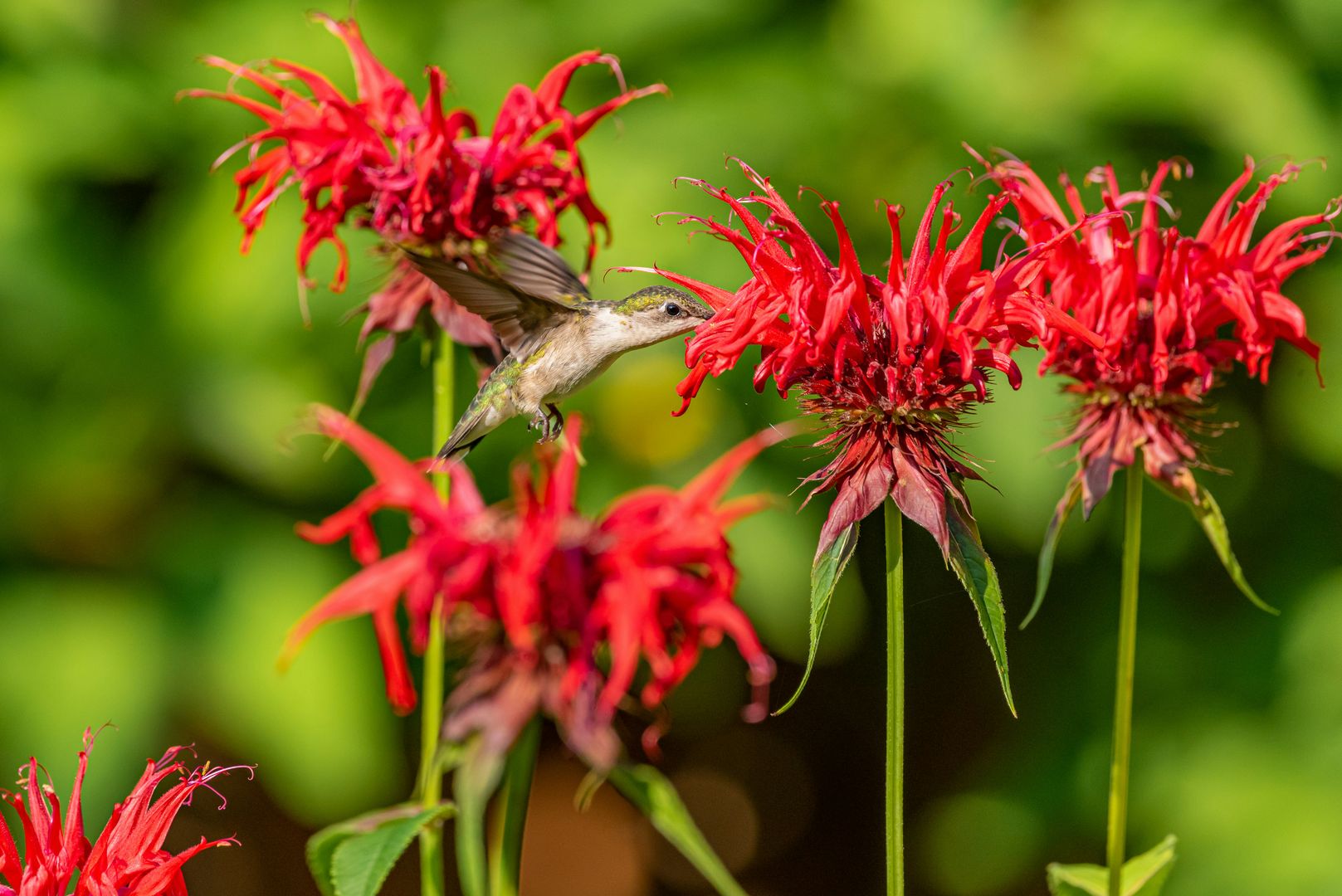
- Perennial
An herbaceous plant in the mint family and native to North America.
Hummingbirds and butterflies love this flower!
It’s spreading behavior varies so keep an eye on it making sure it doesn’t take over your garden.
6. Harebell (Campanula rotundifolia)
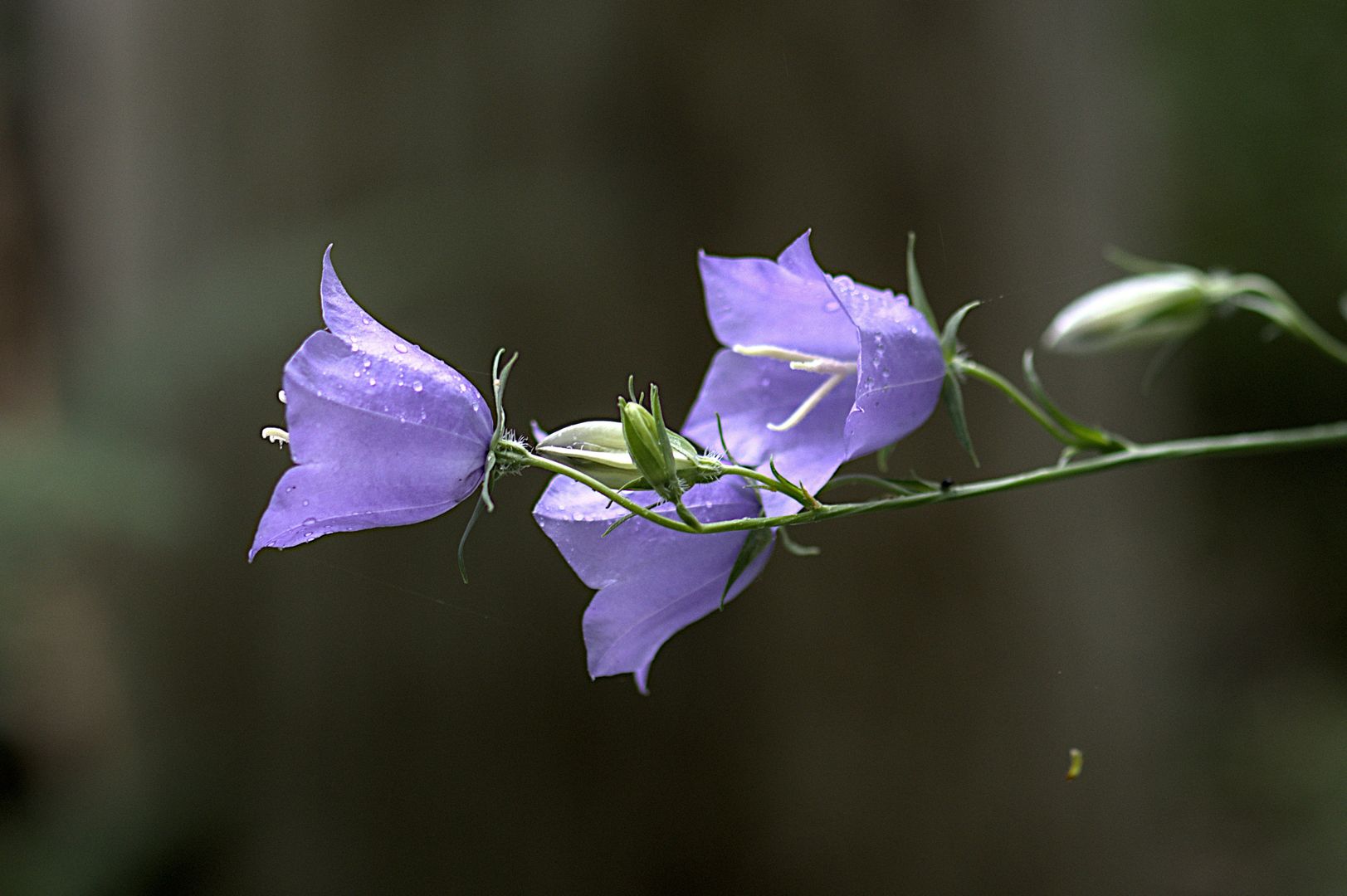
- Perennial
Blooms early summer to fall which is ideal for succession gardening.
The bloom time coincides with the peak presence hummingbirds.
It's a must for any hummingbird garden in Oregon.
7. Fireweed (Chamaenerion angustifolium)
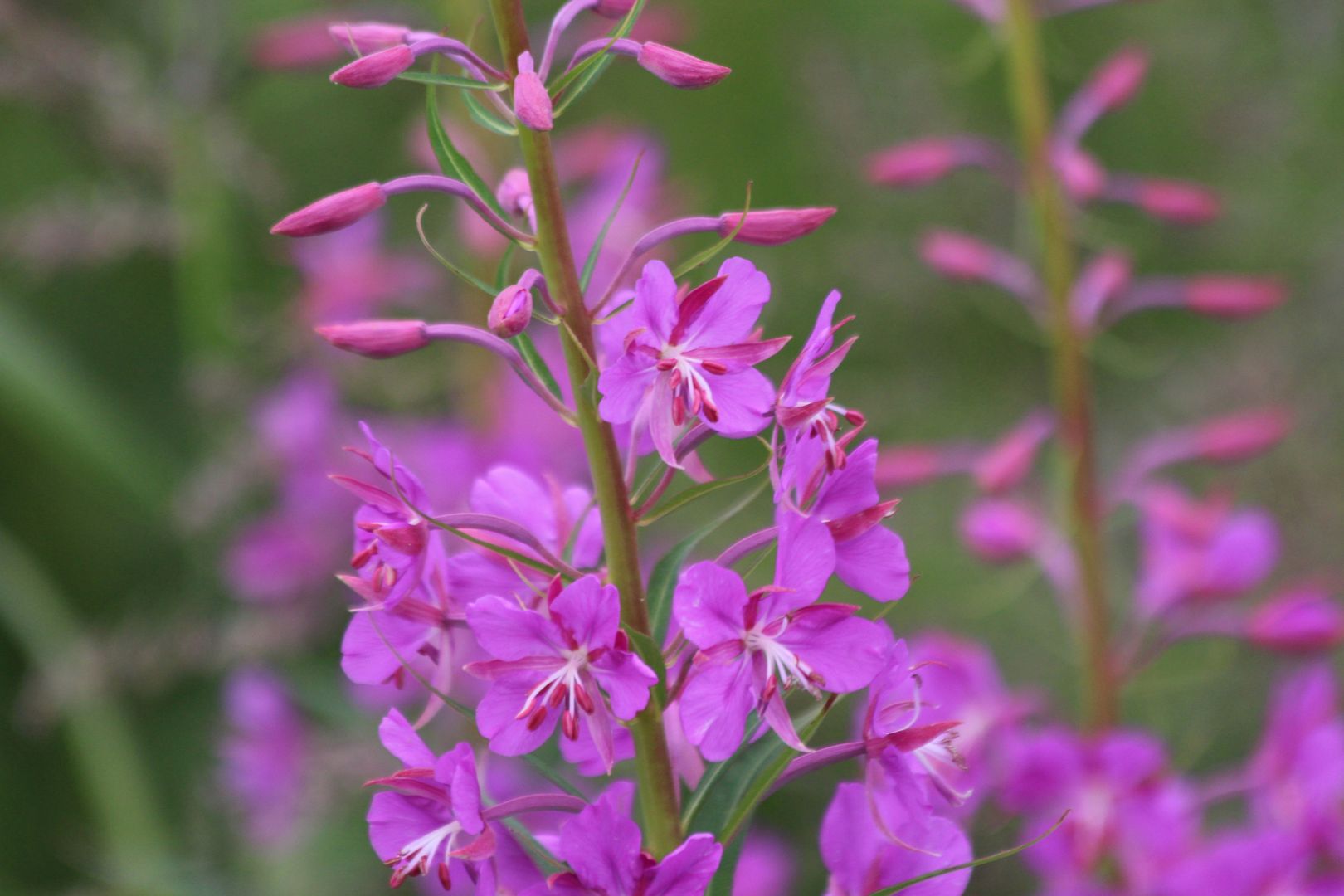
- Perennial
A dominant, bright pink nectar source blooming in mid-to-late summer.
Hummingbirds can see this tall flower from a distance!
It's visibility makes it ideal for hummingbird food.
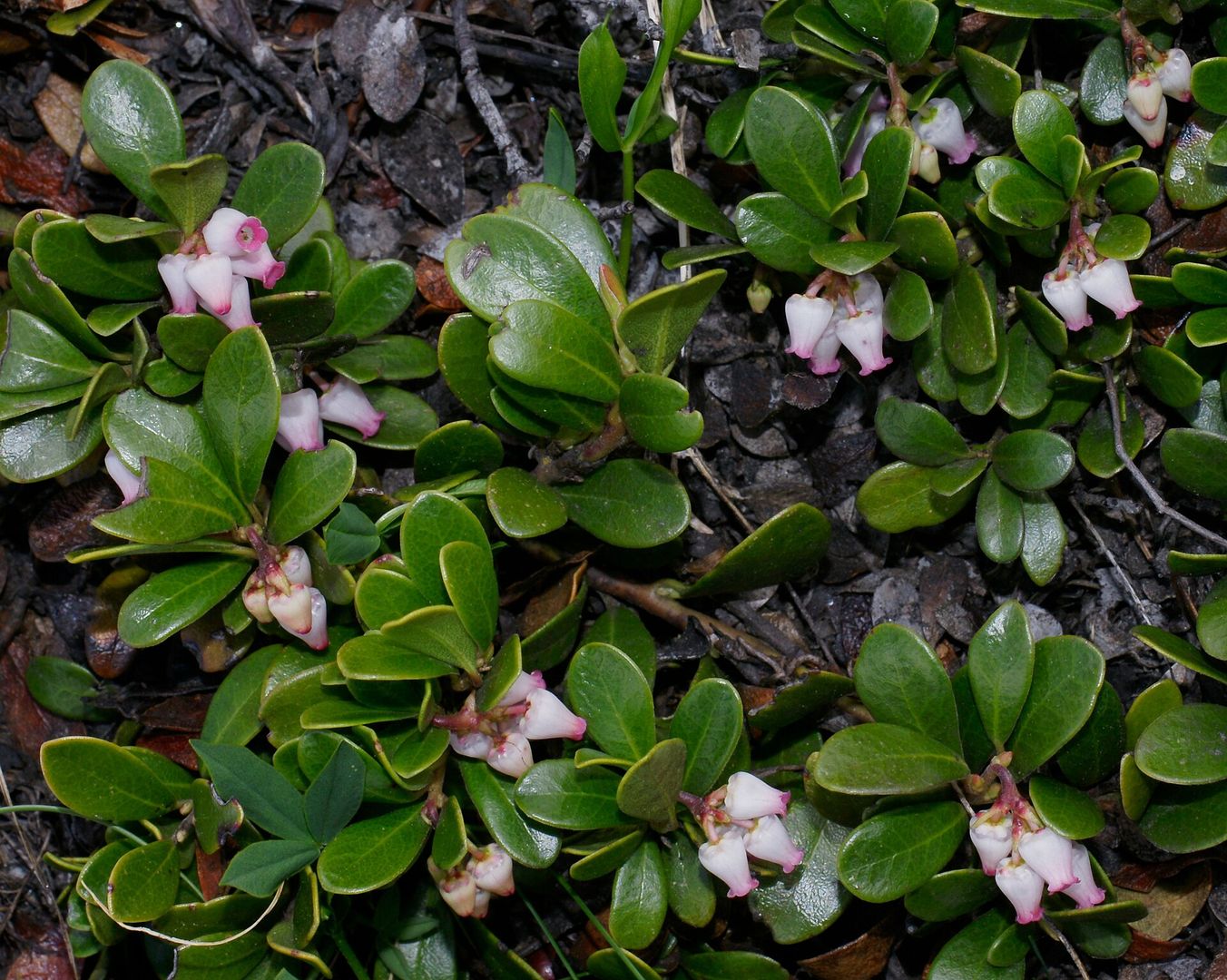
8. Common Bearberry (Arctostaphylos uva-ursi)
- Perennial
A low-lying groundcover with small, nectar-rich flowers.
Common Bearberry has small red berries that, you guessed it, bears and birds eat.
The small pink and white flowers are popular and nectar rich for hummingbirds
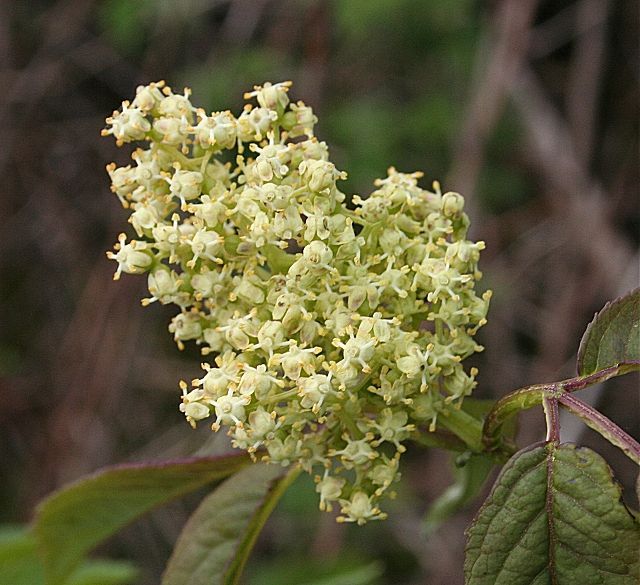
9. Red Elderberry (Sambucus racemosa)
- Perennial
It blooms in early spring giving hummingbirds a reliable nectar source after migrating to Oregon.
Elderberry shrubs are great nesting sites for other birds, too.
All around a win-win for pollinators and year round birds.
5 Tips for Attracting Hummingbirds During Migration
1. Use Red Flowers
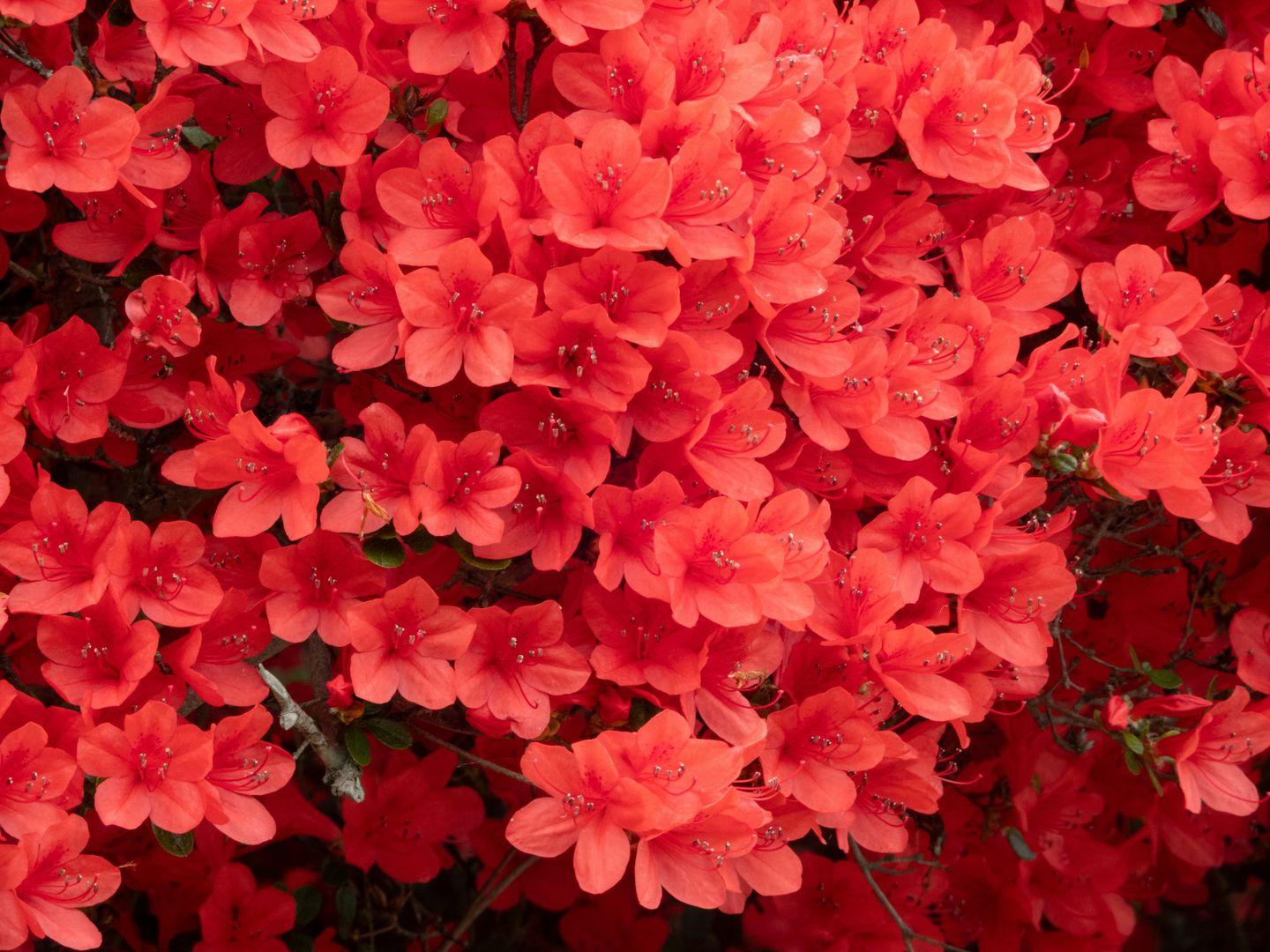
Hummingbirds are red sensitive.
They visit many colors but warm reds, yellows, and oranges increase the odds of them picking your flowers.
2. Avoid Invasive Plants
They can displace native vegetation.
- Butterfly Bush not prohibited but crowds out plants that support Oregon's butterfly population
- Japanese Honeysuckle is prohibited because it displaces native flora in riparian areas
Check with the Oregon Department of Agriculture before planting.
3. Use Hummingbird Feeders
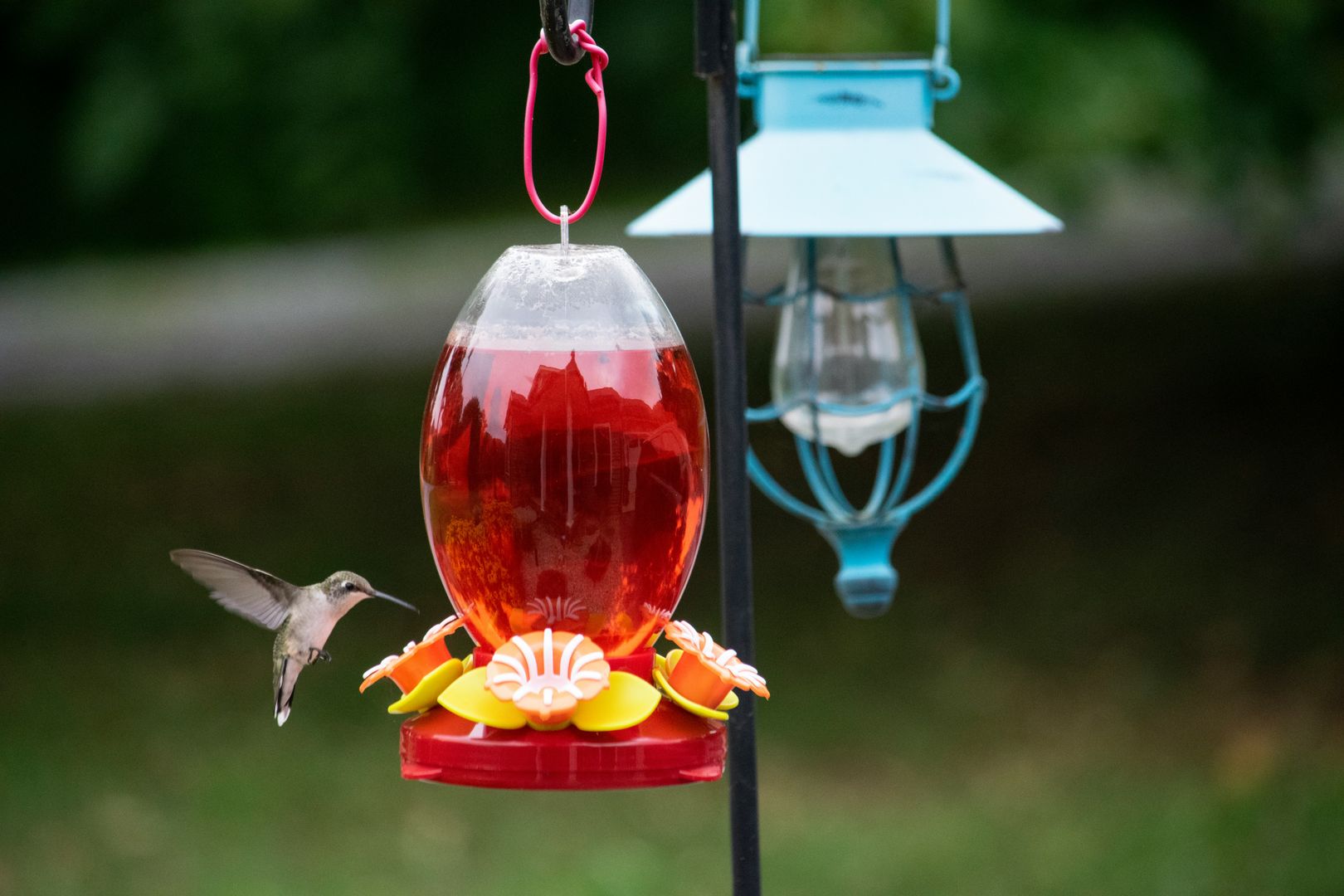
When in doubt put up nectar feeders.
Hummingbirds will come for easy food. They'll notice your flowers & keep coming back for more.
4. Group Plants Together
Grouping similar plants in clumps makes them easier for hummingbirds to spot.
Use companion planting to make sure your garden thrives!
5. Avoid Pesticides
Insecticides protect plants from destructive insects.
Many store bought pesticides can kill the insects hummingbirds eat and rely on for protein.
Opt for these eco-friendly insecticide alternatives:
What flowers do your hummingbirds like?
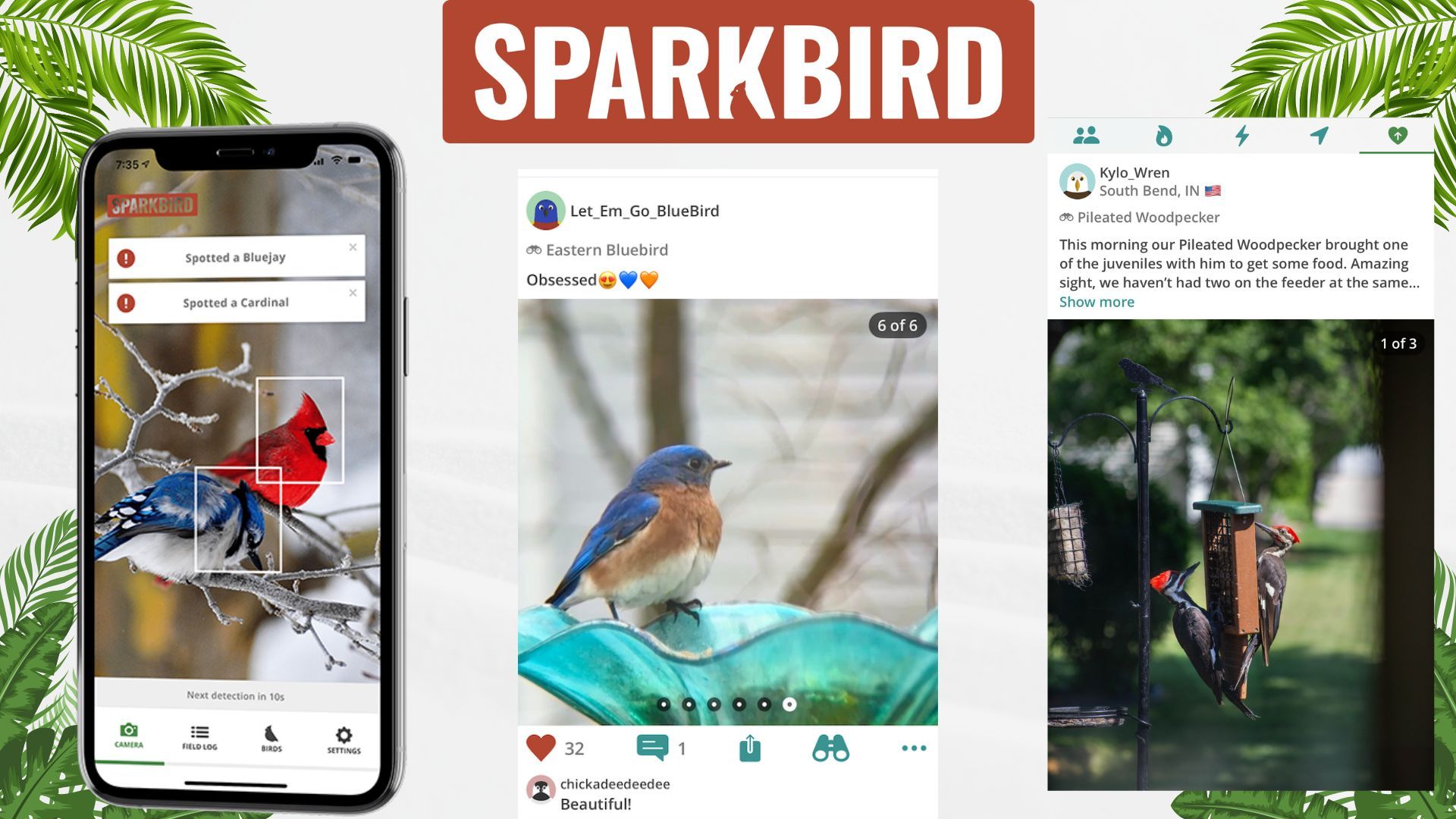
Share them on the Sparkbird App! Where like minded birders and nature enthusiasts go to share.
Available in the Apple App Store.

No comments yet.