
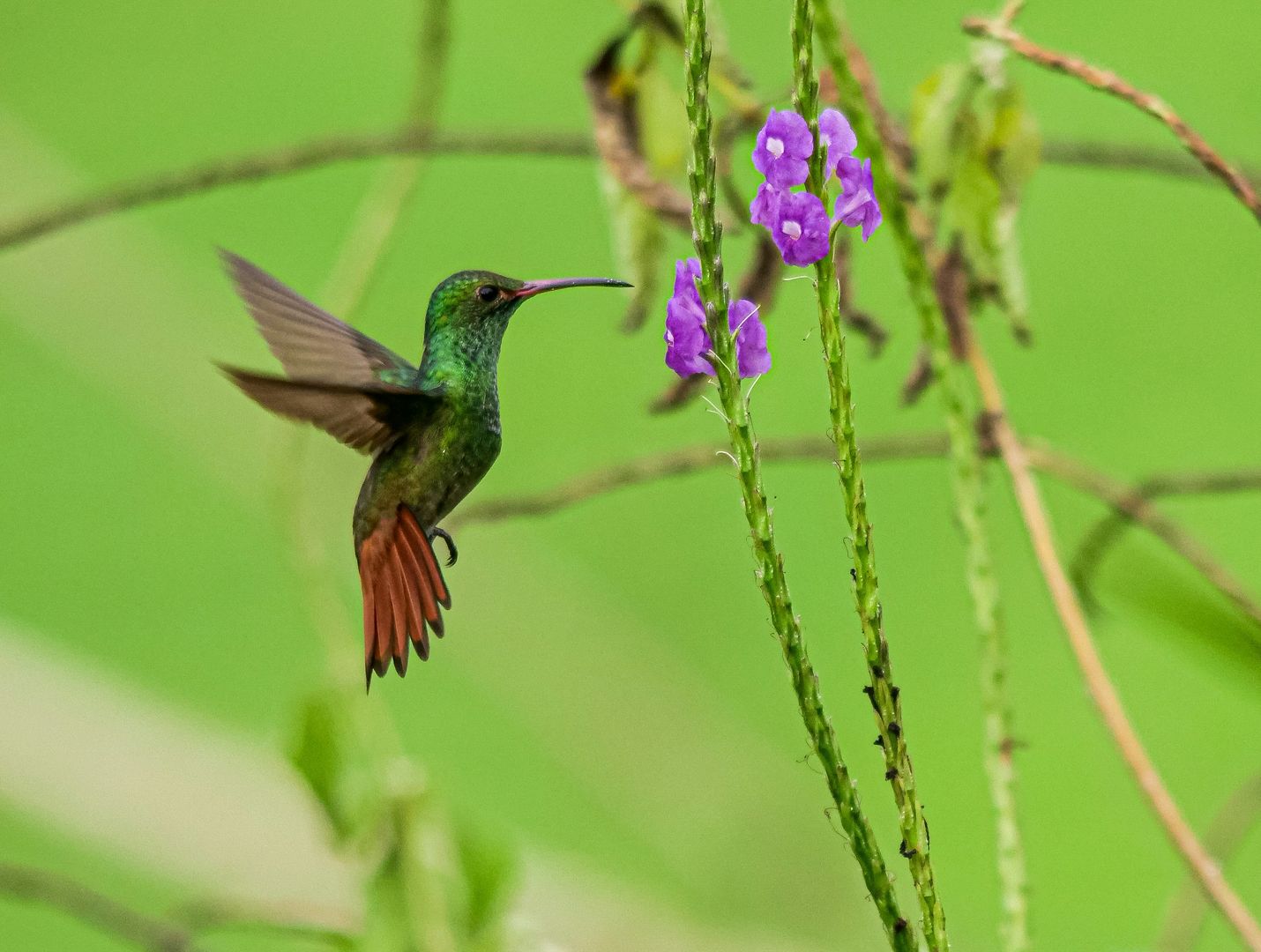
Attracting hummingbirds to your yard is easy!
Fresh nectar from flowers is your best bet.
Here's what to expect:
- Hummingbird migration in Rhode Island
- 9 Flowers in Rhode Island Hummingbirds Love
- 5 Tips for Attracting Hummingbirds
When do hummingbirds return to Rhode Island?
Hummingbirds migrate from the south up through Rhode Island in late April.
Southbound hummingbird migration wraps up in September.
Make sure your flowers are ready for hummingbird migration
Plant your perennials so they bloom at slightly different times.
You want some flowers to bloom in early April & others to bloom in the summer when they start breeding.
This ensures hummingbirds have a steady supply of nectar!
9 Flowers to Attract Hummingbirds in Rhode Island
Make sure to follow our 5 Tips for Attracting Hummingbirds.
1. Cardinal Flower (Lobelia cardinalis)
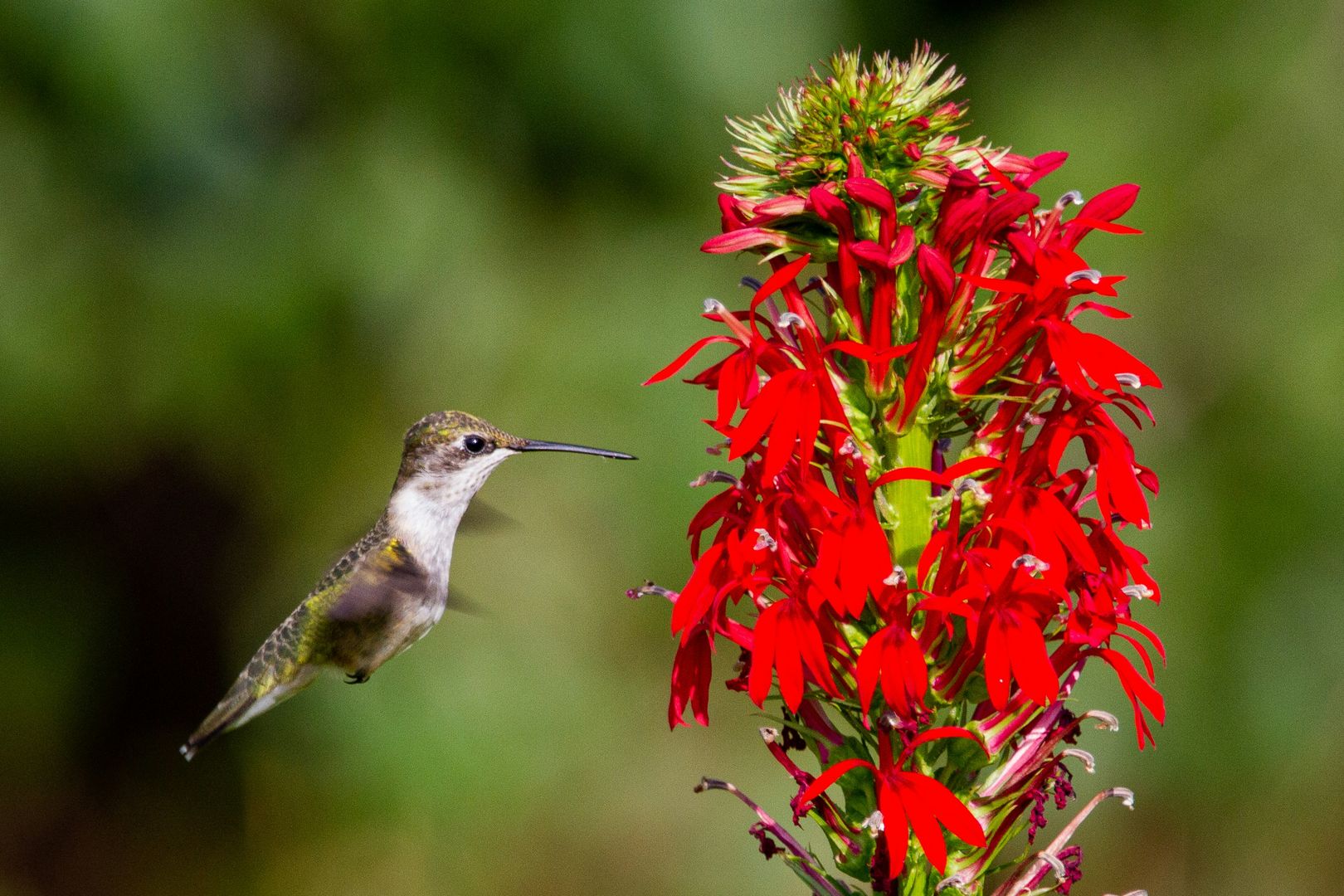
- Perennial
The Cardinal Flower depends on hummingbirds since many insects find the flowers difficult to navigate.
It's basically a beacon for hummingbirds!
The summer blooms time is perfect for fledglings and migration.
2. Lantana
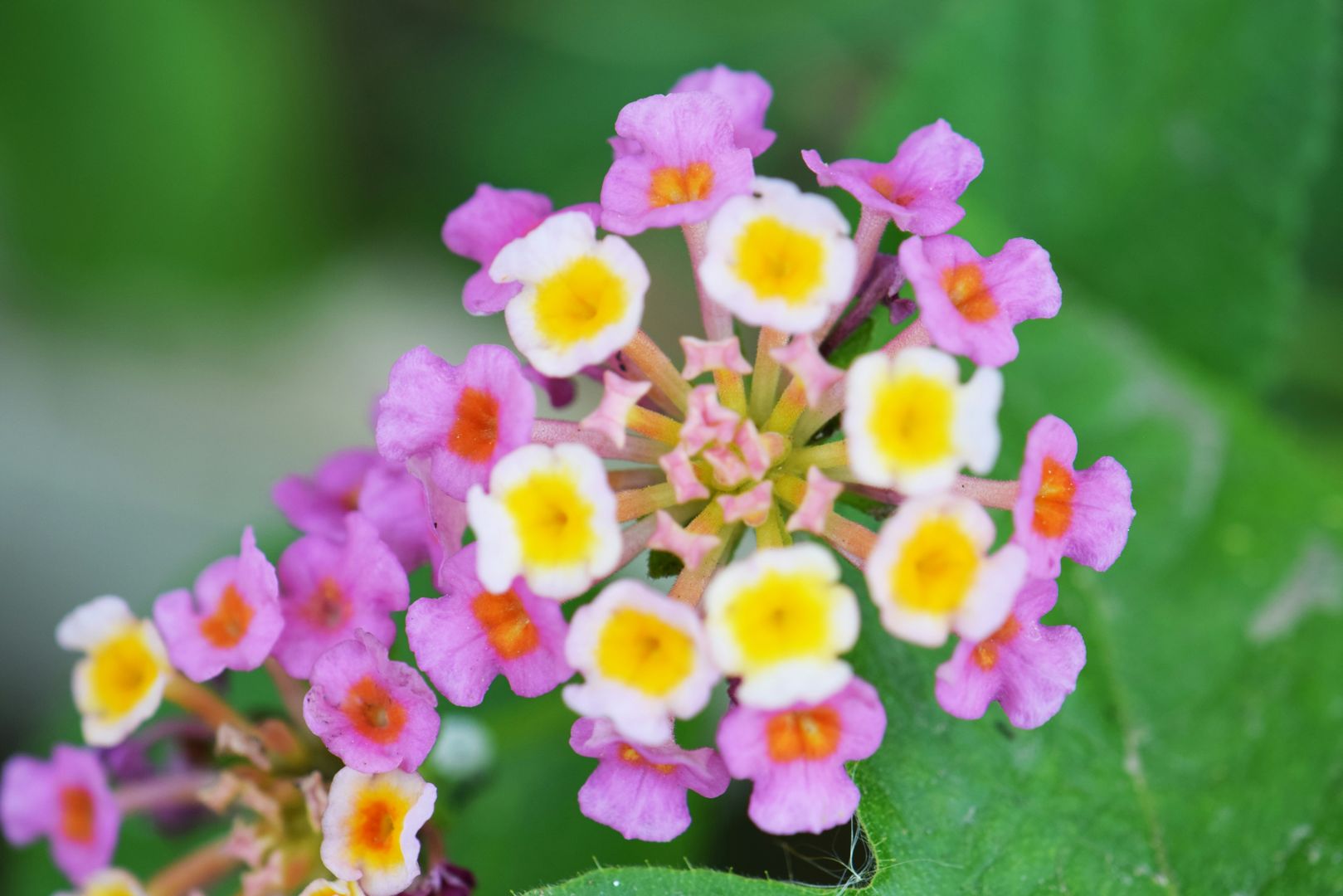
- Annual
This drought resistant flower is great for hummingbirds in Rhode Island.
The rich cluster of tubular flowers of the Lantana plant are a favorite for hummingbird gardens.
Butterflies and bees love them, too, dubbing the plant a pollinator workhorse.
3. Bee Balm (Monarda)
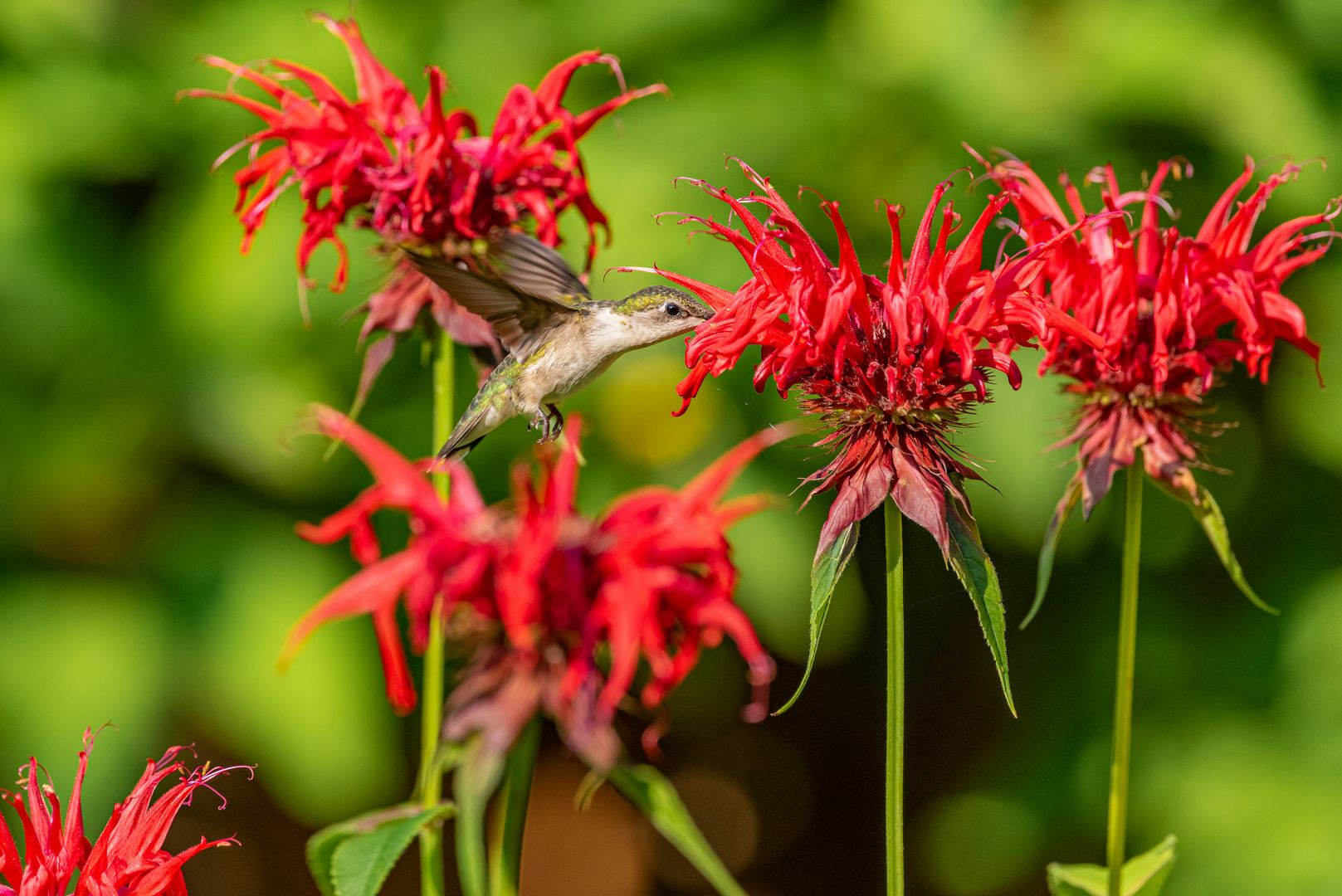
- Perennial
An herbaceous plant in the mint family and native to North America.
The vibrant red is preferred by hummingbirds and many butterflies.
It’s spreading behavior varies so keep an eye on it making sure it doesn’t take over your garden.
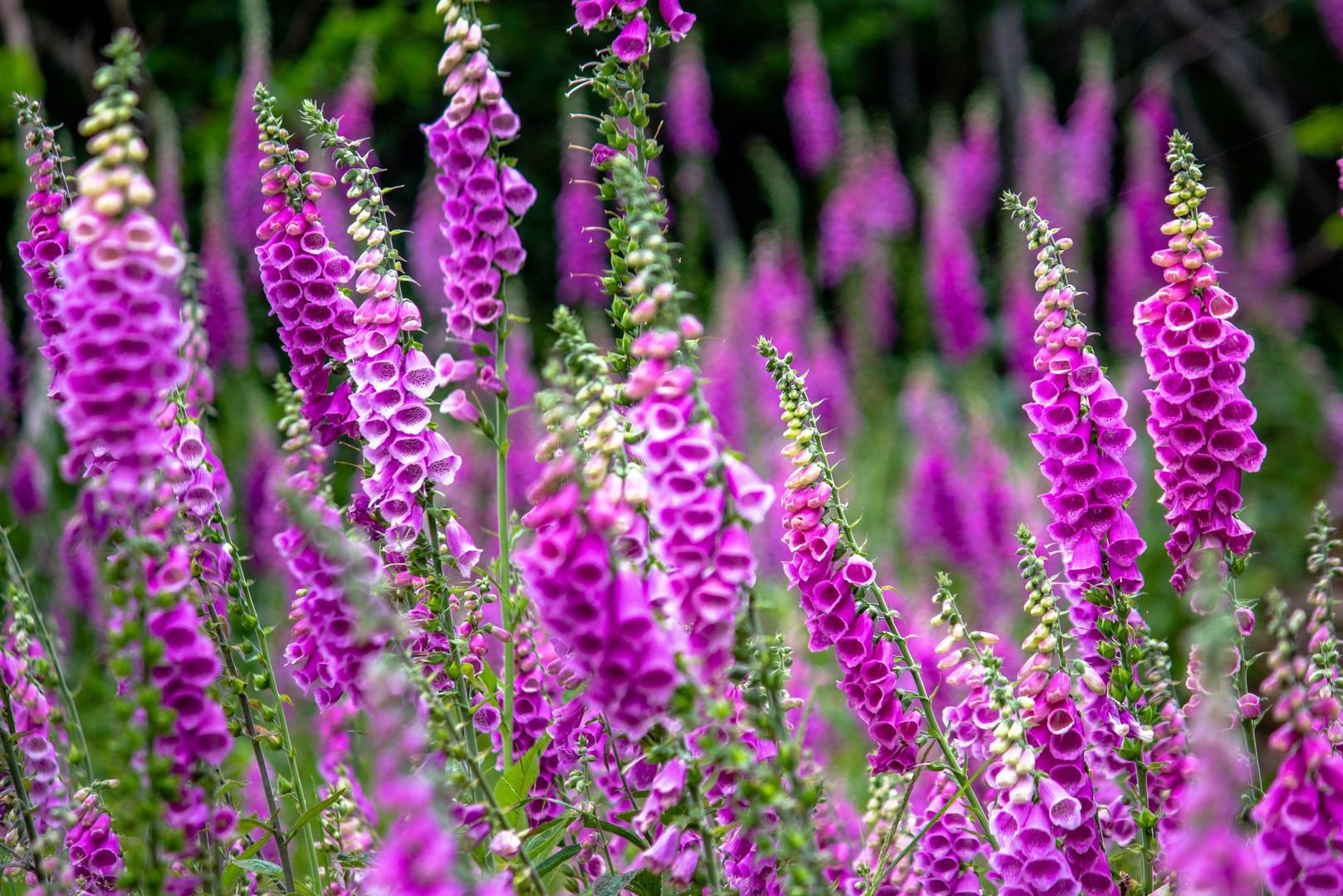
4. Foxglove (Digitalis)
- Perennial
Foxglove is great for partially shaded areas.
It’s an ideal hummingbird flower for rural or suburban yards since it’s deer resistant.
Beware— Foxglove is toxic. All plant parts cause severe poisoning.
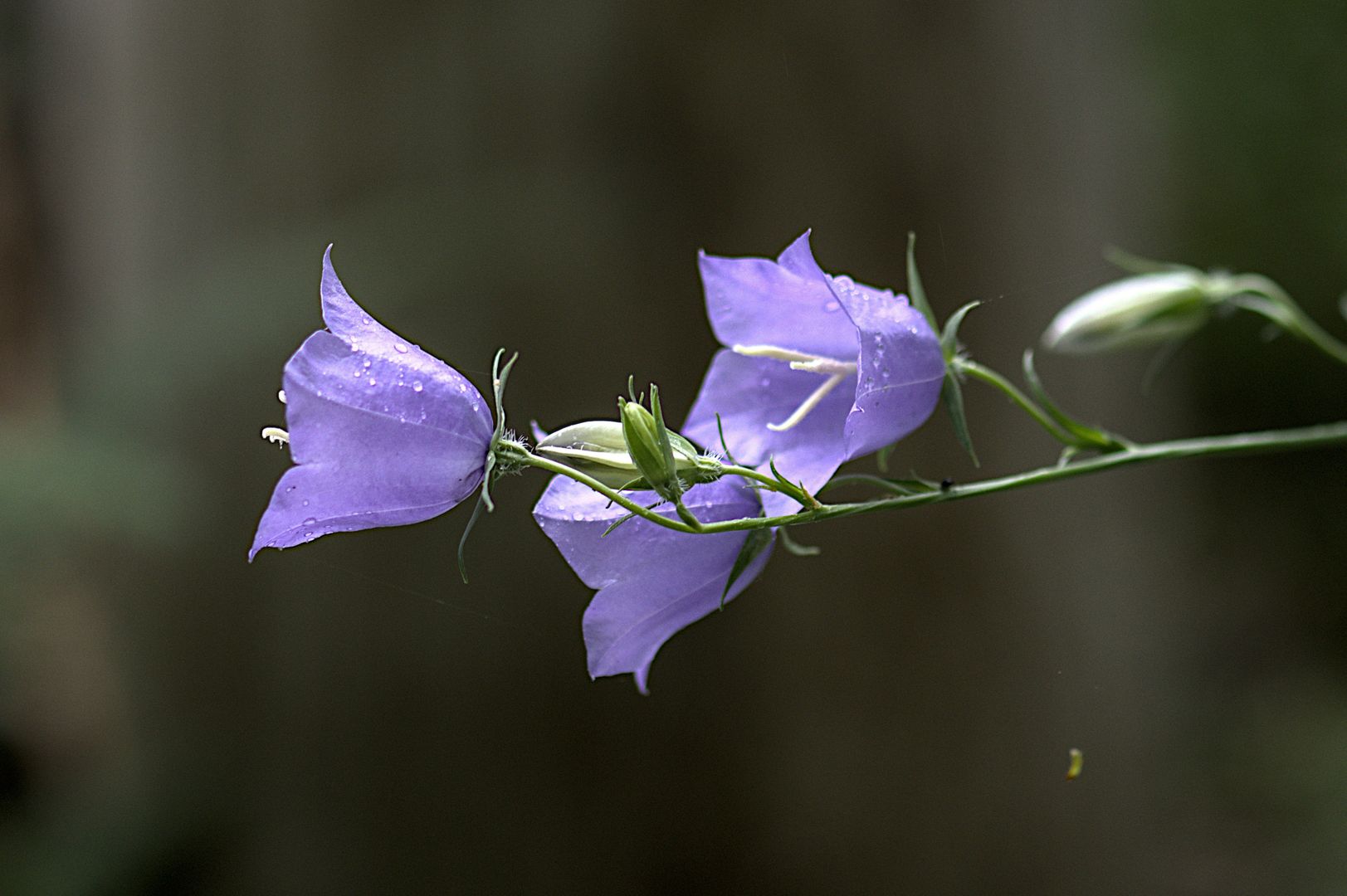
5. Harebell (Campanula rotundifolia)
- Perennial
Blooms early summer to fall which is ideal for succession gardening.
The bloom time coincides with the peak presence hummingbirds.
It's a must for any hummingbird garden in Rhode Island.
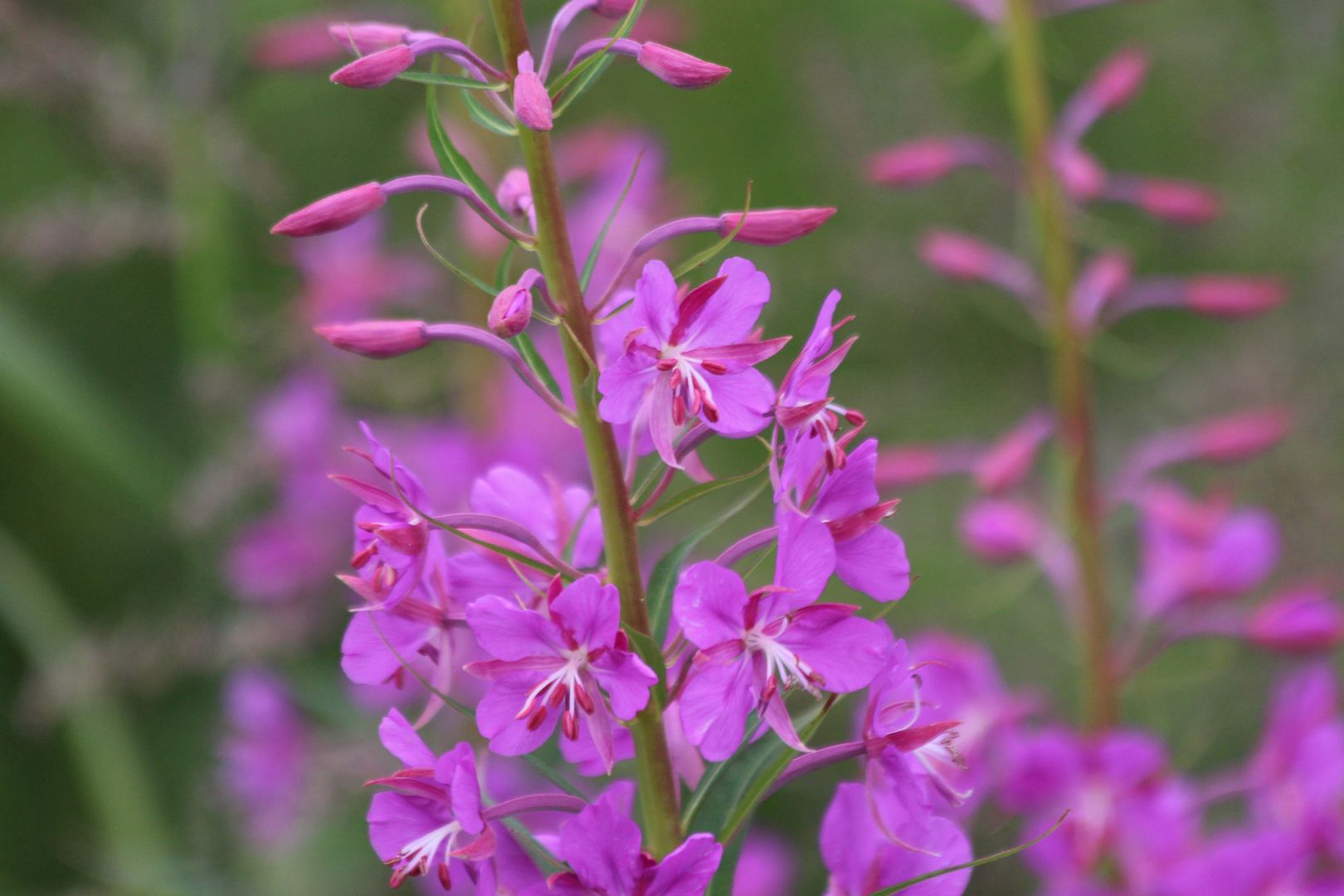
6. Fireweed (Chamaenerion angustifolium)
- Perennial
A dominant, bright pink nectar source blooming in mid-to-late summer.
Hummingbirds can see this tall flower from a distance!
It's visibility makes it ideal for hummingbird food.
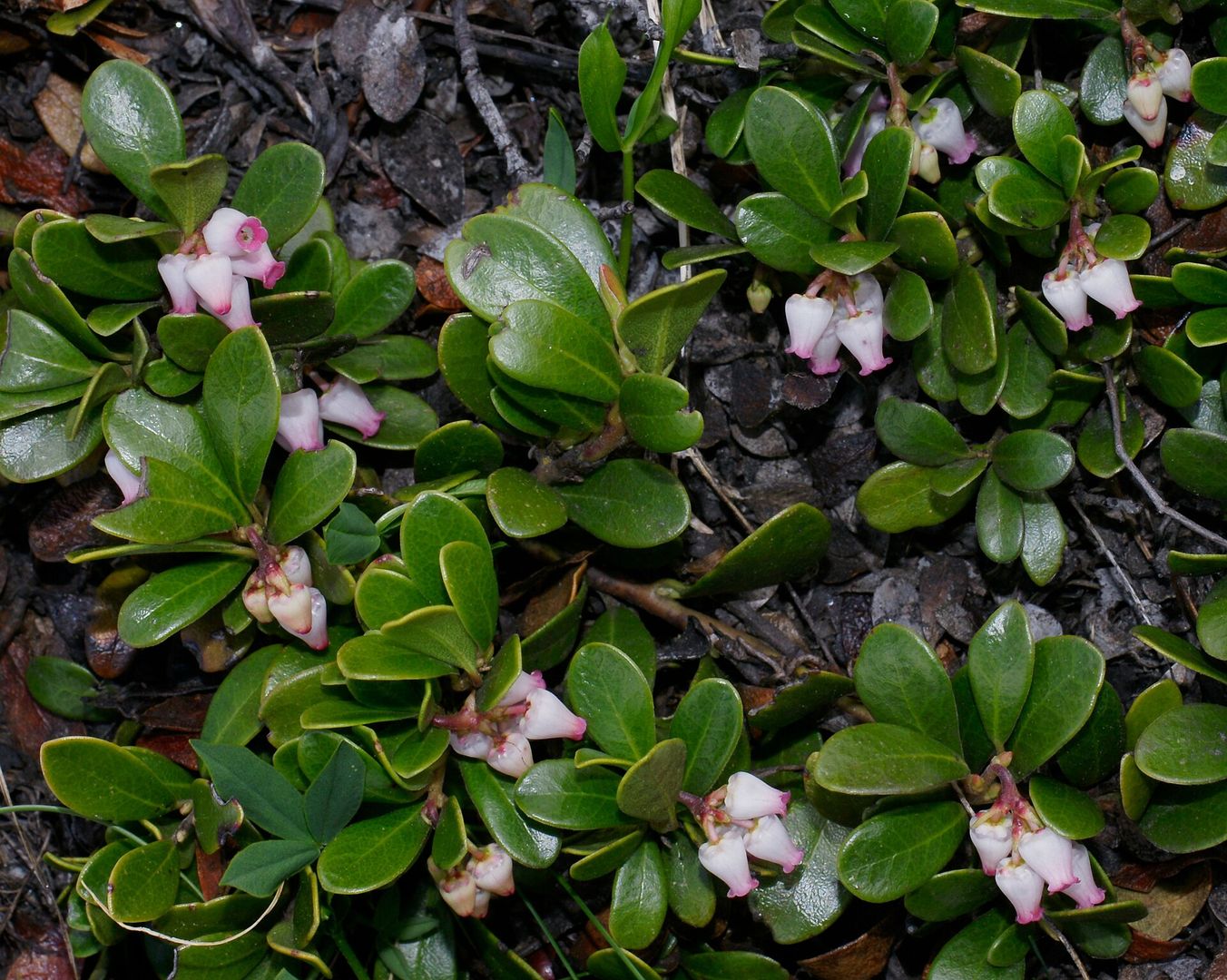
7. Common Bearberry (Arctostaphylos uva-ursi)
- Perennial
A low-lying groundcover with small, nectar-rich flowers.
Common Bearberry has small red berries that, you guessed it, bears and birds eat.
The small pink and white flowers are popular and nectar rich for hummingbirds
8. Trumpet Honeysuckle (Lonicera sempervirens)
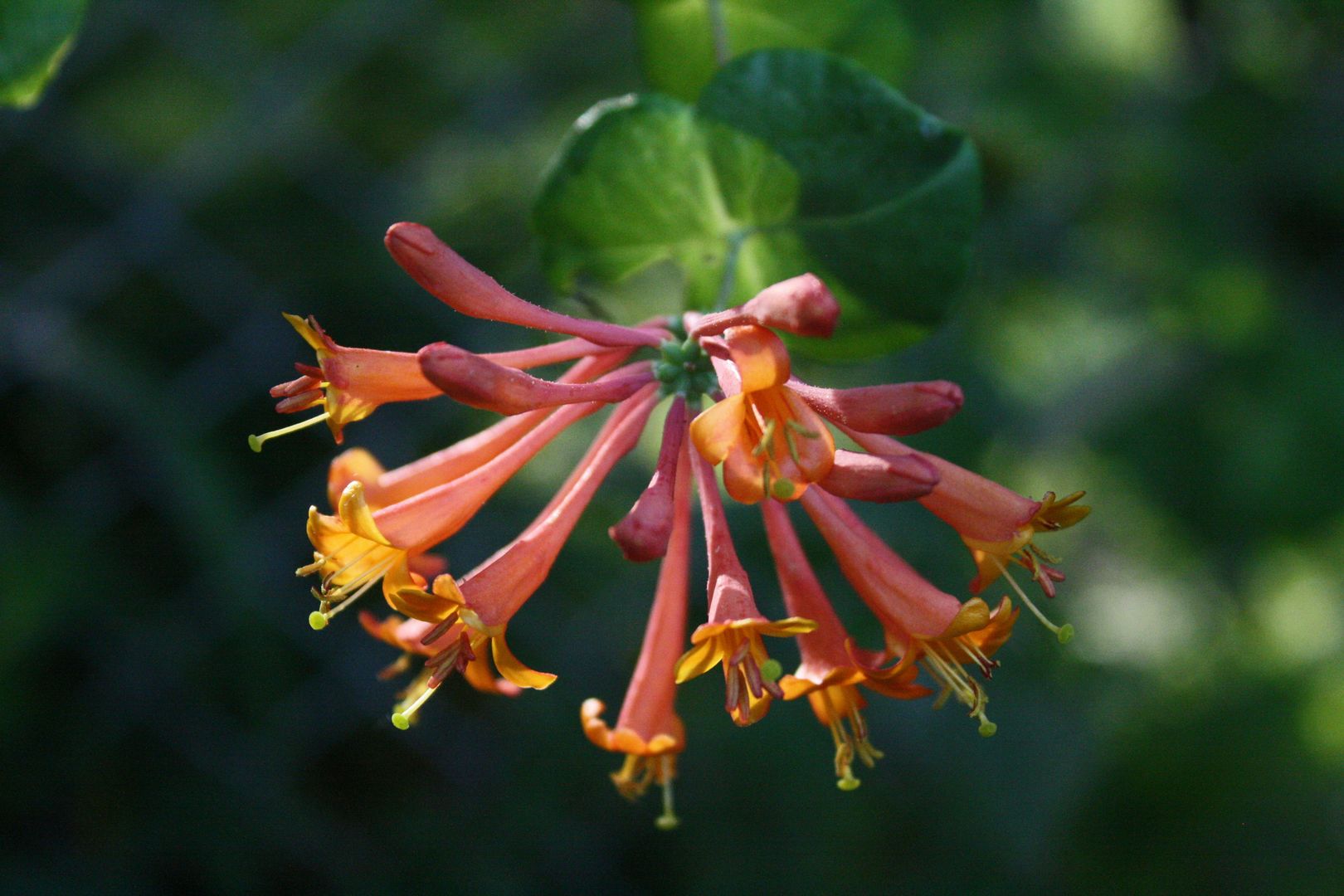
- Perennial
Named for its tubular, trumpet shaped flowers.
These red and orange flowers are ideal for hummingbirds in both shape and color.
Trumpet Honeysuckle is a great plant for your pollinator garden.
9. Trumpet Vine (Campsis radicans)
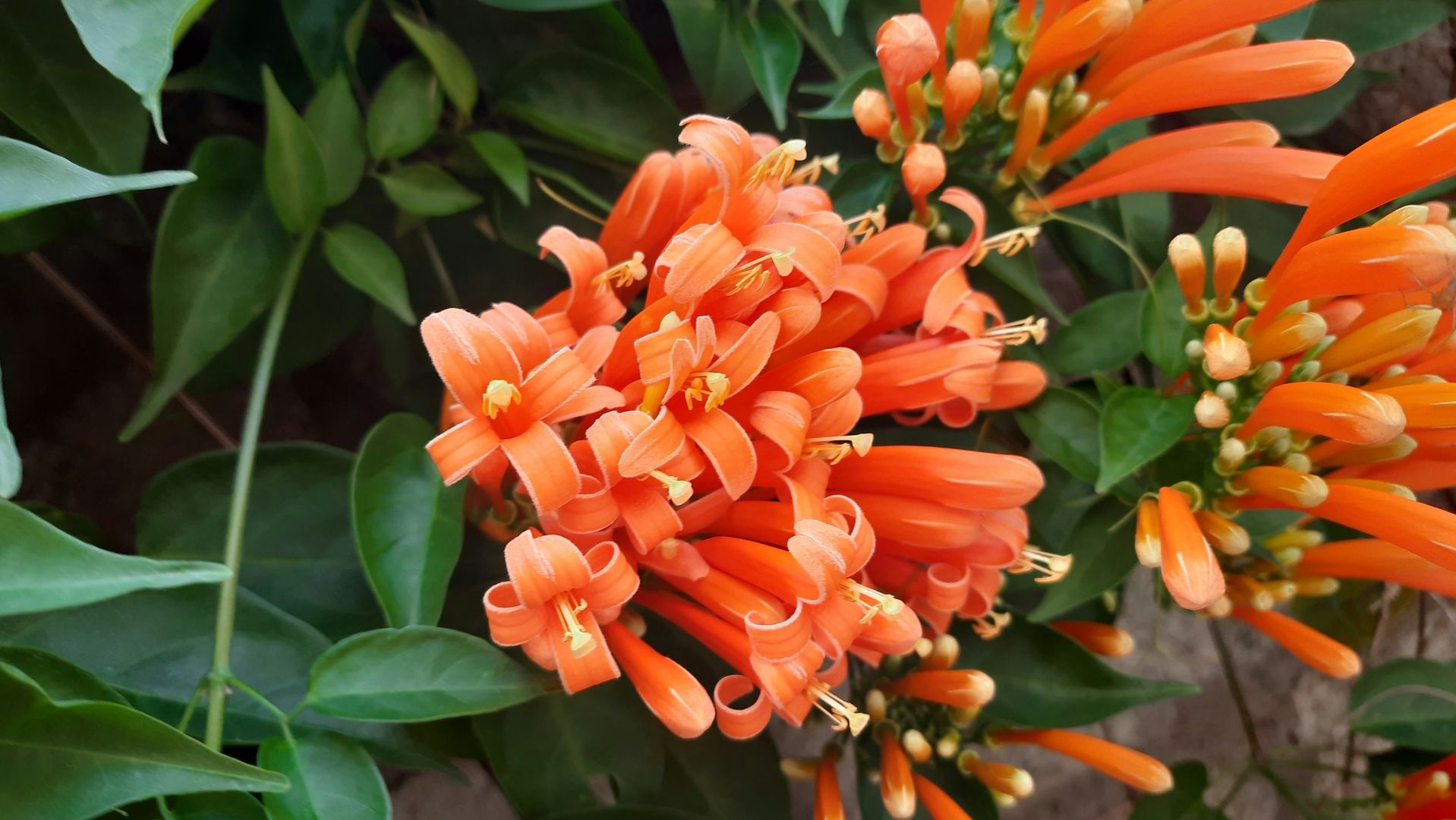
- Perennial
If you’re looking to channel a warm sunrise vine in your garden, this is the flower to use.
This plant is a crawling and climbing vine ideal for fences and trellis.
Be careful in smaller spaces as it can easily overtake your garden.
- Related: 5 Steps to Clean Hummingbird Feeders
5 Tips for Attracting Hummingbirds During Migration
1. Use Red Flowers
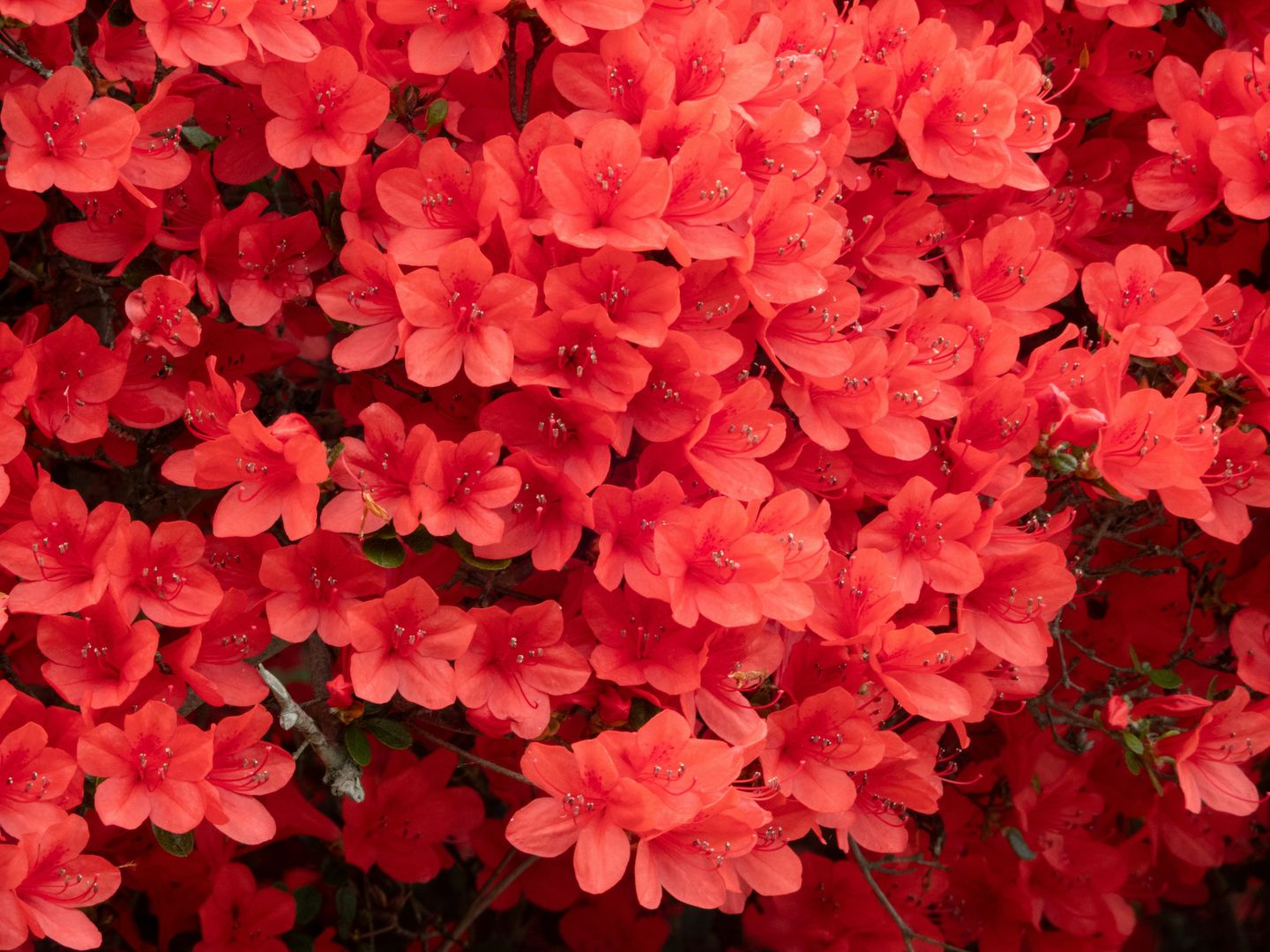
Hummingbirds are red sensitive.
They visit many colors but warm reds, yellows, and oranges increase the odds of them picking your flowers.
2. Avoid Invasive Plants
They can displace native vegetation.
- Butterfly Bush not prohibited but crowds out plants that support Rhode Island's butterfly population
- Foxglove because it displaces native flowers
Check with the Rhode Island Department of Environmental Conservation before planting.
3. Use Hummingbird Feeders
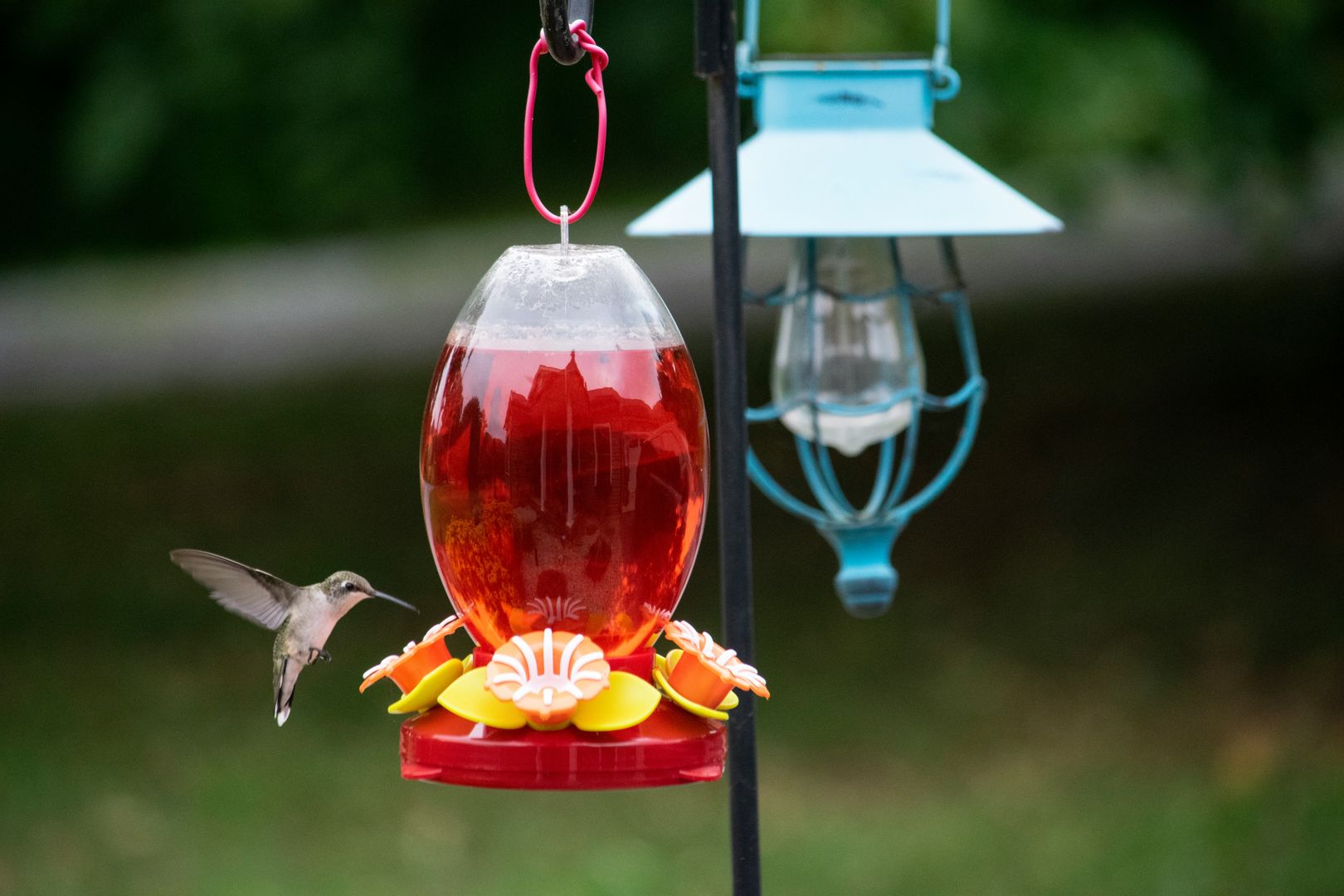
When in doubt put up a hummingbird nectar feeder.
Hummingbirds will come for your feeder but stay for the fresh flowers!
Check out our easy Homemade Nectar Recipe.
4. Group Plants Together
Grouping similar plants in clumps makes them easier for hummingbirds to spot.
Use companion planting to make sure your garden thrives!
5. Avoid Pesticides
Insecticides protect plants from destructive insects.
Many store bought pesticides can kill the insects hummingbirds eat and rely on for protein.
Opt for these eco-friendly insecticide alternatives:
What flowers do your hummingbirds like?
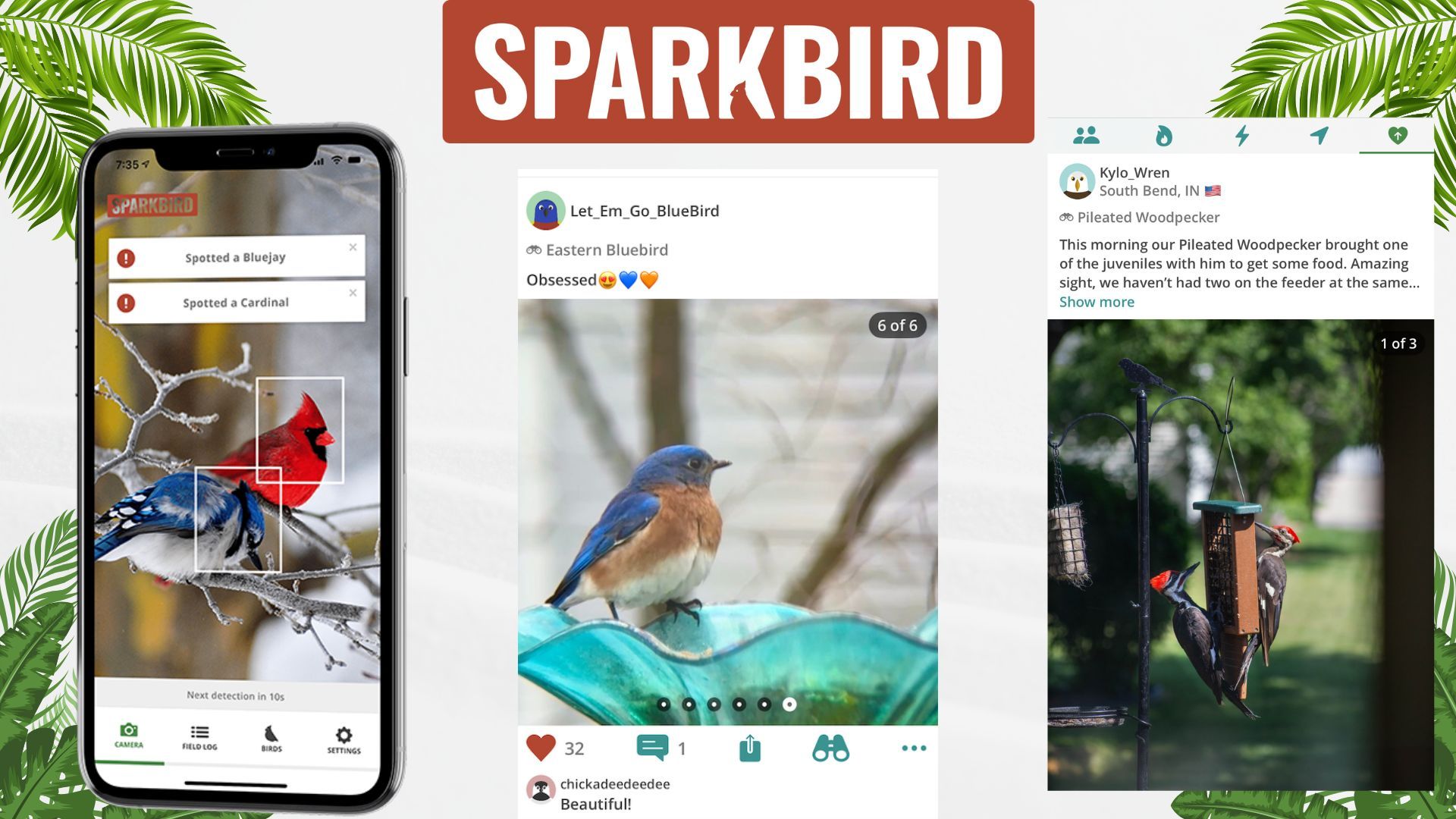
Share them on the Sparkbird App! Where like minded birders and nature enthusiasts go to share.
Available in the Apple App Store.

No comments yet.