
Attracting hummingbirds to your yard is easy!
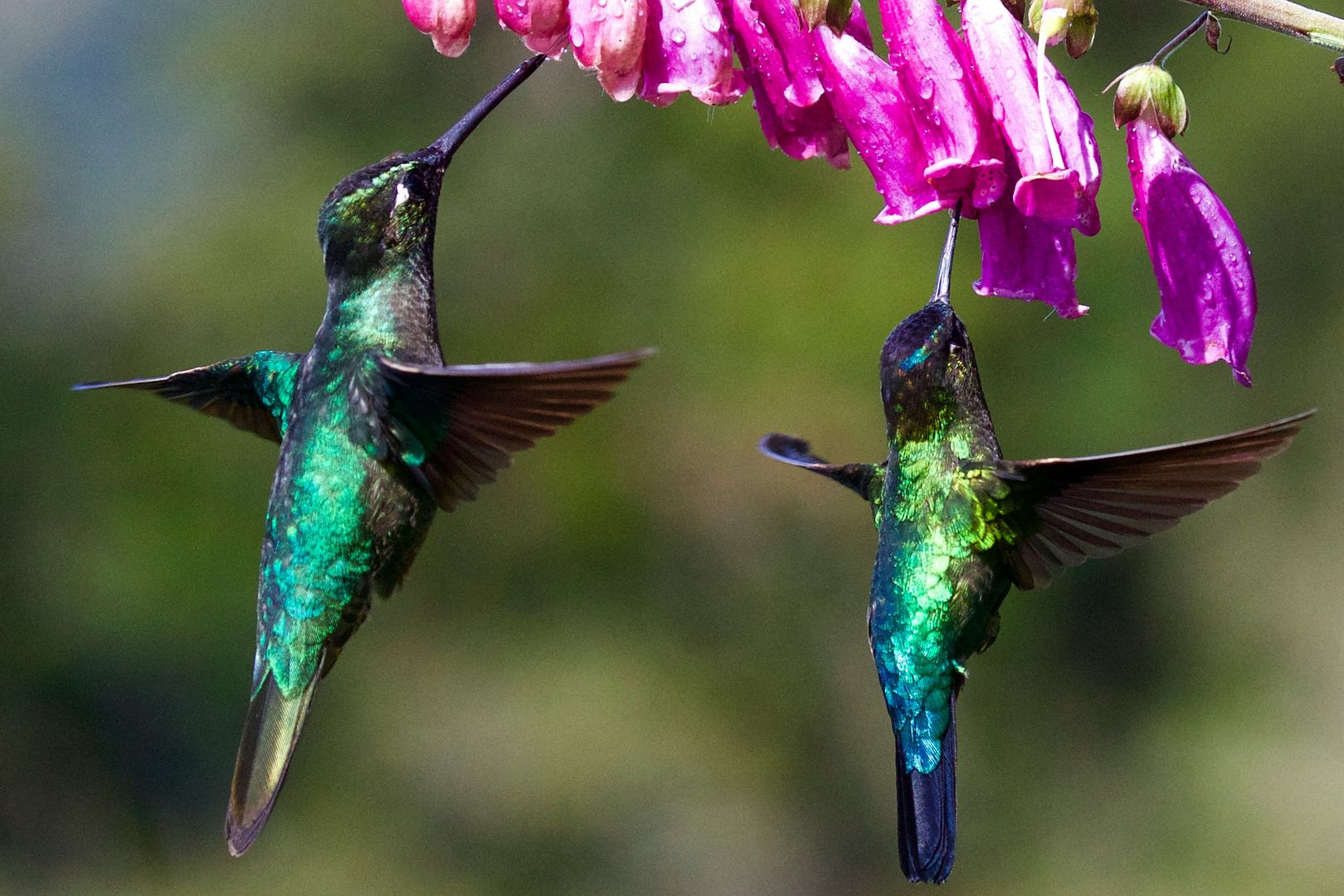
And nectar sources are your biggest advantage.
Most hummingbirds return to Alaska from their wintering grounds in early spring.
Make sure to use the top 8 flowers for natural hummingbird food.
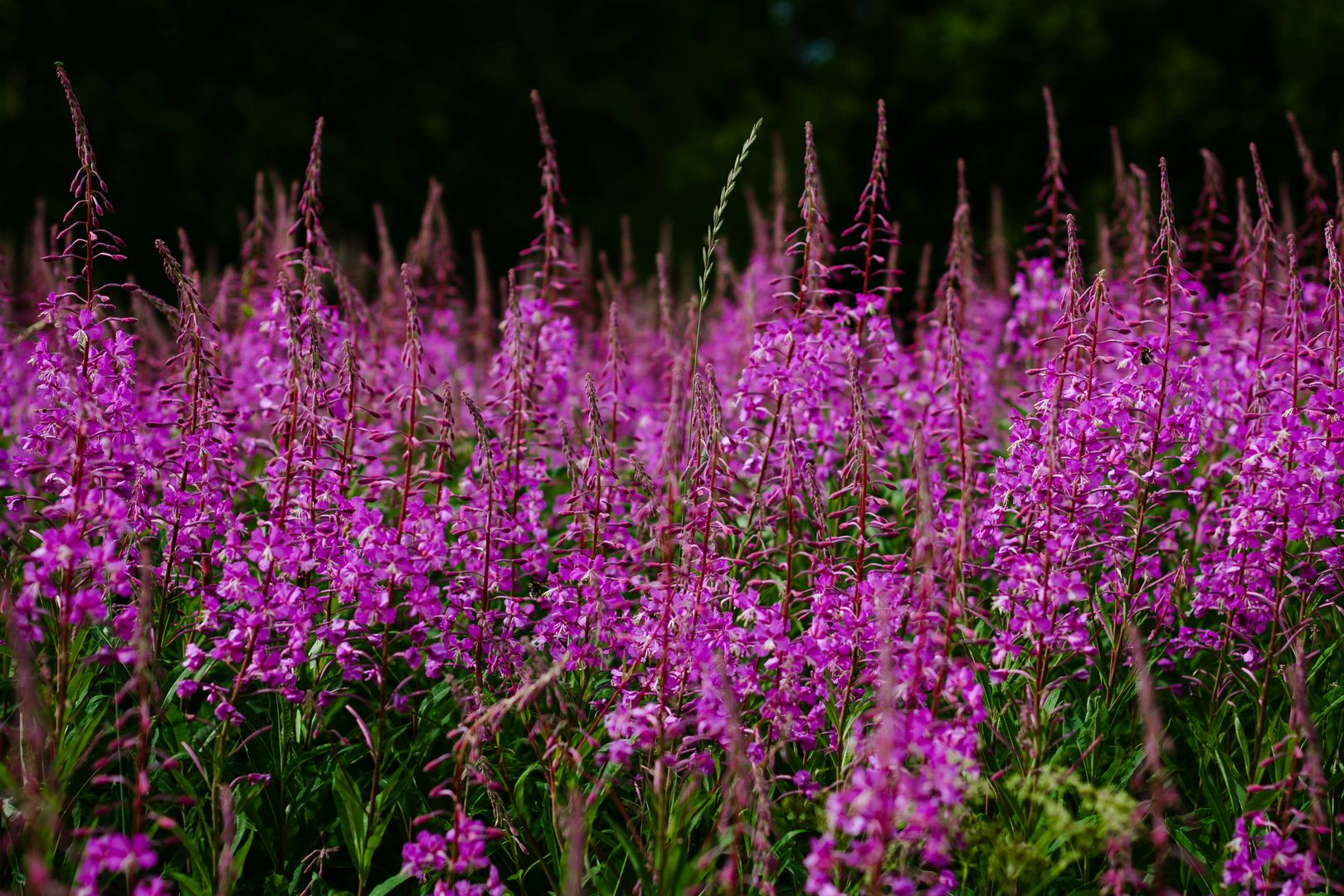
1. Fireweed (Chamaenerion angustifolium)
- Perennial
A dominant, bright pink nectar source blooming in mid-to-late summer.
Hummingbirds can see this tall cone shaped flowering plant from a distance making it ideal for hummingbird food.
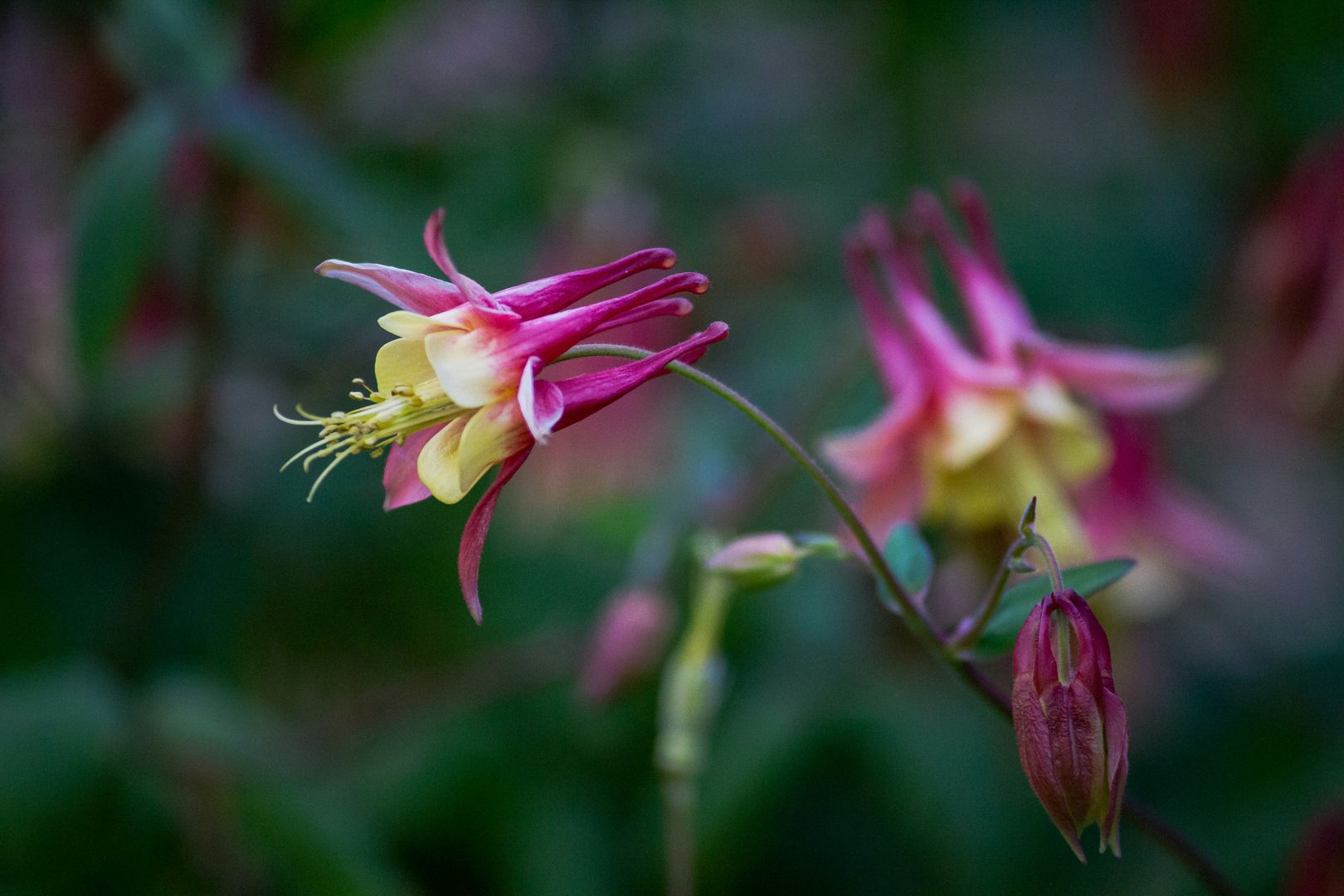
2. Western Columbine (Aquilegia formosa)
- Perennial
The red, yellow, and tube shape of Western Columbine make it a hummingbird favorite.
They bloom in early spring when hummingbirds return from their wintering grounds.
Columbine is one of the best flowers to plant in Alaska to attract hummingbirds.
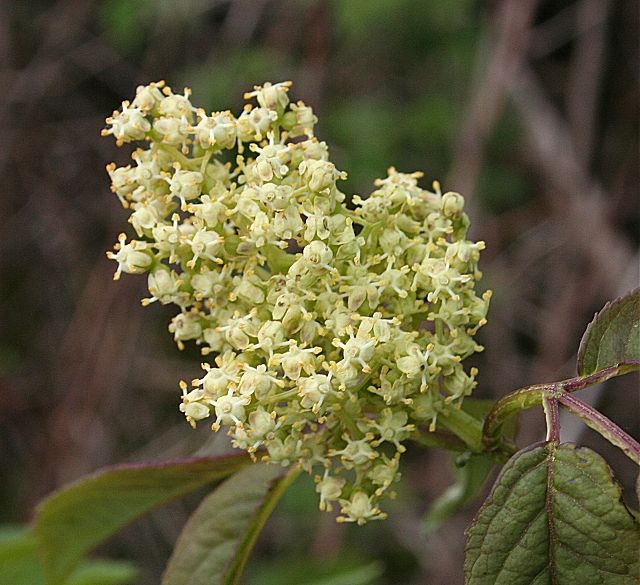
3. Red Elderberry (Sambucus racemosa)
- Perennial
Red Elderberry blooms in early to mid spring giving hummingbirds a reliable nectar source after migrating.
Elderberry shrubs are great nesting sites for other birds, too.
All around a win-win for pollinators and year round birds in Alaska.
4. Golden Currant (Ribes aureum)
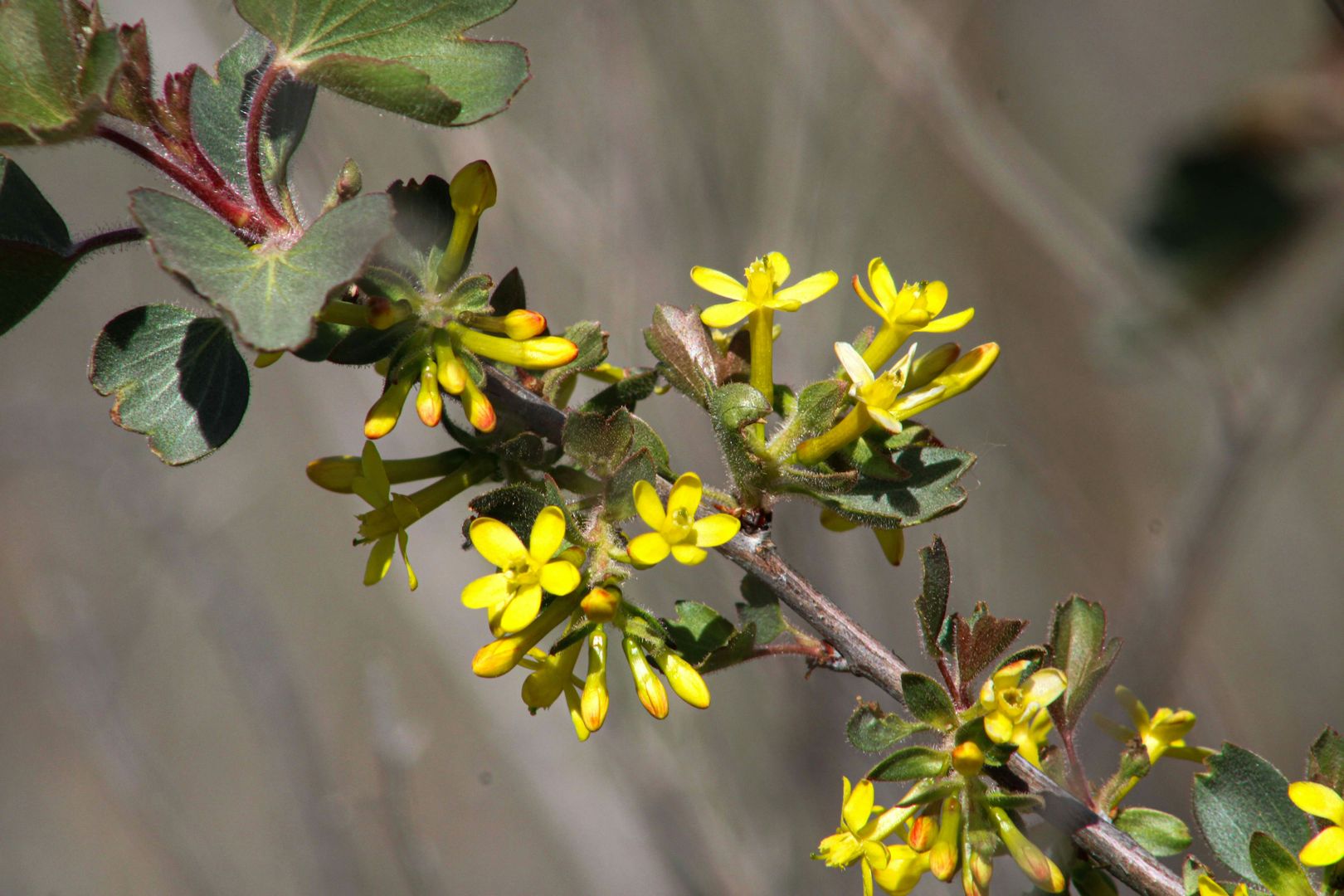
- Perennial
These early blooming, yellow shrubs offer essential early nectar making it a premier native plant for hummingbirds.
It blooms April-May in Alaska and has yellow trumpet shaped flowers.
This plant also doubles as a great nesting site for other birds.
5. Common Bearberry (Arctostaphylos uva-ursi)
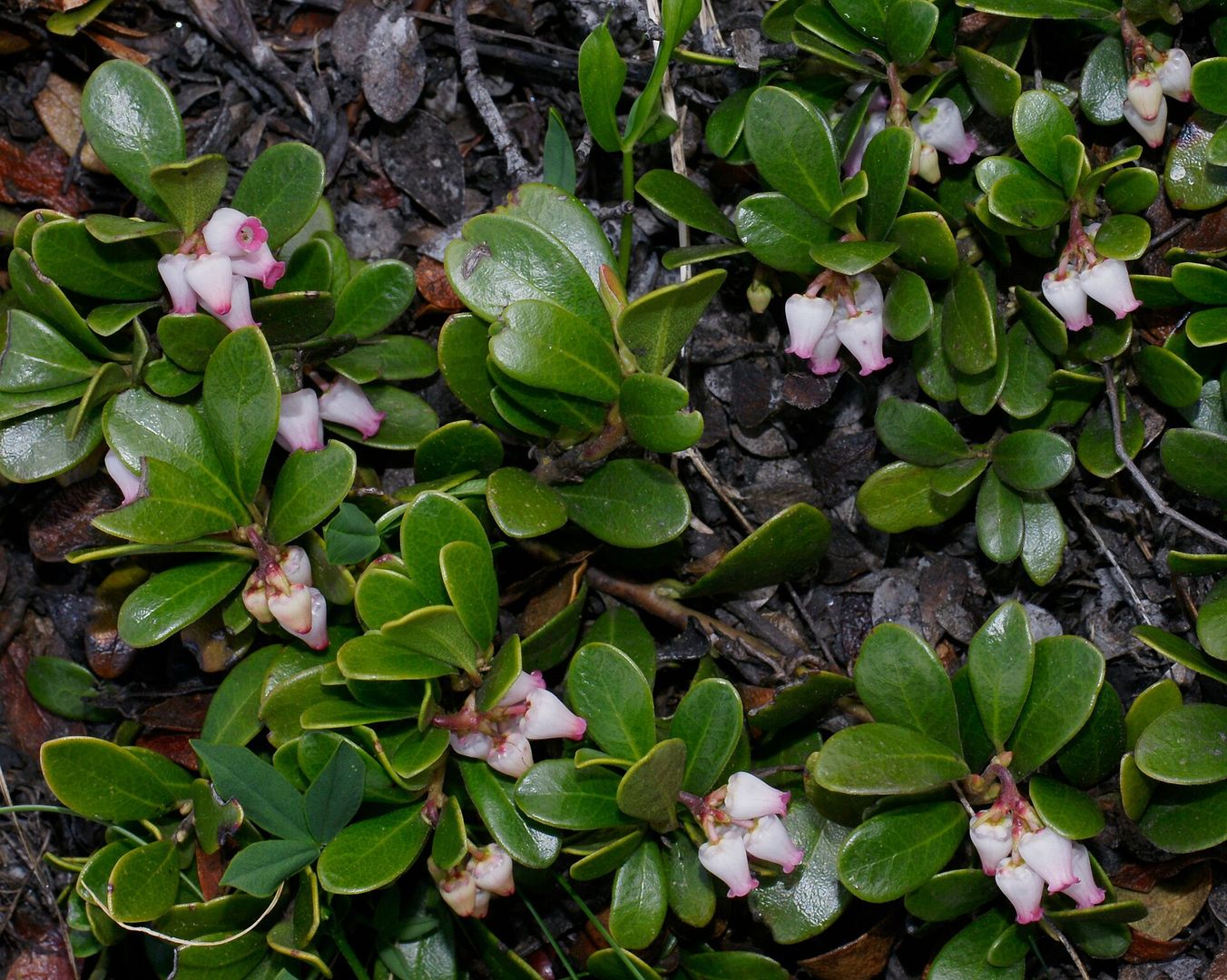
- Perennial
A low-lying groundcover with small, nectar-rich flowers.
Common Bearberry has small red berries that, you guessed it, bears and birds eat.
The small pink and white flowers are popular and nectar rich for hummingbirds.
6. Great Red Paintbrush (Castilleja miniata)
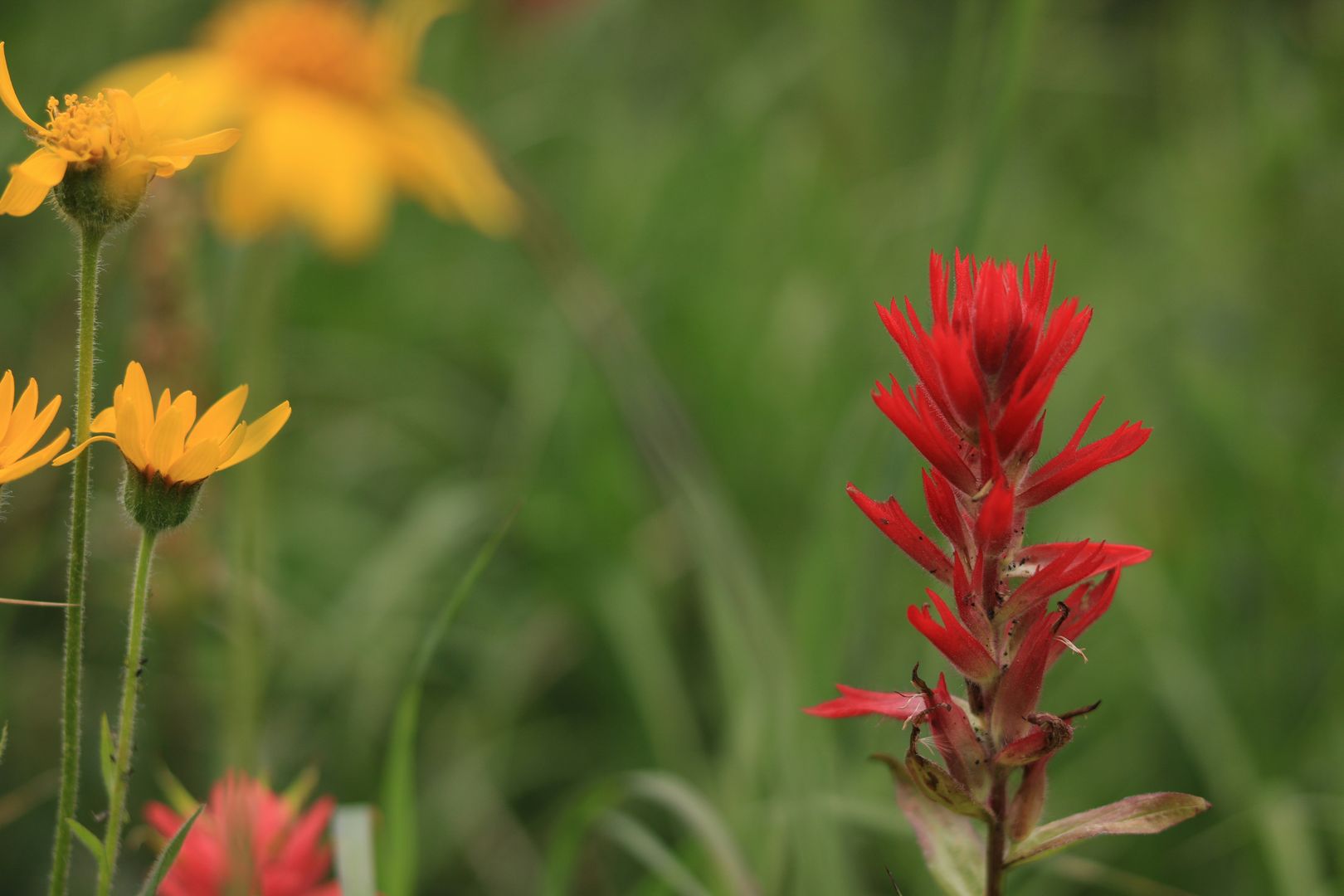
- Perennial
A vibrant red flowering plant with firework-like bracts that bloom from March to October.
Everything from the shape to the color makes it a hummer magnet!
It's a popular plant for pollinator gardens, too.
7. Harebell (Campanula rotundifolia)
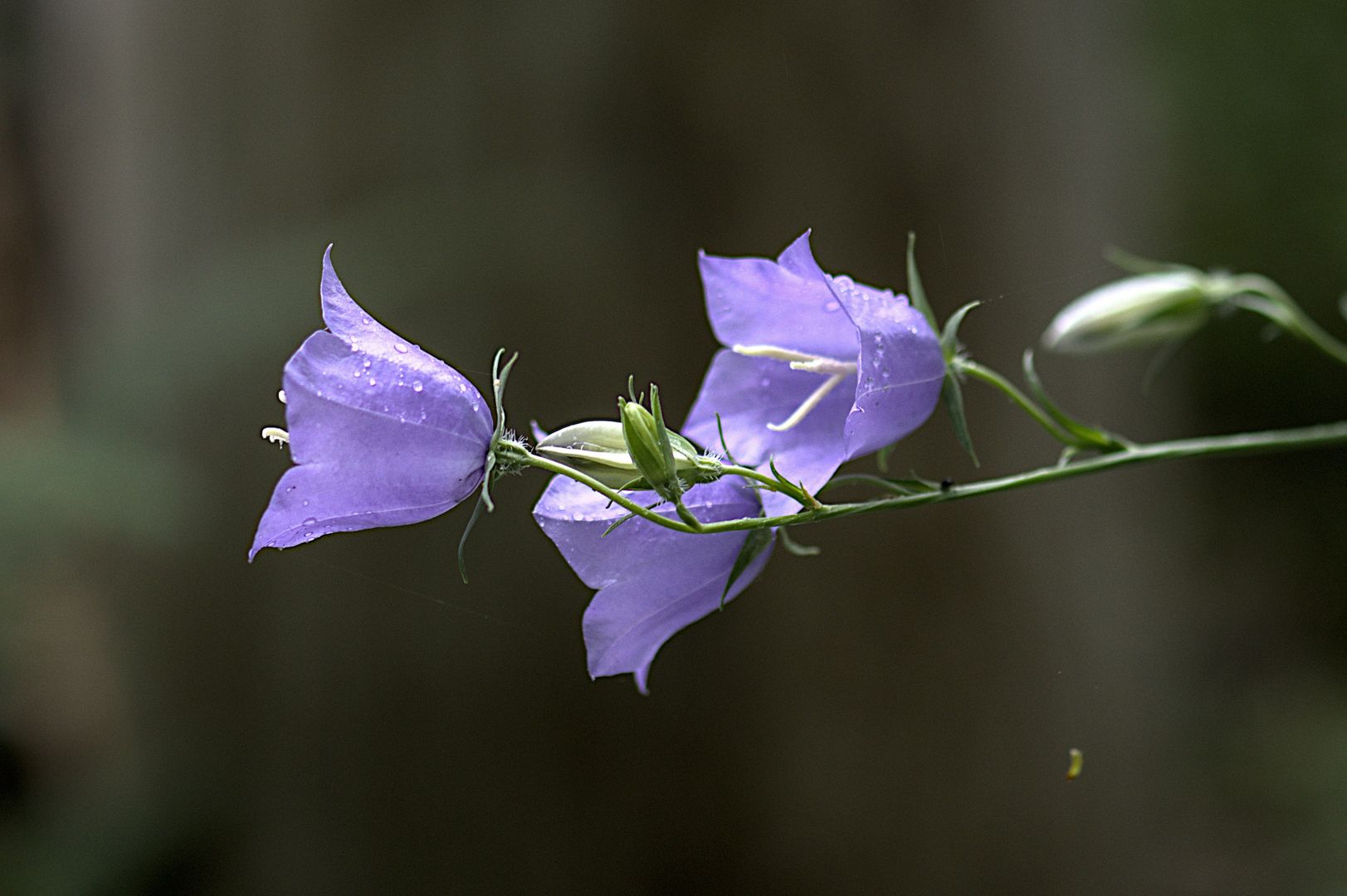
- Perennial
A native Alaskan perennial with delicate blue flowers. They bloom early summer to fall which is ideal for succession gardening.
The bloom time coincides with the peak presence of Rufous Hummingbirds.
This high-nectar flower is a must for any hummingbird garden in Alaska.
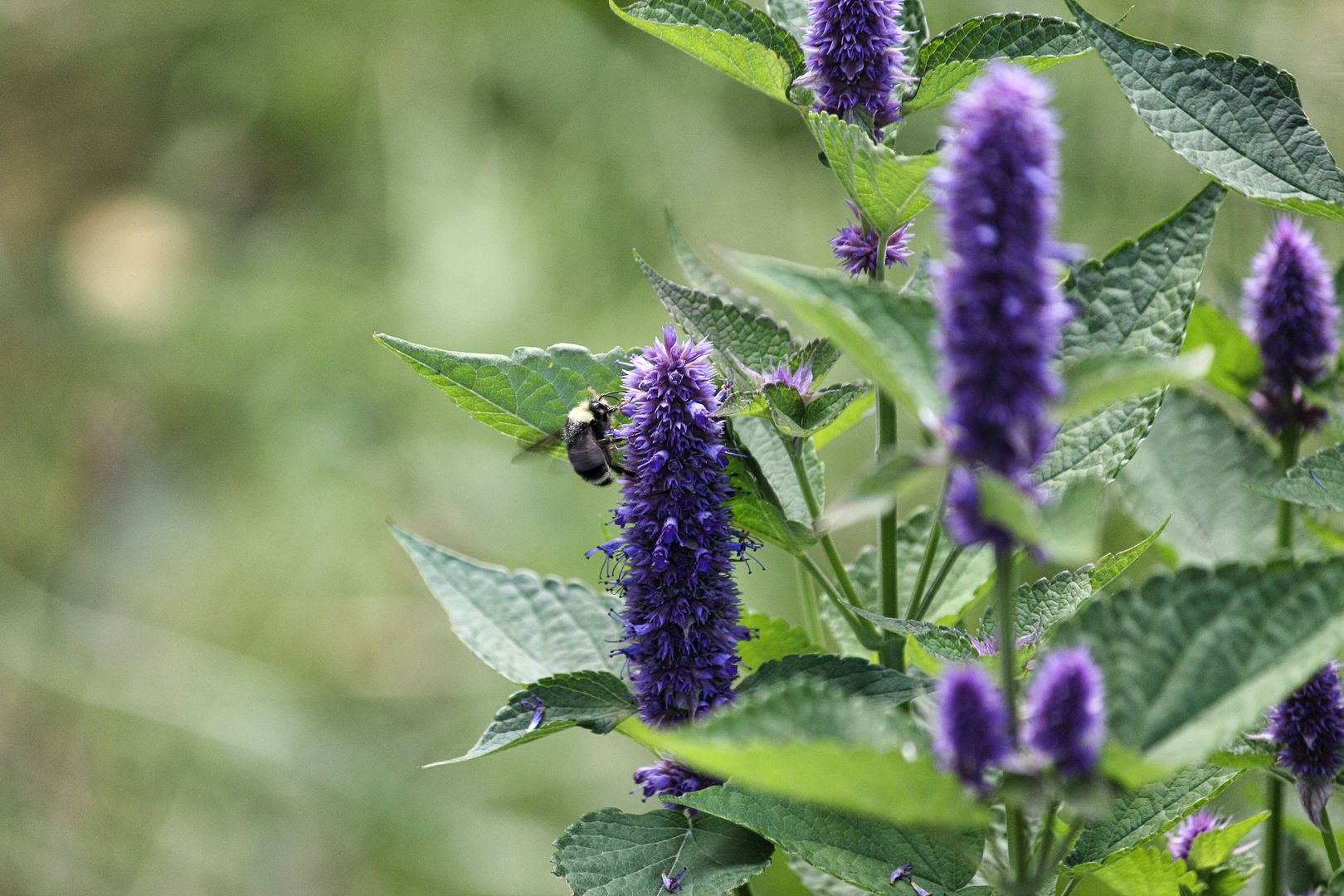
8. Anise Hyssop (Agastache foeniculum)
- Perennial
A hardy perennial resistant to cold makes it a suitable plant for hummingbirds in Alaskan gardens.
The fragrant lavender-blue flowers bloom from mid-summer to fall.
Pair this with some early blooming plants and hummingbirds will stick around until they migrate in Autumn.
5 Tips for Attracting Hummingbirds During Migration
1. Use Bird Baths
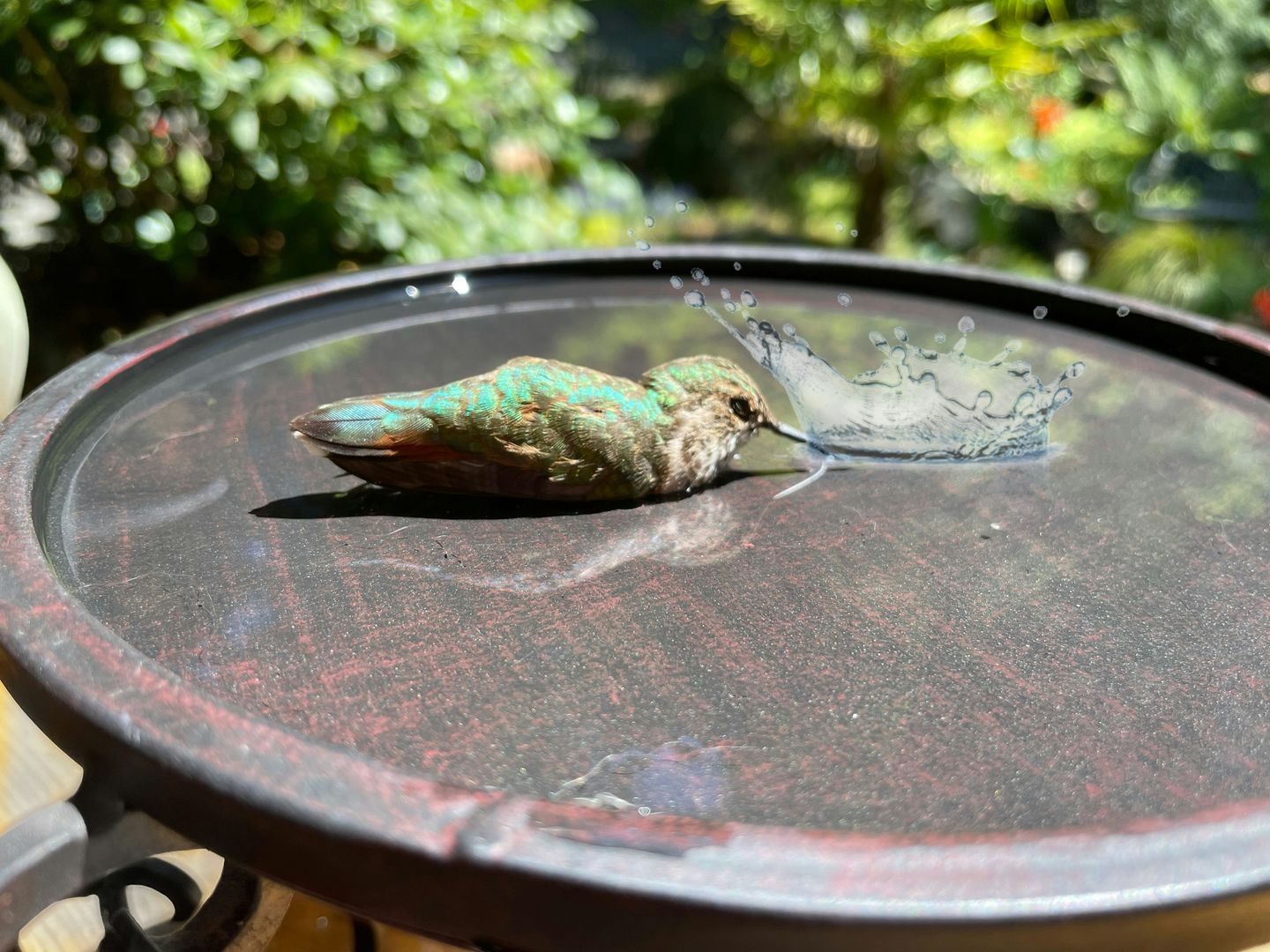
Every hummingbird needs water.
Whether it's for bathing, cooling down, or drinking, keep a fresh bird bath nearby.
2. Timing & Feeding
Hummingbirds migrate to Alaska in early spring. They’re dependent on 2 factors to survive the cold, early season
- early blooming plants
- hummingbird nectar feeders
Use a combination of both to increase your odds of attracting hummingbirds to your yard.
3. Use Red Flowers
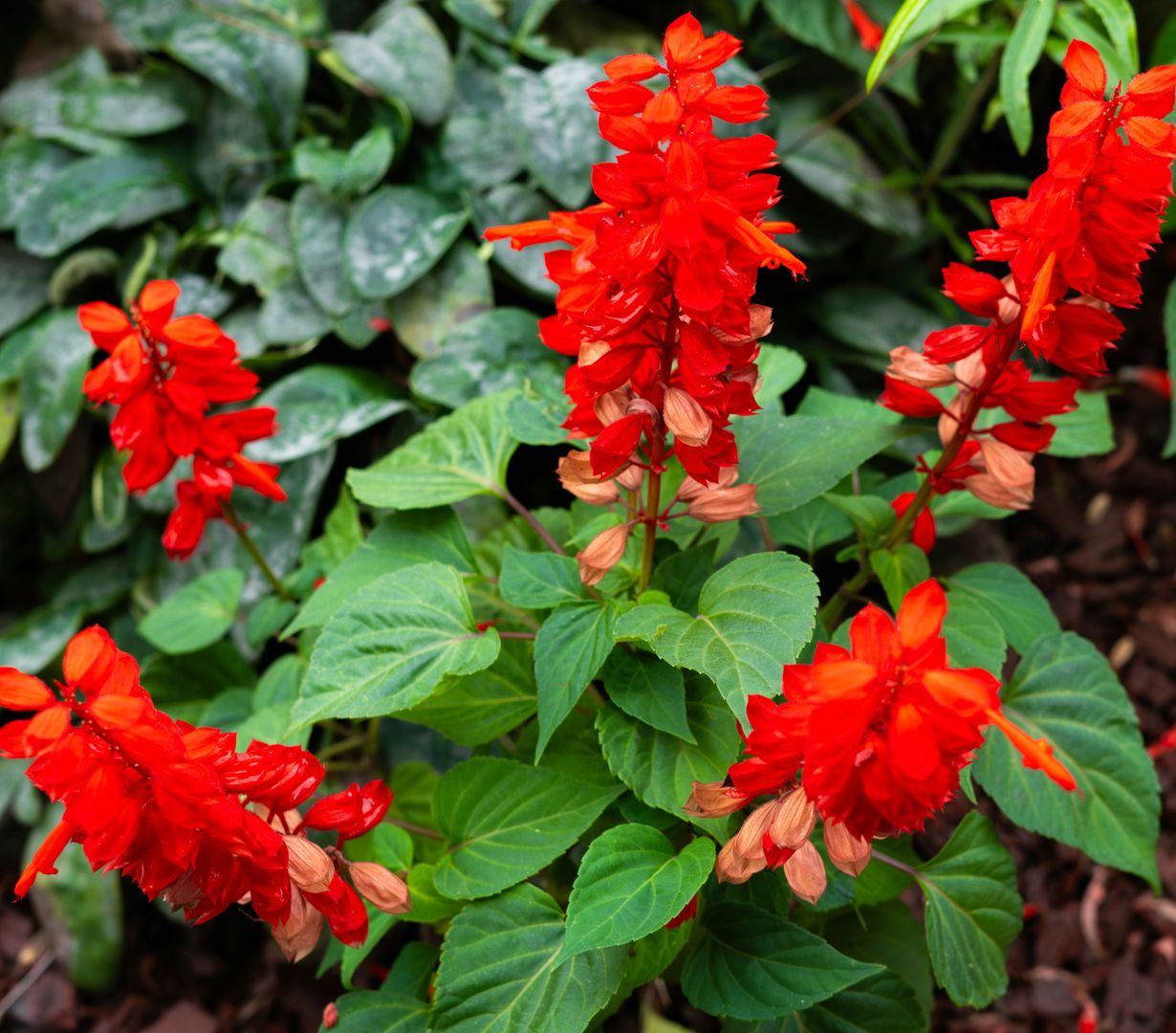
Red flowers are a beacon for hummers.
Hummingbirds have dense retinal cones that make them sensitive to red, orange, and yellow.
They can spot vibrant colors in green foliage easier than cool colors.
3. Succession Planting
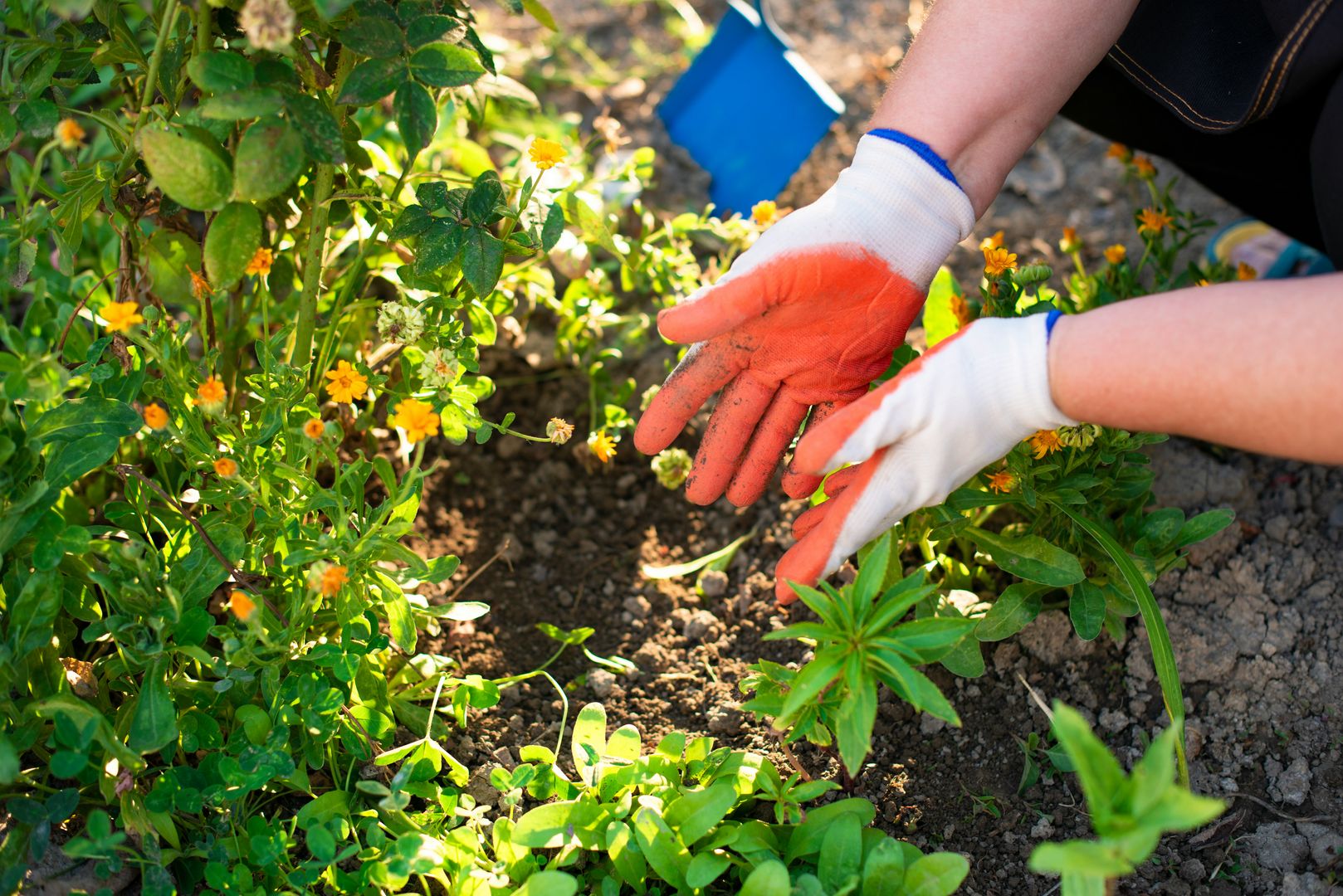
Choose a variety of plants that bloom at different times.
This provides continuous nectar supply from early spring to late fall.
Focus on native Alaskan flowers that bloom in early April.
Alaskan hummingbirds need the extra oomph to survive the cold thaw.
5. Avoid Pesticides
Pesticides can kill the insects that hummingbirds also feed on for protein.

No comments yet.