
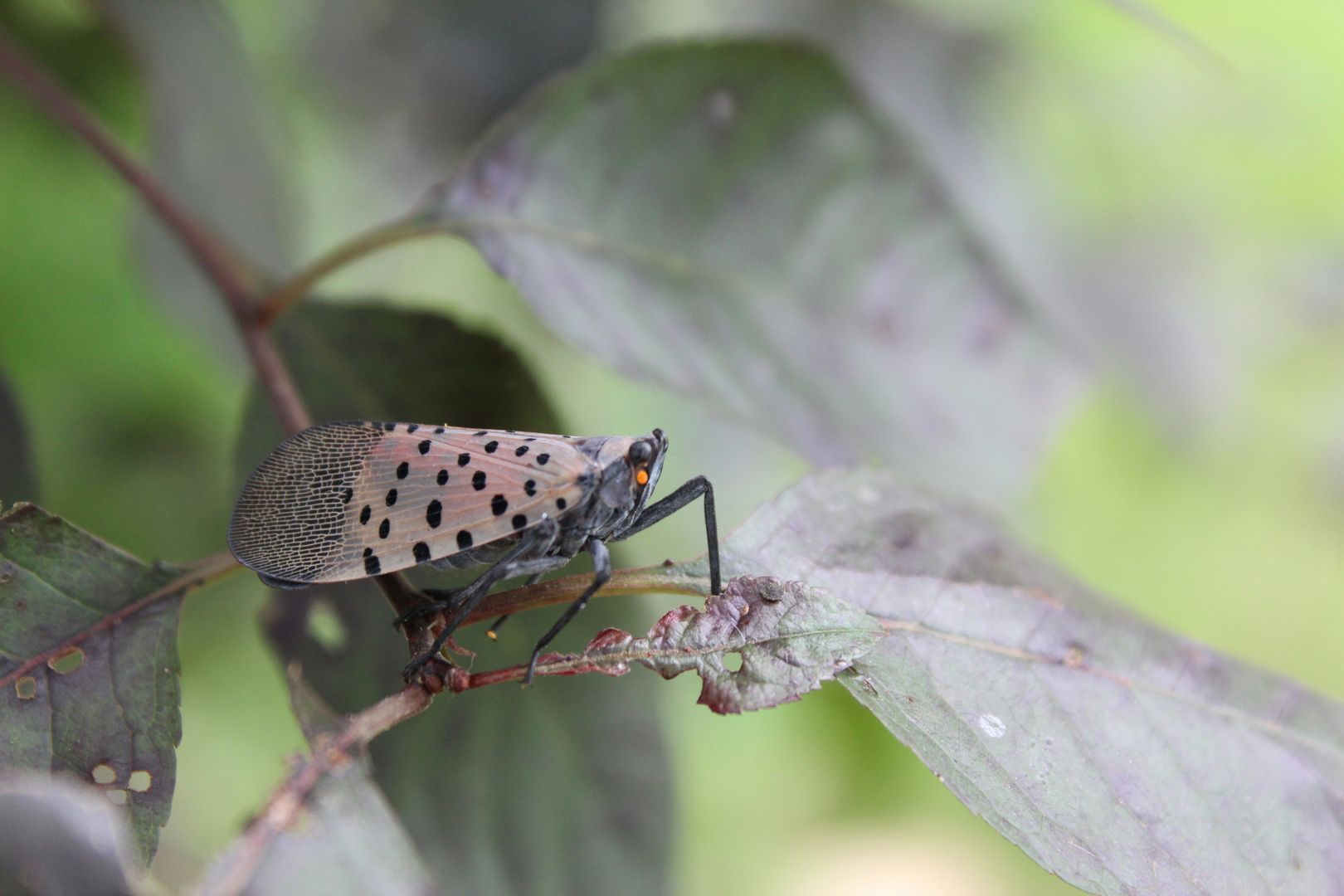
Every state handles spotted lanternfly reports a little differently: some have a dedicated online form, some run through a university extension program, and some just want an email or a call to the state department of agriculture.
Find your state below and report what you saw.
Alabama
- Alabama Department of Agriculture and Industries, Plant Protection Section
- Alabama Cooperative Extension System
Alaska
- Alaska Invasive Species Partnership — (1-877-INVASIV)
- Alaska Dept. of Fish & Game Invasive Species Reporter
Arizona
- Arizona Department of Agriculture, Plant Services Division — (602-542-3243)
Arkansas
- Arkansas Department of Agriculture, Plant Industries Division — (501-225-1598)
- University of Arkansas Cooperative Extension, AR Invasives
California
- California Dept. of Food and Agriculture, Report a Pest — (1-800-491-1899)
- UC ANR Invasive Spotted Lanternfly Reporting
Colorado
- Colorado Department of Agriculture, SLF Sighting Report Form — (303-869-9081)
- Colorado State University Extension
Connecticut
- Connecticut Agricultural Experiment Station, SLF Reporting Form
- CT Dept. of Energy and Environmental Protection, Forestry Division
Delaware
- Delaware Department of Agriculture, Plant Industries Section — note: Delaware no longer requests general public reports since spotted lanternfly is confirmed in all 3 counties; contact 302-698-4588 with questions
- University of Delaware Cooperative Extension
Florida
- Florida Dept. of Agriculture and Consumer Services, DPI Helpline — 1-888-397-1517
- FDACS Cooperative Agricultural Pest Survey
Georgia
- Georgia Department of Agriculture, SLF Online Reporting Tool
- Georgia Dept. of Agriculture SLF Page
Hawaii
- 643PEST.org (statewide invasive species hotline)
- Hawaii Department of Agriculture & Biosecurity
Idaho
- Idaho State Department of Agriculture, Invasive Species Program
Illinois
Indiana
- Purdue University Report Invasive Species (with Indiana DNR) — (1-866-663-9684)
- Indiana DNR Entomology
Iowa
- Iowa Department of Agriculture and Land Stewardship, Entomology and Plant Science Bureau — (515-725-1470)
- Iowa DNR
Kansas
- Kansas Department of Agriculture, Plant Protection & Weed Control
Kentucky
- Kentucky Office of the State Entomologist / UK Cooperative Extension — ReportAPest@uky.edu
- Kentucky Department of Agriculture
Louisiana
- Louisiana Department of Agriculture and Forestry, Horticulture and Quarantine — (225-952-8100)
Maine
- Maine Dept. of Agriculture, Conservation and Forestry, CAPS Program
- University of Maine Cooperative Extension
Maryland
- Maryland Department of Agriculture, SLF Reporting Tool — (410-841-5920) DontBug.MD@maryland.gov
- University of Maryland Extension
Massachusetts
- Massachusetts Introduced Pests Outreach Project, SLF Reporting Form
- Massachusetts Dept. of Agricultural Resources
Michigan
- Michigan Dept. of Agriculture and Rural Development, Eyes in the Field
- MDARD
Minnesota
- Minnesota Department of Agriculture, Report a Pest
Mississippi
- Mississippi Department of Agriculture and Commerce, Bureau of Plant Industry — (662-325-0878)PlantPest@mdac.ms.gov
Missouri
- Missouri Department of Agriculture, State Survey Coordinator — (573-751-9334) plantpest@mda.mo.gov
Montana
Nebraska
- Nebraska Department of Agriculture, Survey and Detection Program
Nevada
- Nevada Department of Agriculture, Division of Plant Health and Compliance
New Hampshire
- NHBugs.org Reporting Form
- NH Dept. of Agriculture, Markets & Food, Pest Alerts
New Jersey
- New Jersey Department of Agriculture, Division of Plant Industry — (1-833-BAD-BUG0)
- Rutgers Plant & Pest Advisory
New Mexico
New York
- New York State Department of Agriculture and Markets, SLF Report Form
- Cornell IPM / Cornell Cooperative Extension
North Carolina
- NC Dept. of Agriculture and Consumer Services, SLF Reporting Tool
- NC State Extension, Spotted Lanternfly Resource Page
North Dakota
- North Dakota Department of Agriculture, Plant Protection Specialist — (701-226-4321) sopatril@nd.gov
Ohio
- Ohio Department of Agriculture, Plant Pest Reporter — (614-728-6400) — note: Ohio issued a statewide spotted lanternfly quarantine in February 2026
- Ohio State University Extension (BYGL)
Oklahoma
- Oklahoma Department of Agriculture, Food and Forestry
Oregon
- Oregon Invasive Species Hotline
- Oregon Department of Agriculture — 503-986-4550
Pennsylvania
- Pennsylvania Department of Agriculture, SLF Public Reporting Tool — (1-888-4BAD-FLY)
- Penn State Extension
Rhode Island
- Rhode Island Dept. of Environmental Management, CAPS Program — (401-647-8254) dem.slf@dem.ri.gov
- University of Rhode Island Biocontrol Lab
South Carolina
South Dakota
- South Dakota Dept. of Agriculture and Natural Resources — DANRmail@state.sd.us
Tennessee
- Tennessee Department of Agriculture, Report a Pest
Texas
- Texas Invasives (Texas A&M, with Texas Dept. of Agriculture)
- Texas Department of Agriculture
Utah
- Utah Department of Agriculture and Food, Insect and Pest Program — (801-982-2311)
- Utah State University Extension
Vermont
- Vermont Invasives (with VT Agency of Agriculture, Food and Markets) — (802-828-1732)
Virginia
- Virginia Cooperative Extension (Virginia Tech) — insectidlab@vt.edu — note: Virginia's general invasive-species portal redirects spotted lanternfly reports here rather than accepting them directly
- Virginia Dept. of Agriculture and Consumer Services
Washington
West Virginia
- West Virginia Department of Agriculture, Bug Busters — (304-558-2212) bugbusters@wvda.us
Wisconsin
- Wisconsin Dept. of Agriculture, Trade and Consumer Protection, SLF Reporting Form
- UW–Madison Wisconsin First Detector Network
Wyoming
- Wyoming Department of Agriculture, Technical Services Division — (no dedicated form; contact directly)
- University of Wyoming Cooperative Agricultural Pest Survey
Sightings in the eastern half of the country are the most urgent to report, since that's where spotted lanternfly is actively spreading, but agriculture departments everywhere want to know about a new detection outside the known range.
If you're not sure whether what you found is actually a spotted lanternfly, our complete spotted lanternfly guide covers what to look for at every life stage.
Spotted Lanternfly Resources
Reporting is great but it's best to have a hands-on approach for managing spotted lanterflies in your yard and community. Here is everything you need to know about lanternflies from identification to removal.
- Spotted Lanternflies: The Complete Guide for Birders and Backyard Gardeners
- 9 Ways to Get Rid of Spotted Lanternflies: The Complete Control Guide
- Are Spotted Lanternflies Dangerous to Humans? Bites, Stings, and Myths
- Which Birds Eat Spotted Lanternflies? (And How to Attract Them)
What are you tips for spotted lanterflies?
Share them in the comments and the Sparkbird community Nothing beats local knowledge when it comes to backyard birding.

No comments yet.