
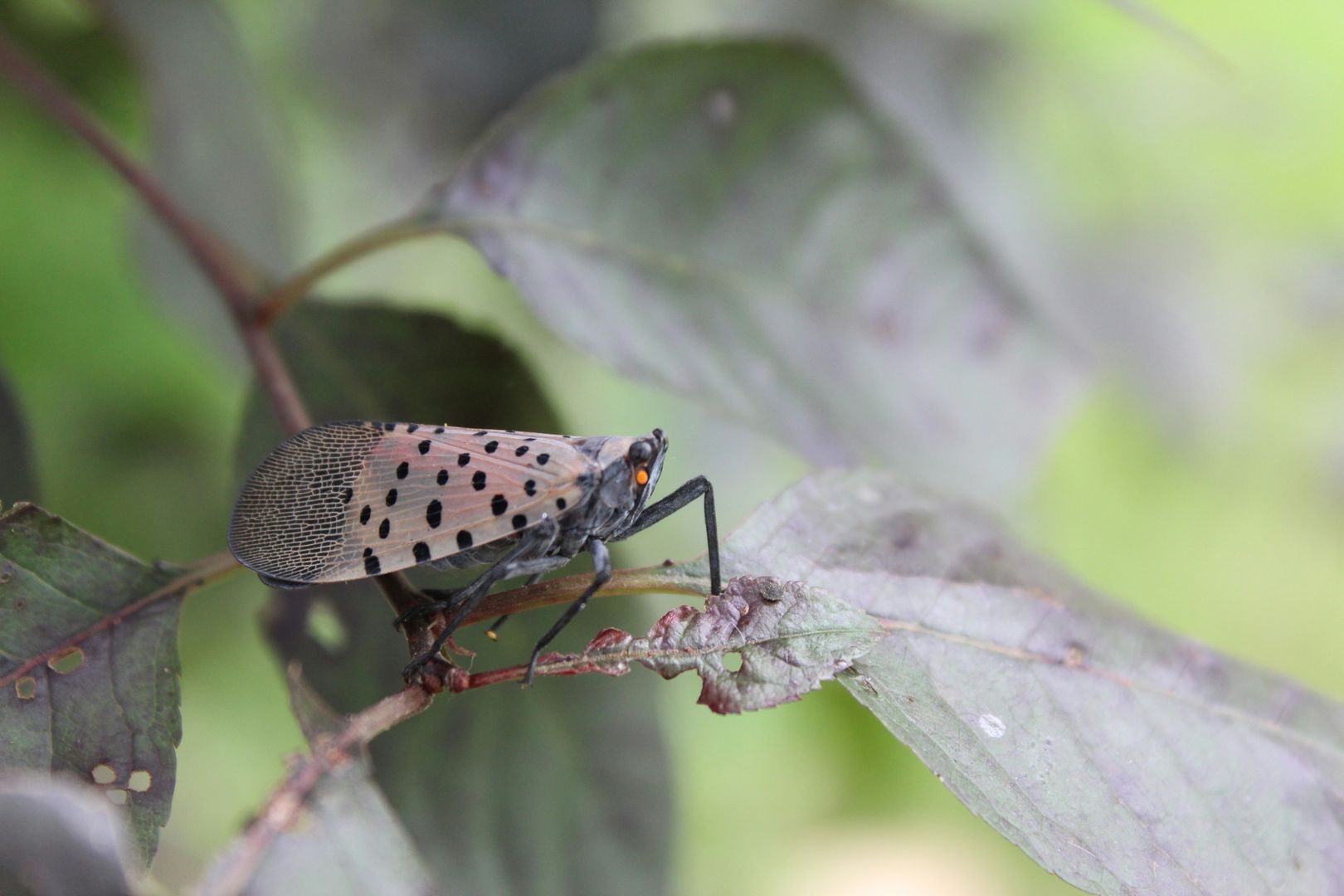
Let's address the elephant in the room, or in this case, the polka-dotted moth-looking thing on your porch.
It can't hurt you, and it definitely cannot smell fear (it doesn't have a nose). Whether you spell it lantern fly or lanternfly, the underlying question stays the same.
Are spotted lanternflies dangerous?
Not in the way you think.
Why People Think Spotted Lanternflies Are Dangerous
Every invasive species gets a reputation, and spotted lanternflies (Lycorma delicatula, if you want to sound smart at a barbecue) earned theirs honestly.
They show up in the thousands, they're clumsy fliers who bounce off your face and they leave a sticky mess wherever they land. Add a few "lantern fly bite" headlines from pest control companies with something to sell, and suddenly a plant-sucking insect sounds like it belongs in a horror movie instead of your backyard.
The bug is annoying to people but not dangerous. Type "are spotted lanternfly dangerous" into any search bar and you'll get a wall of pest control ads before you get an actual answer which tells you something about who's writing most of this content.
Lanternflies Are NOT Dangerous to Humans
Spotted lanternflies are planthoppers, which puts them in the same general category as aphids and cicadas rather than anything with a stinger or a venom gland. Their mouthpart is called a proboscis, a needle-like straw that pierces plant tissue to reach sap, and it simply isn't shaped, sized, or positioned to puncture human or animal skin. The Poison Control National Capital Poison Center states plainly that spotted lanternflies are not known to be toxic to humans and pose minimal health risk on contact.
So are spotted lanternflies dangerous in the way a wasp or a tick is? No.
Are lanternflies dangerous to touch, pick up, or have land on your arm? Also no. You can handle one bare-handed (not that I'm recommending you make a habit of it, more on that below) without needing a first aid kit afterward.
Do Lanternflies Bite? What That "Poke" Feeling Is
Some people report a pinching or poking sensation when a lanternfly lands on skin, and that sensation is real, it's just not a bite in any meaningful sense. It's the insect's proboscis doing an exploratory probe, essentially patting down the surface to check whether it's found a plant worth tapping into.
A proboscis is a long tubelike nose or mouth that bugs use to drink nectar or blood. Think of butterflies, moths, and mosquitoes.
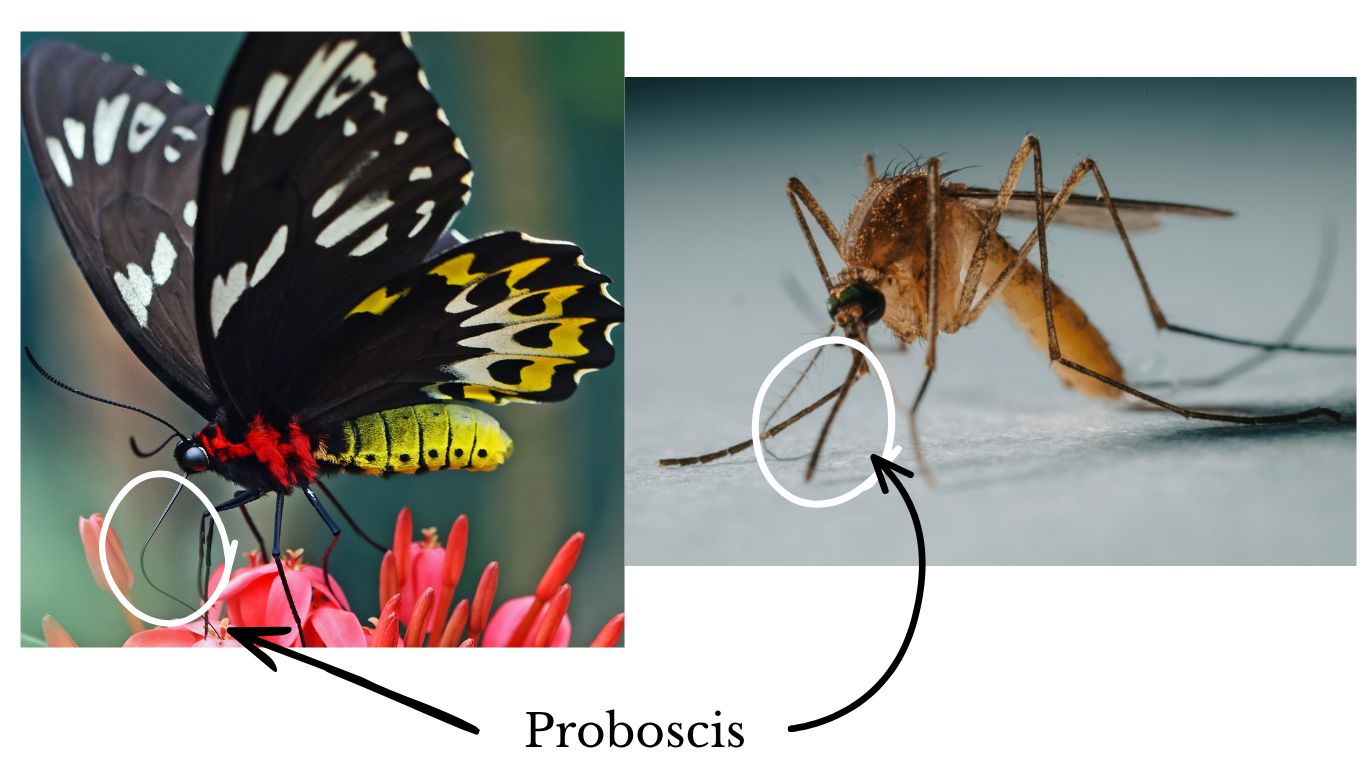
Since human skin isn't sap, the insect gets nothing.
Compare that to an actual bite from a mosquito, which is engineered to break skin and draw blood, and the difference is obvious once you know what you're feeling for. A lantern fly "bite" isn't a bite at all, just a case of mistaken identity.
What About Poison? Are Spotted Lanternflies Poisonous?
Not to touch, and not in any way that should keep you up at night. There's no documented toxin in their poke (because there is no bite) and no skin reaction from contact reported by extension entomologists.
The one asterisk worth knowing is that spotted lanternflies feed heavily on Tree of Heaven.

The Tree of Heaven contains compounds called quassinoids, and some researchers believe the insects may sequester trace amounts of those compounds in their bodies as a defense against predators.
That's a fascinating footnote for a future trivia night, not a reason to avoid your own backyard.
If a child or a very determined toddler managed to actually eat one, which would be a strange afternoon for everyone involved, the Poison Control Center says the worst-case symptoms are mild and self-limiting: nausea, an upset stomach, maybe a lost appetite for an hour. No hospital visit required, no antidote needed, just a stern conversation about what counts as a snack.
Are Spotted Lanternflies Dangerous to Dogs and Cats?
Spotted lanternflies aren't toxic to dogs or cats, and one curious nibble isn't cause for a vet visit. What vets do say is a problem is eating a large quantity. I.e. the kind of buffet a heavy infestation might make.
Binging on lanternflies an cause temporary drooling, vomiting, diarrhea, or appetite loss, per guidance from Cornell Cooperative Extension. It resolves on its own, but it's still worth discouraging Fido's new hobby.
The bigger pet risk, honestly, has nothing to do with the bug itself. It's homeowners reaching for random pesticides or "home remedies" to kill lanternflies fast, some of which are genuinely hazardous. Penn State Extension has gone as far as to publicly warn against DIY home remedies for spotted lanternfly control.
Ingredients like boric acid can be toxic to humans and pets
Be wary of quick-fix remedies and sprays, especially if mixed and applied without label guidance.
The Honeydew Problem: Annoying, Not Hazardous
If spotted lanternflies have one legitimate nuisance factor worth taking seriously, it's what comes out the other end of them.
As they feed, they excrete a sticky, sugary substance called honeydew, and heavy infestations can coat decks, patios, cars, and sidewalks in a thin glossy film. That film attracts wasps, bees, and ants looking for an easy sugar hit. Not great for your bare feet on the deck.
Honeydew creates the perfect surface for sooty mold, a.k.a. black fungus.
It grows on the honeydew itself rather than on your plants.
Sooty mold isn't typically dangerous, but it's not nothing either. Heavy mold growth can be a genuine irritant for people with mold sensitivities or respiratory conditions, and a honeydew-slicked deck step is a real slip hazard, not a metaphorical one.
It's also documented to smother groundcover plants growing beneath heavily infested trees, according to Penn State Extension's spotted lanternfly FAQ. None of that is "dangerous" in the bite-or-poison sense of the word, but it is a legitimate reason to hose down your patio more often than usual in late summer.
Why Lanternflies are Bad
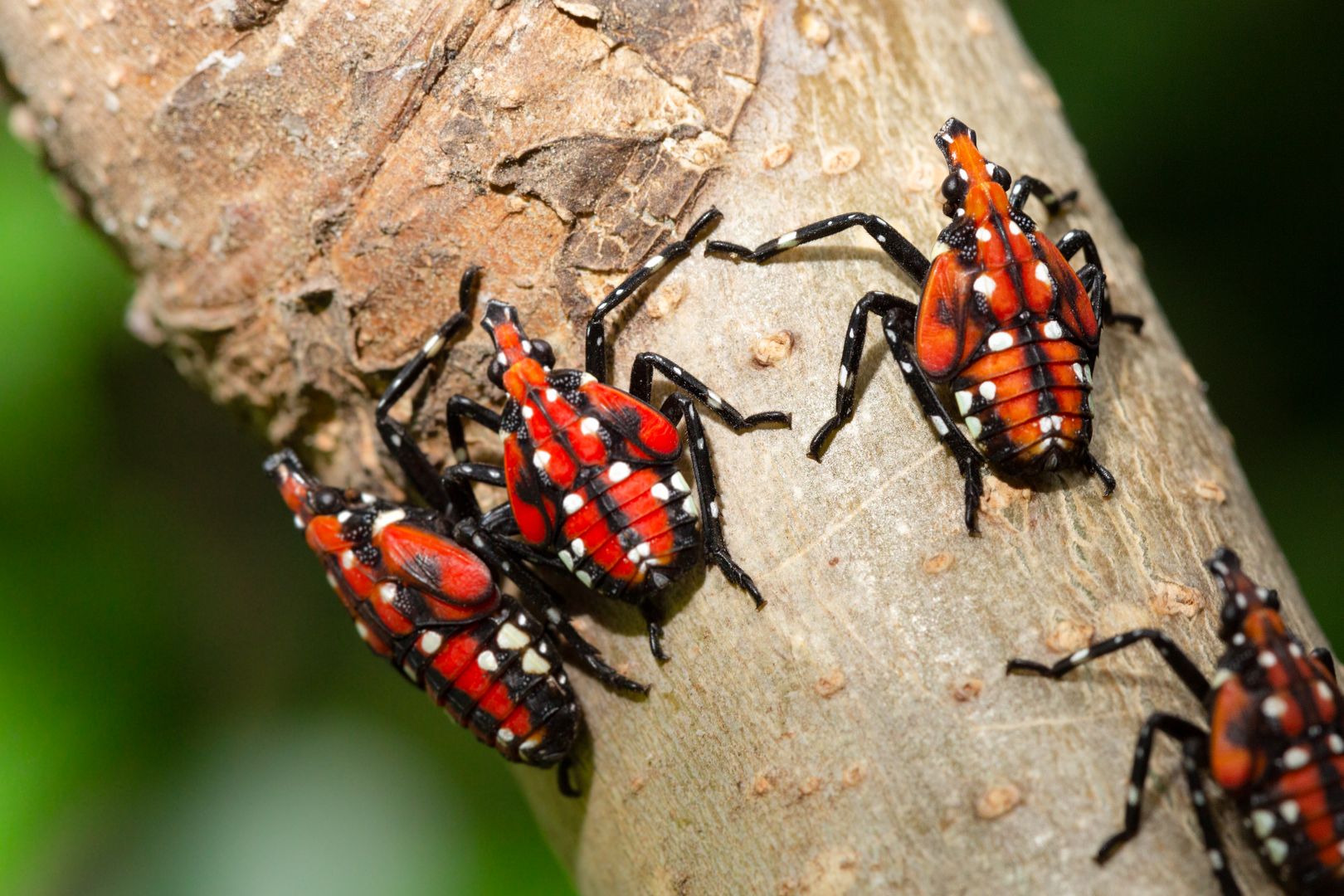
Spotted lanternflies pose agricultural and ecological dangers.
A 2020 Penn State economic analysis estimated that an unchecked spotted lanternfly population could cost Pennsylvania's economy roughly $324 million per year, largely through damage to grapevines, orchards, hops, and hardwood timber.
Here's my one soapbox moment for this post, promised, and then I'll get off it: a lot of "is this dangerous" content about lanternflies is written to scare you into buying something, whether that's an extermination contract, a specialty trap, or a spray with a menacing name, rather than to actually inform you.
Knowing the real risk means you can respond proportionately instead of reaching for the nuclear option.
Speaking of the ecosystem, the good news is that spotted lanternflies aren't dangerous to your backyard birds either, and quite a few species have started treating them as an unexpected snack bar. If you want to lean into that natural pest control instead of a spray bottle, it's worth reading up on which birds eat spotted lanternflies and how to attract them to your yard.
How to Combat Lanternflies
None of this is an argument for ignoring lanternflies entirely, to be clear. They're still an invasive species doing real harm to trees, vineyards, and local ecosystems, and squashing one on sight remains genuinely good practice (yes, really, entomologists endorse the "stomp first, ask questions never" method).
Appearance and behavior shifts across the year, since a lanternfly's threat to plants and its visibility change dramatically from egg mass to adult.
Our breakdown of the spotted lanternfly life cycle from egg to adult walks through exactly what to look for at each stage.
If you're dealing with a genuine infestation rather than the occasional visitor, skip the pepper spray and dish soap concoctions circulating online and go with methods that are actually proven to work. The complete guide to getting rid of spotted lanternflies covers the control methods that are worth your time, and just as importantly, when a full-service exterminator is overkill for what's sitting on your maple tree.

No comments yet.