
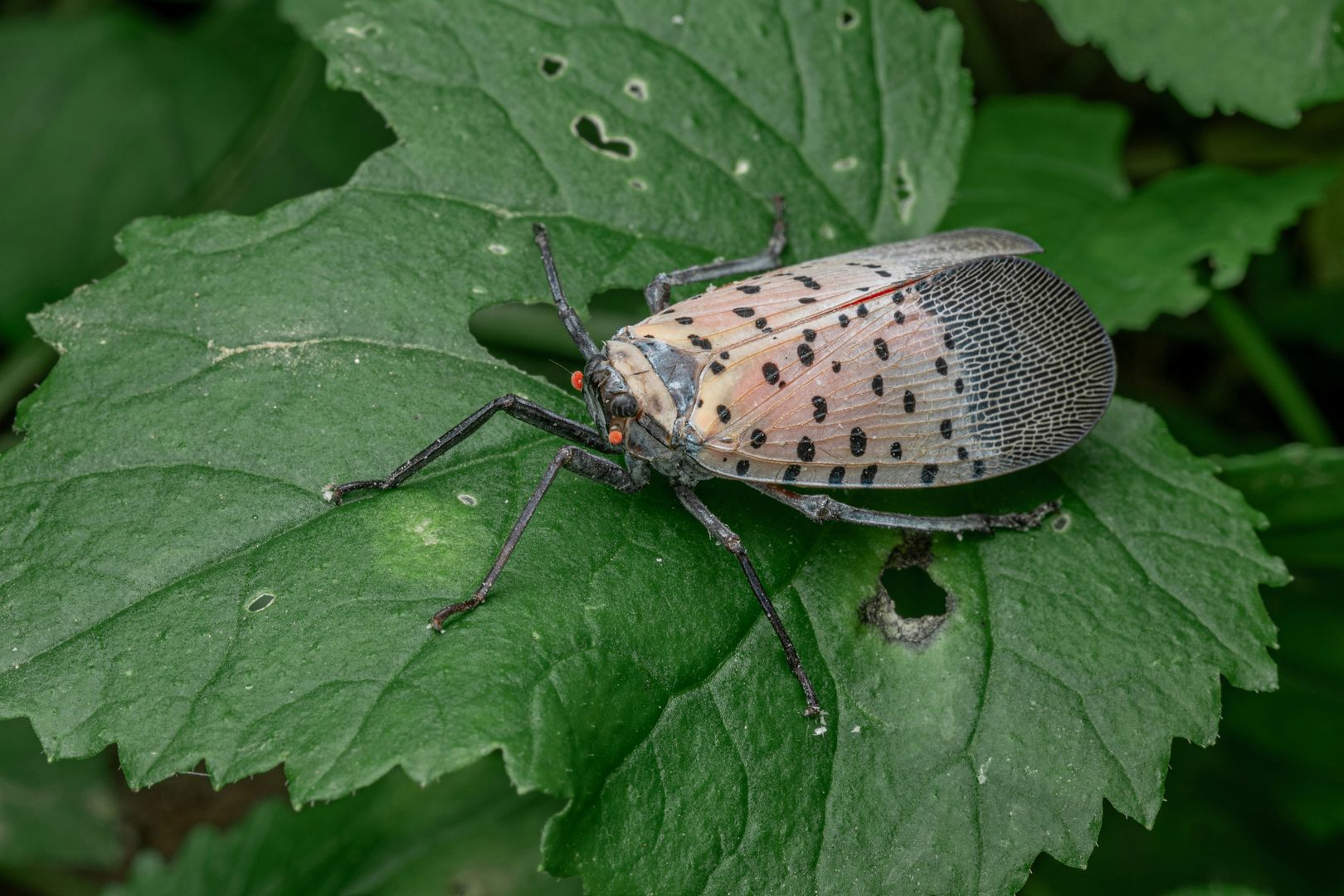
Spotted lanternflies have been crashing the party since 2014, and unlike most uninvited guests, this one showed up with no enemies.
The good news is a handful of backyard birds have started treating them like hors d'oeuvres. The bad news is most of the flock still politely declines the appetizer tray.
Do Birds Eat Spotted Lanternflies? What the Research Shows
Spotted lanternfly is a planthopper native to China and Southeast Asia, first confirmed in the U.S. in Berks County, Pennsylvania, in 2014, likely via imported stone. It has since spread across much of the eastern U.S., from Ohio to New England.
Most native species still treat spotted lanternflies the way I treat a food truck with no line: suspicious and probably a pass. On paper, this bug should be an easy meal.
So why isn't every backyard bird treating it like an all-you-can-eat buffet?
Penn State researchers ran a 2020 citizen-science project called "Birds Biting Bad Bugs," asking Pennsylvania and New Jersey residents to photograph any animal caught eating a lanternfly. Of nearly 660 submissions, chickens topped the list, followed by northern cardinals, gray catbirds, blue jays, and tufted titmice, each with multiple credible sightings. The Audubon has since reported similar observations, adding red-bellied woodpeckers to the list.
Two theories explain the hesitance. First, lanternflies didn't exist in North American food webs before 2014, so birds haven't had generations to learn they're safe to eat, and birds mostly learn diet through trial and observation.
Second, and more interesting, lanternflies feed heavily on tree-of-heaven (Ailanthus altissima), which itself is invasive and produces bitter compounds, making the insects themselves taste unpleasant or mildly toxic. One Penn State researcher suggests birds may stomach lanterflies with the removal of tree-of-heaven
Natural Predators of Spotted Lanternflies
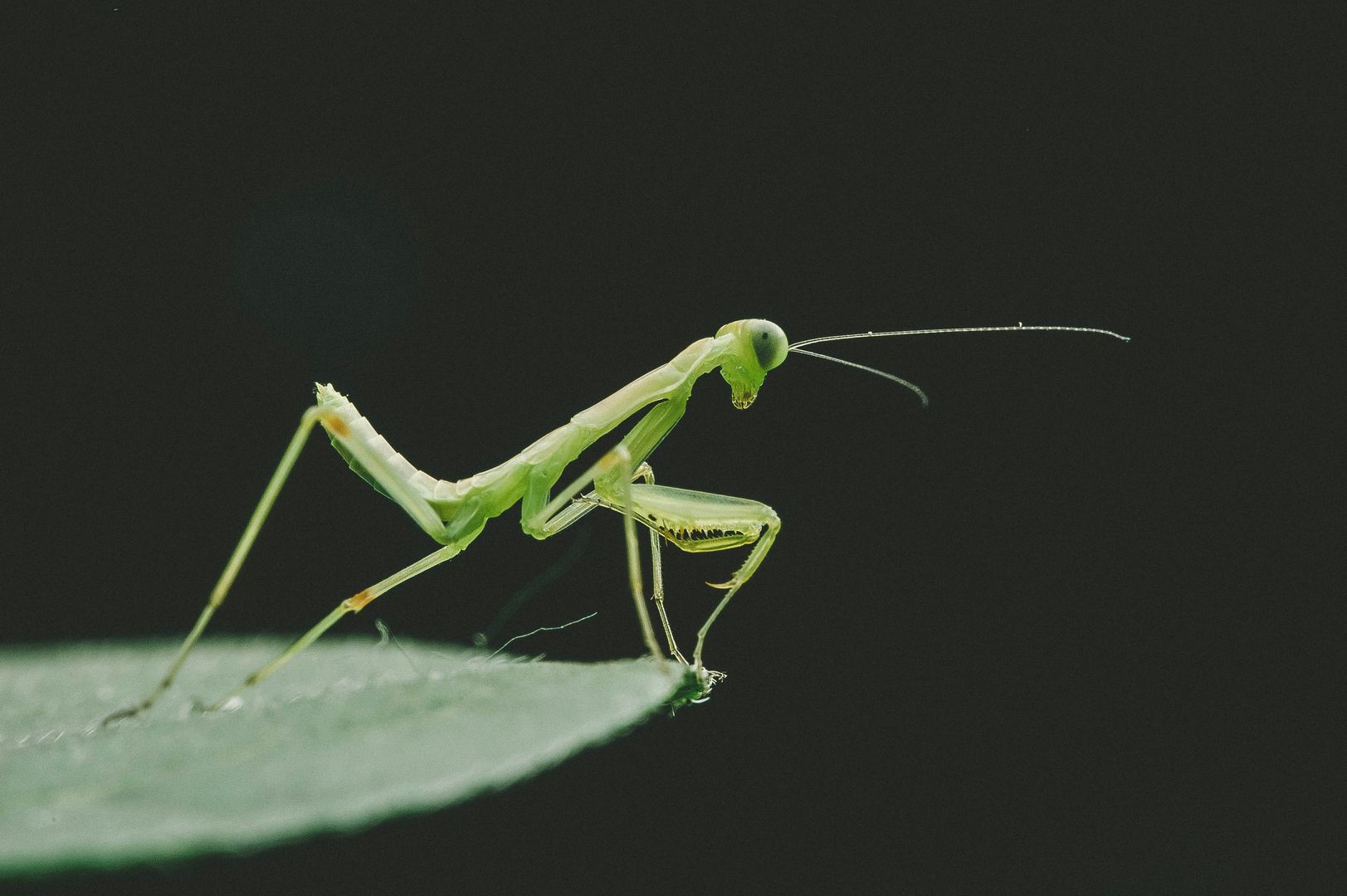
The most voracious documented predators of spotted lanternflies aren't birds at all. Praying mantises eat both nymphs and adults with real enthusiasm, and orb-weaver spiders, wheel bugs, and yellow jackets show up regularly too.
That same Penn State study found chickens and mantises were the two most consistent predators overall, so don't picture a flock of cardinals single-handedly clearing an infestation. Birds are a growing part of the picture, not the whole picture, and anyone telling you otherwise is selling something.
The science here is still developing, so treat this as current credible evidence not gospel.
| Predator | Documentation | Notes |
|---|---|---|
| Praying mantis | Strong | Eats nymphs and adults; most consistent insect predator |
| Chickens | Strong | Top-reported predator overall |
| Northern cardinal | Moderate-strong | Multiple photographed sightings |
| Gray catbird | Moderate-strong | Eats both adults and nymphs |
| Blue jay | Moderate | Documented, less frequent |
| Tufted titmouse | Moderate | Documented in citizen-science data |
| Red-bellied woodpecker | Emerging | Reported by Audubon observers |
| Orb-weaver spiders | Moderate | Catch lanternflies near host trees |
| Wheel bugs, yellow jackets | Moderate | Opportunistic |
How to Attract Birds to Eat Lanternflies
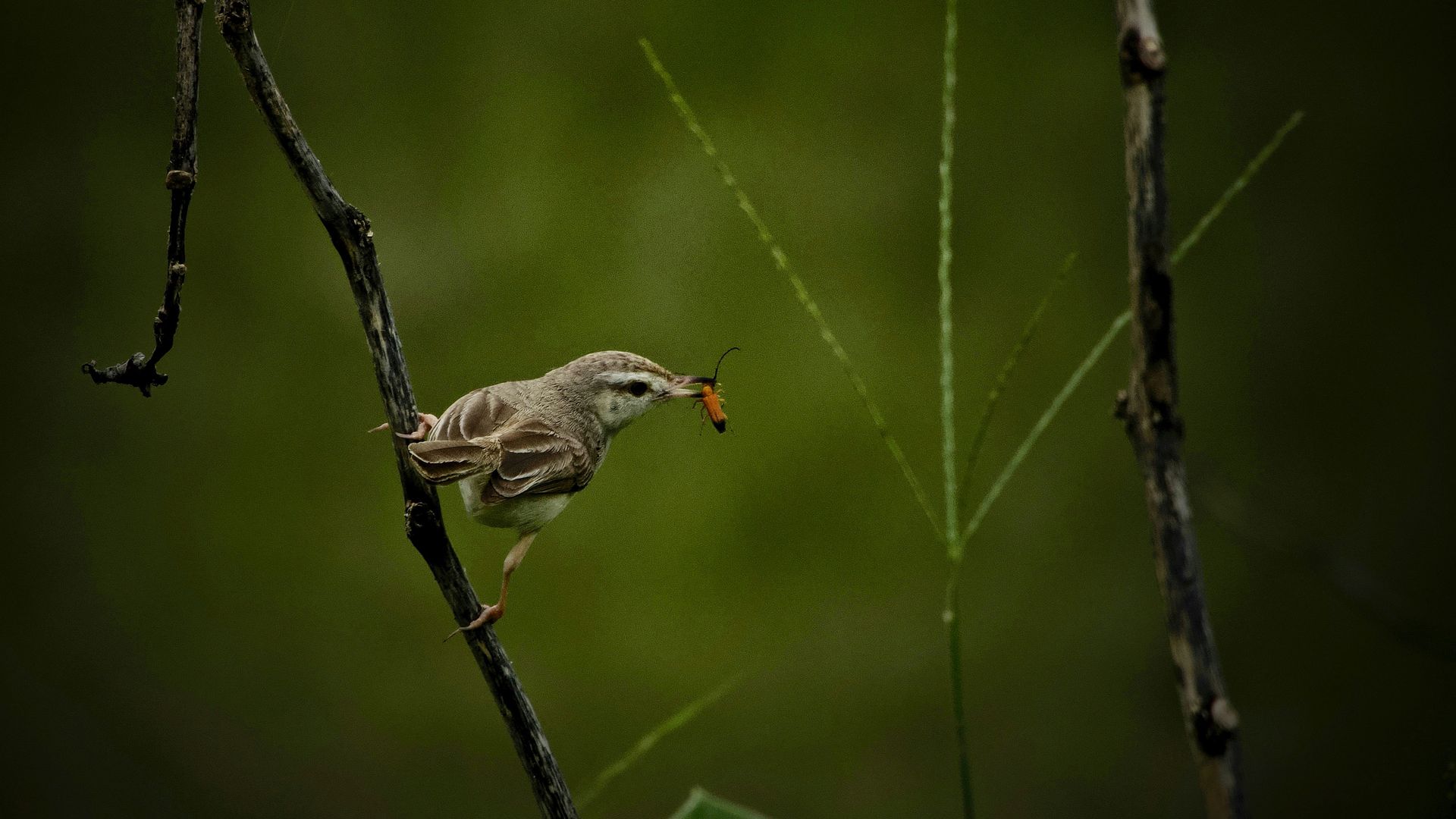
Attracting lanternfly-eating birds isn't fundamentally different from good backyard habitat basics.
Plant natives
Insect-eating birds like cardinals and titmice forage best where there's real insect life, and native trees and shrubs host far more of it than ornamentals do. Include potted or ground planted native plants to enhance the biodiversity of your yard and support pollinators.
At the end of the day, removing the Tree of Heaven and replacing it with a native alternative is key.
Add a clean water source
A modest birdbath draws in insectivorous songbirds who'll work your yard for bugs. Birds are more likely to visit and stick around for lunch if there's fresh water for drinking and bathing.
Thinking about installing a pond or water fountain? There's no better time than now.

Daoeny 35In Metal Bird Bath for Outside, Vintage Freestanding Birdbaths & Birdfeeder, Bird Baths Feeder Bowl for Outdoors Garden Patio Yard Lawn Decor, Upgraded 5-Pronged Base (Antique Bronze)
Daoeny
Leave brush
Brush piles and standing dead branches give catbirds and titmice cover to forage without feeling exposed. This is ideal regardless of how much foliage your yard has. Keep a tidy pile sidelined in your yard. You can keep it up in the winter, too. The birds will use it to roost in the winter!
Put up housing
A well-placed birdhouse encourages cavity nesters like titmice to stick around instead of just passing through, and a resident bird eats far more bugs over a season than a visitor ever will. Our birdhouse attraction guide covers what actually works, and this rundown of birdhouse features that matter will save you from buying a cute box no bird ever moves into.

Skip the Pesticides
Most pest-control advice for spotted lanternflies leads with chemicals. Leading with spray for an average backyard problem though has its downsides.
Pesticides and insecticides kill the natural defenses against lanternflies-- natural predators and their food sources. Pesticides that target lantern flies target evrything else and also strip down the food supply that keeps insect-eating birds around at all.
The side effect? Populations across the U.S. and Canada have already dropped by nearly 3 billion individuals, close to 29%, since 1970, according to the landmark Cornell Lab study, with pesticide use as a documented driver. A 2020 Nature Sustainability study found a 100-kilogram increase in county-level neonicotinoid use correlated with a 2.2% decline in grassland bird populations and a 1.6% decline in insectivorous bird populations, with effects compounding over just a few years.
There's no chemical solution to the lantern fly problem.
On it's own it's shown to be ineffective in the long run. The only effective solution is a combination of methods or it's all for naught.
The Best Lanternfly Removal Protocol
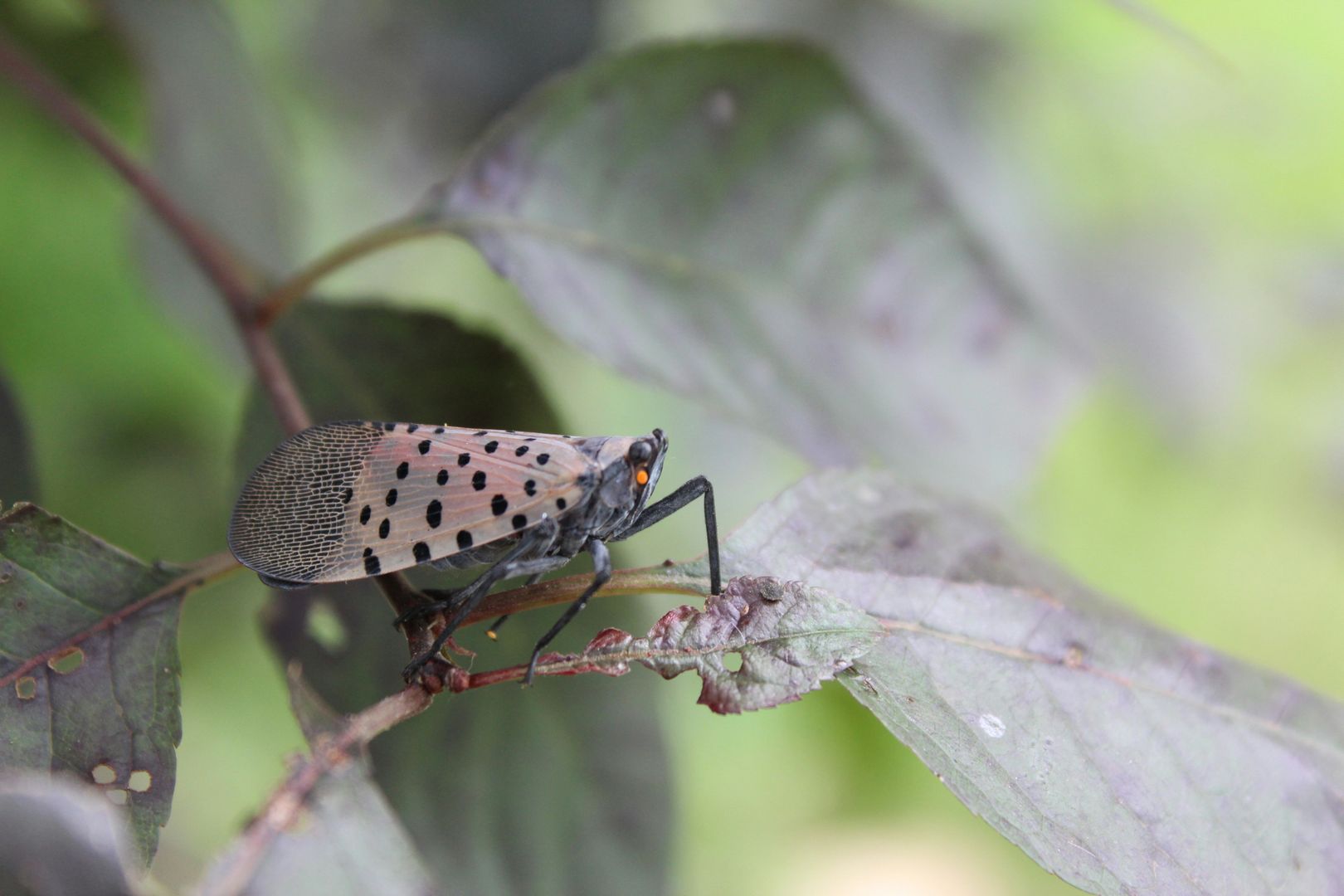
That said, habitat alone won't fix a bad infestation. If you're seeing dozens of lanternflies a day on a mature tree, birds and bugs won't keep pace, and you'll want more direct tools.
Our complete spotted lanternfly control guide walks through egg-mass scraping, sticky bands, and manual removal before you touch a bottle. If you do need to spray, do it with intention: our comparison of insecticide options is built around minimizing collateral damage to birds and beneficial insects.
When in doubt, get creative with your lanternfly traps and treat birds as one piece of the puzzle.
Got tips to share?
Share them with the Sparkbird community Nothing beats local knowledge when it comes to backyard birding.

No comments yet.