
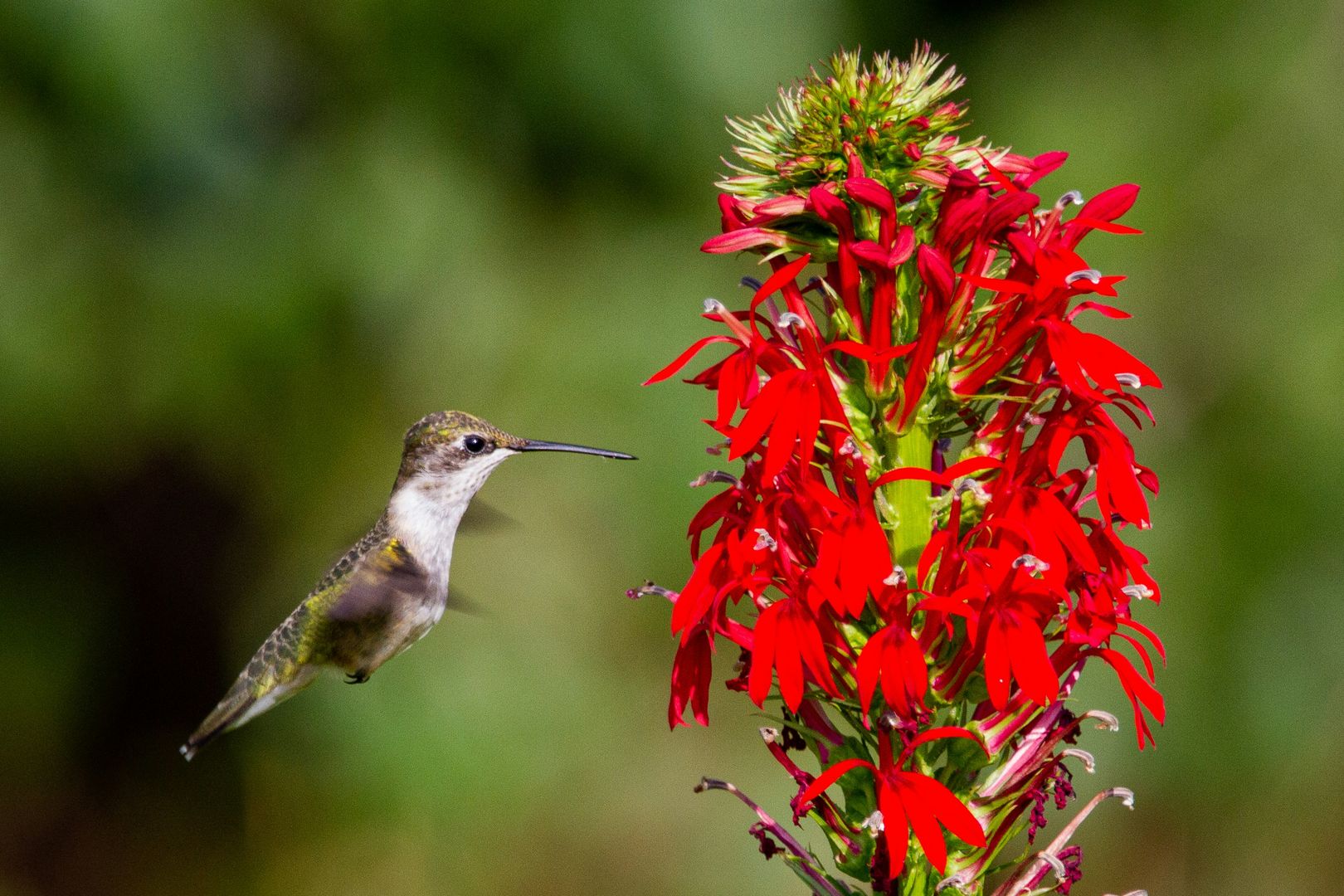
If you think you need to go to Costa Rica to see hummingbirds in their full glory, the American Southwest would like a word.
The United States is home to more than 20 hummingbird species and a surprisingly robust network of dedicated gardens, wildlife refuges, nature preserves, and sanctuaries where you can see multiple species in a single afternoon.
This is the master list. Bookmark it, argue with it, and then go outside.
Why Visiting a Hummingbird Sanctuary Is Actually Good for You
There's a reason birding trips feel like a hard reset. Research suggests that time spent in nature with birdsong reduces cortisol levels and activates the parasympathetic nervous system. The "rest and digest" mode your body is desperately trying to find between your third Zoom call and your second coffee. Some scientists theorize we evolved to associate bird song with safety, since birds go quiet when predators are near.
Visiting a dedicated hummingbird sanctuary takes this a step further. You're not just near nature, you're standing still while something the size of a ping pong ball makes decisions more precise than most GPS systems. That tends to quiet your brain in ways a podcast can't.
Southwest & Great Basin
Arizona — The Undisputed Hummingbird Capital
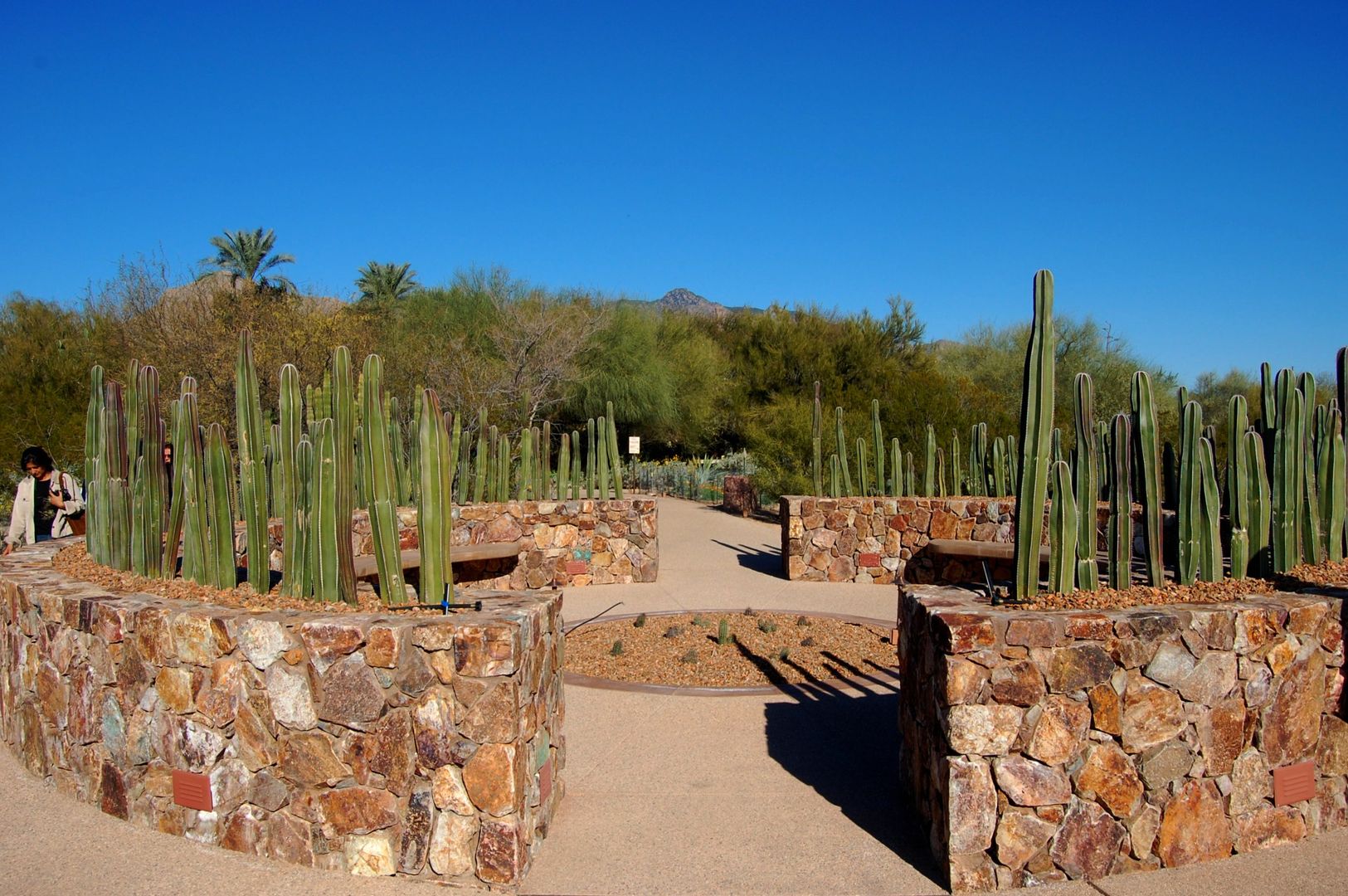
If hummingbird watching were a sport, southeastern Arizona would be hosting the World Series every summer. The region's unique sky islands — isolated mountain ranges rising from desert valleys — create overlapping habitats where up to 15 species can be spotted at a single preserve. No other location in the United States comes close.
Ramsey Canyon Preserve — Sierra Vista, AZ
Operated by The Nature Conservancy, Ramsey Canyon is widely called the "Hummingbird Capital of the World." It earns the title. Up to 14 species have been recorded here in a single season, including rarities like the White-eared and Berylline Hummingbirds that cross the border from Mexico. The preserve sits in a lush sycamore canyon at 5,400 feet. It's cooler than Tucson, quieter than most airports, and staffed by volunteers who can tell you exactly which feeder the Blue-throated Mountain-gem has claimed as its own.
Best time to visit: July through September, when the monsoon season brings peak diversity.
Paton Center for Hummingbirds — Patagonia, AZ
Owned by Tucson Audubon Society, the Paton Center is the kind of place where serious listers and total beginners share a bench without anyone getting weird about it. The late Wally and Marion Paton spent decades maintaining feeders that attracted Violet-crowned Hummingbirds. Year-round access, no admission fee, covered viewing area. The Violet-crowned is still showing up.
Madera Canyon — Green Valley, AZ
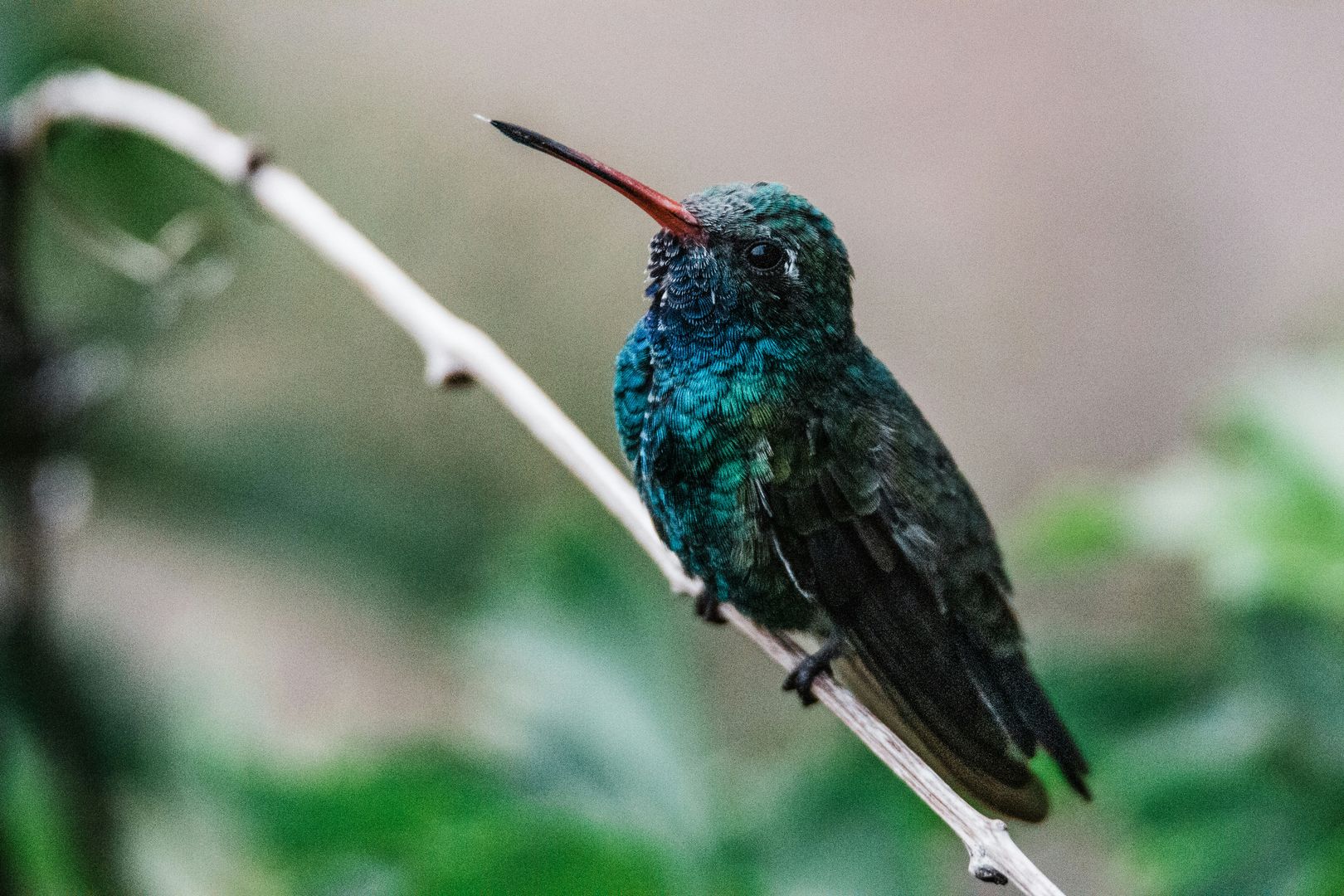
South of Tucson off I-19, Madera Canyon is a full-service birding destination with hummingbird feeders at several lodges and picnic areas. The Santa Rita Lodge in particular has maintained an extraordinary feeding station for decades. Lucifer Hummingbirds and Magnificent (Rivoli's) Hummingbirds are regular summer visitors.
The canyon also happens to be one of the better places in the country to see the Elegant Trogon, which is not a hummingbird but is absolutely worth mentioning.
Ash Canyon Bird Sanctuary — Hereford, AZ
Run by the Southeastern Arizona Bird Observatory (SABO), Ash Canyon is a private sanctuary open to the public during daylight hours. The Plain-capped Starthroat (a Mexican species that rarely wanders north) has been recorded here, which is the kind of thing that makes bird listers drive three hours without stopping. SABO also runs summer hummingbird banding programs for those who want to watch researchers work up close.
Sonoita Creek Preserve — Patagonia, AZ
Another Nature Conservancy property, Sonoita Creek Preserve protects one of the last remaining cottonwood-willow riparian forests in Arizona. Hummingbird diversity here is outstanding during spring and summer, and the preserve offers guided hikes. It's a ten-minute drive from the Paton Center, so combining both in a single day is entirely reasonable.
San Pedro House — San Pedro River, AZ
Managed by Friends of the San Pedro River, this historic homestead on the San Pedro Riparian National Conservation Area offers feeder viewing from a shaded porch, guided nature hikes, and summer hummingbird banding programs in partnership with SABO. The San Pedro is one of the most intact riparian corridors in the Southwest — the hummingbirds know it.
Arizona-Sonora Desert Museum — Tucson, AZ
Part zoo, part botanical garden, part natural history museum, the Arizona-Sonora Desert Museum has a dedicated hummingbird aviary where visitors can walk through an enclosed space with free-flying Costa's, Anna's, and Broad-billed Hummingbirds. It's the controlled-environment option for anyone who wants to see a hummingbird at approximately two feet without waiting for one to cooperate.
Desert Botanical Garden — Phoenix, AZ
The Desert Botanical Garden maintains dedicated hummingbird demonstration gardens throughout its 140-acre grounds, with peak visitor activity in winter when Anna's Hummingbirds are resident and spring when Broad-billed and Costa's Hummingbirds move through.
Tohono Chul Park — Tucson, AZ
An 87-acre garden and museum in northwest Tucson with extensive hummingbird-friendly plantings and feeders. Multiple species visit year-round, and the garden hosts guided hummingbird walks during the Sedona Hummingbird Festival season.
Nevada
Desert National Wildlife Refuge — Las Vegas, NV
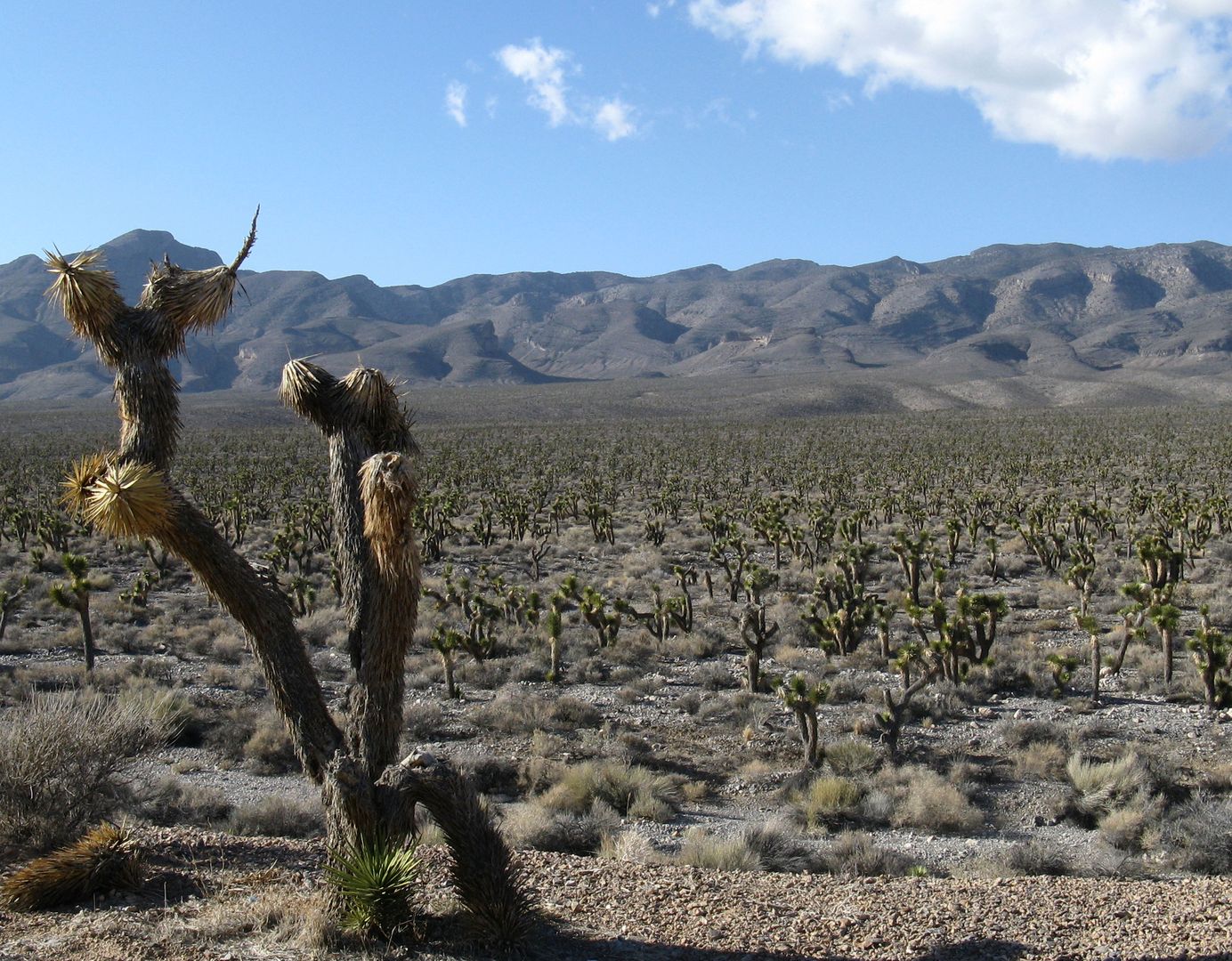
A counterintuitive entry on any hummingbird list, but the Desert National Wildlife Refuge is the largest in the lower 48. It contains mountain zones where Black-chinned and Costa's Hummingbirds nest in summer.
It's not a dedicated hummingbird garden, but if you're already in Las Vegas and want to see something other than the inside of a casino, the refuge is worth the drive.
New Mexico
Bandelier National Monument — Los Alamos, NM
Broad-tailed Hummingbirds nest at Bandelier in summer and are so accustomed to visitors they'll hover at eye level while you photograph the ancestral Puebloan cliff dwellings. The monument is genuinely one of the more surreal birding experiences in the country — archaeological history plus hummingbirds plus dramatic canyon scenery. It's a lot for a Tuesday.
Texas
South Texas & the Rio Grande Valley
Santa Ana National Wildlife Refuge — Alamo, TX
Santa Ana NWR is a 2,000-acre subtropical forest on the Rio Grande — the last major piece of native brushland in the Rio Grande Valley. Buff-bellied Hummingbirds are resident year-round, and the refuge occasionally records Cinnamon and Green-breasted Mangos wandering north from Mexico. The US Fish & Wildlife Service runs guided tram tours in winter.
Estero Llano Grande State Park — Weslaco, TX
Part of the World Birding Center network, Estero Llano Grande maintains feeding stations that reliably attract Buff-bellied Hummingbirds and, in season, Ruby-throated and Black-chinned visitors. The park also has excellent dragonfly and butterfly watching, which means you'll need to budget more time than you planned.
West Texas
Davis Mountains State Park — Fort Davis, TX
At 5,000+ feet in the Trans-Pecos region, Davis Mountains State Park hosts Black-chinned and Blue-throated Mountain-gem Hummingbirds in summer. The nearby Chihuahuan Desert Nature Center also maintains hummingbird habitat and educational programming. Fort Davis is remote enough that getting there is its own adventure. Plan accordingly, and bring snacks.
California
Southern California
Cabrillo National Monument — San Diego, CA

The coastal sage scrub at Cabrillo protects the chaparral habitat that Anna's Hummingbirds call home year-round. Allen's Hummingbirds pass through on migration, and the monument's position on Point Loma makes it an excellent migration watchpoint for other species as well.
The Sisar Creek Sanctuary — Santa Paula, CA
A small, private sanctuary in the hills above Santa Paula with documented records of Allen's, Anna's, Black-chinned, and Costa's Hummingbirds. Check current hours and access before visiting, as private sanctuaries can have variable availability.
Northern California
UC Davis Arboretum Hummingbird GATEway Garden — Davis, CA
The Hummingbird GATEway Garden at UC Davis is a free, public demonstration garden designed specifically to show visitors what a productive hummingbird habitat looks like and which plants are doing the heavy lifting. Anna's Hummingbirds are resident year-round.
UC Santa Cruz Arboretum — Santa Cruz, CA
The UCSC Arboretum's California native plant collection is dense with hummingbird-attracting species, and Anna's Hummingbirds have essentially colonized the grounds. The arboretum is open to the public with a small admission fee and connects to trails through the UCSC campus forest.
Pacific Northwest
Naturescaping Wildlife Nursery — Scappoose, OR
The Hummingbird Place at Naturescaping is a demonstration garden built around the needs of Rufous and Anna's Hummingbirds, which are the primary Pacific Northwest species. The nursery doubles as an education center for anyone who wants to recreate the habitat at home. Unlike most sanctuaries, you can buy the plants before you leave.
Mountain West
Grand Teton National Park — Moose, WY
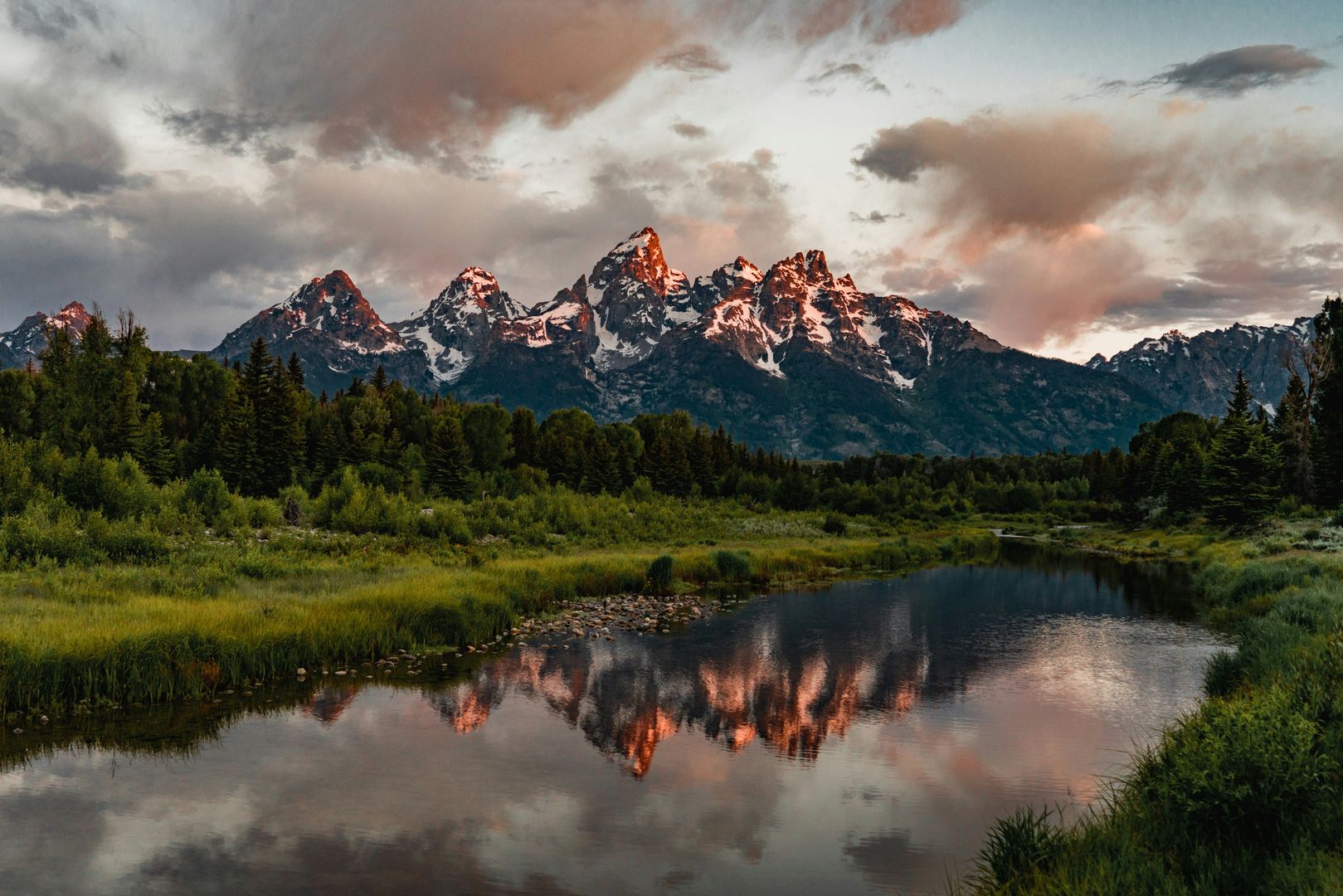
Broad-tailed Hummingbirds nest throughout the mountain meadows of Grand Teton, and Calliope Hummingbirds — the smallest breeding bird in North America — pass through on migration. The male Calliope's gorget looks like someone painted thin magenta streaks across his throat with a very small brush. It's unreasonably fancy for a bird that weighs three grams.
Midwest & East Coast
Minnesota
Lyndale Park Butterfly and Hummingbird Gardens — Minneapolis, MN
The Lyndale Park Gardens, maintained by the Minneapolis Park & Recreation Board, are a free public resource with dedicated hummingbird plantings alongside butterfly habitat. Ruby-throated Hummingbirds are the primary species in Minnesota. They're here May through September and then they are very much not here, which is accurate for most things in Minnesota from November onward.
New York
Baiting Hollow Hummingbird Sanctuary — Calverton, NY
Sadly, now closed. But this small private sanctuary on Long Island still makes updates on Facebook.
Beverly E. Smith Butterfly and Hummingbird Garden — Yonkers, NY
A public garden maintained in Yonkers with plantings specifically designed to support Ruby-throated Hummingbirds during their Hudson Valley migration corridor passage.
US Territories
Puerto Rico
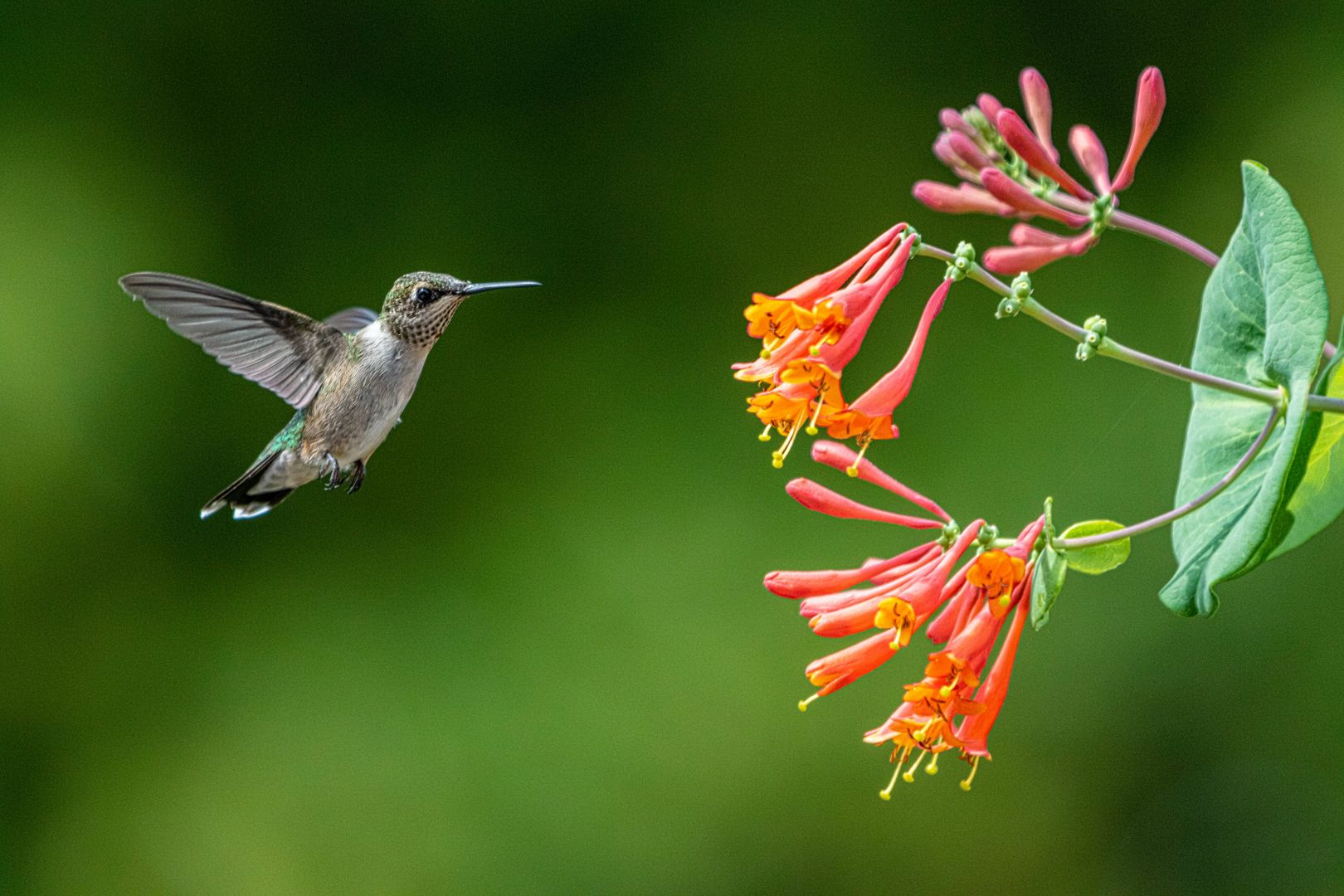
Puerto Rico is home to two hummingbird species found nowhere else in the world: the Green Mango (Anthracothorax viridis) and the Puerto Rican Emerald (Riccordia maugaeus). The island doesn't have a dedicated hummingbird sanctuary in the Arizona sense, but the Maricao State Forest and El Yunque National Forest both provide habitat for both species. Puerto Rico is, in other words, a destination worth treating separately from the continental US list.
Hawaii
Hummingbirds are prohibited in Hawaii. They were banned because of concerns that introduced hummingbirds would pollinate invasive plants and disrupt native ecosystems. This is an uncomfortable fact for bird watchers booking Hawaiian vacations, but it's the correct call for the islands' ecology.
Visit the Honeycreepers in Hakalau Forest National Wildlife Refuge instead.
How to Find Hummingbird Gardens Near You
The growing network of NectarBloom Trail hummingbird watching locations provides a searchable database by state, county, and species. Cornell Lab's eBird remains the gold standard for finding recent sightings at any location.
The American Birding Association Code of Ethics applies at every location on this list: feeders and natural habitat should be left as you found them, and stressed birds should be given space.
Frequently Asked Questions
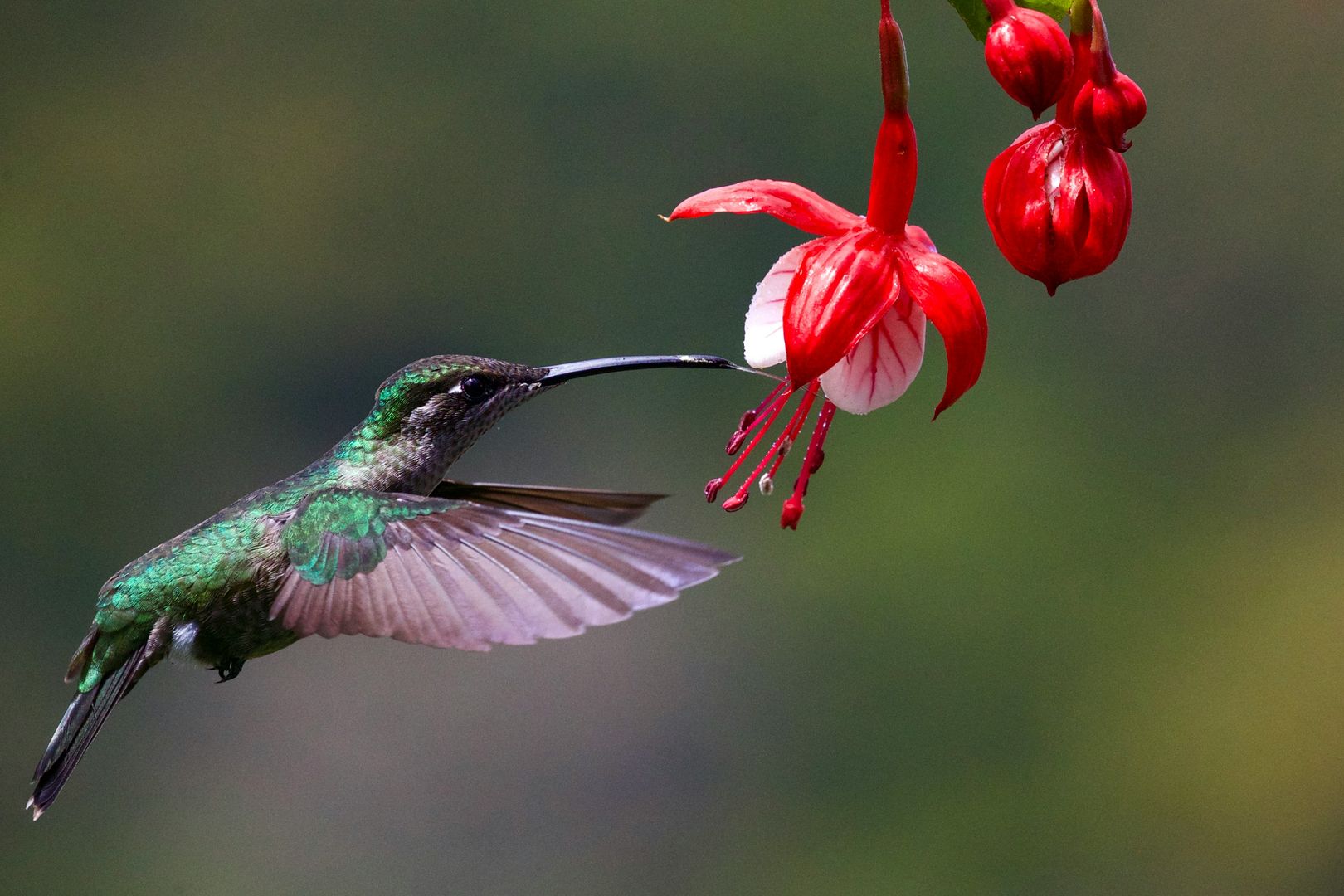
What state has the most hummingbird species?
Arizona, and it's not close. Southeastern Arizona's sky island ranges create layered habitats where up to 15 species can be recorded in a single season.
Do I need binoculars at a hummingbird sanctuary?
For hummingbirds at feeders, not really. For sanctuary trails and any hummingbird that isn't at a feeder, yes.
A decent pair of 8x42 binoculars handles close-range hummingbirds and doubles for any other species you encounter. Borrow a pair at a birding meetup or the library before buying.
Planning a group birding trip to any of these locations?
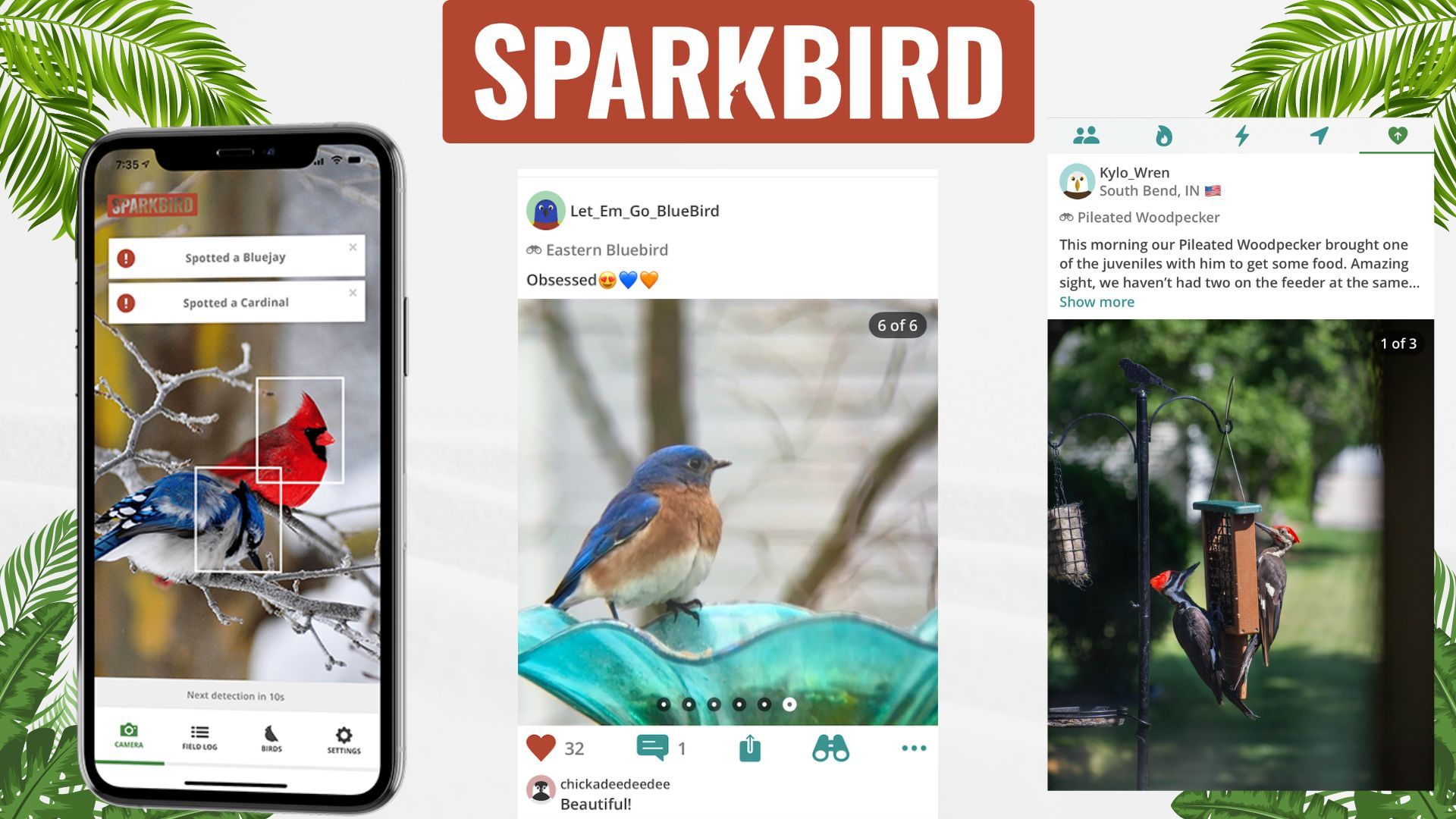
Find a local birding club near you through the Sparkbird community Local knowledge is the fastest shortcut to actually seeing what you drove four hours to find.

No comments yet.