
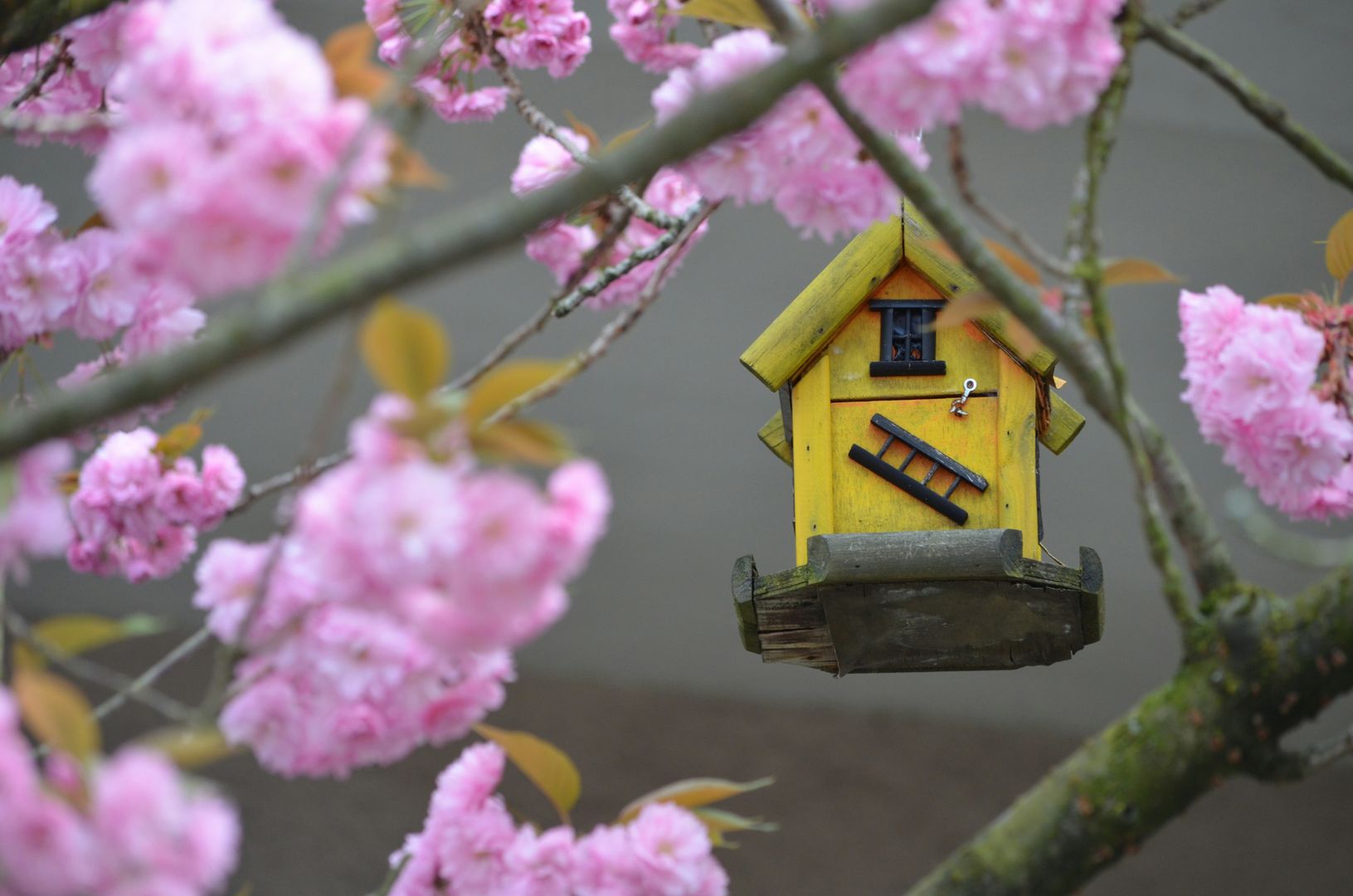
"My bird house brings all the birds to the yard—"
Or does it?
You bought a handsome little birdhouse, screwed it to the fence post and spent the better part of April waiting. The birds chose your dryer vent instead.
Why Birdhouse Placement Matters The Most
Here's the hot take, backed by Dr. Robert Mulvihill, lead ornithologist at the National Aviary: the most common reason a birdhouse sits empty is the placement.
Birds are picky tenants. They're looking for a specific neighborhood, not just a vacancy. A bluebird doesn't care that your birdhouse is hand-painted and has a little copper roof. If it's surrounded by dense shrubs and facing a busy walkway, they're going elsewhere.
What's birdhouse placement mean?
Placement is a mix of how high a birdhouse is mounted, the flight path birds take to get to the box, and the foliage preferences of a given species. (If a bird prefers more coverage, mounting it on the side of the house isn't ideal.)
This doesn't mean you shouldn't invest in a quality house. It means you should sort out the placement first, and then buy the house that fits it.
Birdhouse placement is highly species dependent.
There's no one-size-fits-all approach. And that's because of different nesting habits.
1. How High Should You Mount a Birdhouse?
The right height depends entirely on the species you're hoping to attract. Mounting too low is an open invitation to every ground-based predator in your zip code.
Please make sure to look around and see what birds are in your neighborhood. There's nothing more disappointing than trying to attract a bird that's not even around.
Here's a practical breakdown:
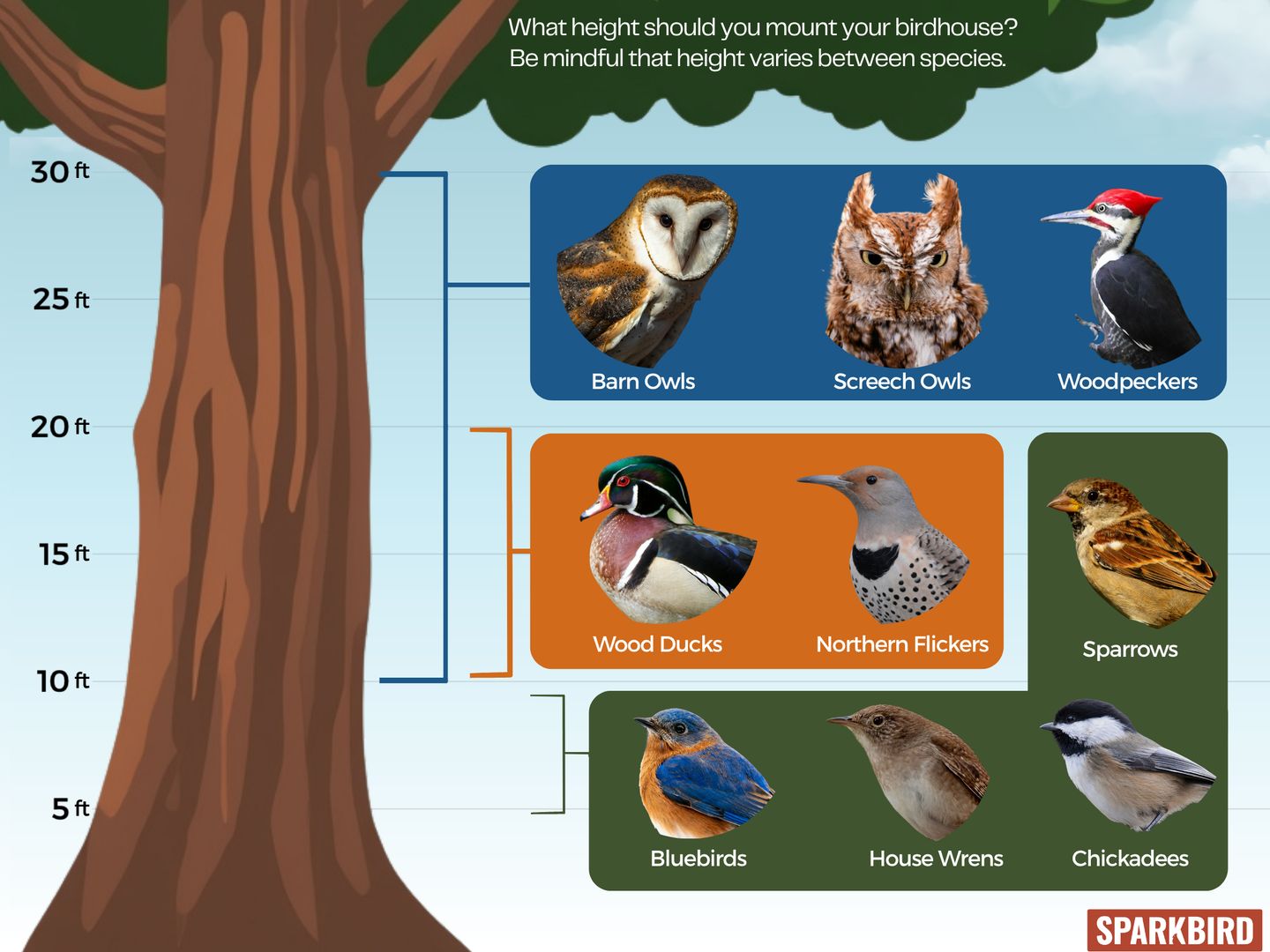
- House wrens, Chickadees, & Cardinals: 5–8 feet above the ground, ideally hung from a branch or post near woody vegetation
- Eastern Bluebirds: 5–8 feet on a smooth metal post in an open field or meadow edge, set back 20 feet from trees or shrubs
- Tree Swallows, Catbirds, & Thrushes: 5–8 feet on a post near an open water source
- Woodpeckers: 8–20 feet up on a snag or tree trunk
- Screech-owls & Barn Owls: 10–30 feet up, preferably on a tree or high wooden post at a field edge
- Purple Martins: 10–20 feet up on a dedicated apartment-style colony post in a wide, open area with clear flight paths
2. Keep the Birdhouse Away from Feeders
This is a distinction most backyard setups get wrong. Knowing where to put bird feeders is a different question from where to put a birdhouse.
Never put a birdhouse and bird feeder near each other.
Feeders attract large congregations of birds. The competition, noise, and constant traffic is stressful for nesting pairs, and it draws predators to the birdhouse. Keep birdhouses and feeders at least 30 feet apart, ideally separated by a visual barrier like a shrub or fence.
Where should the feeders go?
Bird feeder placement is best in a visible and easily accessible part of your yard.
3. Which Direction Should a Birdhouse Face?
East or southeast is the recommendation for most species. It keeps winds and rain out of the entrance hole while letting the morning sun warm the box.
It also keeps rain and cold air from blowing directly into the birdhouse during nesting season. Bluebirds and some swallows actually prefer a southerly or easterly facing entrance, since the morning sun helps warm the box without overheating it in the afternoon.
Avoid facing the entrance toward high-traffic areas.
Your grill, the dog's favorite spot, and the back door you use six times a day. Birds will often abandon a birdhouse that gets too much foot traffic nearby, even after they've started a nest.
4. Match the Habitat to the Bird Species
This is where most backyard birders miss the mark. Well, beside putting a bird feeder close by. Different birds have different flight patterns, feeding habits, and predators.
Attracting birds to your birdhouse means matching box placement with their needs.
This isn't an exhausting list but it's a brief guide to a few popular species.
Eastern Bluebirds
Bluebirds are open-country birds. They want a wide lawn, meadow, or pasture with short grass they can hunt insects in, and they need clear sightlines. Keep trees and tall shrubs at least 20 feet from the box. All the best birdhouses for bluebirds can be used for many other birds, too.
Spacing multiple bluebird boxes? Put them 50–75 yards apart minimum. They're territorial.
Black-capped & Carolina Chickadees
These are woodland birds. They'll look for boxes near thickets, hedgerows, or edges between wooded areas and open space. The surrounding vegetation should include native shrubs and small trees. A box in the middle of a mowed lawn will not interest not work.
A box tucked into the edge of a stand of native shrubs, three feet off a birch tree? Now we're talking.
Tree Swallows
Tree swallows are cavity nesters that live near water. If your yard backs up to a pond, slow-moving stream, or marsh edge, you're in prime swallow territory. Mount the box on a pole over water or at the water's edge with open space for their aerial insect hunting. They don't need dense foliage.
Purple Martins
Purple martins are the highest maintenance tenants you'll ever have. They need large, apartment-style colony houses or gourd systems mounted on a 10–20-foot pole in a wide open area with minimal nearby trees. If you don't have that kind of open space, don't pursue martins.
Bonus: Screech-Owls and Barn Owls
While it's less common to put out an owl nest box it's definitely fun! Screech-owls like a mature tree in a mixed woodland setting. Native deciduous trees nearby are a bonus for screech-owls. Barn owls prefer open farmland or fields. Mount their box high on a barn wall, silo, or dedicated post at a pasture edge.
Make sure to place far away from other bird houses. Owls eat smaller birds.
- DIY Guide: How to Build a Screech-Owl Nest Box
What Birds use Birdhouses?
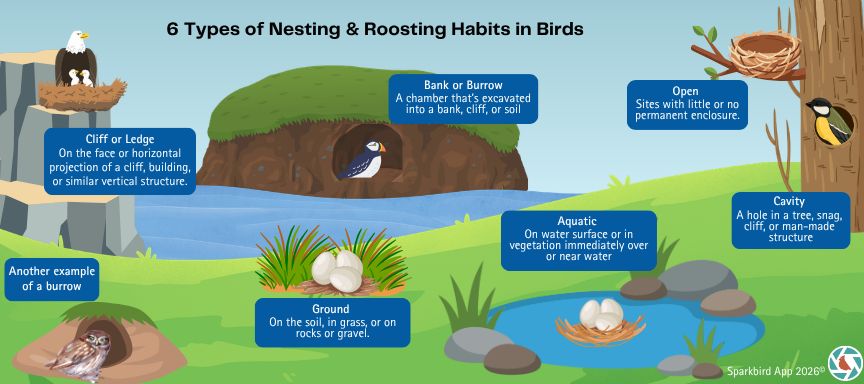
Cavity-nesting birds. There are 6 nesting & roosting habits in birds. The two aren't always the same because birds don't always nest.
Cavity nesters that that use birdhouses include eastern bluebirds, house wrens, black-capped and Carolina chickadees, tufted titmice, tree swallows, purple martins, screech-owls, barn owls, and several woodpecker species.
5. Use Birdhouse Predator Protection
Growing up, our house was a regular target for uninvited guests. A raccoon once made off with a bottle of my mom's wine. A squirrel fell through the ceiling light while we were doing dishes. Mice lived in the walls!
The point is...
Wherever there's a birdhouse there's a predator who wants in.
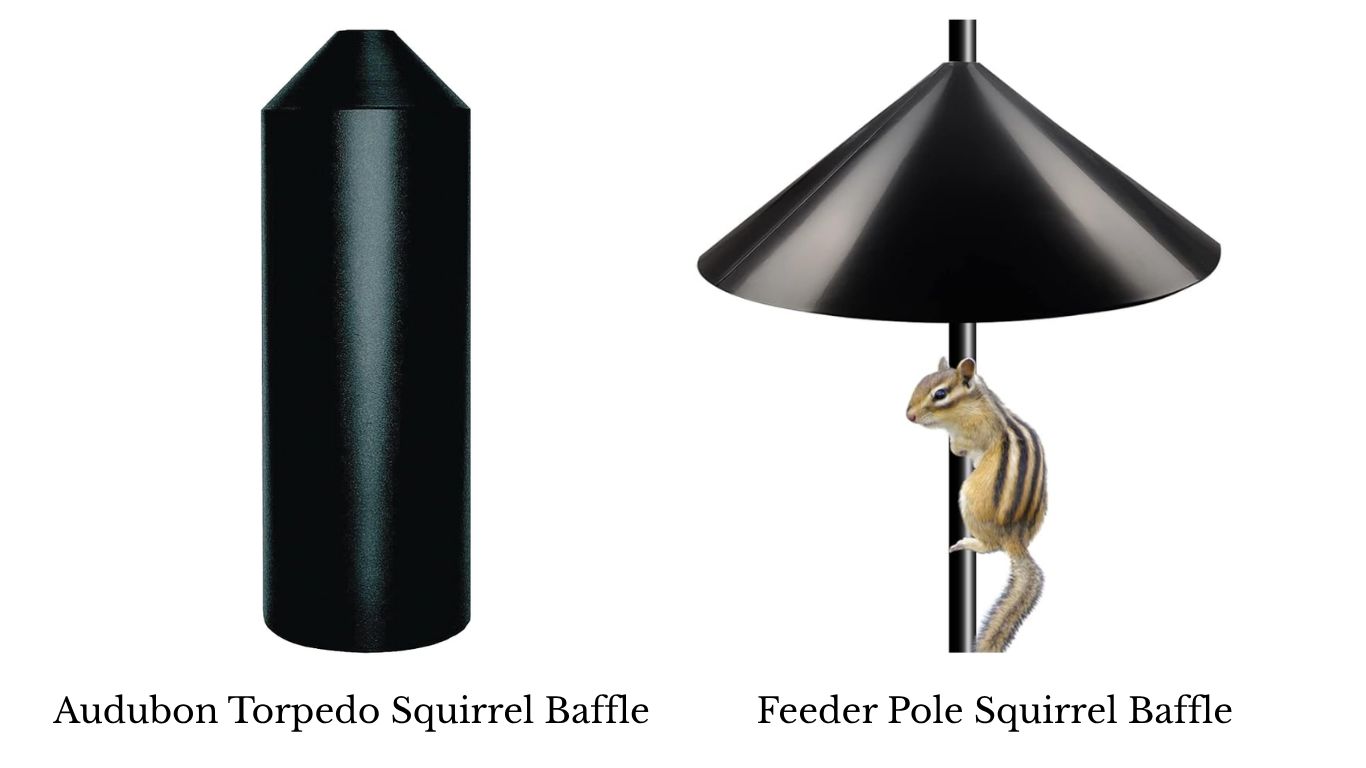
The BEST thing you can do to protect a nest box is mount it on a smooth metal pole with a baffle.
Raccoons, cats, squirrels, and rat snakes are all capable climbers. A properly installed baffle stops all of them cold. The University of New Hampshire Extension recommends recommends metal poles because they're easier to retrofit with squirrel baffles or an Audubon torpedo baffle than wood posts or tree trunks.
Other predator-proofing strategies worth doing:
- Keep the entrance hole as small as the target species requires
- Remove perches below the entrance hole (birds don't need them)
- Don't mount on tree trunks if you can avoid it (easy for snakes & raccoons)
When to Install Your Birdhouse
Earlier than you think. For most of North America, late February to mid-March is the right window — well before the nesting season begins in earnest. Birds scout territory and evaluate nest sites before committing, and a box that's been in place for a few weeks reads as more established and trustworthy than one that just appeared.
If you're in the South or a milder climate, February is not too early. If you're in the upper Midwest or Canada, aim to have boxes up by early to mid-March. A box installed in May when the chickadees are already sitting on eggs is effectively a box for next year.
Also worth knowing: install the box empty. No nesting material, no decoys, no scents. Birds are capable of furnishing their own homes, and they prefer to.
Got any tips you want to share?
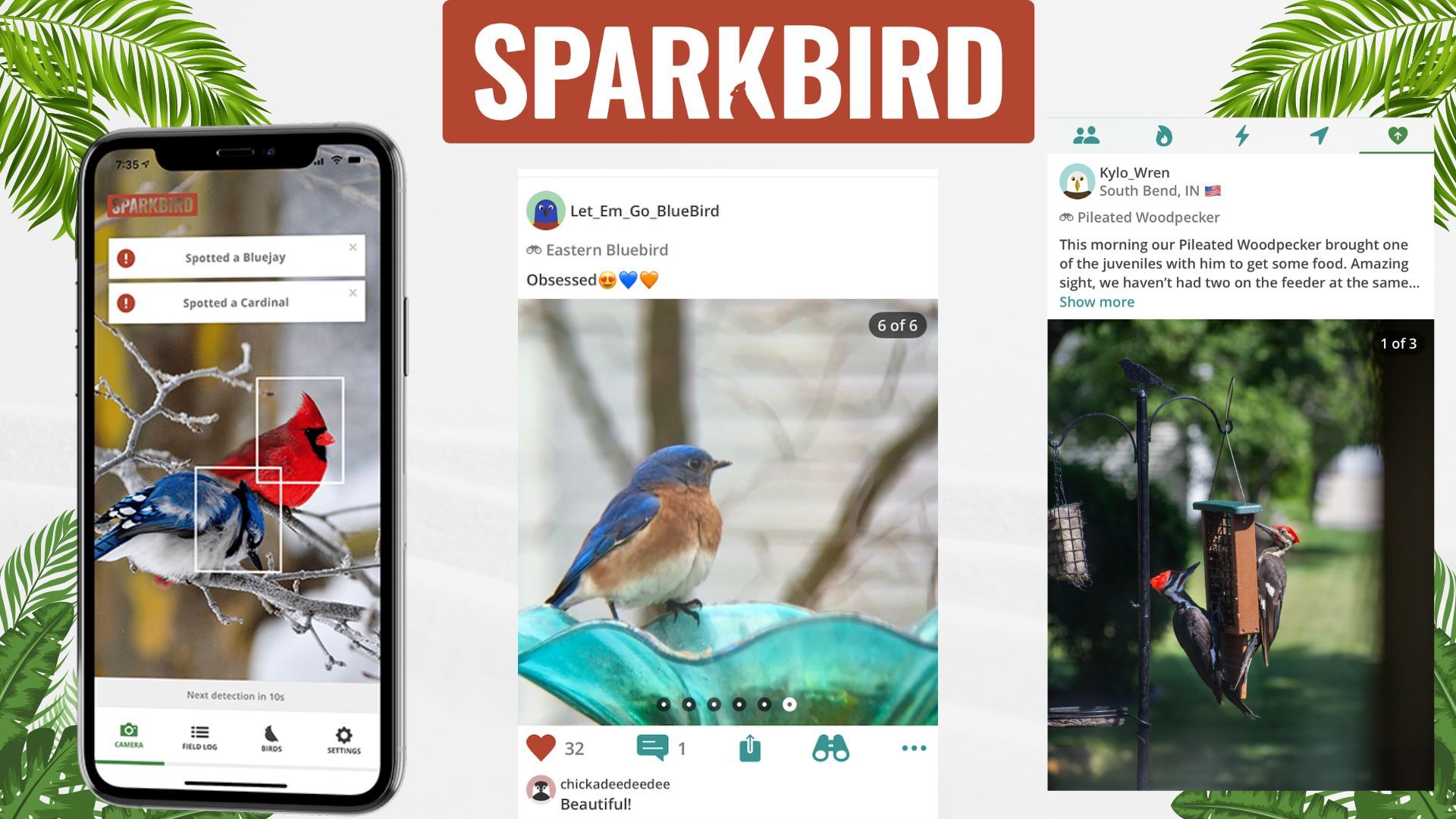
Comment below or share them on the Sparkbird App!
The birds are out there. They're just waiting for you to get the placement right.

Love the images!