
Attracting hummingbirds to your yard is easy!
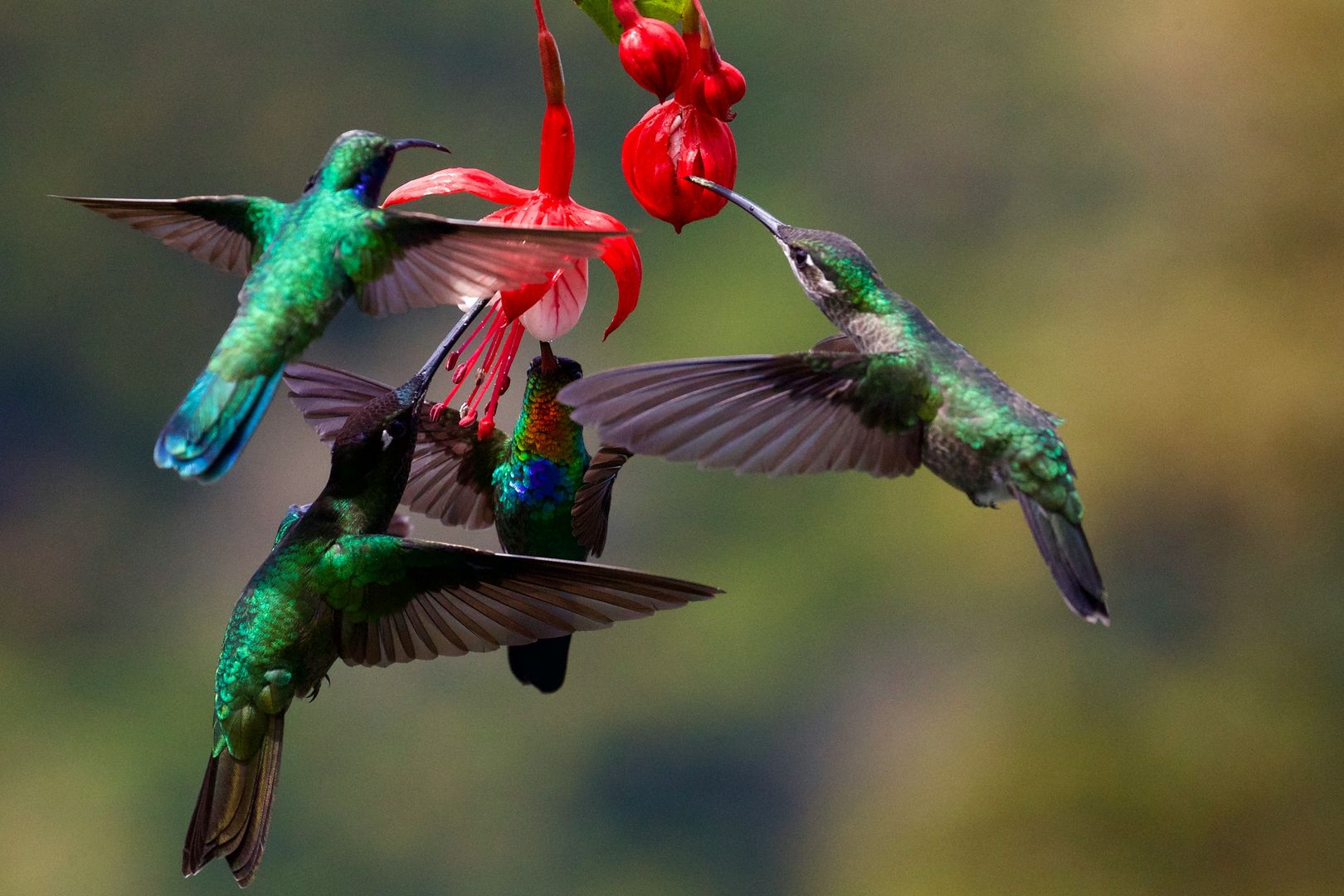
Nectar sources are your biggest advantage.
Fresh nectar and native flowers are the best way to attract hummingbirds.
Here's what to expect:
- 12 Flowers in Mississippi Hummingbirds Can’t Resist
- 5 Tips for Using Plants to Attract Hummingbirds
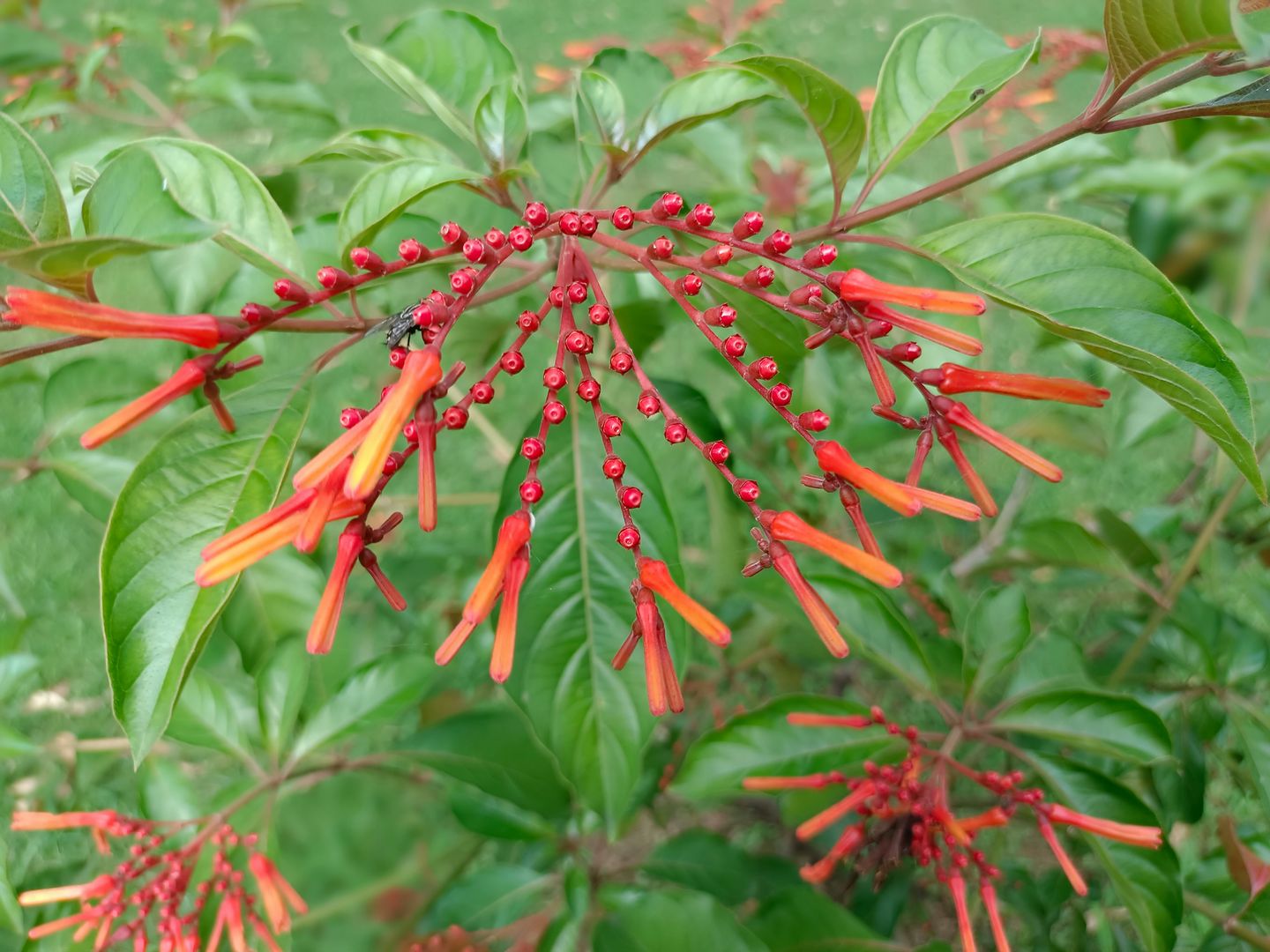
1. Firebush (Hamelia patens)
- Perennial
The ultimate Mississippi hummingbird plant earning it number 1 for best flowers.
It produces orange-red tubular flowers nearly year-round and can grow as a large shrub.
Varieties like Lime Sizzler are popular for their variegated foliage.
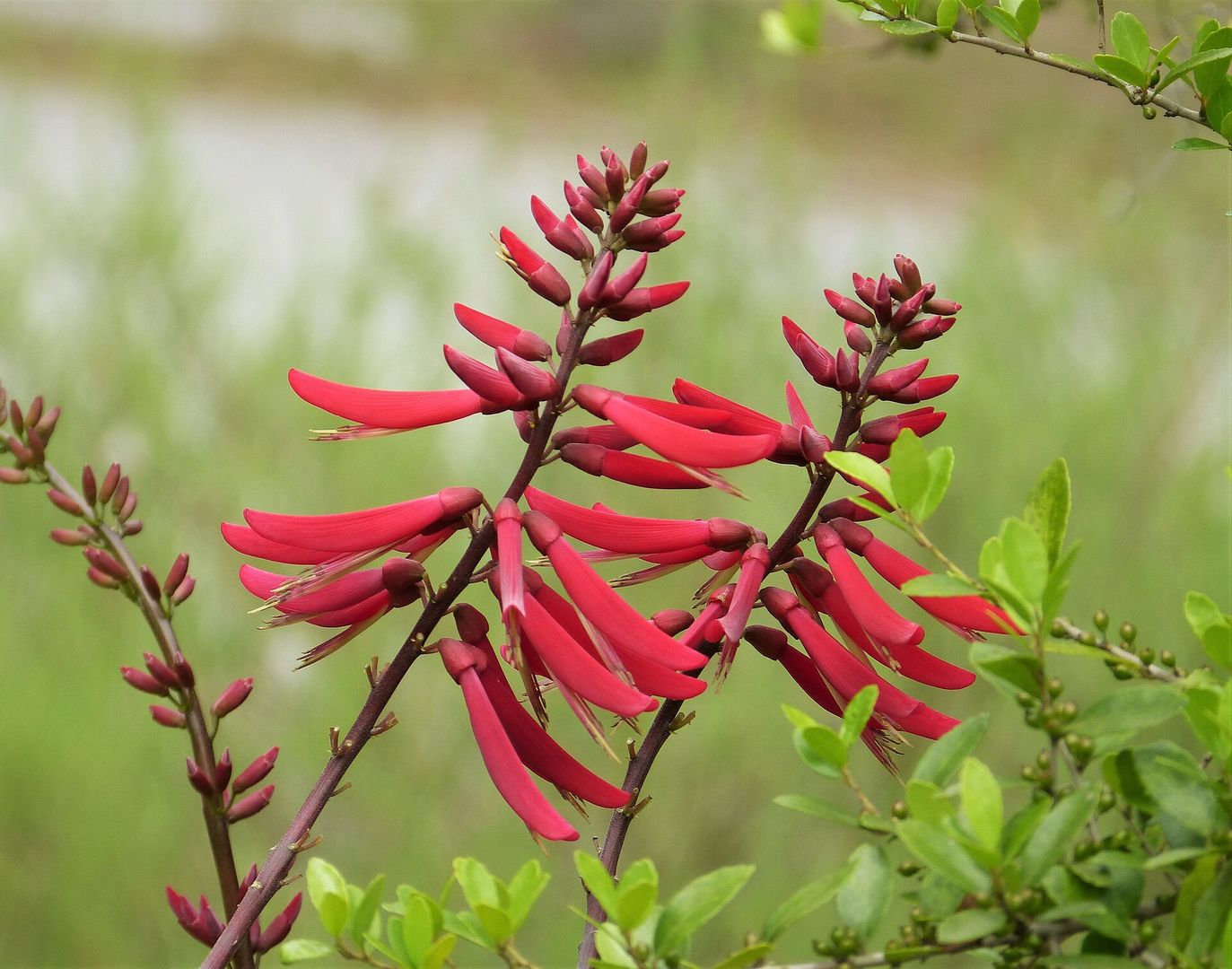
2. Coral Bean (Erythrina herbacea)
- Perennial
Names: Cherokee bean
A striking native flower for Mississippi that sends up spikes of bright red, sword-like flowers in early spring.
It blooms exactly when Ruby-throated Hummingbirds are migrating through!
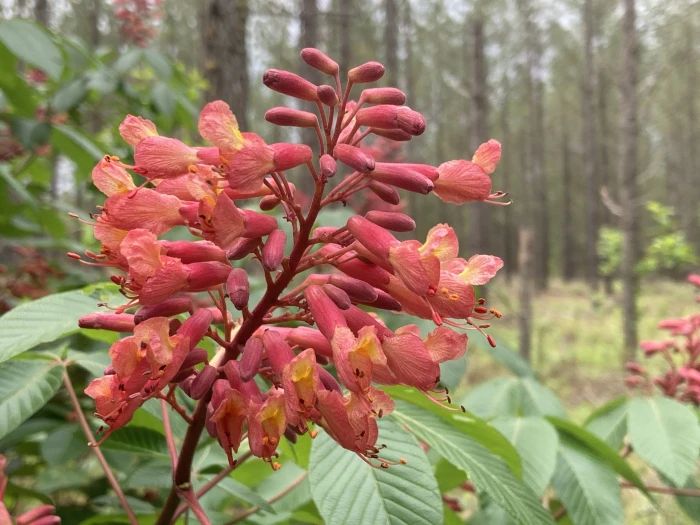
3. Red Buckeye (Aesculus pavia)
- Perennial
Hummingbirds love the clusters of red flowers in early spring.
It's one of the first nectar sources available for northward-bound hummingbirds.
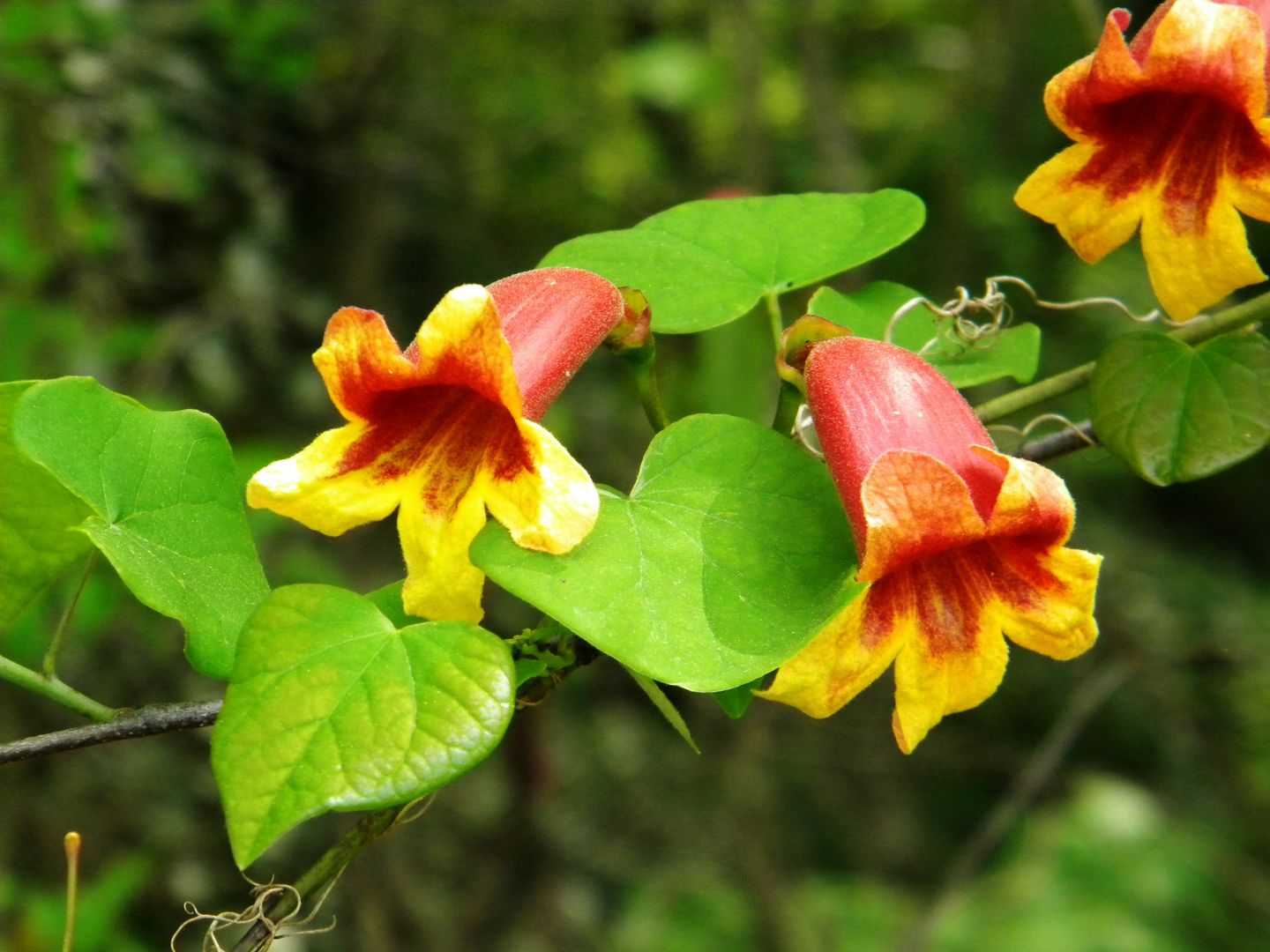
4. Crossvine (Bignonia capreolata)
- Perennial
A vigorous climber that produces trumpet-shaped flowers (often orange with yellow throats).
It's a great native alternative to Trumpet Vine.
The tube shape and bright colors are irresistible to Mississippi hummingbirds!
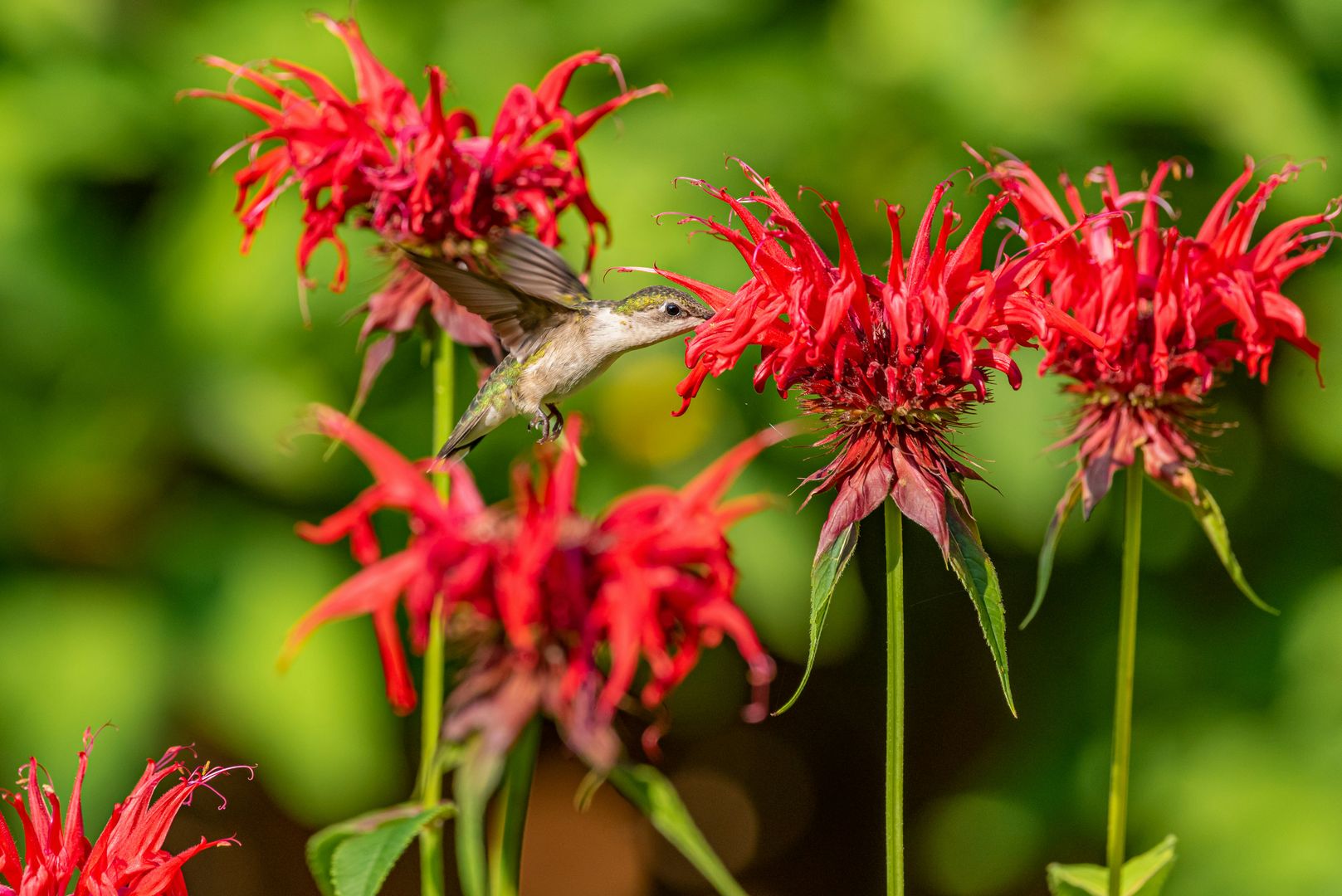
5. Bee Balm (Monarda)
- Perennial
Names: Bergamot, Horesemint, Oswego Tea
Choose Spotted Bee Balm which is the primary native Monarda for Mississippi's heat and sandy terrain.for hummingbirds.
The vibrant red is preferred by Ruby-Throated Hummingbirds and many butterflies.
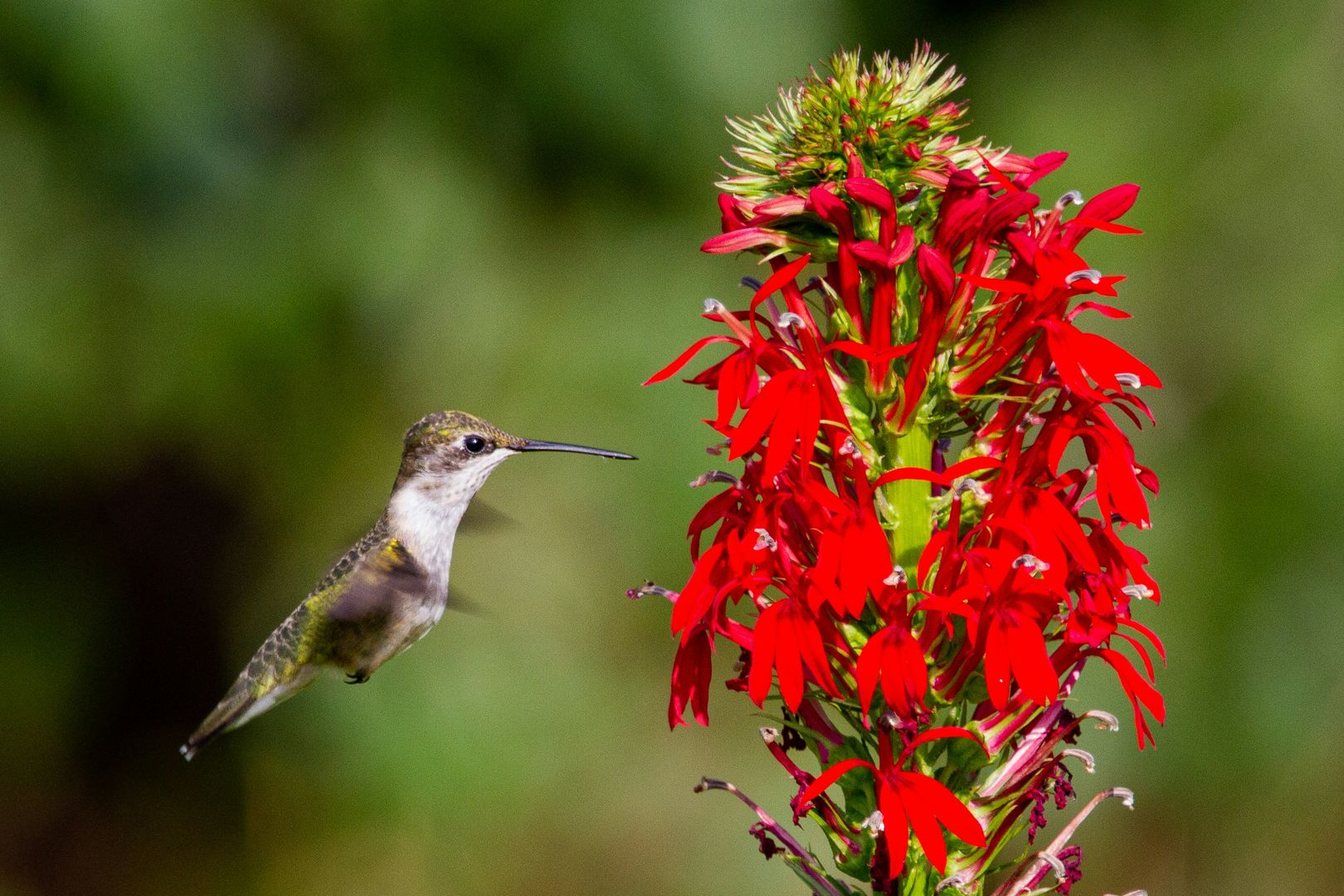
6. Cardinal Flower (Lobelia cardinalis)
- Perennial
Names: Scarlet Lobelia, Indian Pink
The Cardinal Flower depends on hummingbirds since many insects find the flowers difficult to navigate.
Every hummingbird garden must have Cardinal Flower since it’s practically a beacon for hummingbirds!
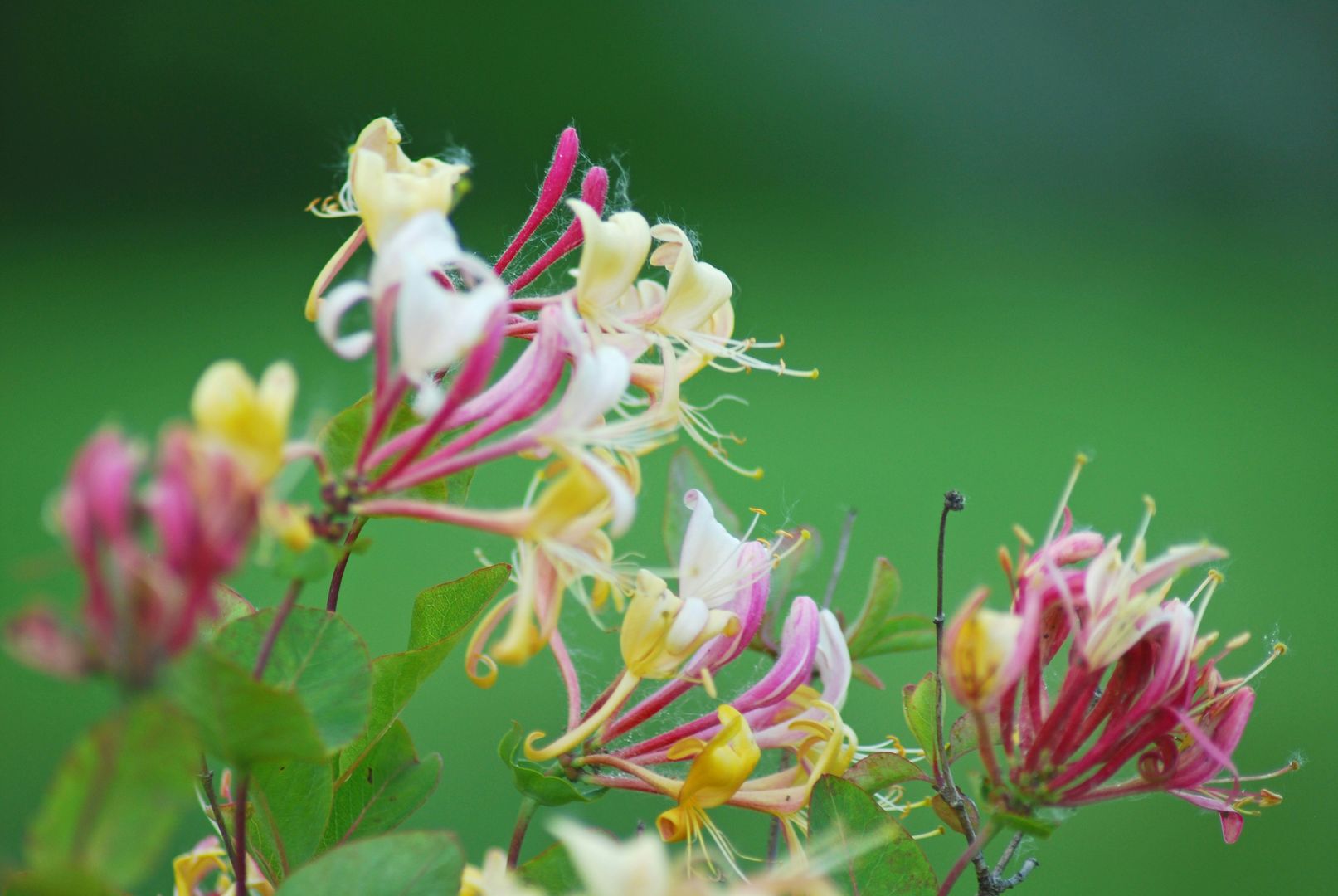
7. Trumpet Honeysuckle (Lonicera sempervirens)
- Perennial
Names: Coral honeysuckle, Scarlet honeysuckle
Named for its tubular, trumpet shaped flowers. These red flowers are ideal for hummingbirds in both shape and color.
It's a native evergreen vine in Mississippi that's far superior to the invasive Japanese variety.
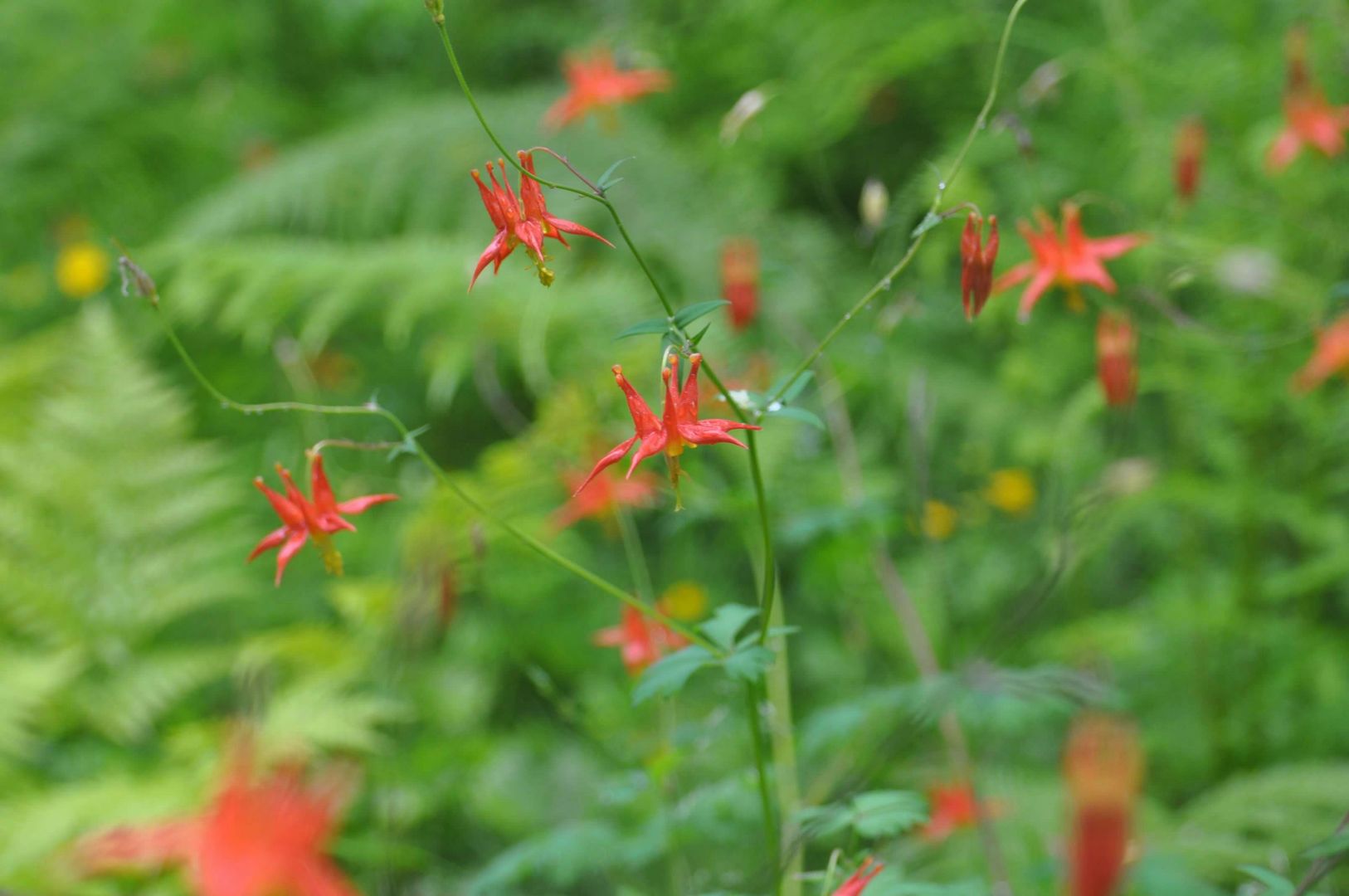
8. Columbine (Aquilegia)
- Perennial
The red, yellow, and tube shape of Eastern Red Columbine found in Mississippi make it a hummingbird favorite.
Western Columbine flowers are great for hummingbirds, too.
The varieties differ a bit in appearance but have the same soft red and orange hues.
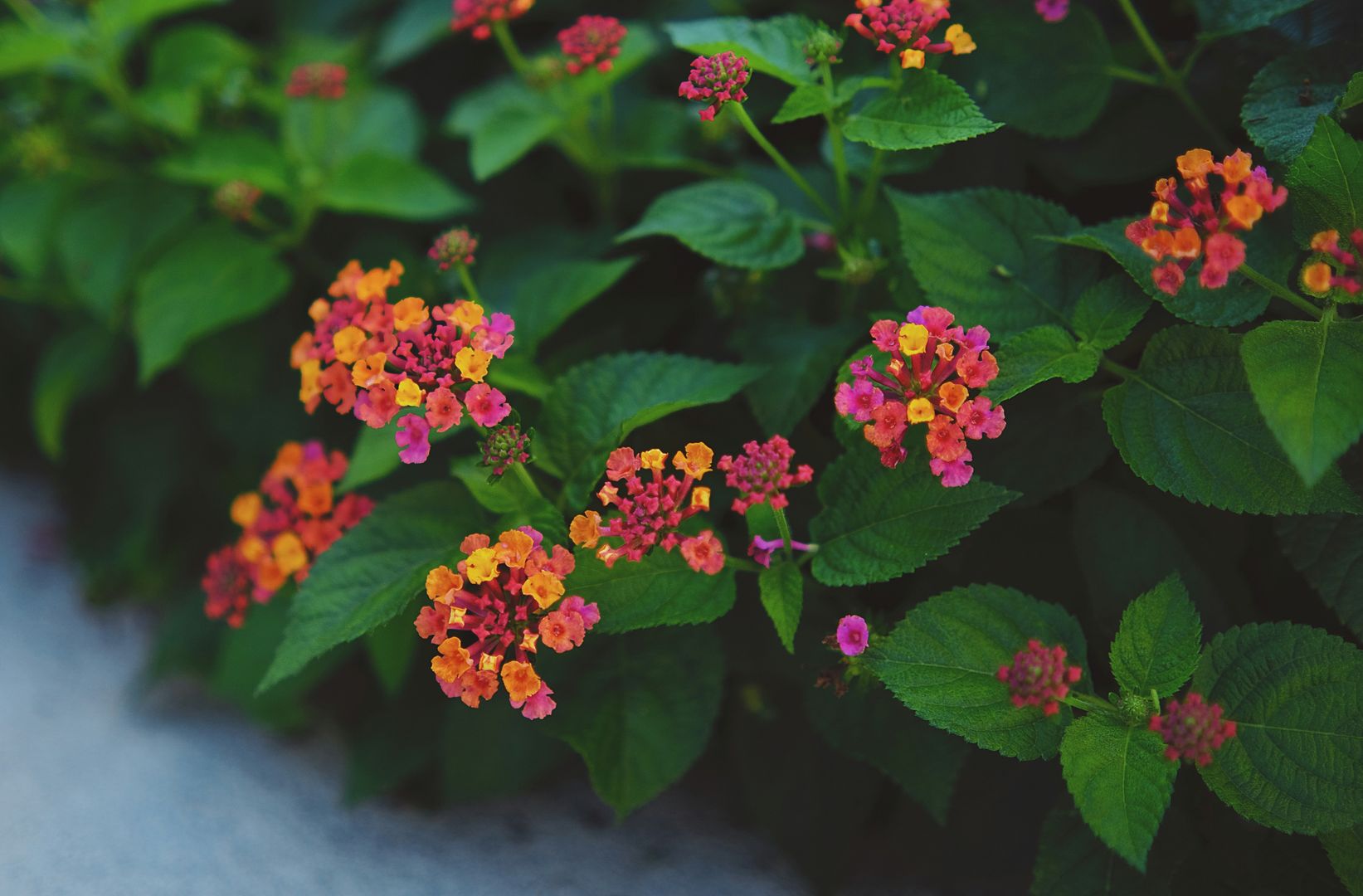
9. Lantana
- Annual
Names: shrub verbena, wild sage, red sage, or Spanish flag
The rich cluster of tubular flowers of the Lantana plant are a favorite for hummingbird gardens.
Common Lantana is toxic to livestock and invasive.
Safe Alternative: Look for the native Gold Lantana (Lantana depressa) or sterile cultivars that do not produce berries for Mississippi.
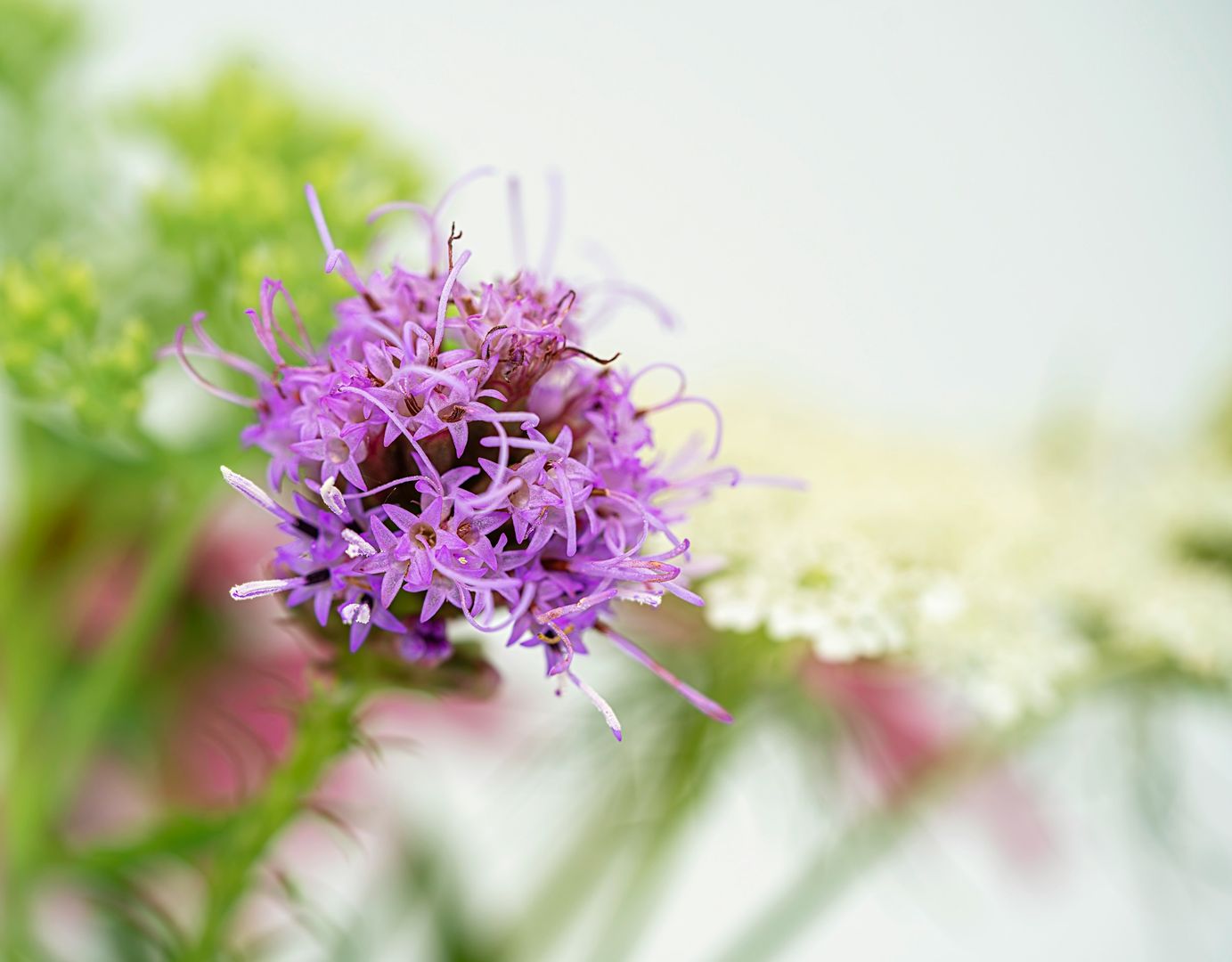
10. Blazing Stars (Liatris)
- Perenial
Names: Gayfeather
A tall cylindrical cluster of spikes for petals, Blazing Stars is one of the more fun flowers you can choose for hummingbirds in Mississippi.
Ideal Liatris strains for attracting hummingbirds in Mississippi are Dense Blazing Star, Pinkscale Blazing Star, or Scrub Blazing Star.
Bonus: Clearwing Hummingbird Moths love Liatris
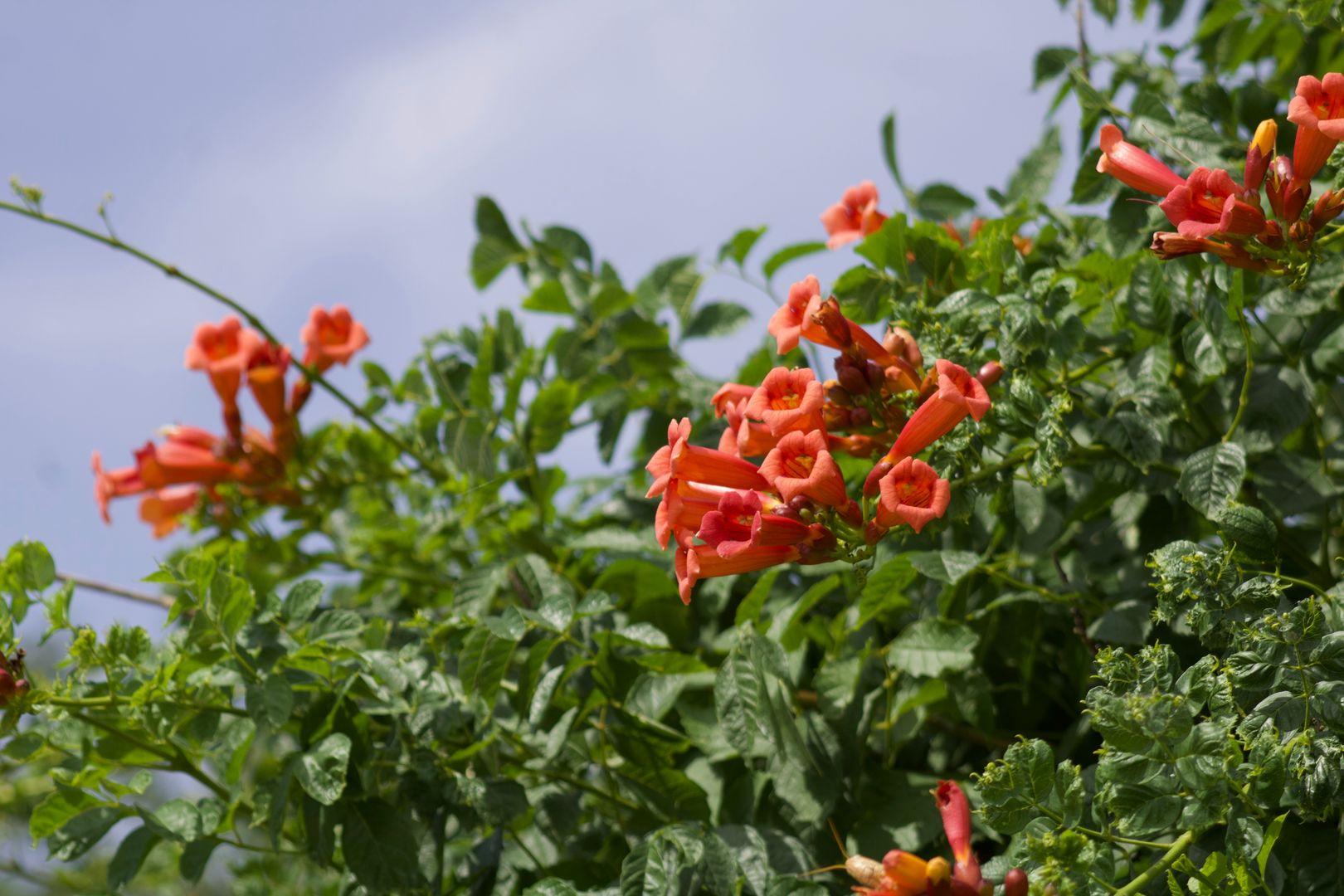
11. Trumpet Vine (Campsis radicans)
- Perennial
Names: Yellow trumpet, trumpet creeper, Hellvine or Devil's Shoestring.
Trumpet vine is a gorgeous orange and peach colored flower native to Mississippi.
If you’re looking to channel a warm sunrise vine in your hummingbird garden, this is the flower to use.
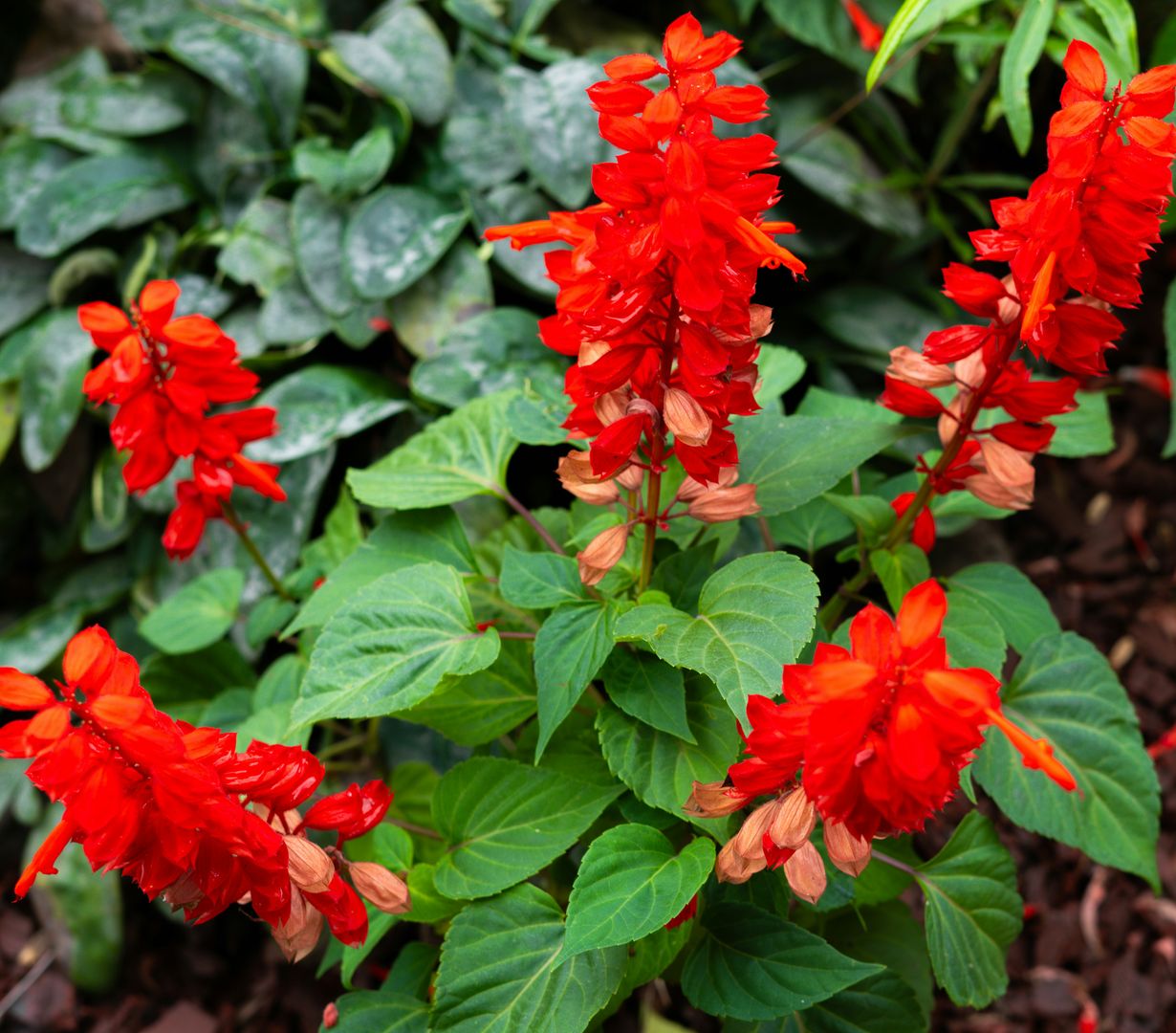
12. Tropical Sage (Salvia coccinea)
- Perennial
Names: Red Sage
The fruity rose, red, and purple hued flowers of hummingbird sage are a staple in any pollinator garden.
Surprisingly, Black & Blue Salvia is a popular choice by birders and gardeners alike.
Salvia is extremely popular in Mississippi gardens and attract many hummingbirds, but they are not technically native to the state.
5 Tips for Attracting Hummingbirds During Migration
1. Use Red Flowers
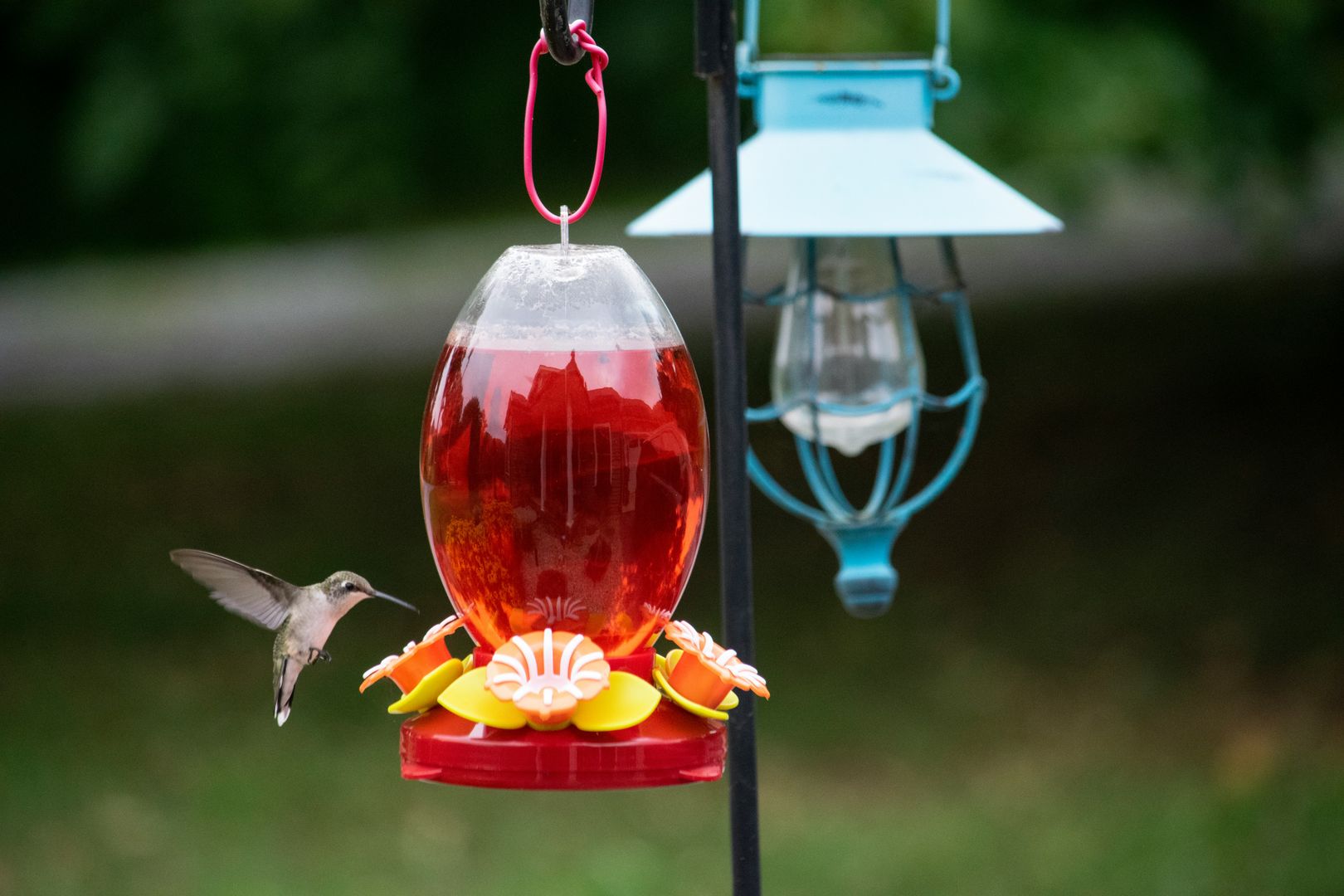
Hummingbirds are red sensitive.
They visit many colors but warm reds, yellows, and oranges increase the odds of them picking your flowers.
2. Avoid Invasive Plants
Butterfly Bush is a favorite for nectar but isn't quite invasive.
It offers food for adults but does not support the larvae of native butterflies, effectively creating a food desert for bird populations in the long run
3. Group Plants Together
Grouping similar plants in clumps makes them easier for hummingbirds to spot.
Use companion planting to make sure your garden thrives!
4. Succession Planting
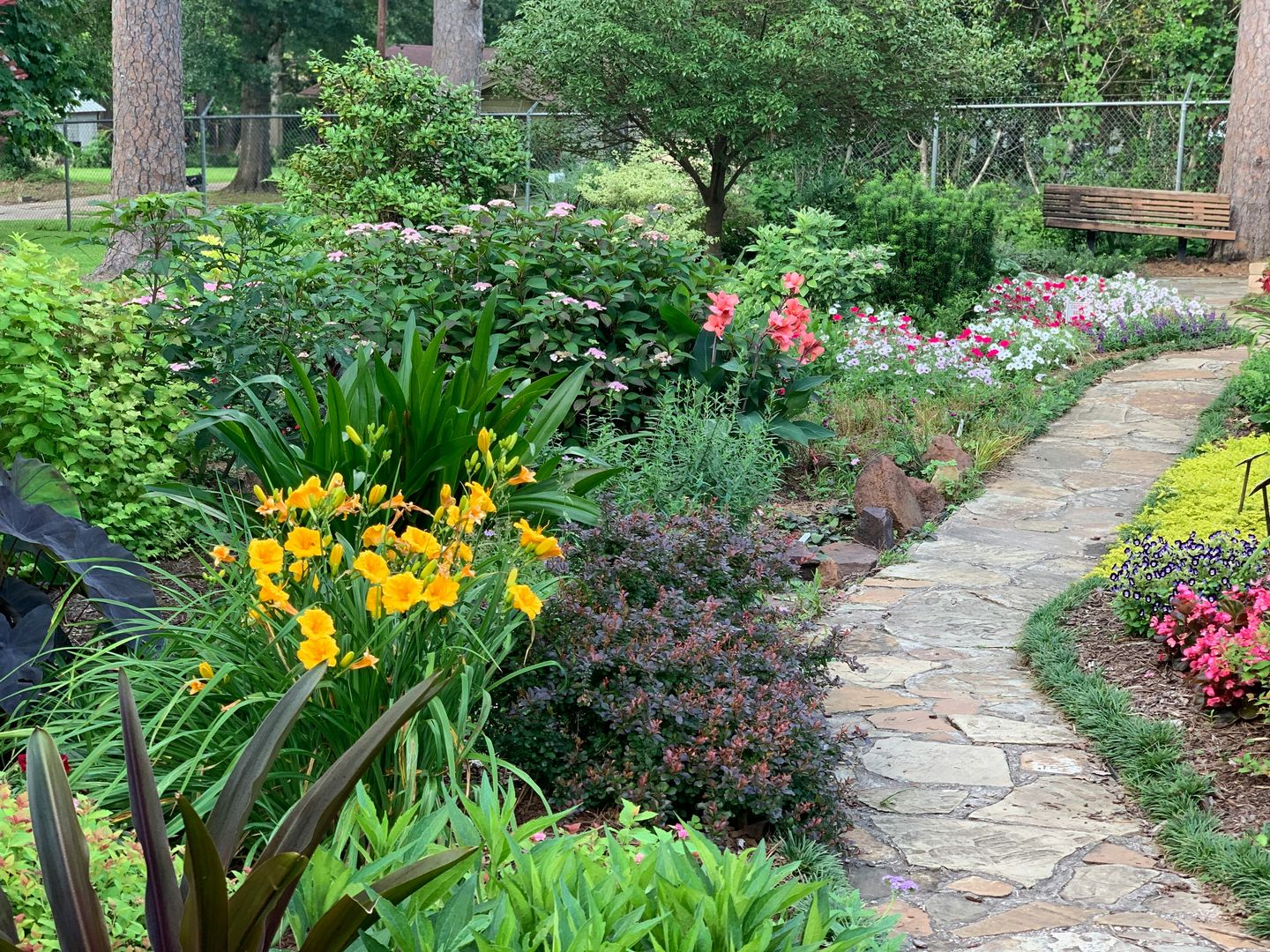
Choose a variety of plants that bloom at different times.
This gives hummingbirds a continuous nectar supply from early spring to late fall.
5. Avoid Pesticides
Insecticides protect plants from destructive insects.
Many store-bought pesticides can kill the insects hummingbirds eat and rely on for protien.
This throws off the delicate balance of the ecosystem.
Opt for these eco-friendly insecticide alternatives:
What flowers do your hummingbirds visit ?
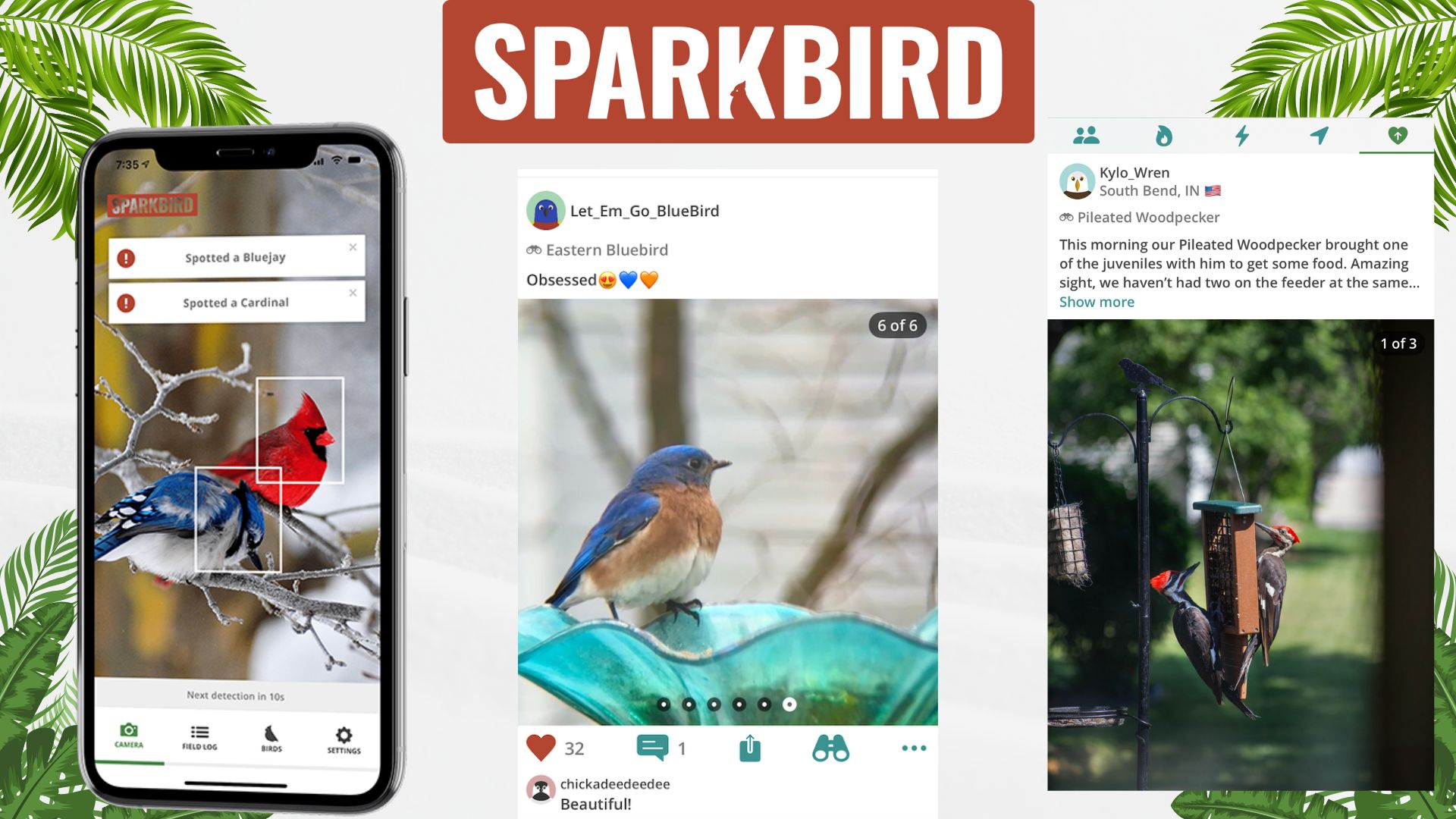
Share it on the Sparkbird App! Available in the Apple App Store.

No comments yet.