
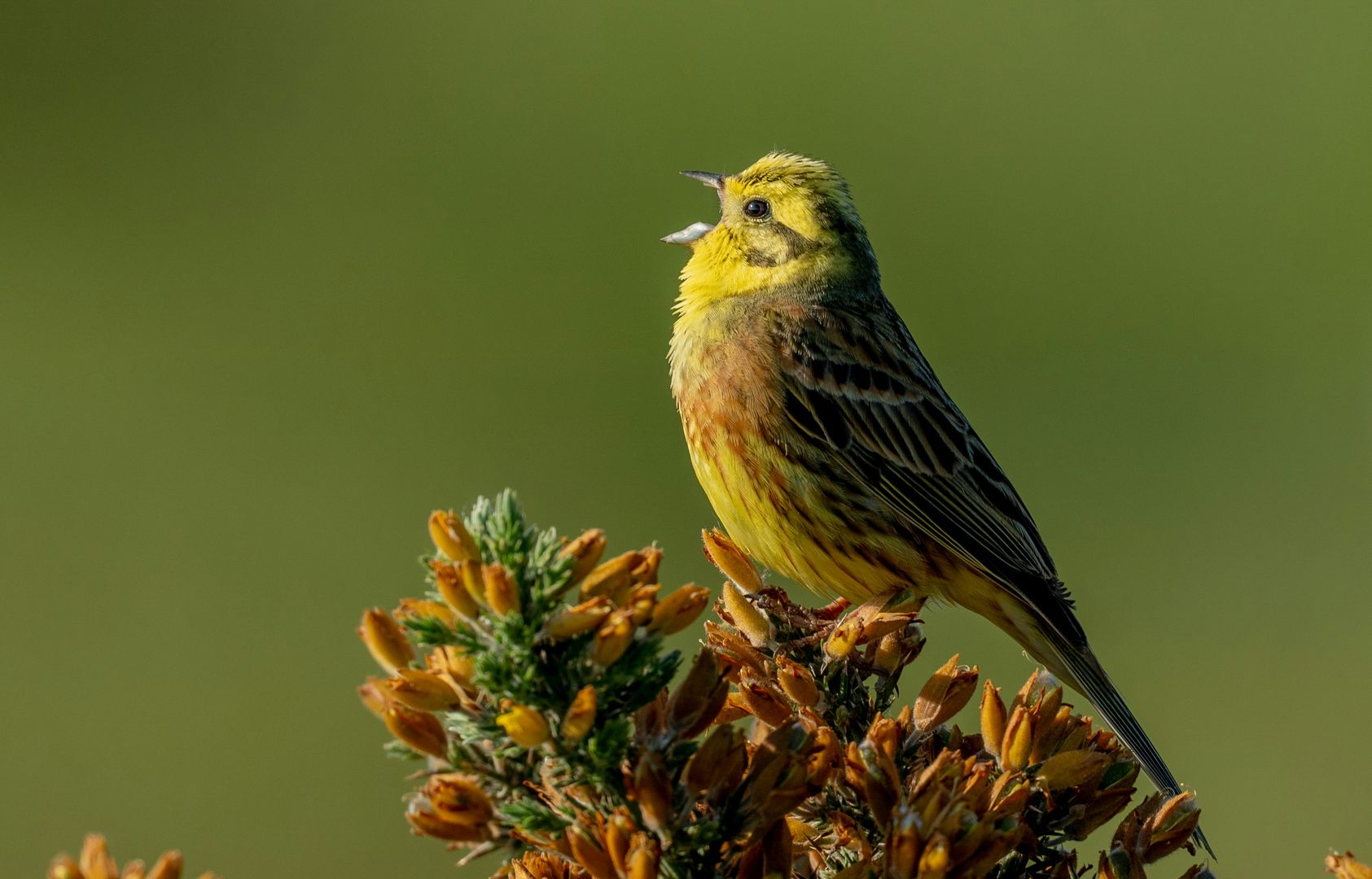
Alabama's state bird is the Yellowhammer, which is not a species. It is a Northern Flicker wearing a nickname, and the state put it on the license plates anyway.
The bird watching groups in Alabama number about a dozen active organizations, plus a records committee, two banding operations, and three festivals. Most cost nothing to walk with. Where annual dues exist they run roughly $10 to $65, and every club below that runs field trips runs some of them free and open to non-members.
The state checklist kept by the Alabama Bird Records Committee has passed 450 species, a lot for a state you can drive across in five hours. Whether you're watching warblers drop into a Dauphin Island oak grove in April or counting cranes at Wheeler in January, somebody nearby has been doing it for thirty years and would like to show you.
Why Join a Bird Watching Group at All
Birding alone is genuinely fine. Nobody hurries you, and nobody sees you spend four minutes on a bird that turns out to be a Mourning Dove.
What a club gives you is the thing no app has: a person who knows what came through last Tuesday. Alabama's best birding is concentrated into narrow windows and narrow places, and a coastal fallout depends on a weather front nobody outside the local network sees coming. That knowledge lives in people.
Clubs are also the front door to community science. The Christmas Bird Count has run every winter since 1900 and is past its 125th season, and Alabama's count circles are organized by the groups below.
One practical note before you spend money. Decent binoculars run from about $150 to well past $500, and you don't need to own a pair to start. Alabama Audubon's trip listings note loaner binoculars on some outings, and trip leaders across the state will hand you a spare if you ask beforehand. Go on three walks with borrowed glass, then read our guide to budget binoculars for birding.
Statewide Bird Watching Groups in Alabama
Alabama Audubon (formerly Birmingham Audubon Society) - Statewide, based in Birmingham
The largest birding organization in the state, active since 1927 and formally established in 1946. It dropped the Birmingham name in 2019 when it went statewide, so older directories listing "Birmingham Audubon Society" point at this group. The event calendar runs year round across Birmingham, Tuscaloosa, Montgomery, Lauderdale County, and the coast, most trips marked free.
Membership is optional and not required for free trips: student $20, individual $35, family or dual $65 a year. Popular free trips still cap registration and sell out, so book rather than turn up.
Alabama Ornithological Society (AOS) - Statewide
Founded in 1952 and the closest thing Alabama has to a scientific bird society. AOS holds three meetings a year, each built around a weekend of field trips, and runs free field trips year round across Alabama and northwest Florida. The spring meeting is traditionally on Dauphin Island; $30 registration plus a $30 banquet. Dues are $10 student, $25 individual, $40 family. AOS publishes Alabama Birdlife and The Yellowhammer.
Christmas Bird Count - Statewide, mid-December to early January
A free census running December 14 through January 5, organized locally by individual clubs and compilers. It is the easiest way to meet a dozen Alabama birders in one morning, and beginners get paired with experienced counters rather than handed a clipboard. No experience or membership required.
Bird Watching Groups in Huntsville and the Tennessee Valley
North Alabama Birdwatchers Society (NABS) - North Alabama
The most reliably active field trip club in the state, and the place to start if you live north of Birmingham. NABS publishes a full seasonal trip schedule covering Wheeler National Wildlife Refuge, Monte Sano State Park, Swan Creek Wildlife Management Area, Chapman Mountain, and the Huntsville chimney swift watches.
Trips start at 7:00 a.m. from August through October and April through May, 8:00 a.m. November through March. There are no dues at all, and the club is open to everyone including beginners. Some older state resource pages still list a northalbirders.com address; the working site is linked here.
Tennessee Valley Audubon Society - Limestone, Madison, & Morgan Counties
Established in 1985 and incorporated as a nonprofit in 2016, running educational hikes, workshops, and presentations across the three Tennessee Valley counties. Membership is $20 a year, covers this chapter and National Audubon, and is explicitly not required to participate.
Contact them directly before you drive. The public events listing has not been refreshed in some time, and the chapter's own resources page still refers to "Birmingham Audubon Society," a name retired in 2019.
Wheeler Wildlife Refuge Association - Decatur, Morgan County
The friends group for Wheeler National Wildlife Refuge and organizer of the Festival of the Cranes, held January 9 to 11 in 2026 across the refuge visitor center, the Princess Theatre, the Cook Museum of Natural Science, and other Decatur venues.
If you want sandhill cranes in numbers, and quite possibly whooping cranes, this is why to come in January rather than April.
Bird Watching Groups in Birmingham and North Central Alabama

Alabama Audubon Birmingham Field Trips - Jefferson and Shelby Counties
Alabama Audubon is headquartered in Birmingham and its densest cluster of outings is here: Ruffner Mountain, Red Mountain Park, Oak Mountain State Park, and the Russell Bailey Memorial Beginner Bird Walk, aimed at people who have never held binoculars.
Most Birmingham walks are free; classes and specialty trips are ticketed with member discounts. Where a destination charges its own gate fee, that is on you.
Feminist Bird Club Birmingham - Birmingham
A local chapter of the national Feminist Bird Club, listed on the parent organization's chapters page and organized through a private Facebook group rather than a website. Walks are informal, free, and pitched at people who find a traditional club intimidating.
Everything runs through social media, so join the group and watch for announcements.
Bird Watching Groups on the Gulf Coast
Mobile Bay Audubon Society (MBAS) - Mobile and Baldwin Counties
The coastal chapter, covering the two counties that hold most of Alabama's best birding. Monthly meetings run the second Tuesday from September through May at the 5 Rivers Delta Resource Center, social at 6:00 p.m. and program at 6:30, free and open to the public.
Field trips are also free and open to the public, with a release form signed on site. No advance RSVP for adult trips, but you do need to be on the field trip coordinator's notification list to hear about them, because the public events tab is frequently empty even when trips are running.
Dauphin Island Bird Sanctuaries (DIBS) - Dauphin Island, Mobile County
An all-volunteer 501(c)(3) founded in 1992 that buys and protects the wooded lots migrants actually land in, including Goat Tree Reserve, Tupelo Gum Swamp, Gorgas Swamp, and Sto's Woods. Not a field trip club, but if you bird Dauphin Island, this is the organization holding the habitat together.
John L. Borom Alabama Coastal BirdFest - Baldwin and Mobile Counties
In its twenty-fourth year and run by Alabama Audubon, held over four days at the peak of spring migration. The 2026 festival ran April 23 to 26 out of Fairhope; 2027 dates are April 22 to 25. Trips are individually ticketed and registration closes well before the event, so watch the page in January.
Bird Watching Groups in Montgomery, the Black Belt, and East Alabama
Black Belt Birding Festival - Alabama Black Belt
Alabama Audubon's summer festival, sixth edition held July 31 to August 2, 2026. Registration is $5 per person with events priced à la carte, closing about a week before it opens. The weekend pairs birding in the remnant prairies with the region's civil rights history, which makes it the most distinctive birding event in the state.
Alabama Nature Center - Millbrook, Elmore County
Run by the Alabama Wildlife Federation on the Lanark campus north of Montgomery, with trails through hardwood forest, streams, and wetlands plus the NaturePlex building.
Trail access is $5 for ages four and up, open 9:00 a.m. to 5:00 p.m. Monday through Saturday. The closest thing the River Region has to a staffed birding venue.
Kreher Preserve & Nature Center - Auburn, Lee County
Auburn University's teaching preserve, added to the Alabama Birding Trails in 2018 and run by the College of Forestry, Wildlife and Environment. It hosts public nature programming year round, including Auburn University Raptor Center events, and Alabama Audubon has led spring bird walks here.
Programs are individually priced; fall registration opens in early August.
Bird Watching Groups in Tuscaloosa and West Alabama
West Alabama is the one region where we could not verify a standing local bird club. What exists instead is a regular visiting schedule from the statewide organization.
Alabama Audubon Tuscaloosa Field Trips - Tuscaloosa County
Alabama Audubon runs periodic Tuscaloosa outings, typically meeting at Bowers Park and then moving to the Harry Pritchett Running Park area beside the University of Alabama Arboretum. These trips are free at both locations and run roughly 7:30 a.m. to 1:00 p.m. Register through the Alabama Audubon event page.
University of Alabama Arboretum - Tuscaloosa County
Woodland at 4801 Arboretum Way, and by the Alabama Birding Trails' assessment simply the best place near Tuscaloosa for woodland songbirds: Barred Owls, tanagers, warblers, vireos, nuthatches. Paths are wide but turn muddy after rain, and golf cart access can be arranged in advance for visitors with mobility needs. Best fall through spring.
Other Ornithology and Research Groups in Alabama

Alabama Bird Records Committee (ABRC) - Statewide
The AOS committee that reviews rare bird reports and decides what goes on the official state list. If you find something extraordinary, the documentation goes here, through the submission form on the committee's page. The checklist it produces was revised in September 2025.
Banding Coalition of the Americas - Fort Morgan, Baldwin County
The successor operation at Fort Morgan. Bob and Martha Sargent's Hummer/Bird Study Group ran the station for decades; since 2019 the Banding Coalition, founded by their former trainees, has run it, so anything saying otherwise is out of date. The public fall banding session runs 8-9 days, usually the 1st week of October, 8-3 p.m. Watching is free; the fort charges admission.
Alabama Audubon Bird Banding - Ruffner Mountain, the coast, and the Black Belt
A year-round MAPS station at Ruffner Mountain since 2023, a week of spring banding at Fort Morgan, a week each fall at the Audubon Bird Sanctuary on Dauphin Island, and a winter grassland-bird project in the Black Belt. Public demonstrations appear on the main event calendar, usually free with registration.
Alabama Birding Trails - Statewide
Eight regional driving trails covering 280 birding sites, run by the Alabama Department of Conservation, the University of Alabama, and Alabama Audubon. The site pages carry what you need before a drive: county, best season, top birds, accessibility, and whether a gate charges. The Coastal trail alone covers 50 sites and six driving loops across Baldwin and Mobile Counties.
AOS eBird Project - Statewide
A push to fill in Alabama's under-birded rural counties on eBird, which raised average species totals in 16 target counties from 128 to 163 between 2017 and 2019. If you live somewhere nobody birds, complete checklists from your county are a real contribution and cost nothing.
Auburn University Museum of Natural History Ornithology Collection - Auburn, Lee County
Roughly 2,000 bird skins, about 90 percent collected in Alabama, now searchable online. Check the access terms first: the museum has no public hours and opens only for scheduled tours.
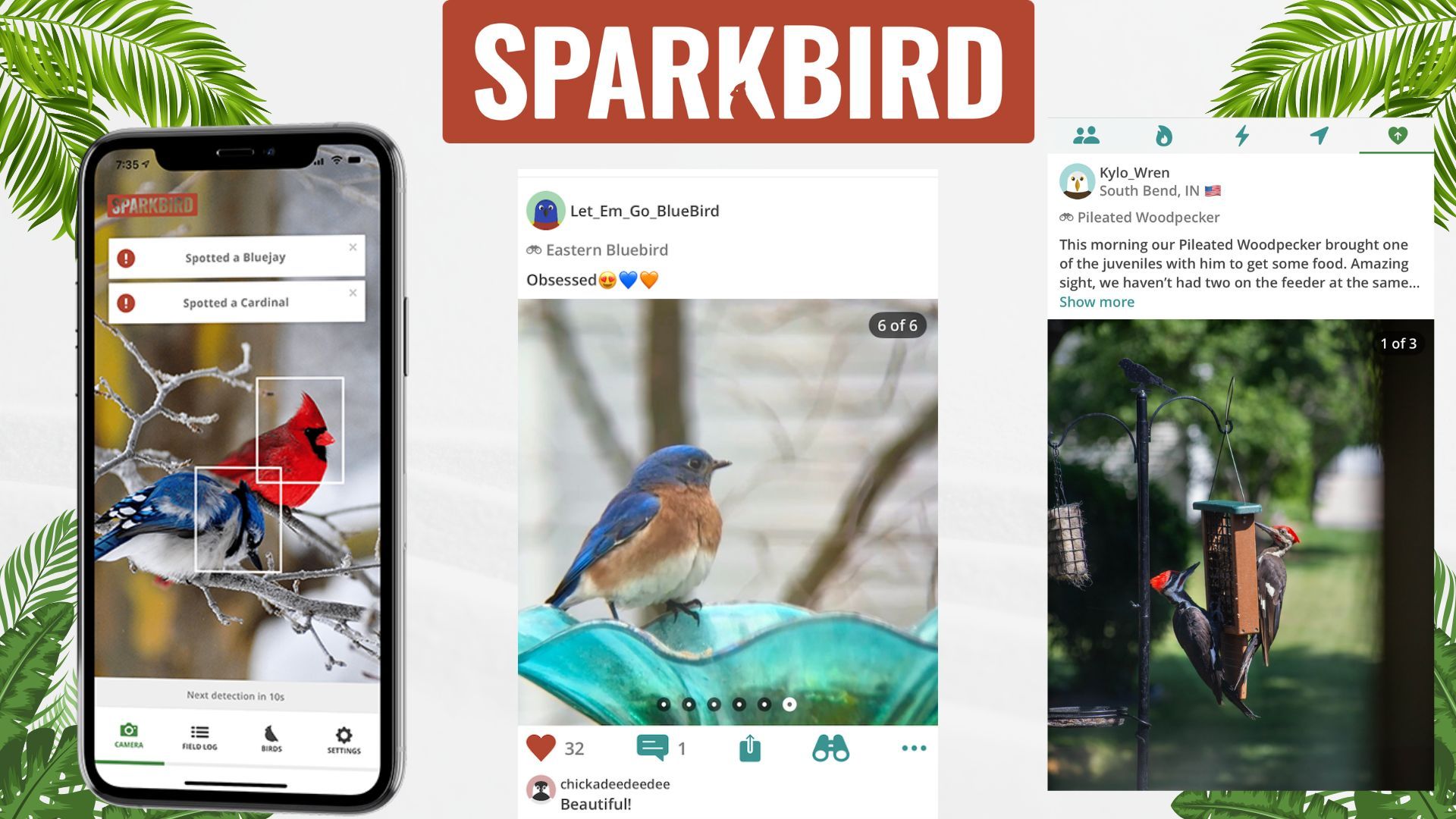
Sparkbird App - Online Community
We built Sparkbird for people who want a friendly community rather than a leaderboard. Track your life list, get identification help, and meet people who also stop mid-sentence to look at a tree.
Where to Go Birding in Alabama
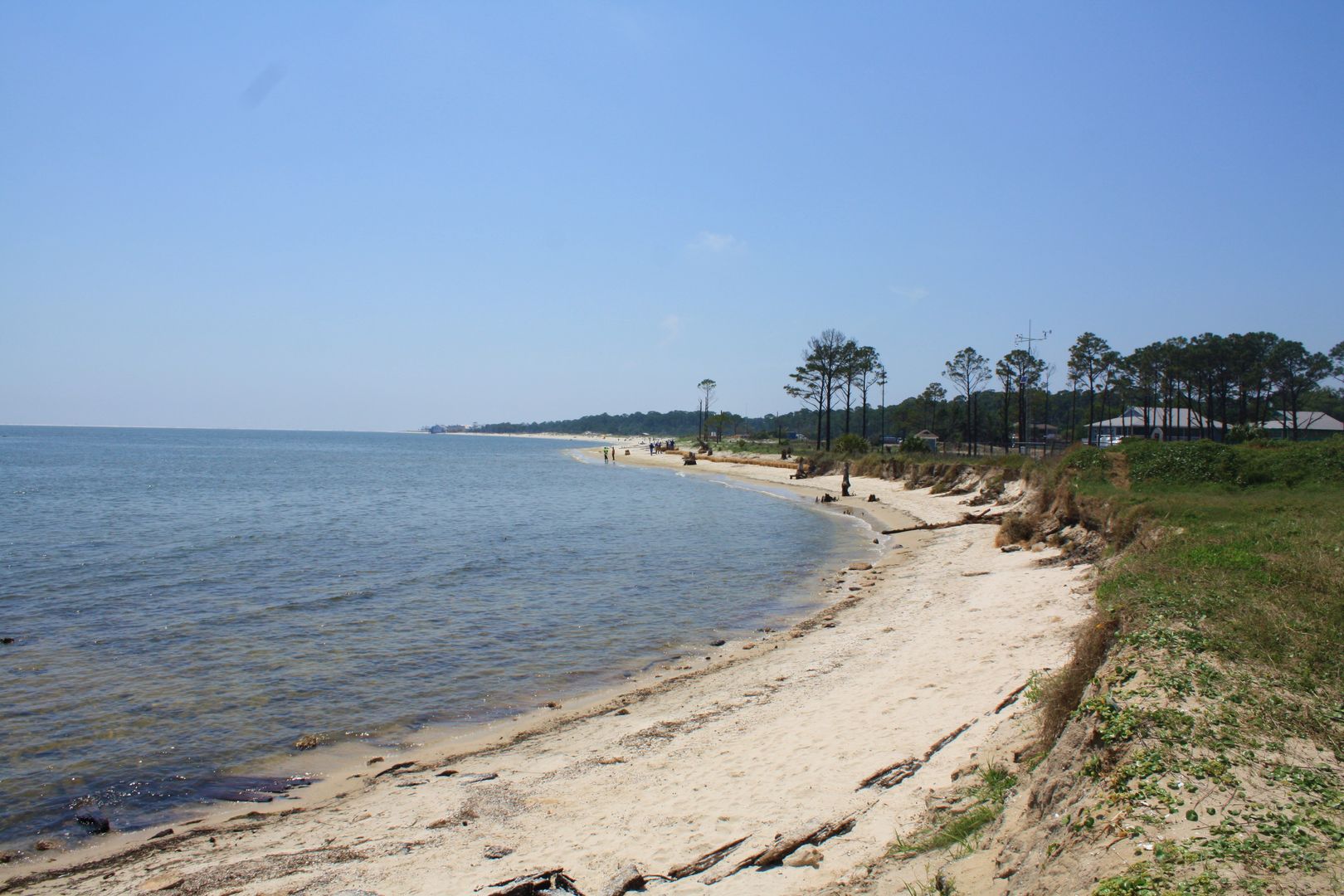
Joining a club is the fastest way into local knowledge, but these sites reliably produce, and the Alabama Birding Trails pages are the best place to check access before any of them.
- Audubon Bird Sanctuary (Dauphin Island, Mobile County) — More than 155 acres of maritime forest, marsh, dune, swamp, and lake, with a National Recreation Trail system and a 1,000-foot accessible boardwalk. Free, no parking fee, but the lot is small and overflow parking at Cadillac Square is a twenty-minute walk. No restrooms on site. April is why people fly in.
- Fort Morgan State Historic Site (Baldwin County) — A classic migrant trap at the tip of the peninsula, designated a globally important bird area. Fort and grounds open 8-5 p.m. daily, museum 9-4 p.m., closed Thanksgiving, Christmas, and New Year's Day. An admission fee is charged at the gate; tickets can be bought in advance. The wooded Stables area is the best passerine spot and hosts October banding.
- Bon Secour National Wildlife Refuge (Gulf Shores, Baldwin County) — Protected specifically for neotropical migrants making the Gulf crossing. No entry fee. The Pine Beach, Jeff Friend, and Centennial trails open sunrise to sunset, year round; the visitor contact station opens weekdays 9-1 p.m. only. No pets, no bikes.
- Wheeler National Wildlife Refuge (Decatur, Morgan, Limestone, and Madison Counties) — 35,000 acres and Alabama's winter set piece: thousands of sandhill cranes, over 30 species of waterfowl, and a handful of endangered whooping cranes, watched from a heated observation building with spotting scopes. Free admission. Visitor center open Tuesday to Saturday, 9-4 p.m. March through October and to 5 p.m. November through February, closed Sunday and Monday.
- Cheaha State Park (Clay and Cleburne Counties) — Alabama's highest ground at 2,407 feet and the state's oldest continuously operating park, in Talladega National Forest with Pinhoti Trail access. The elevation buys a different bird list from anywhere else in the state. Day use is $5 for ages 12 and up, $2 for ages 4 to 11 and seniors 62 and over, free under 4 and for veterans and military with ID. Gates close thirty minutes before sunset; trails close at sunset.
- Oak Mountain State Park (Pelham, Shelby County) — Alabama's largest state park, twenty miles south of Birmingham, with the Tree Top Nature Trail boardwalk and the Alabama Wildlife Center on site. Open 7 a.m. until sunset. Day use is $5 for ages 12 and up, $2 for ages 4 to 11 and seniors, free under 4 and for veterans and military.
If you would rather start from your own yard while you wait for April, our guide to Alabama plants for hummingbirds covers what actually works in this climate.
Alabama Bird Books and Field Guides
A regional guide beats a continental one for your first year, because it removes 500 birds you will never see in Alabama.
Birds of Alabama Field Guide

Birds of Alabama Field Guide (Bird Identification Guides)
Adventure Publications
Stan Tekiela's Alabama volume, organized by color. See a yellow bird, turn to the yellow section. The least intimidating way in, and the one to hand a beginner.
A Birder's Guide to Alabama
The site guide, written by AOS members, edited by John F. Porter Jr., published by the University of Alabama Press in 2001. 368 pages, 50 maps, and bar charts of frequency and distribution for most Alabama species. AOS says candidly on its publications page that sections have dated and that it is second-hand only. The location detail is unmatched.

The Sibley Field Guide to Birds of Eastern North America
The second edition of the standard portable eastern guide. Buy it when the color-coded guide starts feeling too small.

The Sibley Field Guide to Birds of Eastern North America: Second Edition (Sibley Guides)
Knopf
Peterson Field Guide to Birds of Eastern and Central North America
The seventh edition of the other standard. Peterson's arrows pointing at field marks remain one of the best teaching devices in birding.
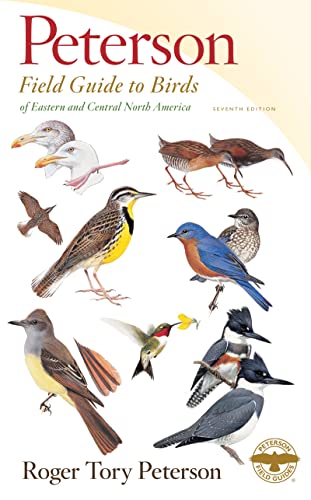
Peterson Field Guide To Birds Of Eastern & Central North America, Seventh Ed.: The Classic Birdwatching Guide with Updated Range Maps
Mariner
Alabama Bird Rescue and Rehabilitation
Always call first. Intake capacity, hours, and permitted species vary between centers, and several Alabama facilities take only raptors or only songbirds.
The state's own guidance is worth reading before you pick anything up: most young birds on the ground are not orphaned.
Alabama Division of Wildlife and Freshwater Fisheries: Permitted Wildlife Rehabilitators
The official state list, organized by county, showing which species each rehabilitator is permitted for and whether they will collect an animal or require drop-off. Start here. For questions about whether a bird needs help, the state's wildlife rehabilitation line is 334-242-3469. Baldwin County readers should check the list for the Orange Beach Wildlife Center, permitted for migratory birds.
Alabama Wildlife Center - Shelby County (Pelham, inside Oak Mountain State Park)
The oldest and largest wildlife rehabilitation center in the state, taking nearly 2,000 birds a year, with songbirds the specialty. Bird admission runs daily 11:00 a.m. to 4:00 p.m., and the help line is 205-663-7930, extension 1. Avian influenza restrictions have kept the center from accepting the following: waterfowl, shorebirds, wading birds, pelicans, gulls, corvids, and raptors. Closed to the public on Mondays, bird intake by appointment. Reaching it means paying Oak Mountain's entrance fee.
Auburn University Raptor Center (formerly the Southeastern Raptor Center) - Lee County (Auburn)
Hawks, owls, eagles, falcons, kites, and vultures, and nothing else. It accepts patients seven days a week but only with prior phone authorization, so calling 334-844-6347 is not optional. Admissions close at 4:30 p.m., at 1350 Pratt-Carden Drive.
Environmental Studies Center - Mobile County (Mobile)
Run by Mobile County Public Schools at 6101 Girby Road, permitted for migratory birds along with rabbits, opossums, and gopher tortoises. Open weekdays 8:00 a.m. to 4:00 p.m., closed Fridays in June and July. Call 251-221-5000 first.
Frequently Asked Questions
Are there beginner-friendly bird watching groups in Alabama?
Yes. Many, but specifically The North Alabama Birdwatchers Society is open, Alabama Audubon beginner bird walk, & Mobile Bay Audubon's meetings and field trips.
What is the best time of year for bird watching in Alabama?
April on the coast is the most popular. Winter is the underrated answer. Wheeler holds thousands of sandhill cranes and a handful of whooping cranes from November through February. Summer is slow nearly everywhere.
Where is the best bird watching in Alabama?
Dauphin Island. The Audubon Bird Sanctuary there is regularly ranked among the best spring migration sites in North America. The Fort Morgan peninsula across the bay is its equal in a good week. Inland, Wheeler is the winter destination and Cheaha State Park offers an elevation-driven bird list you get nowhere else in the state.
Got an Alabama Birding Group to Recommend?
Clubs form and quietly stop. If you know a group we have missed, tell us in the comments or on the Sparkbird App.
Our goal is a birding community that connects people to nature and to each other. Bird watching groups turn out to be unusually good at this, mostly because everyone is looking the same direction and nobody has to make eye contact.
- Related: How to Use the Sparkbird App

No comments yet.