
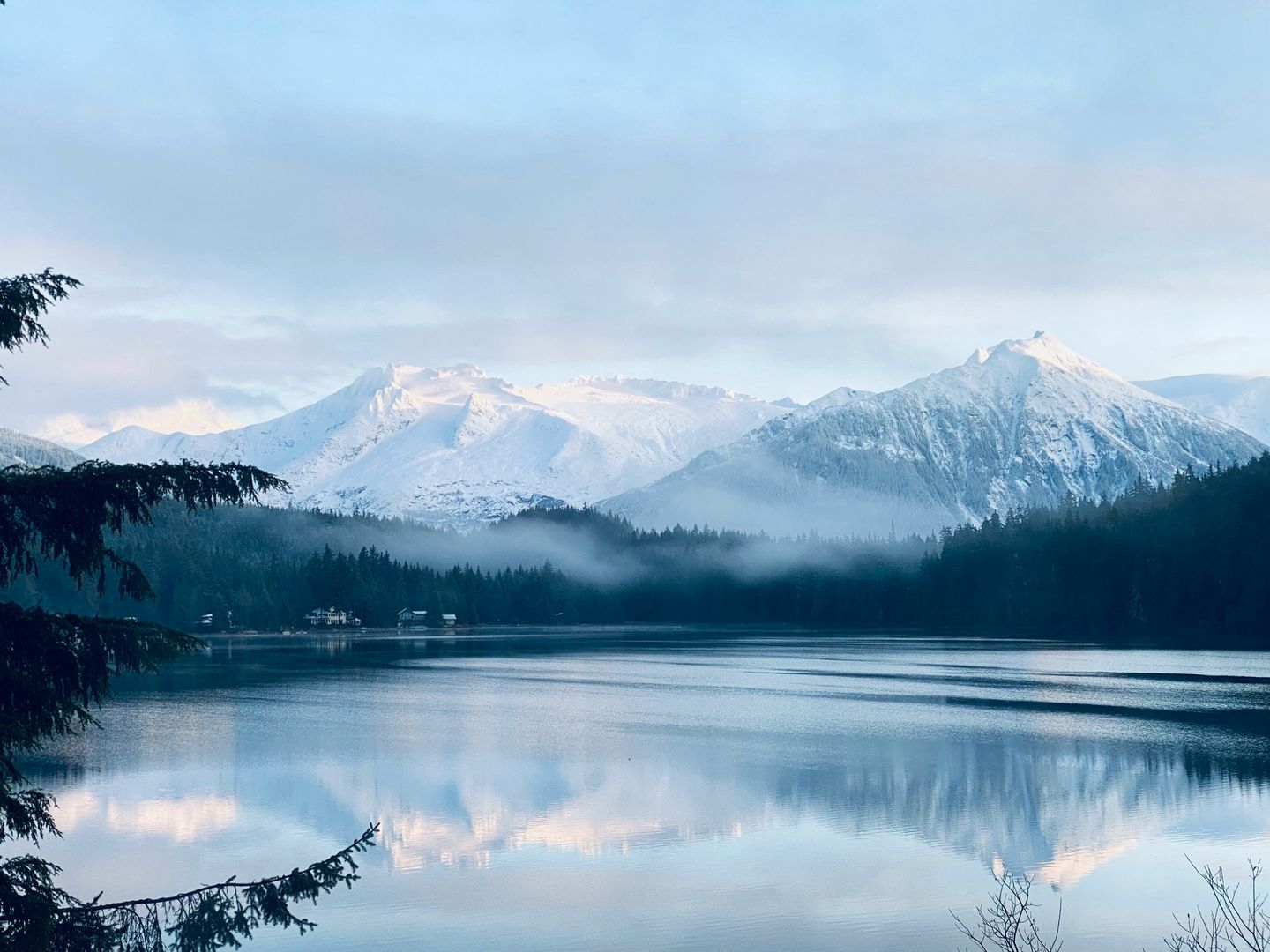
Alaska has fewer bird clubs than Ohio and roughly nine times the land area. Residents will inform you the state is bigger than Texas, California and Montana combined, usually within four minutes of meeting you. It's also got 5 Audubon chapters and a handful of independent clubs cover a coastline longer than the entire Lower 48's.
Bird watching groups in Alaska work differently. A club in Homer is no use to someone in Fairbanks, and no amount of enthusiasm closes a gap with no connecting road. What fills the space is a strong festival circuit, refuge-run programming, and statewide organizations anyone can join from anywhere.
Almost all of it is free.
Chapter meetings are open to the public, field trips rarely charge, and the one club here that publishes dues asks ten dollars a year.
Why Join a Bird Watching Group at All
Birding alone in Alaska is pleasant right up until you realize you have no idea whether the shorebird flock on that mudflat is the good one, or whether the road you are on still goes through.
Local knowledge here is not a luxury, it is logistics. Which gravel road is passable, when the tide pushes shorebirds close enough to identify, whether the boardwalk is open yet, which week the Bristle-thighed Curlews reach the tundra.
Clubs are also how community science happens up here. The Christmas Bird Count has run since 1900 and covers a mid-December to January 5 window, and in Alaska nearly every count circle is organized by a chapter below. Beginners get paired with experienced counters, and it costs nothing.
One piece of advice before you spend money. A decent pair of binoculars for birding runs from about $150 to well past $500, and in Alaska the temptation is to over-buy for the scenery. Go on three free club walks first, look through whatever other people hand you, then decide. This is where most blogs push the expensive option, and we are telling you to borrow.
Statewide Bird Organizations in Alaska

Audubon Alaska
The National Audubon Society's state office, running since 1977 out of Anchorage. It is a science and policy shop rather than a walk-leading club, working on Important Bird Areas covering some 119 million acres, 16 national wildlife refuges, and shorebird and seabird conservation statewide. It supports the five Alaska chapters below, and its news feed was updated in August 2026.
Alaska Songbird Institute (ASI) - Fairbanks
The closest thing Alaska has to a bird observatory, and successor to the old Alaska Bird Observatory. The Creamer's Field Migration Station was founded by Tom Pogson in 1992, run by the Alaska Bird Observatory through 2012 and adopted by ASI in 2013. It is the northernmost songbird banding station in North America.
ASI also runs the Swallow Ecology Project, the Fairbanks FeederCount and internships. Volunteers are welcome and banding demonstrations are open to visitors in season.
Checklist of Alaska Birds - University of Alaska Museum, Fairbanks
Alaska's official state list, compiled by the University of Alaska Museum Department of Ornithology with status recommendations from the state's bird records committee. The 32nd edition, dated January 1, 2026, stands at 551 species in 67 families, plus 15 that remain unsubstantiated. Free to download.
Alaska Department of Fish and Game Bird Checklists
Free printable checklists for Anchorage, Palmer Hay Flats, Kachemak Bay, Juneau, Ketchikan, Kodiak, Nome, Skagway, Yakutat and the Yukon Delta, among others. Print the one for wherever you are going, because a 551-species state list is no help on a specific mudflat.
Bird Watching Groups in Southcentral Alaska
Anchorage Audubon Society - Anchorage and Southcentral
The busiest chapter in the state and the best entry point for a beginner. Monthly meetings run September through May, 6:00 to 8:00 PM at the BP Energy Center or the Anchorage Public Library, free and open to the public. The annual events calendar includes spring walks at the BLM Campbell Creek Science Center, the Potter Marsh-A-Thon in late May, a Seward winter birding trip in February, and the Anchorage Christmas Bird Count.
The chapter also runs the Gunsight Mountain HawkWatch Weekend on the Glenn Highway in April. Note the deliberate summer pause: from about June 1 to September 1 the chapter stands down under the heading "It's Summer. Go Birding," which is the most Alaskan programming decision in this directory.
Mat-Su Birders - Matanuska-Susitna Valley
An independent club, not an Audubon chapter, covering Palmer, Wasilla and the wider valley. Meetings are the second Wednesday of the month, September through May, at 7 PM in the Valley Community for Recycling Solutions classroom. Bird walks run through the season, and the club states plainly that it is open to anyone who likes watching wild birds, at the feeder or in the field. The site was current as of June 2026 and lists no dues.
Bird Watching Groups in Interior Alaska
Arctic Audubon Society - Fairbanks
The Interior chapter, covering Fairbanks and the Tanana Valley. Programs are free and open to all ages, usually at the Noel Wien Public Library Auditorium or on the UAF campus, and the calendar of events has carried listings as recent as April 2026. The chapter runs the Fairbanks Christmas Bird Count and FeederCount, manages the Riedel Nature Reserve, and hosts winter speaker nights and snowshoe outings. Membership is $10 a year by mail.
One caveat: the website updates in bursts, so check the chapter's social feeds before planning around a listed date.
Friends of Creamer's Field - Fairbanks
Founded in 1991 to support the Creamer's Field Migratory Waterfowl Refuge, and the group that turns a state refuge into a place with real programming. The historic Creamer farmhouse is the visitor and nature center at 1300 College Road, open Monday to Friday 9:30 AM to 5:00 PM and Saturday noon to 4:00 PM. Guided nature walks, the Spring Migration Celebration in late April and the Tanana Valley Sandhill Crane Festival in August all run from here, free to the community.
Bird Watching Groups on the Kenai Peninsula and Kodiak
Kachemak Bay Birders - Homer and the southern Kenai Peninsula
Independent, welcoming and unusually well positioned, since Homer sits at the edge of one of the great shorebird staging areas on the Pacific coast. Meetings are at 5:30 PM at the Alaska Maritime National Wildlife Refuge Headquarters Visitor Center, formerly Islands and Ocean, and field trips post named leaders and meeting points. Everything is cosponsored by the refuge, and the club states that all events are free and everyone is welcome. Volunteers can also join its sea duck survey and shorebird monitoring.
Kodiak Audubon Society - Kodiak Island
Small, persistent and posting into 2026. The annual meeting and Christmas Bird Count sign-up is held at Kodiak College in the Benny Benson Building, hikes are coordinated through the Kodiak Audubon Hikers Facebook page, and the chapter runs an eBird-based birding challenge in February. The site is a Blogspot rather than a polished page, which is worth knowing before you assume it is abandoned. It is not.
Bird Watching Groups in Southeast Alaska
Juneau Audubon Society - Juneau and Southeast Alaska
A chapter since 1977, entirely volunteer run with no paid staff, and the strongest programming in Southeast: natural history field trips, the spring Berners Bay cruises timed to the herring spawn, banding demonstrations, and youth and adult education. Activities are open to the public and the site was current as of May 2026. If you are in Juneau in May, check this calendar first.
Sitka Bird Resources - Sitka
Worth stating honestly: Sitka has several serious birders and no formal club. What exists instead is the SitkaBirds email list, a detailed local checklist with abundance notes and photos, and long-running Christmas Bird Count and Breeding Bird Survey efforts. The Sitka Nature site hosting all of it was updated in January 2026. Join the list rather than looking for meetings.
Alaska Birding Festivals
In most states a festival is a nice extra. In Alaska it is often the only time a critical mass of birders is in one place, and several are worth booking a flight around.
Alaska Department of Fish and Game publishes a bird and wildlife festival roundup each year, which is the best place to check dates.
Alaska Hummingbird Festival - Ketchikan, April
Hosted by the Southeast Alaska Discovery Center, a Tongass National Forest visitor center, and built around the arrival of Rufous Hummingbirds. Useful timing note: the center charges $5 for adults May through September and is free October through April, so the festival falls inside the free window. Children 15 and under are always free.
Stikine River Birding Festival - Wrangell, late April
Five days of programming timed to the spring shorebird and waterfowl push up the Stikine River delta, organized by Travel Wrangell, free and open to the public. The 2027 edition, April 21 to 25, is the 30th anniversary. The old wrangell.com address now redirects, so bookmark the Travel Wrangell page.
Copper River Delta Shorebird Festival - Cordova, early May
Run through the Cordova Chamber of Commerce and approaching its 37th year, with 2027 dates set for May 6 to 9. The delta is one of the hemisphere's most important shorebird stopovers, and the festival is the easiest way to see it with people who know where the birds are. Cordova has no road to the rest of Alaska, so plan on a flight or the state ferry and arrange a vehicle locally.
Kachemak Bay Shorebird Festival - Homer, early May
Alaska's largest wildlife festival, cosponsored by the Alaska Maritime National Wildlife Refuge and the Friends of Alaska National Wildlife Refuges, headquartered at the refuge visitor center at 95 Sterling Highway. The 2026 edition offered 183 separate events, its biggest lineup yet. Registration opens in March and the boat trips sell out, so set a reminder.
Yakutat Tern Festival - Yakutat, late May to early June
Hosted by the Yakutat Nature Society and built around the Aleutian Tern colonies near town, among the most significant anywhere. The 15th annual festival is set for June 3 to 6, 2027. The old yakutatternfestival.org address now forwards to the Nature Society site, where registration lives.
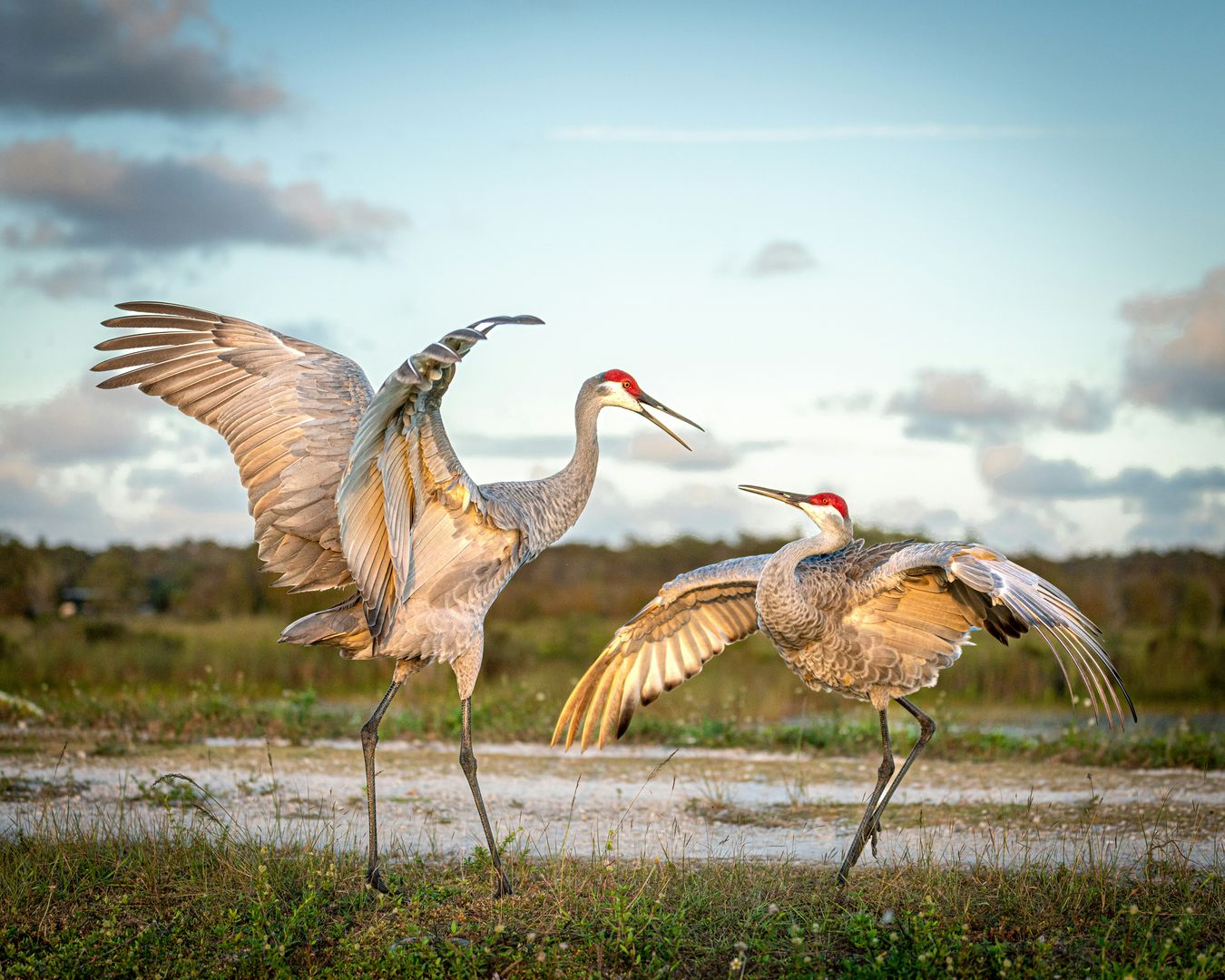
Tanana Valley Sandhill Crane Festival - Fairbanks, August
The 29th annual festival ran August 15 to 23, 2026 at Creamer's Field, organized by Friends of Creamer's Field with Fish and Game, Arctic Audubon and Ducks Unlimited. Most events are free, with a $5 suggested donation on a couple of evening programs. Cranes stage on the refuge fields in numbers you can hear from the parking lot.
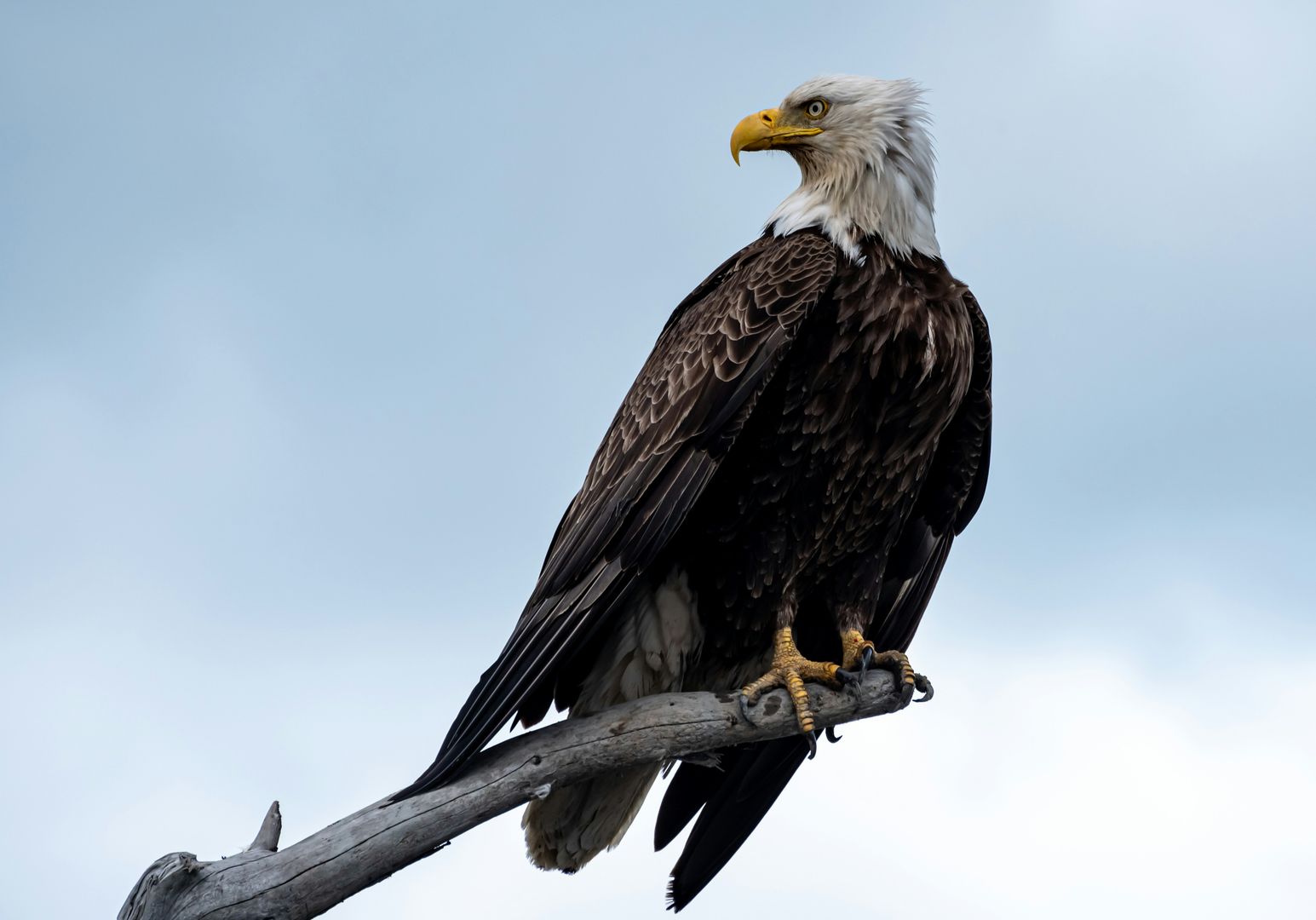
Alaska Bald Eagle Festival - Haines, November
Timed to the late chum salmon run on the Chilkat River, when more than 3,000 Bald Eagles gather in the largest congregation on earth. The 2026 festival runs November 6 to 8, and the American Bald Eagle Foundation in town is the number to call about current-year programming.
Other Alaska Birding Resources
Prince William Sound Audubon Society - Cordova
National Audubon still lists a chapter in Cordova, but we could not find a working website or current contact for it this year. Until that changes, treat the Copper River Delta Shorebird Festival as the front door to birding in Prince William Sound rather than chasing a chapter that may be dormant.
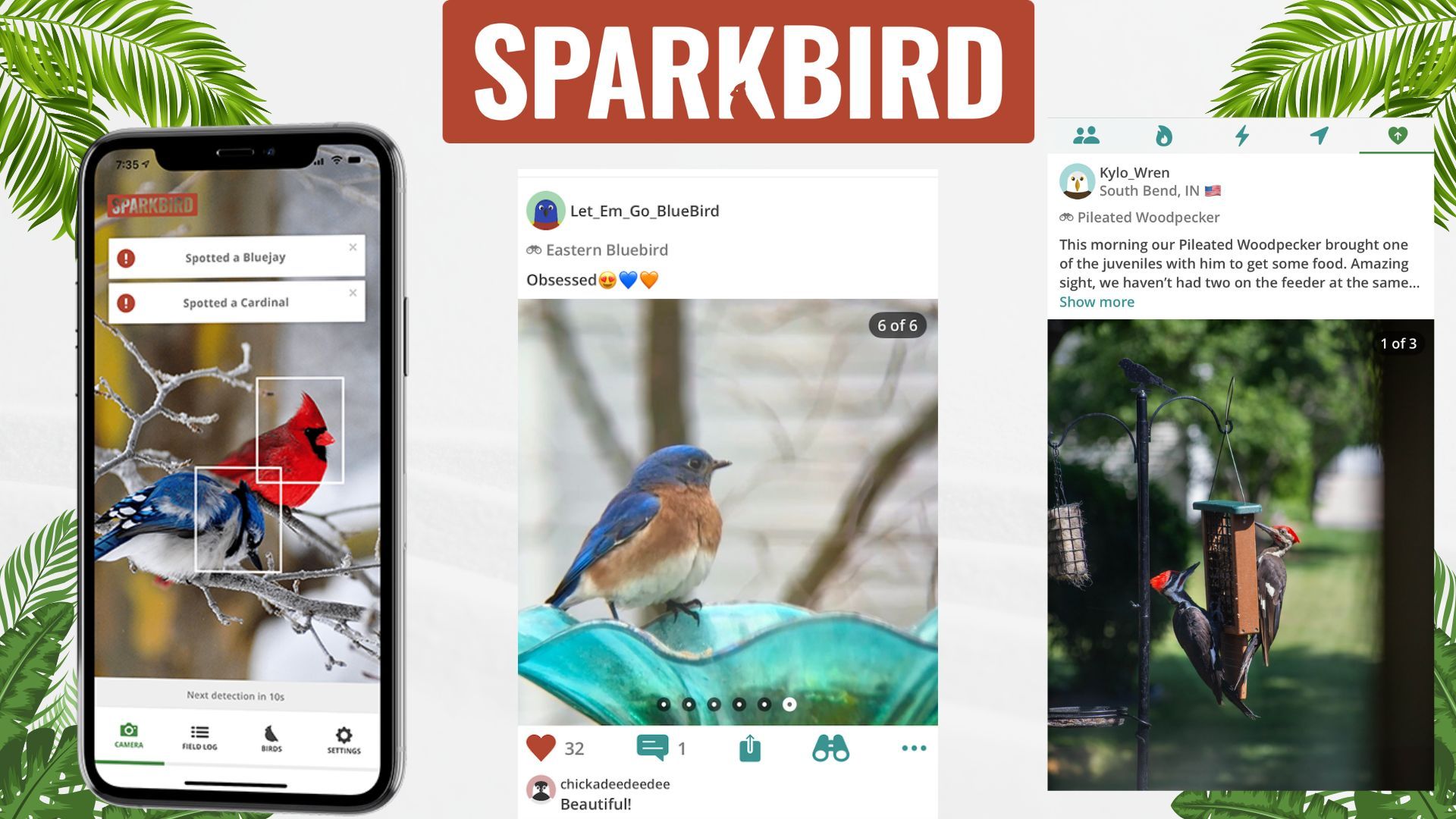
Sparkbird App - Online Community
We built Sparkbird for people who want a friendly community of birders rather than an algorithm. Track your life list, get identification help, and compare notes with people who also pull over on the Seward Highway for a distant white blob that might be a swan.
Where to Go Birding in Alaska
Access is the whole game here. A site that is free and roadside in July can be unreachable in October, and three of the best places in the state cannot be driven to at all. Every entry states how you get there.
- Potter Marsh, Anchorage Coastal Wildlife Refuge (Anchorage) — Alaska Department of Fish and Game. A 1,550-foot boardwalk with accessible parking and restrooms, 15 minutes south of downtown on the New Seward Highway past the Rabbit Creek exit. Free, road accessible, open year round, best late April through September for grebes, phalaropes, Arctic Terns and migrating Trumpeter Swans.
- Creamer's Field Migratory Waterfowl Refuge (Fairbanks) — Also Fish and Game, nearly 3,000 acres inside the Fairbanks city limits with more than 25 miles of trails, 4.2 of them maintained for summer walking. Free, road accessible, no permit. Cranes, geese and ducks stage here in spring and again in August.
- Alaganik Slough, Copper River Delta (Cordova, Chugach National Forest) — A boardwalk and viewing platforms over the delta, a few signed miles down the Copper River Highway from Cordova. No fee, vault toilet, no potable water. Open 24 hours April 1 through October 31, closed November 1 through March 31. Cordova requires a flight or the state ferry, and you rent a vehicle there.
- Kougarok Road and the Nome road system (Nome) — About 86 miles of well-maintained gravel running north from Nome through the Kigluaik Range, mileposted throughout. Past the Kougarok River bridge it becomes a foot and ATV trail. No fee, but Nome is fly-in only and you rent a vehicle in town. This is the accessible spot in North America for Bristle-thighed Curlew and Bluethroat, roughly early to mid June.
- St. Paul Island (Pribilof Islands) — Cliff colonies of murres and auklets, Red-legged Kittiwakes, and a steady drip of Asian vagrants. Reached by a 2.5-hour flight from Anchorage on Aleutian Airways. There is no independent visit: tours run May through mid-October, from 3 days and 2 nights upward, with shared lodging, meals and guiding included. The operator is owned by TDX Corporation, an Alaska Native corporation.
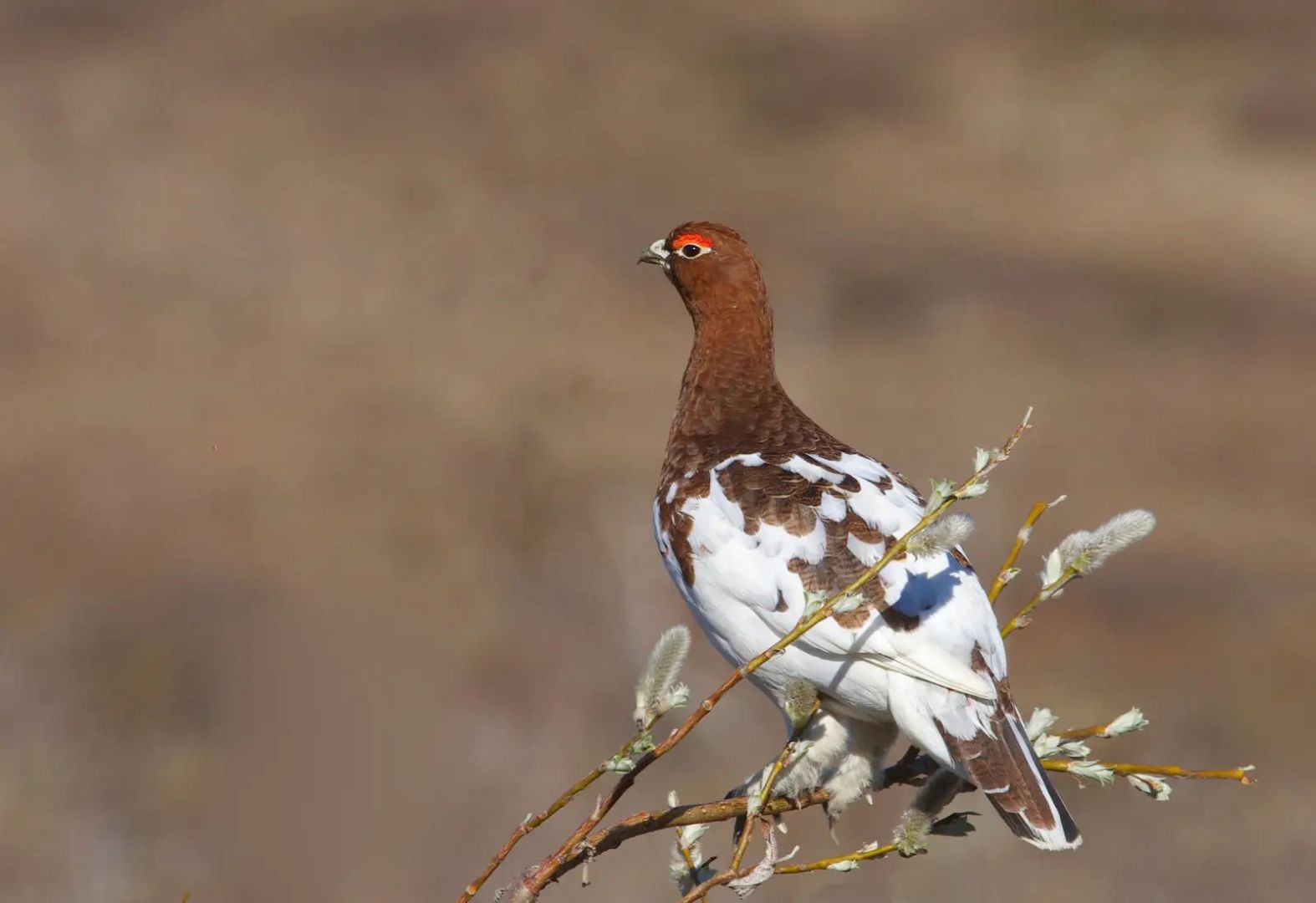
- Denali National Park and Preserve (Interior) — More than 160 species, including Gyrfalcon, ptarmigan and Arctic Warbler, on a $15 per person entrance fee valid seven days, free under 16. Read the conditions page first: the Pretty Rocks landslide still closes the park road at Mile 43, buses turn around at the East Fork Bridge, and the Eielson Visitor Center and Wonder Lake Campground remain closed, expected through summer 2026.
- Alaska Chilkat Bald Eagle Preserve (Haines) — Alaska State Parks. Main viewing is between miles 18 and 24 of the Haines Highway, with improved pullouts, restrooms, platforms and spotting scopes at miles 19.5 and 20.9. Free and road accessible. More than 3,000 eagles gather from mid-October into January, drawn by ice-free water and a late salmon run.
If you would rather start from your own yard while you wait for June, our guide to the plants that attract hummingbirds in Alaska covers what works in a short northern season.
Alaska Bird Books and Field Guides
A continental guide gets you most of the way, but Alaska has enough Asian strays and range oddities that a state-specific book earns its shelf space.
Guide to the Birds of Alaska, 6th edition
Robert H. Armstrong and Nils Warnock. The standard Alaska reference, on Fish and Game's own birding reference list, with statewide status and distribution notes rather than generic North American range maps.

Birds of Alaska Field Guide
Stan Tekiela. Alaska species only, organized by color, which is the right structure for a first guide. See a yellow bird, turn to the yellow section.

A Birder's Guide to Alaska
George C. West, published by the American Birding Association, and still the most thorough site-by-site birdfinding guide to the state. It dates from 2002, so check road conditions, access and lodging against a current source before relying on a specific direction.

A Birder's Guide to Alaska (ABA Birdfinding Guide)
The Sibley Field Guide to Birds of Western North America, Second Edition
The portable continental guide most Alaska birders carry alongside a state book, linked here to the publisher's own page.
Free and worth downloading before a trip: the current Checklist of Alaska Birds from the University of Alaska Museum, plus the regional checklists linked earlier.

Alaska Bird Rescue and Rehabilitation
Always call first. Capacity, permits and hours vary, some centers take only raptors, and in most of Alaska the nearest facility is a long way from wherever you are standing.
One thing to know before you start dialing: unlike many states, Alaska Department of Fish and Game does not publish a public directory of permitted wildlife rehabilitators. Its guidance page for injured and orphaned birds points to general search tools instead, and leads with sound advice, which is that a lone fledgling on the ground usually needs to be left alone.
U.S. Fish and Wildlife Service Alaska Migratory Bird Office
The closest thing to an official list: permitted rehabilitation facilities by community with phone numbers, plus the Alaska Sick or Dead Bird Hotline at (866) 527-3358 for birds with no obvious cause of injury or suspected die-offs. Two corrections to carry with you: the facility it calls the Sitka Raptor Center is the Alaska Raptor Center, and the Juneau Raptor Center it lists closed in 2022.
Bird Treatment and Learning Center (Bird TLC) - Anchorage
At 15510 Old Seward Highway, treating roughly 1,100 wild birds a year: songbirds, raptors and waterbirds. Clinic hours are Monday to Friday 9:00 AM to 5:00 PM, weekends by appointment, closed state and federal holidays. Intake line (907) 562-4852.
Alaska WildBird Rehabilitation Center - Big Lake and the Mat-Su Valley
Injured, orphaned and sick wild birds, with the stated goal of returning healthy birds to the wild. Call (907) 892-2927 before transporting anything.
Alaska Raptor Center - Sitka and Southeast Alaska
At 1000 Raptor Way, and now the destination for injured raptors across Southeast after the Juneau Raptor Center closed and transferred its birds here. Eagles, hawks, owls, falcons and ravens. Open daily 8:00 AM to 4:00 PM, and (907) 747-8662 is the reporting line.
Alaska SeaLife Center - Seward and the Kenai Peninsula
Listed by the federal migratory bird office as the permitted contact for the Seward area. The center's own posted Wildlife Response line is 1-888-774-7325. Call rather than driving a seabird down the highway on spec.
American Bald Eagle Foundation - Haines and the northern Panhandle
The Haines contact for injured eagles and other raptors, reachable at (907) 766-3094.
Frequently Asked Questions
What is the best time of year for bird watching in Alaska?
Late April through mid-June, and it' not close. Shorebird migration through the Copper River Delta and Kachemak Bay in early May puts enormous flocks on single mudflats, and June is when the tundra specialties around Nome and the Pribilof seabird colonies peak. August brings cranes to Fairbanks and November the eagle gathering at Haines. Midwinter is thin, but the Christmas Bird Count still runs.
Do you need to fly or take a boat to go birding in Alaska?
For some of the best sites, yes. Nome, St. Paul Island and Utqiagvik have no road connection to the rest of the state, and Cordova is reachable only by plane or state ferry. But Potter Marsh, Creamer's Field, Denali and the Chilkat Bald Eagle Preserve are roadside, free or inexpensive, and reachable on a normal road trip. Start with those before booking a charter.
What should you bring on your first group bird walk in Alaska?
Rubber boots, more layers than the forecast suggests, and insect repellent from June onward. Bring binoculars if you own them, and ask the trip leader if you don't.
Got an Alaska birding group to recommend?
Alaska is a big place to keep track of, chapters go quiet and then come roaring back. Tell us in the comments or through the Sparkbird App, available in the Apple App Store.
Our goal is to connect people to nature and to each other, and bird watching groups are unusually good at it. Everyone faces the same direction, nobody has to make small talk, and there is a decent chance somebody brought a thermos big enough to share.
- Related: How to Use the Sparkbird App

No comments yet.