
Arizona has eight National Audubon chapters, a statewide ornithological society, a bird observatory, and a records committee sorting out the state's rarities since 1972. It is also the one state where nobody argues about what time the field trip starts, because Arizona does not observe daylight saving time and never has.
The bird watching groups in Arizona run from the Colorado River at Yuma to the Chiricahuas at the New Mexico line, and most will take you out for free or close to it. Southeast Arizona alone draws birders from Europe and Japan every August, chasing hummingbirds and trogons found almost nowhere else north of Mexico.
Whether you want a Saturday walk at a suburban wetland in Gilbert or a week in a canyon at 5,500 feet, there is a group nearby that already knows where the birds are.
Why Join a Bird Watching Group at All
Solo birding is fine. Nobody hurries you, nobody sees you spend eleven minutes on a sparrow, and you can have a whole wash to yourself before eight in the morning.
But Arizona rewards local knowledge more than almost any state, because the good birding turns on timing that changes week to week. Which canyon has water. Whether the Elegant Trogons are back in Madera. Whether the monsoon has pushed Plain-capped Starthroats north. That lives in people, not databases, and the fastest way to reach it is to stand next to those people at a trailhead.
Clubs are also the front door to community science. The Christmas Bird Count has run every season since 1900, currently between December 14 and January 5, and nearly every Arizona count circle is run by one of the groups below.
One practical note before you spend money. A decent pair of binoculars for birding runs from about $150 to well past $500, and several Arizona organizations will simply hand you a pair. Desert Rivers Audubon provides loaners at its free Gilbert walks; so does Boyce Thompson Arboretum. Borrow before you buy.
Statewide Bird Watching Groups in Arizona
Arizona Field Ornithologists (AZFO) - Statewide
The state ornithological society, and the closest thing Arizona has to a single hub. AZFO runs an annual meeting with keynote talks and research presentations, plus field expeditions into deliberately under-birded corners of the state through its eBird Gaps Project. The 2026 meeting is September 18 to 20 in Flagstaff. It also publishes the free online journal Arizona Birds.
Arizona Bird Committee (ABC) - Statewide
The state records committee, organized in 1972, with eight voting members on rotating four-year terms. It evaluates rare sighting documentation, maintains the official Arizona checklist, and archives records. If you find something on the ABC Review List, submit it even if you were not the original finder. Parts of this site are visibly dated, so use it for the checklist and submissions rather than for news.
Christmas Bird Count - Statewide, mid-December to early January
The longest-running community science bird project in the country, organized locally by individual chapters. Free, no experience required, and beginners get paired with someone who knows the circle. The easiest way to meet a dozen Arizona birders in one morning.
Arizona Birding Trail - Statewide
A partnership of Arizona Game and Fish, Arizona State Parks and Trails, Audubon, the BLM, and several county park systems, administered from Tucson Bird Alliance. It maps more than 300 birding and wildlife viewing sites statewide with directions and species notes. Its copyright currently reads 2024, so confirm hours and fees with the managing agency before you drive.
Bird Watching Groups in Tucson and Southeast Arizona
Tucson Bird Alliance (formerly Tucson Audubon Society) - Tucson / Pima County and Southeast Arizona
The largest and most active birding organization in the state, and it changed its name: the old tucsonaudubon.org address now redirects to tucsonbirds.org, where the group explains the rebrand. Multiple field trips run every month across Southeast Arizona, including a weekly outing at Sweetwater Wetlands. Trips are free for members and $5 for non-members, registration is required, and the group asks that you cap yourself at two trips a month so more people get a seat. It also operates the Paton Center for Hummingbirds, the Mason Center at 3835 W Hardy Rd, and a nature shop.
Southeast Arizona Birding Festival - Tucson, August
Run by Tucson Bird Alliance and timed for the tail end of the monsoon, when hummingbird diversity peaks. The 2026 edition runs August 12 to 16 at the DoubleTree by Hilton Tucson at Reid Park. Registration is $35 and field trips are priced separately, but the Nature Expo is free and open to everyone, including a free family day.
Southwest Wings Birding and Nature Festival - Sierra Vista / Cochise County, summer
Running since 1991 and billed by its organizers as the greatest little birding festival in the United States. Open to the public, with paid field trips and a free program element. Sierra Vista is the natural base for Ramsey Canyon, the San Pedro River, and Carr Canyon, so the festival doubles as a guided introduction to the area.
Bird Watching Groups in Phoenix and Maricopa County
Maricopa Bird Alliance (formerly Maricopa Audubon Society) - Phoenix / Maricopa County
The second of Arizona's two big chapter renames, though the older maricopaaudubon.org address still resolves to the same site. Field trips, monthly programs, workshops, and several Christmas Bird Counts, with the site stating plainly that everyone is welcome regardless of membership. Reservations are required unless a listing says otherwise, passengers are asked to reimburse drivers about 20 cents per mile, and some National Forest destinations need a $6 day-use pass bought in advance.
Desert Rivers Audubon Society - Gilbert / East Valley
The best beginner option in metro Phoenix. Free public bird walks at the Riparian Preserve at Water Ranch every third Saturday from October through March, 8:00 AM to noon, meeting at the Dragonfly Ramada, with loaner binoculars provided and all ages welcome. Monthly speaker programs run September through April, in person and on Zoom, plus a fourth-Tuesday sunrise walk at the preserve.
Sonoran Audubon Society - Glendale / West Valley
Serving the West Valley since 1999, with a posted trip calendar, trip reports, and volunteer Western Yellow-billed Cuckoo surveys. A signed waiver is required for field trips. The most recent trip reports are dated mid-2025, so check the calendar before building a weekend around a listing.
Bird Watching Groups in Northern Arizona
Northern Arizona Audubon Society - Sedona, Flagstaff, and the Verde Valley
A National Audubon chapter since 1972, started by birders in the Verde Valley and still run at two elevations, with programming around Flagstaff and separate outings down in the valley. It advertises free guided bird walks for all ages, plus Plants for Birds and a small grants program, and its calendar runs live through 2026.
Prescott Audubon Society - Prescott / Yavapai County and central Arizona
Describes its territory as stretching from Bullhead City to Dewey-Humboldt, a large piece of central Arizona for one chapter. Field trips and a Window on Nature program series, with calendar destinations including Willow Lake, Badger Springs on the Agua Fria, Rockin' River Ranch State Park, and a New Year's Day walk. The field trip page does not state fees or membership requirements, so email the coordinator before planning around an outing.
Bird Watching Groups in Yuma and Southwest Arizona
Yuma Audubon Society - Yuma / Yuma County
The only chapter covering Arizona's southwest corner, where the Colorado River, farm fields, desert, and restored wetlands meet. Wednesday morning bird walks at East Wetlands Park, monthly meetings with guest speakers, and a posted field trip calendar for the 2025/26 season. Birders of all experience levels are welcome, residents and visitors alike, which matters in a town whose winter population doubles.
Bird Watching Groups in the White Mountains and Eastern Arizona
White Mountain Audubon Society - Pinetop-Lakeside / Navajo and Apache Counties
Serving east-central Arizona since 1987, in high pine country that looks nothing like the saguaro postcards. Chapter meetings are the first Wednesday of each month at the Pinetop-Lakeside Town Council Chambers, 325 W. White Mountain Blvd. Membership is encouraged rather than required, and the site carries a 2026 copyright.
Nature Centers and Preserves with Public Bird Walks
Not clubs, but all four run public birding programs and each is worth a trip.
Boyce Thompson Arboretum - Superior / Pinal County
An Important Bird Area with roughly 275 species recorded, 62 of special conservation status in Arizona. Guided bird walks run October through May, with early starts in the hotter months, and loaner binoculars are available. Adult admission is $24.95, reduced to $16 in summer. Hours are seasonal: 8:00 am to 5:00 pm daily October through March, and 6:00 am to noon Wednesday through Monday in June, July, and August, closed Tuesdays.
Riparian Preserve at Water Ranch - Gilbert / Maricopa County
More than 300 species documented at a groundwater recharge basin complex in suburban Gilbert, which is exactly as improbable as it sounds. Gilbert publishes a downloadable bird list, and Desert Rivers Audubon leads the free third-Saturday walks described above. General information: (480) 503-6000.
Sweetwater Wetlands - Tucson / Pima County
A City of Tucson water reclamation site at 2511 W Sweetwater Drive, open dawn to dusk with no entry fee, where more than 300 species have been recorded. Tucson Bird Alliance leads weekly field trips through it. Pets and horses are not allowed, service animals excepted, and bicycles must be walked inside the wetlands. Closures happen for maintenance and controlled burns, so check before driving over.
Paton Center for Hummingbirds - Patagonia / Santa Cruz County
The most famous backyard in American birding, now owned and run by Tucson Bird Alliance at 477 Pennsylvania Ave. Open dawn to dusk, free with donations encouraged, 261 species recorded, and the most reliable Violet-crowned Hummingbird in the United States. Shaded pavilion, pond, and the Richard Grand Memorial Meadow. Feeder availability changes: the center temporarily pulled feeders in July 2026 over finch eye disease, so read the current notices before you go.
Other Ornithology and Research Groups in Arizona
Southeastern Arizona Bird Observatory (SABO) - Southeast Arizona
A research and education nonprofit focused on the birds of southeastern Arizona, best known for hummingbird banding demonstrations, one of the few settings in the country where the public can watch a hummingbird in the hand. SABO also runs guided walks, workshops, a MOTUS migration tracking project, photo blind reservations at Ash Canyon Bird Sanctuary, and international tours. Its hummingbird FAQ is the best plain-English explanation of why this corner of Arizona is what it is.
Appleton-Whittell Research Ranch - Elgin / Sonoita Plain
A 7,734-acre grassland sanctuary and ecological reference site run by Audubon, and one of the best places in the Southwest to see grassland birds without cattle in the frame. Read the access terms first: entry is by permit only, requires one week of advance notice, is limited to low-impact activities, and is not guaranteed. Visitors check in and out. Ranch office: (520) 699-2075.
Arizona and New Mexico Birding List (aznmbirds) - Statewide
The regional email listserv, hosted at the University of Arizona and open to public subscription. Still where much Arizona rarity traffic and trip-report discussion happens, particularly among birders who never moved to Facebook.
Arizona Birding on Facebook
Two large statewide groups: Arizona Birding and Birding Arizona and the Southwest. Useful for identification help and same-day sightings, and no substitute for standing at a trailhead with someone who has birded it for thirty years.
Sparkbird App - Online Community
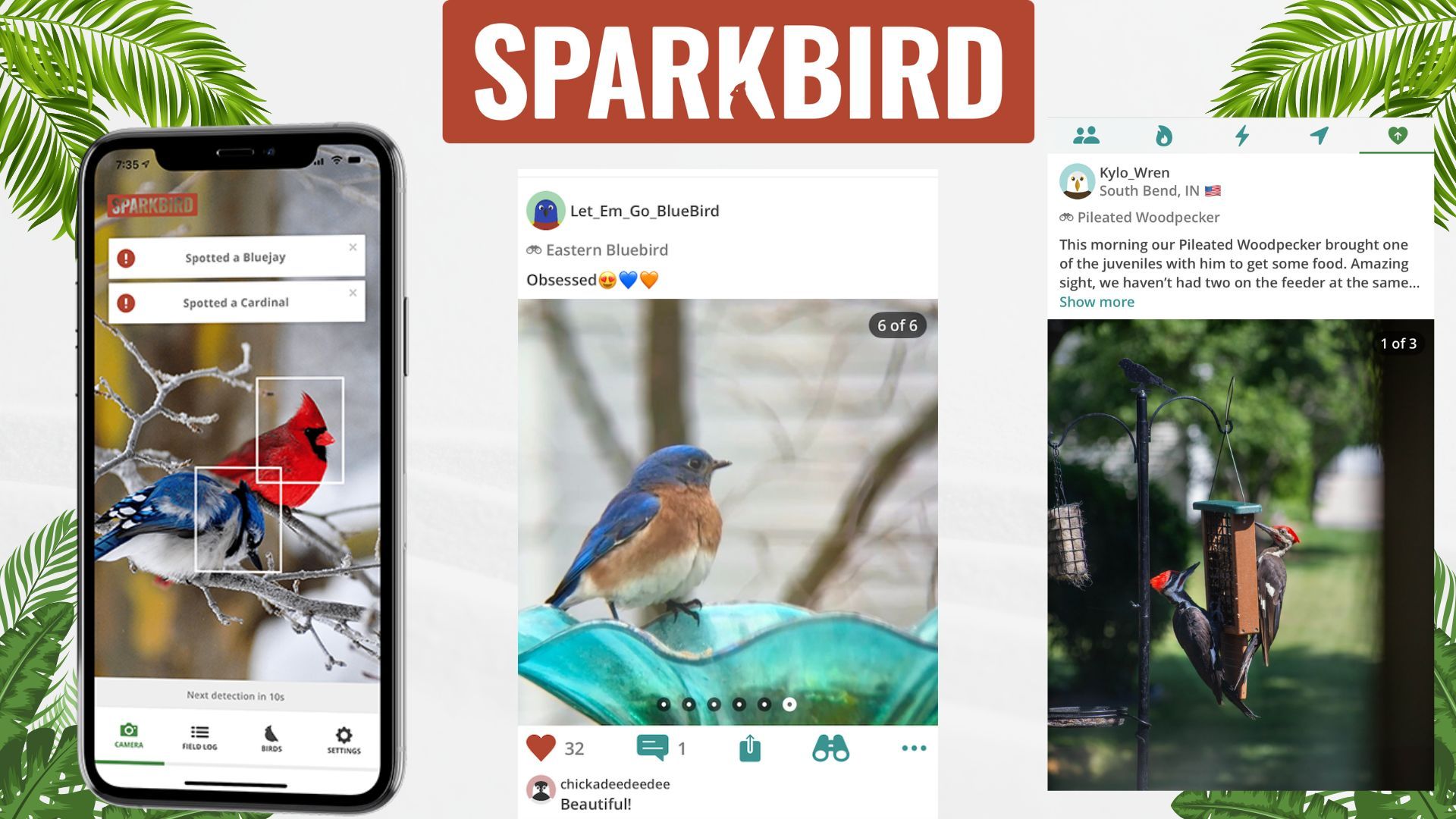
We built Sparkbird for people who want to connect with a friendly community of fellow birders. Track your life list, get identification help, and meet people who also stop mid-conversation to look at a tree. Like Instagram for bird watchers, without the shady algorithms.
Where to Go Birding in Arizona
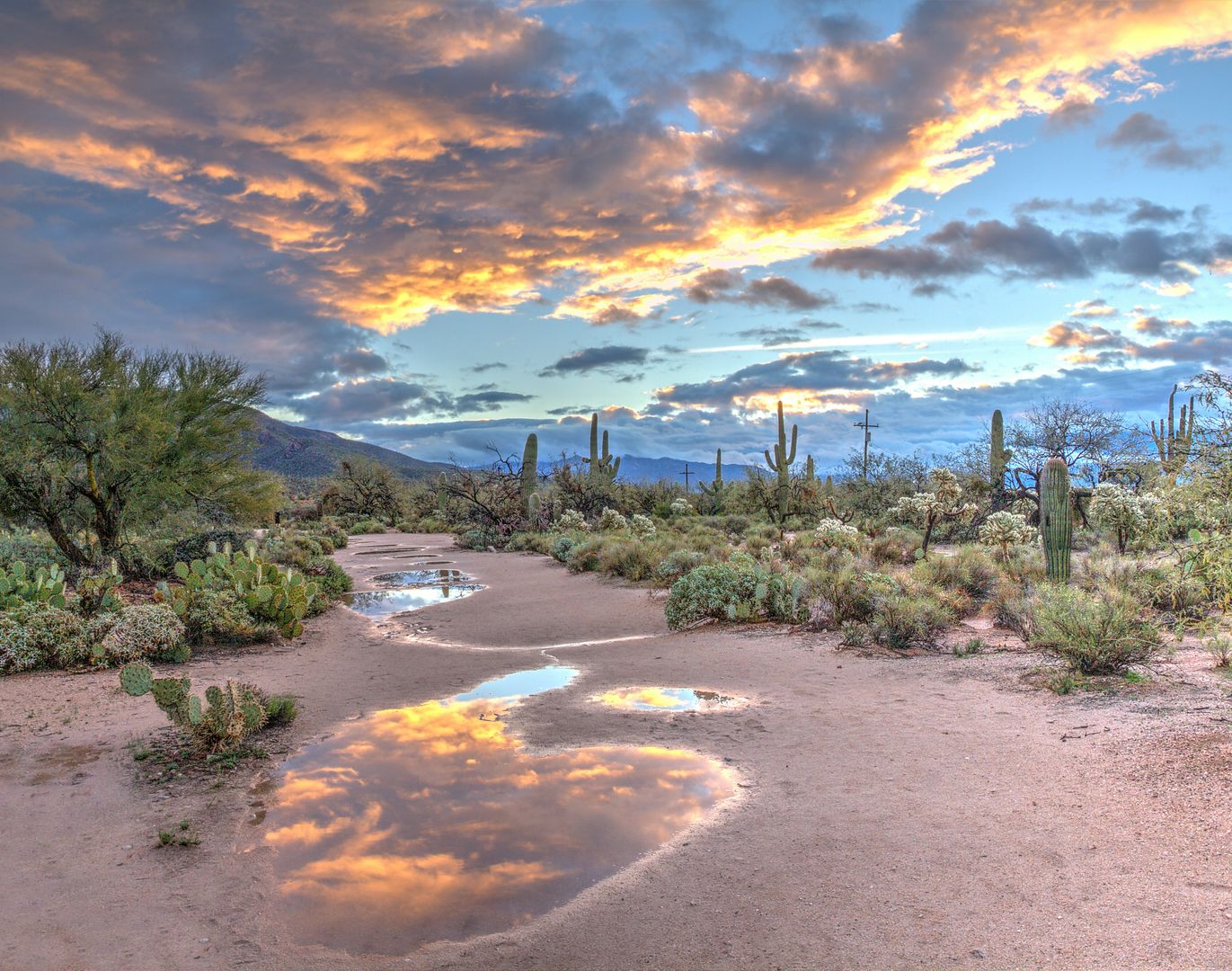
A club gets you local knowledge faster than anything else, but these six sites carry the state's reputation. Access terms are listed because they vary wildly here, and several of these will turn you away without them.
- Ramsey Canyon Preserve (Cochise County) — The Nature Conservancy preserve in the Huachucas near Sierra Vista, and the hummingbird site most visitors have heard of. $8 per person, $5 for Nature Conservancy members, free for ages 17 and under. Closed Tuesdays and Wednesdays; 8 a.m. to 5 p.m. March through October, 9 a.m. to 4 p.m. November through February. Parking is 27 spaces, first come first served, which is the fact that ruins mornings. Best birding April through September.
- Madera Canyon (Pima County) — Coronado National Forest, in the Santa Ritas above Green Valley at about 5,500 feet, off the Continental Road exit from I-19. Day use only, 6:00 a.m. to 10:00 p.m., no overnight camping in the picnic areas. $8 per vehicle per day or $10 per week; Coronado annual and Interagency America the Beautiful passes accepted.
- Cave Creek Canyon and Portal (Cochise County) — The Chiricahua side, in the far southeast corner, and the most remote entry here. Free, no pass or permit required. From Tucson it is 139 miles east on I-10, 28 miles south on US 80, then 7 miles west into Portal; the scenic route beyond on Forest Roads 42 and 42B is unpaved. No potable water on site. Check Coronado fire restrictions before summer trips.
- Patagonia-Sonoita Creek Preserve (Santa Cruz County) — 873 acres of Fremont cottonwood and Goodding willow along one of Arizona's few permanently flowing streams, at 150 Blue Heaven Rd. $8 per person, $5 for Nature Conservancy members, free for 17 and under, and a $55 annual pass covers this preserve and Ramsey Canyon together. Open Wednesday through Sunday only, 6:30 a.m. to 4 p.m. April through September and 7:30 a.m. to 4 p.m. October through March. Guided walks are irregular; call (520) 394-2400.
- San Pedro Riparian National Conservation Area (Cochise County) — A BLM conservation area protecting one of the last free-flowing desert rivers in the Southwest, with more than 350 species recorded. Day use is free. San Pedro House, the restored ranch house serving as visitor center and bookstore, is open daily 9:30 a.m. to 4:30 p.m., staffed by Friends of the San Pedro River volunteers. Backcountry camping permits are $2 per person per night.
- Grand Canyon National Park (Coconino County) — Nearly 450 species, a Globally Important Bird Area since 2014, and the best odds in the state of seeing a California Condor without really trying. Entrance is $35 per private vehicle or $20 per person on foot or bicycle, each good for seven days, with a $70 park annual pass. The park does not accept cash, and North Rim access has been disrupted in recent seasons, so check current fees and closures before committing to a rim.
If you would rather start from your own yard, our guide to hummingbird plants for Arizona covers what works in a desert garden.
Arizona Bird Books and Field Guides
Arizona needs a regional guide alongside a general one, because the state's specialties barely register in national books.
Birds of Arizona Field Guide
Stan Tekiela's Arizona volume, organized by color. See a yellow bird, go to the yellow section. Arizona species only, which cuts a beginner's guesswork enormously.

Birds of Arizona Field Guide (Bird Identification Guides)
Adventure Publications
Finding Birds in Southeast Arizona
The eighth edition of the site guide originally produced by Tucson Audubon Society, still the standard reference for the canyons. If it is out of stock, the Tucson Bird Alliance nature shop sells it directly and the money goes back into local conservation.

Birds of Southeastern Arizona
Richard Cachor Taylor's photographic guide, with Barbara Bickel. Pairs with the site guide above: one tells you where to stand, this one tells you what you are looking at.

A Birder's Guide to Southeastern Arizona
The American Birding Association's Lane birdfinding guide for the region, also by Taylor. Older, drier, and still cited constantly by visitors planning a route.

For a general western guide, the Sibley Field Guide to Birds of Western North America remains the standard. We link the publisher rather than a retailer because we could not confirm the listing for the current second edition print run.
Arizona Bird Rescue and Rehabilitation
Always call first. Intake capacity, hours, and disease restrictions change without notice, and several Arizona centers take only raptors while others take everything except waterfowl.
Arizona Game and Fish Licensed Wildlife Rehabilitator Map
The official state directory, linked from the department's Living with Wildlife page and mobile friendly. Some rehabilitators specialize in particular species groups; others take everything. Start here, then call the nearest one.
Liberty Wildlife - Phoenix / Maricopa County
The largest rehabilitation operation in the state, at 2600 E Elwood St. Hospital intake runs 8:00 AM to 6:00 PM seven days a week, and the wildlife hotline at (480) 998-5550 is staffed 8:00 AM to 8:30 PM daily, year round. Current caveat: Liberty is not accepting ducks, geese, or lovebirds under avian influenza precautions, so call before you drive.
Wild at Heart - Cave Creek / Maricopa County
Raptors only: owls, hawks, falcons, eagles, and osprey. The rescue line, (480) 595-5047, is answered 24 hours. They ask specifically that you call rather than email about an injured bird, because email does not get read fast enough to matter.
Arizona Raptor Center - Statewide
A falconer-run nonprofit taking all birds of prey. Primary number is (602) 549-8482. Volunteers are distributed rather than centralized, so call first and expect to be routed.
Tucson Wildlife Center - Tucson / Pima County
Southern Arizona's main intake center for sick, injured, and orphaned wildlife, open 365 days a year with a 24-hour emergency line at (520) 290-9453. The right first call for anything found in the Tucson basin or the surrounding canyons.
Frequently Asked Questions
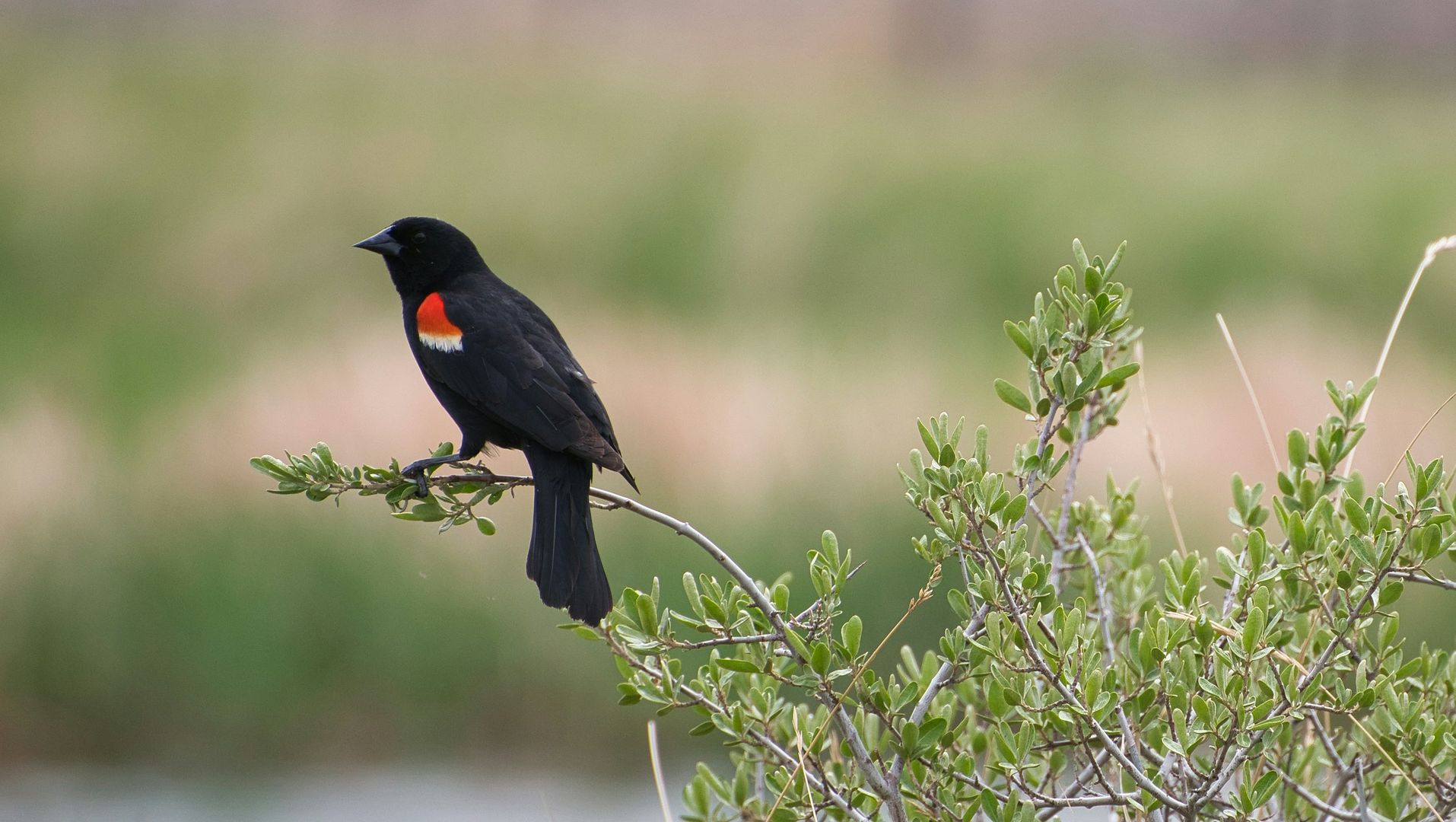
How many hummingbird species can you see in Arizona?
At least 13 and up to possibly 15. Nearly half are rare or unrecorded elsewhere in the United States but common in northwestern Mexico. Most arrive in April or May and leave by early October, and the peak is late July through early September, when local breeders, Mexican strays, and southbound migrants overlap.
When is the best time of year for bird watching in Arizona?
There are 2 peaks— Late April through May, and late July through September. Spring migration & canyon specialties, like Elegant Trogons in Madera and Cave Creek, are what you'll find in Aprile. Late summer is monsoon season, when the desert greens up and hummingbird diversity peaks, which is why the birding festival is held in August. Winter is excellent in the low desert and along the Colorado River.
What should you bring on your first group bird walk in Arizona?
A hat, and sun protection, and comfortable shoes. Binoculars if you own them, and if not, ask the trip leader in advance about loaners.
Got an Arizona birding group to recommend?
Clubs form, rename, and occasionally stop. This page only stays useful if people tell us. Let us know about your group in the comments or through the Sparkbird App.
Our goal is to build a birding community that connects people to nature and to each other. Arizona is unusually good at this, possibly because standing still in the shade watching a feeder is the only sensible thing to do in August.
- Related: How to Use the Sparkbird App

No comments yet.