
Arkansas is the only state where a birding argument can still be started, and never quite settled, with two words: ivory-billed woodpecker.
The state has a smaller club scene than its birding deserves: one statewide society, four active local Audubon chapters, and nine free state-run nature centers that quietly do the work a club does elsewhere. Where local dues exist they run about $20 to $30 a year, and most of the outings are free.
That thin list is no reflection of the birding. Arkansas sits under the Mississippi Flyway with a million-plus wintering ducks and the largest surviving block of bottomland hardwood in the valley. The bird watching groups in Arkansas are simply spread thin across it, so knowing which few doors to knock on matters more here than it would in Ohio.
Why Join a Bird Watching Group at All
Solo birding is fine. It's free and easy to start bird watching. Nobody hurries you, and you can leave when your feet get cold. What a group gives you is the thing no app has— a person who knows what the water is doing at Bald Knob this week. Arkansas birding is unusually condition-dependent. Levee roads can go from passable to not overnight.
Groups are also the front door to community science. The Christmas Bird Count has run every year since 1900, falls between December 14 and January 5, and costs nothing to join. Beginners get paired with someone who can actually count geese.
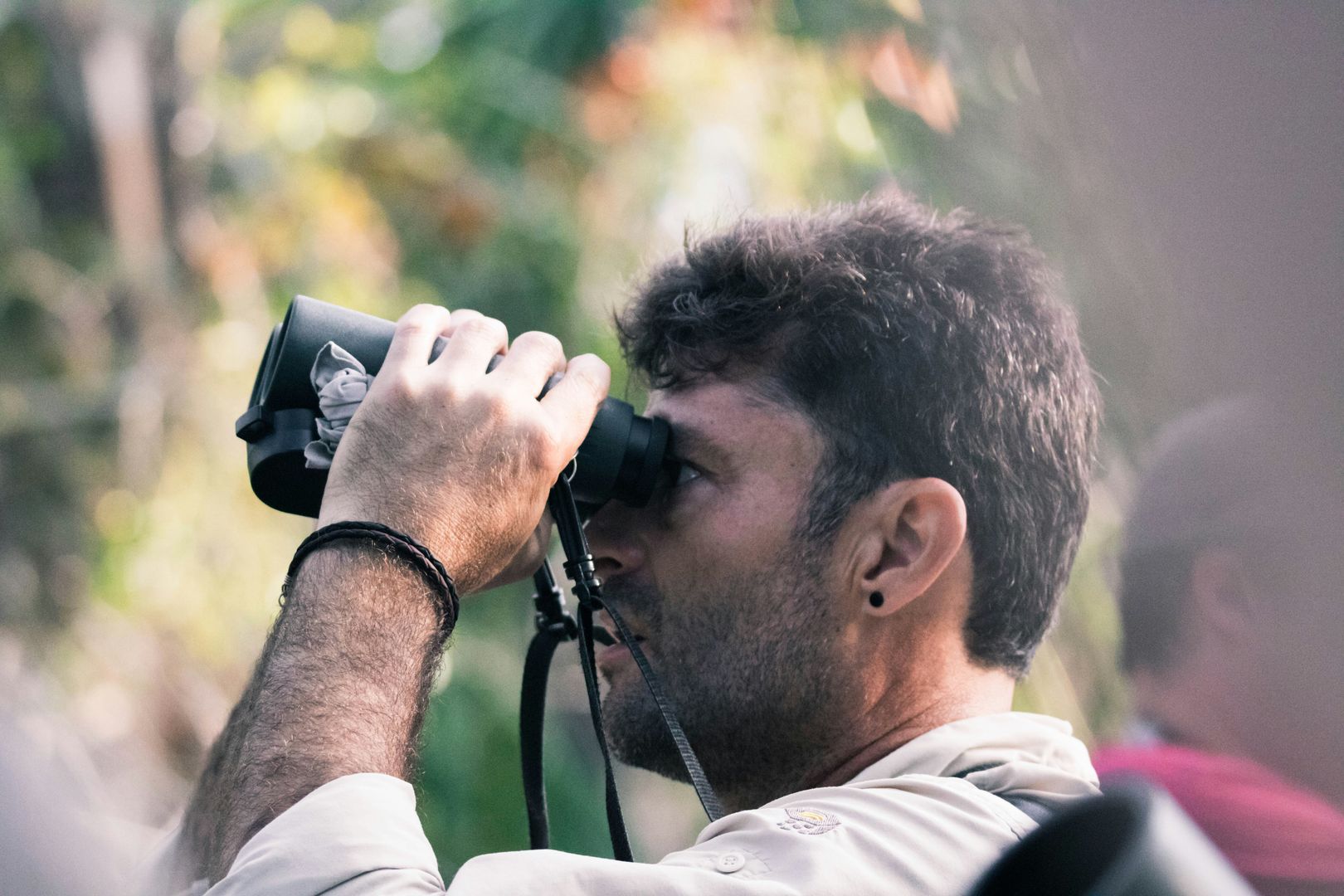
One practical note before you spend money. A good pair of binoculars for birding runs from around $150 to well past $500, and there is no reason to make that call in week one. Both of the state's largest chapters run free outings requiring no membership and no registration, and trip leaders are famously willing to let a newcomer look through their glass. Go on three walks first.
Statewide Bird Watching Groups in Arkansas
Arkansas Bird Alliance (formerly Arkansas Audubon Society) - Statewide
The statewide ornithological society, founded in 1955 and now operating as the Arkansas Bird Alliance, though the old Arkansas Audubon Society branding still appears in places and the site still lives at arbirds.org. It holds two conventions a year pairing daytime field trips with evening programs, moving around the state; the fall 2026 meeting is at Arkansas Tech University in Russellville, October 16 and 17. It also runs the Halberg Ecology Camp, the AAS Trust grants and Bird-Friendly Arkansas certification. Bookmark one Arkansas birding site and make it this one.
Audubon Delta - Arkansas, Louisiana and Mississippi
This is the entity most out-of-date directories still call Audubon Arkansas. National Audubon folded its Arkansas, Louisiana and Mississippi state offices into one regional program covering the Mississippi Flyway, and it now works as a conservation and policy organization rather than a walk-leading club: marsh restoration, river advocacy, and the NATIVE Project, which trains farmers to grow native plants as a specialty crop. Follow it for habitat news, not for a Saturday walk.
Arkansas Bird Records Committee - Statewide
A five-member peer review body under the Arkansas Bird Alliance that vets reports of birds out of range, out of season, or otherwise significant. Seated first in 1984; since 2008 observers submit online, a curator vets, and accepted records enter a searchable database feeding the official state checklist. If you find something genuinely odd, this is where it goes.
Wings Over Arkansas - Statewide
The Arkansas Game and Fish Commission's free award program for bird watchers. Keep a checklist, mail in the application, get a certificate and pin. Levels climb from Carolina Chickadee at 25 species through Wood Duck, Belted Kingfisher, Scissor-tailed Flycatcher and Peregrine Falcon to Swallow-tailed Kite at 300 or more. A good motivator for a first year, and it costs a stamp.
Bird Watching Groups in Central Arkansas and the Ouachitas
Audubon Society of Central Arkansas (ASCA) - Little Rock / Pulaski County
The most active club in the state for someone who wants to go birding this month rather than next season. ASCA runs field trips to sites like Bald Knob National Wildlife Refuge plus an annual September Beginner Birder series at Two Rivers Park, a 1.5-mile loop on Wednesdays at 7:30 a.m. and Saturdays at 9:00 a.m. Those outings are free, registration is not required, and all experience levels are explicitly welcomed. Membership is by mailed check; a National Audubon membership grants ASCA membership too. The chapter also keeps a useful rare bird reporting guide.
Little Rock Audubon Center - Little Rock / Pulaski County
Audubon Delta's Arkansas headquarters, 450 acres at 4500 Springer Boulevard. More than four miles of interpretive trails cross globally rare nepheline syenite glades, hardwood forest and an oak savannah restoration, open sunrise to sunset. The center publishes no standing bird walk schedule, so call ahead if you want a guided outing.
Witt Stephens Jr. Central Arkansas Nature Center - Little Rock / Pulaski County
A Game and Fish center at 602 President Clinton Avenue, on the Arkansas River Trail downtown. Free, open Tuesday through Saturday, 8:30 a.m. to 4:30 p.m., with feeding stations on the grounds and migrating pelicans on the river. The easiest first stop if you are in Little Rock without a car.
Pinnacle Mountain State Park - Pulaski County
A day-use park west of Little Rock with more than 33 miles of trails and the Arkansas Arboretum. Free entry, visitor center daily 8 a.m. to 5 p.m. Interpreters run programs year round, guided bird walks among them, but they are scheduled rather than standing, so check the events calendar first.
Garland County Audubon Society - Hot Springs / Garland County
A long-running Hot Springs chapter with programs at monthly meetings and local outings, still meeting and hosting speakers in 2026 according to local press. Dues are $20 per person per year. Fair warning: the website is a single bulletin-board page last dated 2023 that publishes neither meeting night nor location, so email through its contact section before planning around it.
Hot Springs Village Audubon Society - Hot Springs Village / Garland and Saline Counties
More than 250 members and the best-maintained chapter website in Arkansas, still posting news in August 2026. Meetings are the second Thursday of each month except July and August, 10:00 a.m. at the Coronado Center Auditorium, usually with a speaker. Dues are $20 single or $30 per couple. One thing the site never addresses: Hot Springs Village is a gated community, so if you do not live there, ask about gate access before driving to a meeting.
Bird Watching Groups in Northwest Arkansas
Northwest Arkansas Audubon Society (NWAAS) - Benton, Carroll, Madison and Washington Counties
The main club for the Fayetteville, Springdale, Rogers and Bentonville corridor. Its own site states the terms plainly: all field trips are free and open to the public, and you need not be a member to attend. Trips post a few months at a time, most recently a tour of the Cane Hill restoration sites in August 2026. The chapter also publishes site guides for more than 40 northwest Arkansas locations, from Baker Prairie Natural Area to Pea Ridge National Military Park. They are excellent, but several carry 2019 dates, so treat their access details as a starting point.
J.B. and Johnelle Hunt Family Ozark Highlands Nature Center - Springdale / Washington County
A free Game and Fish center at 3400 North 40th Street, open Tuesday through Saturday, 8:30 a.m. to 4:30 p.m. No standing bird walk, but the best indoor introduction to Ozark wildlife in the region and a reasonable place to start with children.
Bird Watching Groups in Northeast Arkansas and Crowley's Ridge
Northeast Arkansas has no standalone bird club with a current public website, which makes the state facilities the practical entry point. The Arkansas Master Naturalists Northeast chapter is the nearest thing to one.
Forrest L. Wood Crowley's Ridge Nature Center - Jonesboro / Craighead County
Free admission at 600 E. Lawson Road, open Tuesday through Saturday, 8:30 a.m. to 4:30 p.m. The Habitats Trail boardwalk around Willow Pond connects through to Craighead Forest Park. Guided walk schedules are not published online, so call 870-933-6787 for the program calendar.
Village Creek State Park - Wynne / Cross County
Nearly 7,000 acres on Crowley's Ridge, the loess landform running down eastern Arkansas that carries forest communities found nowhere else in the state. Free entry, visitor center daily 8 a.m. to 5 p.m., 33 miles of trails. In migration the ridge acts as a wooded island in an ocean of farmland, which is the whole point.
Bird Watching Groups in Southwest Arkansas and the River Valley
A caution for this region: the Texarkana-area Audubon chapter is still listed in several Arkansas birding directories at an ar.audubon.org address that no longer resolves. If you find that link, it is dead, not slow.
Rick Evans Grandview Prairie Nature Center - Columbus / Hempstead County
Free, open daily 8 a.m. to 8 p.m., on 4,885 acres holding the largest remaining blackland prairie in Arkansas. Grassland birds are the draw, and scheduled programs include Wings Over Arkansas and a Birds of Prey session. The center asks that you call ahead unless your visit is self-guided, which is worth honoring out here.
Janet Huckabee Arkansas River Valley Nature Center - Fort Smith / Sebastian County
The Game and Fish center for the Fort Smith end of the Arkansas River Valley, free to enter and the most convenient staffed nature facility in the state's western tier. Pair it with a drive up to Mount Magazine.
Bird Watching Groups in the Arkansas Delta
Governor Mike Huckabee Delta Rivers Nature Center - Pine Bluff / Jefferson County
Free admission at 1400 Black Dog Road, open Tuesday through Saturday, 8:30 a.m. to 4:30 p.m. Outdoor exhibits hold live Arkansas raptors including eagles, owls and hawks, viewable from the back porch, with two miles of trails behind the building. Holiday closures run November 24 to 29, December 22 to 27, and January 1.
Potlatch Cook's Lake Nature Center - Casscoe / Arkansas County
Free, deep in the White River bottoms about 20 miles southeast of Stuttgart, with more than 140 species recorded. Read the hours carefully. March through August it takes day visitors Friday and Saturday, 8 a.m. to 4:30 p.m., with Tuesday through Thursday reserved for booked groups. September through February it is reservation and special-event only.
Arkansas Delta Byways Birding Trail - 15 Delta Counties
A tourism-association trail built around the Audubon-designated Important Bird Areas of eastern Arkansas, roughly a third of the state's IBAs. The directory filters by county, city and scenic byway, and the sites are free. A planning tool rather than an organization, but the best overview of Delta birding access.
Other Ornithology Groups in Arkansas
ARBIRD-L Discussion List
The statewide email discussion list, hosted free by the University of Arkansas. Subscribe by emailing listserv@listserv.uark.edu with "subscribe ARBIRD-L your name" in the body and the subject blank. It carries sightings, identification questions and the kind of argument that only happens on a listserv. Lurking is allowed.
Arkansas Birding Hotspots Guide
The Arkansas Bird Alliance maintains an interactive map split into Central, Northwest, Northeast and Southwest regions, with a county layer and site guides behind the pins. Between this and the eBird listings it links to, you can plan a trip without asking anyone.
Sparkbird App - Online Community
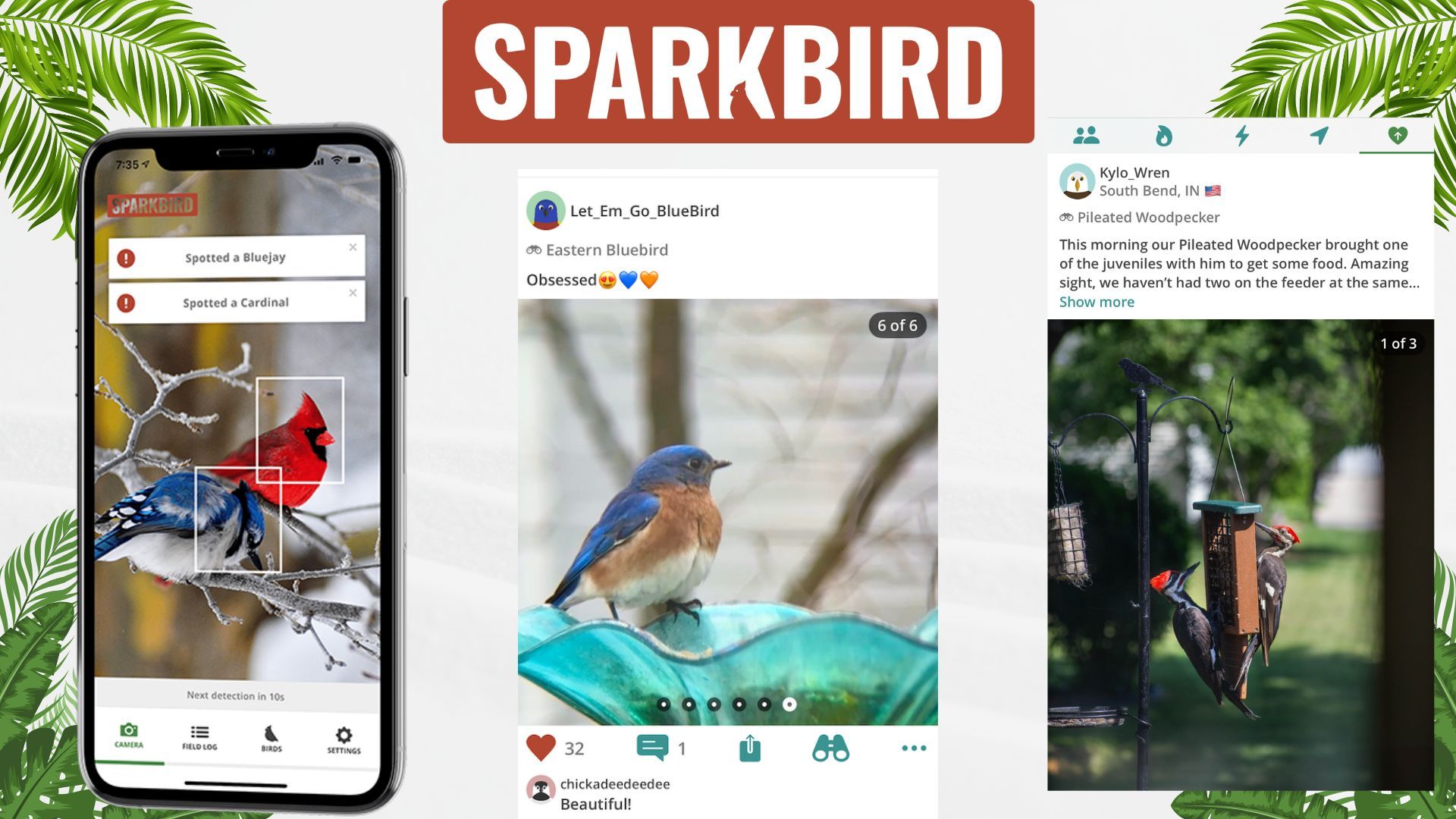
We built Sparkbird for people who want a friendly community of fellow birders rather than an algorithm. Track your life list, get identification help, and meet people who also stop mid-sentence to look at a tree. Our guide to getting started with the app covers the basics.
Where to Go Birding in Arkansas
Joining a group is the fastest route to local knowledge, but these sites reliably produce. Several Arkansas refuges close units seasonally for waterfowl, so read the access terms before you drive.
- Bald Knob National Wildlife Refuge (White County) — The state's premier shorebird and wintering waterfowl site, and the trip most Arkansas clubs run at least once a year. Open 4:00 a.m. to sunset. The waterfowl sanctuary closes to all public use November 15 to February 28, and the core waterfowl area closes daily after 1:00 p.m. across those dates. The whole refuge closes to non-permit holders for the quota gun deer hunt on November 13 and 14, and roads may close whenever conditions warrant.
- Holla Bend National Wildlife Refuge (Pope and Yell Counties) — A former Arkansas River bend five miles from Dardanelle, with a self-guided auto tour, two hiking trails and an observation tower. Bald eagles are present year round, most numerous in winter and early spring. Entrance fee $4.00 per vehicle per day. One genuinely useful warning from the refuge itself: do not rely on Google Maps for the headquarters, use the posted directions or GPS coordinates.
- Big Lake National Wildlife Refuge (Mississippi County) — Established 1915, 11,038 acres, a globally Important Bird Area with more than 225 species recorded and January to February waterfowl peaks above 200,000 birds. Access runs 4:00 a.m. to one hour after sunset. The lake, Baker's Island and the Sand Slough unit are waterfowl sanctuary and close entirely November 1 through February 28, so winter viewing happens from the platforms at Mud Island and Timm's Point. Flooding can close the refuge outright.
- Sheffield Nelson Dagmar WMA Birding Trails (Monroe County) — Two foot-traffic-only levee trails in the Big Woods: the 2.3-mile Apple Lake trail and the 2.7-mile Mud Slough trail. No fee. Apple Lake closes November 1 to February 15 for waterfowl rest, and in duck season the Game and Fish advice is to wait until midday and wear hunter orange.
- Hobbs State Park-Conservation Area (Benton County) — Arkansas's largest state park, 12,173 acres on the Ozark Plateau above Beaver Lake. Free entry, visitor center daily 8 a.m. to 5 p.m. Multiple trails close for the regulated fall hunts, in 2026 on October 17 to 21, November 7 to 8, and November 14 to 18.
- Mount Magazine State Park (Logan County) — The highest point in Arkansas at 2,753 feet, inside the Ozark-St. Francis National Forests near Paris. Free entry, visitor center daily 8 a.m. to 5 p.m., and the park stocks a bird checklist alongside its wildflower and fern guides. The elevation buys breeding birds that are hard to find elsewhere in Arkansas.
- Lake Chicot State Park (Chicot County) — The largest oxbow lake in North America, in the heart of the flyway in Arkansas's southeast corner. Free entry, visitor center daily 8 a.m. to 5 p.m. Note the seasonality of water access: the marina and store close November through February and boat rentals are by reservation only, so a winter visit is a shore-and-road affair.
If you would rather start from your own yard while the flyway fills up, our guide to hummingbird plants for Arkansas covers what actually works in the state's long, hot summer.
Arkansas Bird Books and Field Guides
A state guide plus a regional guide is the standard combination. Ask your local chapter what they use, since several keep county checklists that never reach the internet.
Birds of Arkansas Field Guide
Stan Tekiela's Arkansas volume, organized by color. See a yellow bird, turn to the yellow section. The least intimidating first guide for the state, and the one most likely to be in a club member's glove box.

Birds of Arkansas Field Guide (Bird Identification Guides)
Adventure Publications
Arkansas Birds: Their Distribution and Abundance
Douglas A. James and Joseph C. Neal's reference on where and when Arkansas birds actually occur. Not a field guide and not portable, but the book that settles arguments about whether a species belongs in a given county in a given month.

The Sibley Field Guide to Birds of Eastern North America
The second edition of the standard portable eastern guide. If you plan to bird outside Arkansas at all, start here.

The Sibley Field Guide to Birds of Eastern North America: Second Edition (Sibley Guides)
Knopf
Peterson Field Guide to Birds of Eastern and Central North America
Seventh edition. Peterson's arrows pointing at field marks remain one of the best teaching devices anyone has built for beginners.

Peterson Field Guide To Birds Of Eastern & Central North America, Seventh Ed.: The Classic Birdwatching Guide with Updated Range Maps
Mariner
Arkansas Bird Rescue and Rehabilitation
Always call first. Intake capacity and permits vary, hours are not what you would guess, and a rehabilitator licensed for songbirds usually cannot take a hawk.
Arkansas Game and Fish Commission Wildlife Rehabilitation
Start here. AGFC maintains two official directories, one for migratory bird rehabilitators and one for everything else, both linked from this page and organized so you can find the nearest permitted person. The agency's general line is 833-345-0325. Some cities and counties have their own rules about possessing wildlife at all, so the correct first move is a phone call.
Northsong Wild Bird Rehabilitation - Fayetteville / Washington County
Birds only, and the busiest dedicated wild bird rehabilitator in the state. Their medical team takes intakes 8:00 a.m. to 5:00 p.m., seven days a week, at 17887 Wheeler Road, and the number is 479-334-5797. They are not permitted for mammals, reptiles or amphibians. After-hours social media messages get read the next day, which is not the same as being on call.
Raptor Rehab of Central Arkansas - El Paso / White County
Birds of prey only, working out of El Paso in White County with the stated aim of releasing birds back to the wild. The site is thin and undated, so contact them through it before transporting anything.
Morning Star Wildlife Rehabilitation Center - Gravette / Benton County
Native Arkansas species including raptors, long run by Lynn Sciumbato and still active in recent years based on local coverage. The only page describing it lives on the Northwest Arkansas Audubon Society site and has not been updated in years, so confirm current status through the AGFC directory above before driving to Gravette.
Frequently Asked Questions
Are there beginner-friendly bird watching groups in Arkansas?
Yes, and the two biggest are explicit about it. Northwest Arkansas Audubon Society states on its own site that all field trips are free and open to the public with no membership required. The Audubon Society of Central Arkansas runs a free September Beginner Birder series at Two Rivers Park that needs no registration and welcomes all experience levels. Nobody will quiz you on gull plumages.
Do you have to pay to join a bird watching club in Arkansas?
Usually not, if all you want is to go birding. Field trips at the major chapters are free and open to non-members, and the state's nine Game and Fish nature centers charge no admission. Where local dues exist they are modest: Garland County Audubon charges $20 per person per year, Hot Springs Village Audubon $20 single or $30 per couple. Dues buy newsletters and voting rights, not access.
What is the best time of year for bird watching in Arkansas?
Winter is the headline season, which surprises visitors. November through February the Delta refuges hold enormous concentrations of ducks, geese and eagles, and the Christmas Bird Count runs December 14 to January 5. Spring migration in April and May is excellent along Crowley's Ridge and in the Ozarks, and late summer draws shorebird specialists to Bald Knob. Check closures first, because the best waterfowl months are exactly when sanctuary units shut.
Where is the best bird watching in Arkansas?
For sheer numbers, the eastern refuges: Bald Knob for shorebirds and waterfowl, Big Lake for winter concentrations above 200,000 birds, and the Dagmar levee trails for Big Woods species. For variety, Hobbs State Park and Mount Magazine add Ozark and highland breeders you will not find in the Delta. Holla Bend's auto tour is the easiest option for anyone with limited mobility.
What should you bring on your first group bird walk?
Closed-toe shoes you are willing to ruin, water, and more layers than the forecast suggests, because Arkansas levee mornings in winter are colder and windier than the number implies. Binoculars if you own a pair, and if not, tell the trip leader when you arrive rather than quietly struggling. In the Delta, add insect repellent and check for ticks and chiggers afterward.
Got an Arkansas birding group to recommend?
New clubs start all the time, and in a state with this many good sites and this few chapters, starting one is less work than it sounds. Tell us about your group in the comments or on the Sparkbird App.
Our goal is to build a birding community that connects people to nature and to each other.

No comments yet.