
Ask a room of birders about their spark bird and you'll get 12 stories, 3 of which involve crying.
Ask me about mine and I'll tell you about a pigeon that bobbed over on my grandmothers porch one summer day and never got back up.
Sparkbirds can be an emotional experience. Some never have one. But...what are they?
Where the Term Comes From
Birders have been using "spark bird" informally for decades. The metaphor does all the work. Something catches, and then it burns.
A spark bird is the individual bird that gets a person's into bird watching.
The American Birding Association describes it as a conversion experience, which is exactly the right register. People don't describe their spark bird the way they describe a hobby. They describe it the way they describe meeting someone.
What's interesting is how rarely the bird is exotic. In the collections gathered by Birds & Blooms and the National Wildlife Federation, the sparks include a Song Sparrow at a window, a Pine Siskin someone had been calling a goldfinch for years, a chickadee that landed on a hand, and a House Sparrow that one birder simply could not identify and refused to let go. One person's spark was a dead Ovenbird.
The pattern here is someone noticing a bird as it's own thing instead of it being part of the scenery.
What Actually Happens in a Spark Moment
There seem to be about four ways it goes.
1. The unfamiliar bird
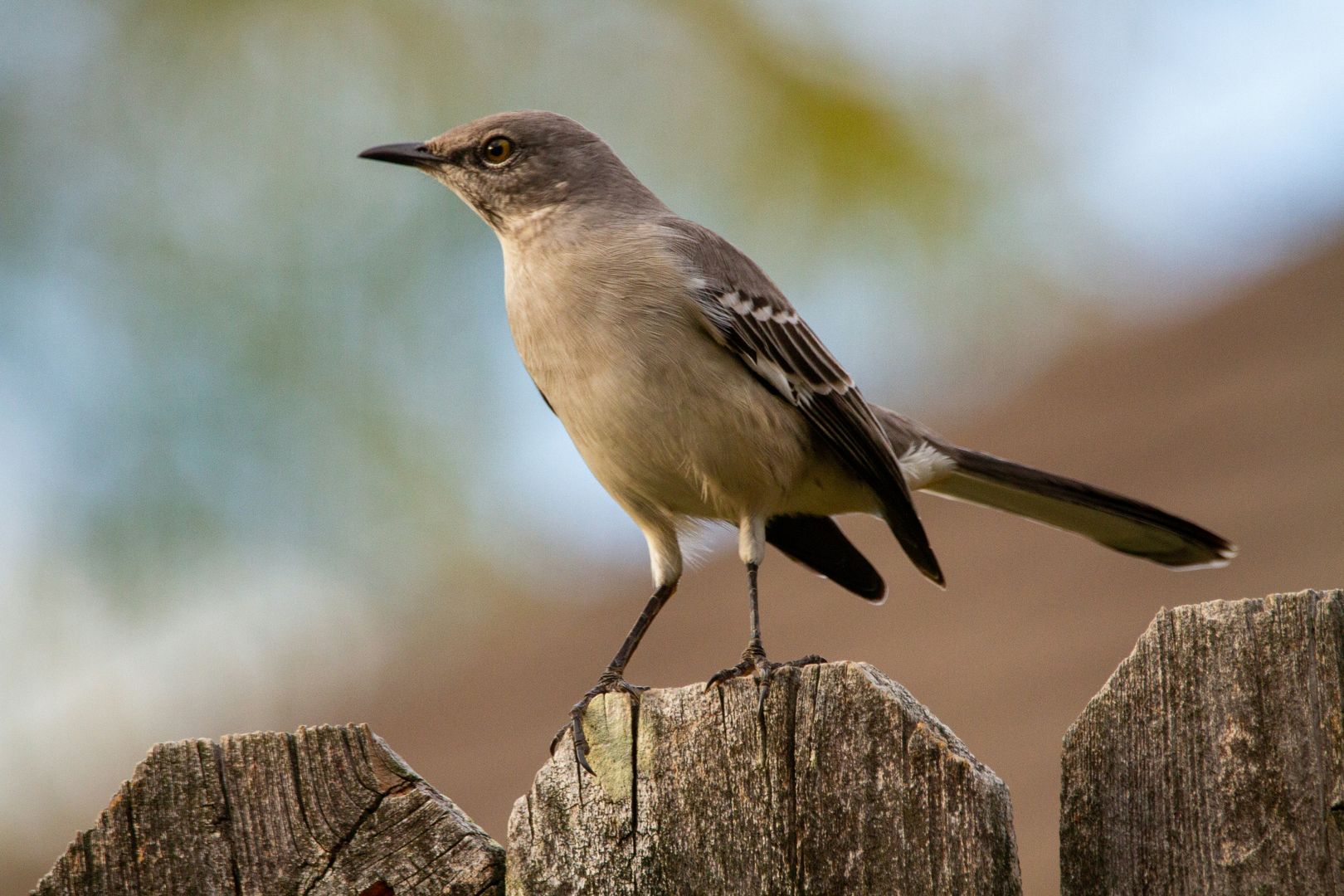
Something shows up that doesn't match your mental list of Birds That Exist, which for most adults contains about six entries: robin, pigeon, duck, crow, "hawk," and "little brown one." When entry seven arrives, some people shrug. Some go find out what it was.
2. The familiar bird, suddenly
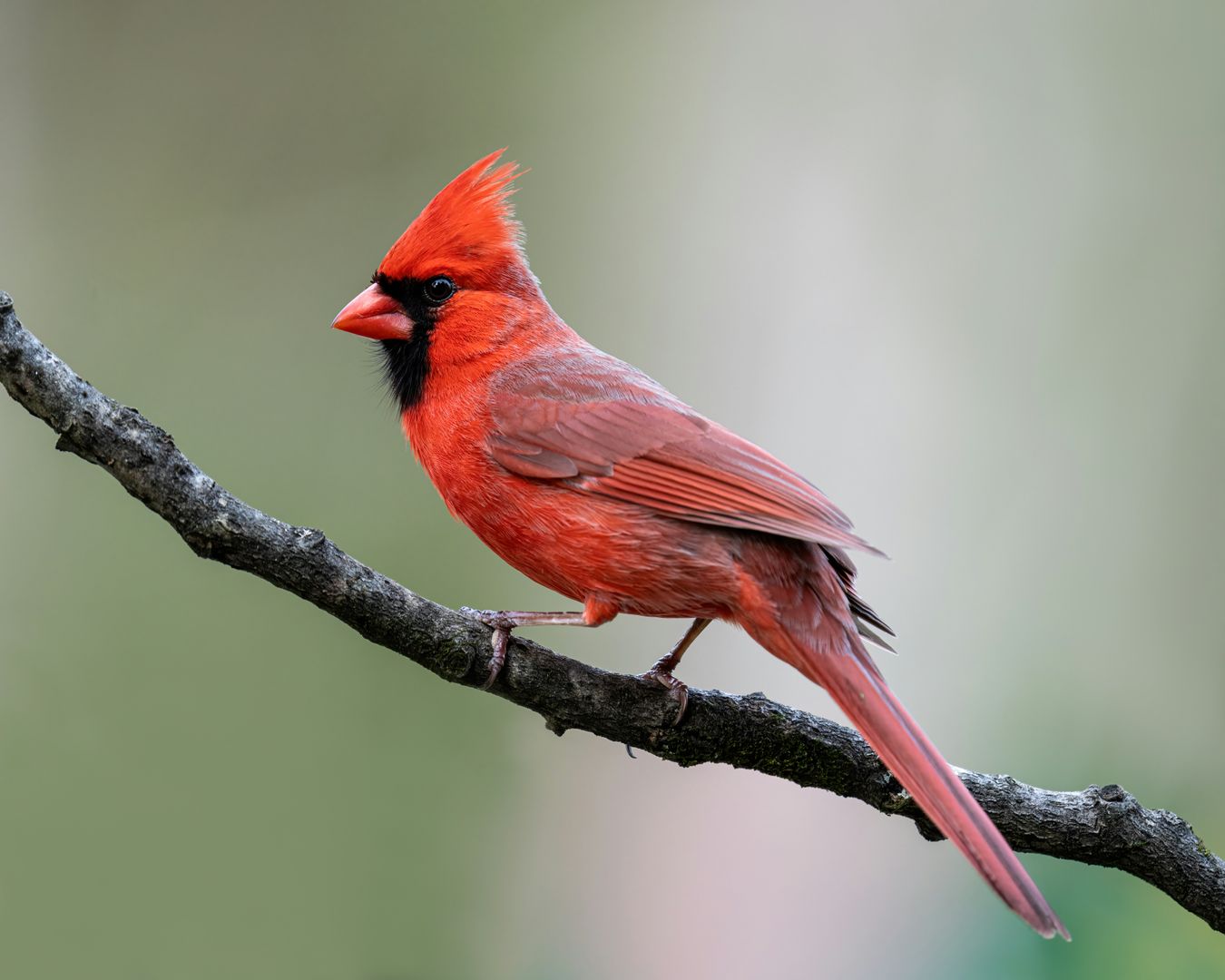
You've seen ten thousand Blue Jays. Then one afternoon you actually look at one, and it's absurd. It's an aggressively blue bird with a mohawk that screams like a car alarm, and it's been in your yard your entire life. Our roundup of interesting facts about Northern Cardinals exists largely because cardinals do this to people constantly.
3. The behavior
Not what the bird looked like but what it did. A heron holding perfectly still for six minutes. A nuthatch walking down a tree headfirst. A crow using a tool and clearly enjoying itself.
4. The person
Somebody pointed. This one is underrated and it's the one that matters most, which we'll get to.
The Part Most Spark Bird Articles Leave Out
You don't need a spark bird. Plenty of people become birders without one, and the mythology around the concept can quietly imply that if you haven't had a transcendent moment with a warbler, you're not really in the club.
Ted Floyd of the ABA makes this argument well, pointing out that his own conversion involved an opossum. Some people just needed a reason to leave the house.
But I’m going to push harder now against the whole theology of the spark bird: I don’t think you need a spark sighting, or an encounter of any sort whatsoever, to become a birder. -Ted Floyd
He goes further and suggests the spark bird narrative can be inadvertently exclusive, since a dramatic wilderness epiphany is a lot easier to have if you already had access to wilderness. A spark bird isn't a prerequisite. It's a description of something that happens to some people, and it's fine if your entry point was an app notification and mild boredom.
The Best Spark Is Usually a Person
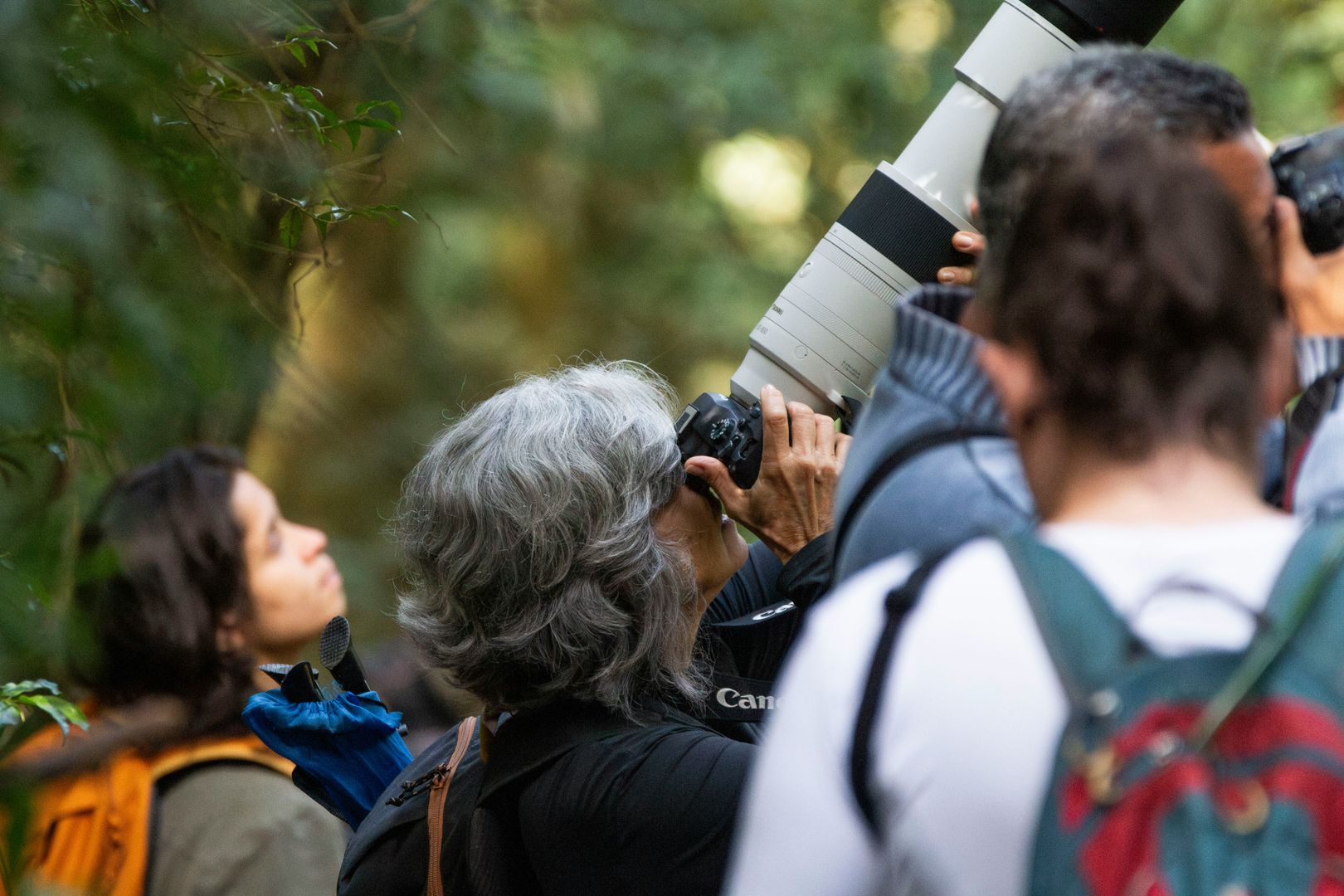
The single most reliable way to spark someone is to stand next to them and point. Not to hand them a book. Not to send them a link. To be physically present when a bird does something and say look at that.
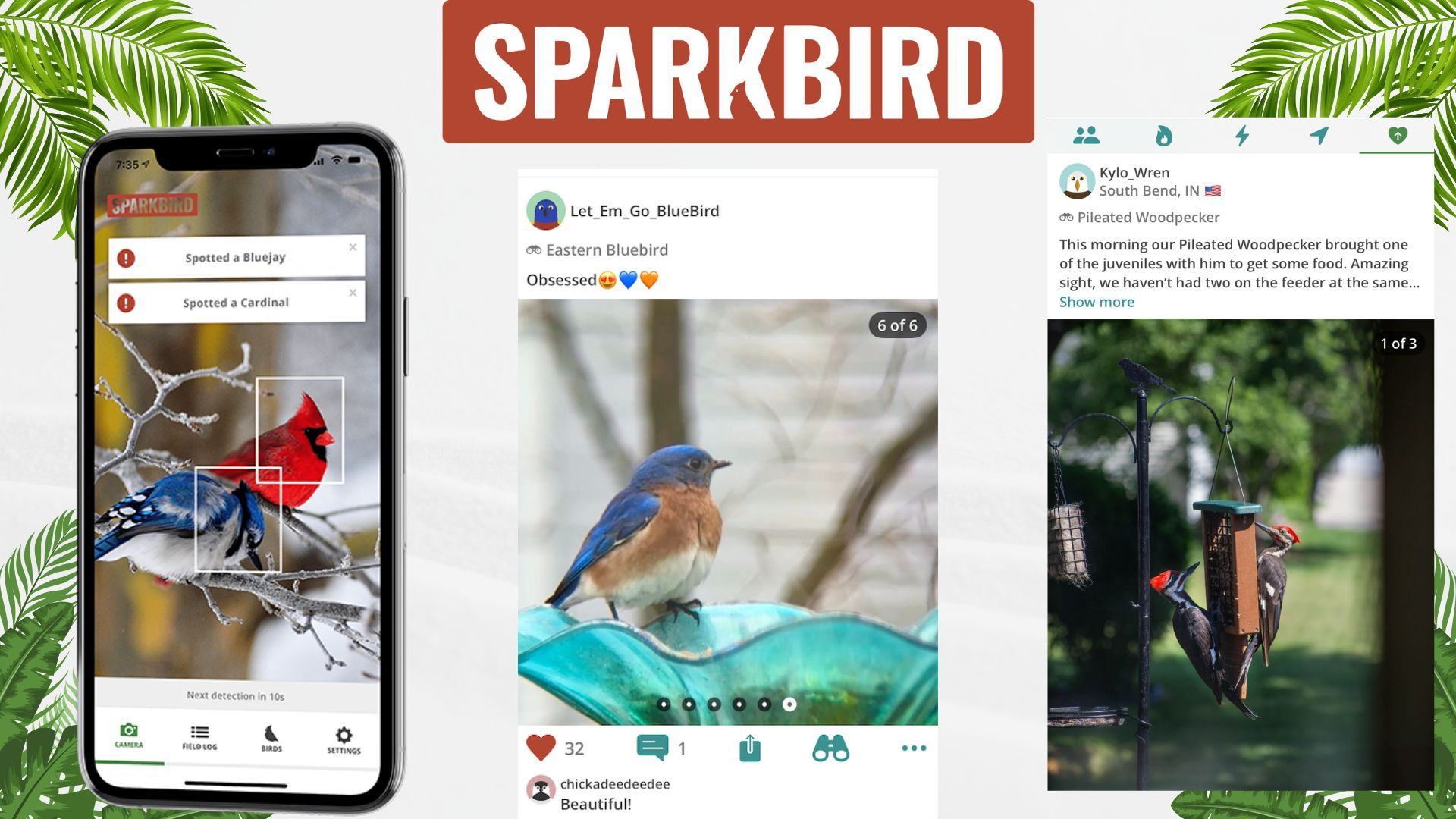
Every popular birding app is superb at telling you what a bird is and almost entirely uninterested in connecting you to anyone else who cares. That's the gap. The U.S. Fish and Wildlife Service counts 96 million birders in America, which means roughly one in three adults you know has some version of this hobby, and most of them are doing it alone with a phone.
Sparkbird started in 2018 as exactly the kind of solo tool everyone else builds. Will, our founder, started the project to showcase his developer skills. Noticing that identification alone didn't do the thing he actually wanted, which was experience and share it with other people.
You never know when a spark will turn into a flame, which is a sentence I'd apologize for if it weren't the literal business model.
How to Find Yours
You can't schedule a spark bird. You can absolutely improve the odds.
Sit somewhere for twenty minutes without a task. Most people have never looked at their own yard with nothing else going on. Birds are extremely available to bored people.
Learn four names. Whatever's most common where you live. The moment you can name four birds, everything unfamiliar starts standing out by contrast, and standing out is the whole mechanism.
Go on one free bird walk. Local Audubon chapters run them nearly everywhere and most don't require membership. Two hours next to someone who identifies by ear will do more than a month of reading. It's also, as we've noted somewhat shamelessly elsewhere, a genuinely good way to meet people.
Don't buy anything yet. Gear is a thing you earn after the fact, not a ticket you buy in advance. If a bird is going to spark you, it will do it from thirty feet away through a kitchen window.
Frequently Asked Questions
Can your spark bird be a common bird?
Yes. The spark comes from the moment of attention, not from the bird's rarity.
Do you have to have a spark bird to be a birder?
No. Treating a spark bird as a requirement makes the hobby sound more exclusive than it is.
What's a good spark bird for a kid?
Anything big, loud, or absurd. Blue Jays, crows, herons, woodpeckers, and hummingbirds all reliably work, because children respond to behavior more than plumage. Hand-feeding a chickadee is close to a guaranteed result.
What's your spark bird?
Your spark bird is probably already in your yard, doing something ridiculous, waiting for you to look up from your phone for ninety consecutive seconds.
And if it turns out to be a pigeon, own it. Somebody has to, and pigeons are cool.

No comments yet.