
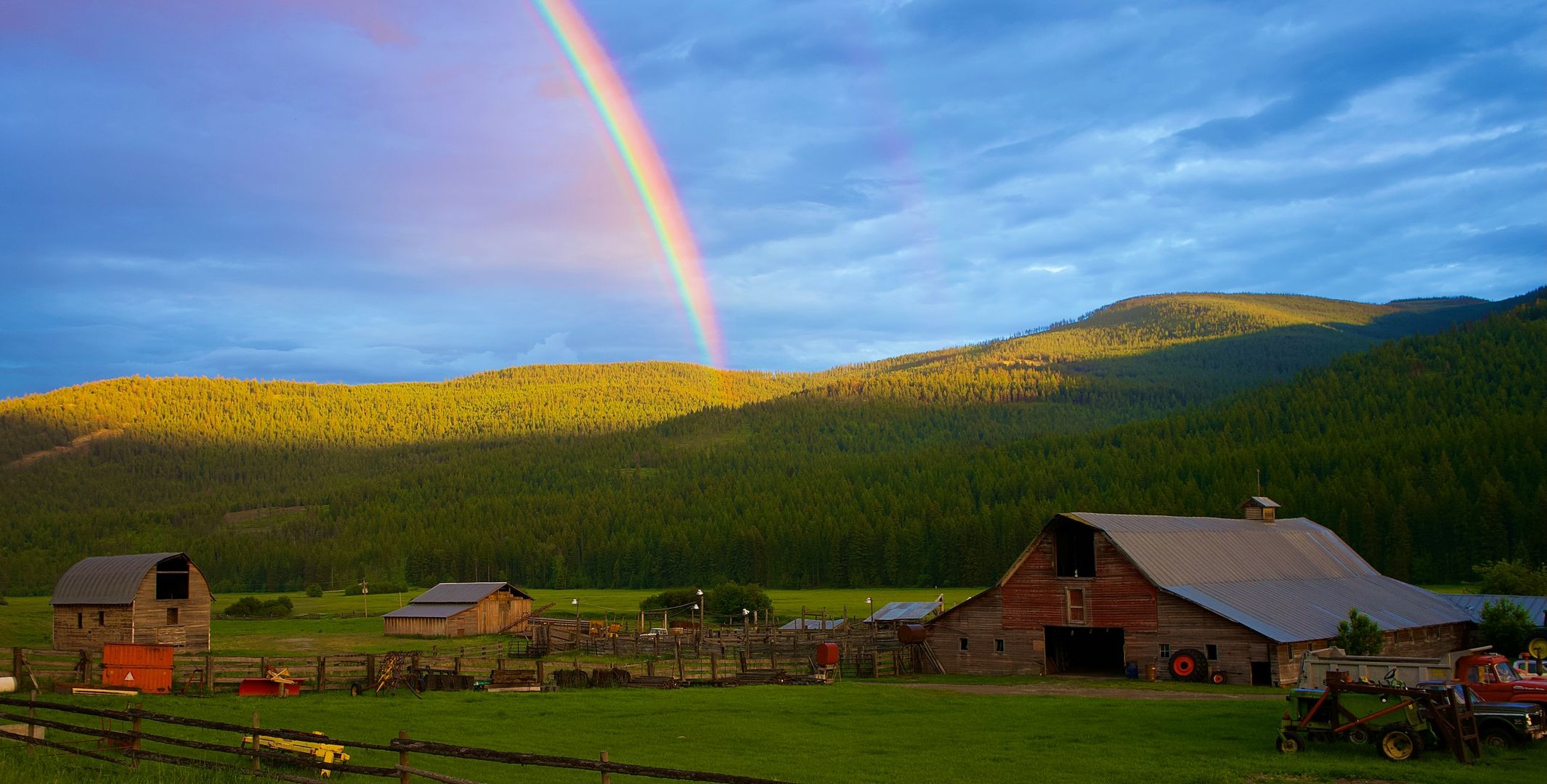
Idaho has 6 bird watching clubs with working websites, which sounds thin until you remember that driving from the southernmost to the northernmost takes 11 hours and crosses a time zone.
Northern Idaho runs on Pacific time. Everyone south of the Salmon River runs on Mountain.
Whether you're on a basalt rim south of Kuna watching Prairie Falcons work the canyon or counting swans on a frozen refuge outside Bonners Ferry, there is a club within reach, and it will almost certainly let you come along for free.
Why Join a Bird Watching Group at All
Solo birding has obvious appeal. Nobody rushes you, and nobody sees you an hour on a House Sparrow.
Idaho is 83,000 square miles with fewer than 2 million people, and birding knowledge is spread thin across. Which side of Lake Lowell is holding grebes this week, whether the Camas auto route is passable, when the canyon raptors are hunting instead of sitting on eggs. A birding group is where you'll find that info.
Clubs are also the front door to community science. The Christmas Bird Count runs December 14 through January 5 and has been going since 1900. Golden Eagle Audubon alone organizes circles at Boise, Nampa, Garden Valley, Bruneau, Cascade, Hagerman, and McCall, and beginners get placed with an experienced team.
A practical note before you spend money. A decent pair of binoculars for birding runs from $150 to well past $500, and you do not need to decide this month. Go on three free field trips first and ask the leader whether anyone has a spare pair, because someone usually does. With more than 100 free trips a year in the Treasure Valley alone, you can find out whether you like this before spending a cent.
Statewide Bird Watching Groups in Idaho
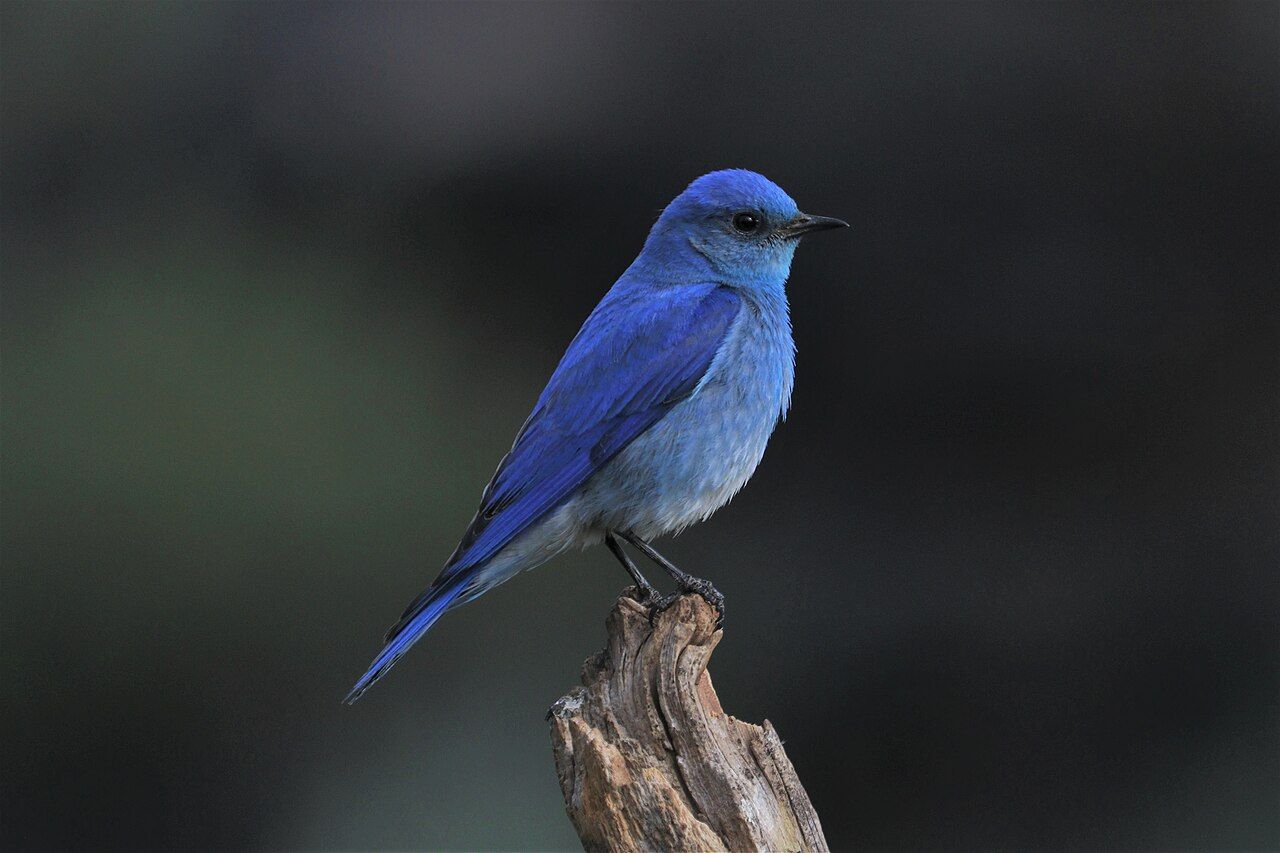
Idaho has no state ornithological society, no statewide journal, and no National Audubon state office. The chapters below operate independently. The closest thing to an umbrella is the Idaho Audubon Council, whose main visible function is appointing the state records committee, and it keeps no public website we could load. What Idaho has instead is an unusually good state agency program.
The Idaho Birding Trail
Run by Idaho Department of Fish and Game and recognized by a 2006 state house resolution as the official state birding trail. More than 250 sites across four regions, with GPS coordinates and eBird links in the directions. There is an interactive statewide map, and the four regional foldout guides are free at Fish and Game offices.
Idaho Master Naturalist Program
Also a Fish and Game program, with ten chapters in Sandpoint, Moscow, McCall, Nampa, Boise, Idaho Falls, Pocatello, Driggs, and Island Park. A bigger commitment than a bird walk: 40 hours of training plus 40 of volunteer service. Where a region has no bird club, this is often where the naturalists went instead.
Christmas Bird Count
Organized locally by the chapters below. Free, no experience required, and the easiest way to meet a dozen Idaho birders in one morning. Golden Eagle Audubon runs a Zoom orientation for newcomers and accepts feeder counters who would rather stay warm.
Bird Watching Groups in Boise, the Treasure Valley, and Southwest Idaho
Golden Eagle Audubon Society - Boise / Southwest Idaho
The largest and by a wide margin most active bird club in Idaho, and the obvious starting point anywhere near the Treasure Valley. More than 100 free field trips a year in one to two hour, half-day, and full-day formats, spread across different days of the month so shift workers are not permanently excluded. Registration is required and usually opens two weeks ahead, but there is no fee and no membership requirement. Their where to bird page flags which Boise sites have paved accessible trails, which almost no club publishes.
The Peregrine Fund's World Center for Birds of Prey - Boise / Ada County
Not a club, and the most important birding institution in the state. The visitor center at 5668 West Flying Hawk Lane opens daily 10:00 a.m. to 5:00 p.m., last admission 4:15; December through February it is Tuesday to Sunday, 10:00 a.m. to 4:00 p.m. Admission is $14 general, $12 for seniors 62 and over, $9 for youth 4 to 16, free under 4, with live bird presentations at 11:00, 1:00, and 3:00. It holds the largest breeding flock of California Condors on public display anywhere, which means you can look a condor in the eye in Idaho on a Tuesday afternoon.
Bird Watching Groups in the Magic Valley and South Central Idaho
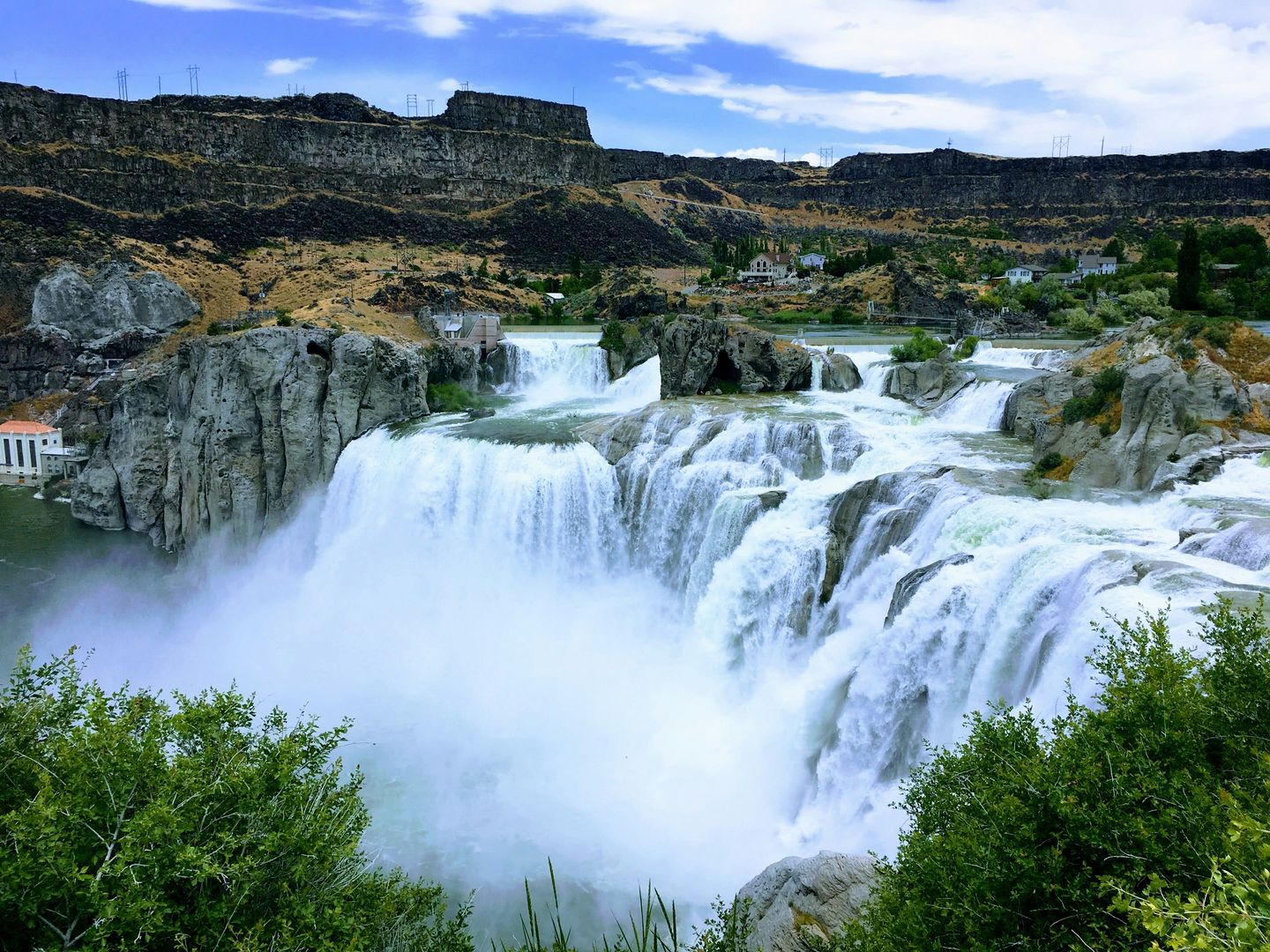
Prairie Falcon Audubon - Twin Falls / Magic Valley
The Magic Valley chapter. Roughly nine free programs a year with a guest presenter, plus about five birding field trips that the chapter states are free and open to the public with no membership required. Trip timing follows weather rather than a fixed calendar, so the e-newsletter is the only reliable way to hear about a walk in advance; the public events calendar is often empty between seasons. Past programs have covered the Cassia Crossbill, Idaho's endemic species, which lives in the South Hills an hour from town. An older chapter domain ending in .com is still online; the .org site is current.
Bird Watching Groups in Southeast Idaho: Pocatello and Idaho Falls
Snake River Audubon Society - Idaho Falls / Eastern Idaho
Founded in 1976 and covering the Idaho Falls end of the upper Snake River plain. Meetings are the third Thursday of every month except June, July, August, and December, with at least one field trip a month and two Christmas Bird Counts. Local membership is $10 a year, which the chapter says mostly covers the newsletter. The current site does not publish a meeting venue, so email before you drive over. Watch the web address: a similarly named domain without the word "society" in it is no longer the chapter's and now serves gambling spam.
Portneuf Valley Audubon Society - Pocatello / Bannock County
Pocatello's chapter, meeting the third Thursday of the month at 7:00 p.m. from September through May at the Marshall Public Library, 113 South Garfield. Read this one with your eyes open: the chapter's own site is a Google Sites page whose most recent newsletter is from October 2020, and the pvas.us domain it lists no longer resolves. Local press coverage shows it giving library talks well after that, so it is not dead, but it is not publishing either. Contact a board member before planning around a date.
Bird Watching Groups in North Central Idaho: Lewiston and Moscow
Palouse Audubon Society - Moscow / Latah and Nez Perce Counties
The chapter for Latah and Nez Perce counties in Idaho plus Asotin and Whitman across the Washington line, which makes it the only club here that routinely holds outings in two states. Programs are Wednesdays at 7:00 p.m., rotating between the 1912 Center in Moscow and the Pullman Rec Center. The Bird Walks on the Palouse series runs one to three hours, free and open to the public. One caveat: a few outings on private conservation ground are marked members only, so check the listing rather than assuming.
Bird Watching Groups in the Idaho Panhandle
Coeur d'Alene Audubon - Benewah, Bonner, Boundary, Kootenai, and Shoshone Counties
The chapter for the five northernmost counties, and the most consistently scheduled club in the state after Golden Eagle. Monthly meetings run 7:00 to 9:00 p.m. at the Coeur d'Alene Public Library, 702 East Front Avenue. The events calendar carries day trips plus a weekly Mica Bay survey, Tuesdays 8:00 to 11:00 a.m. seven miles south of town, which doubles as a low-pressure way for a beginner to join real fieldwork. Day trips are open to non-members and dues are kept low, but multi-day trips, including the annual run to Malheur, require membership.
Sandpoint and Bonner County have no bird club of their own that we could verify. The nearest options are the Coeur d'Alene chapter an hour south and the Sandpoint chapter of the Idaho Master Naturalist Program.
Bird Watching Groups in the Central Mountains and Sun Valley
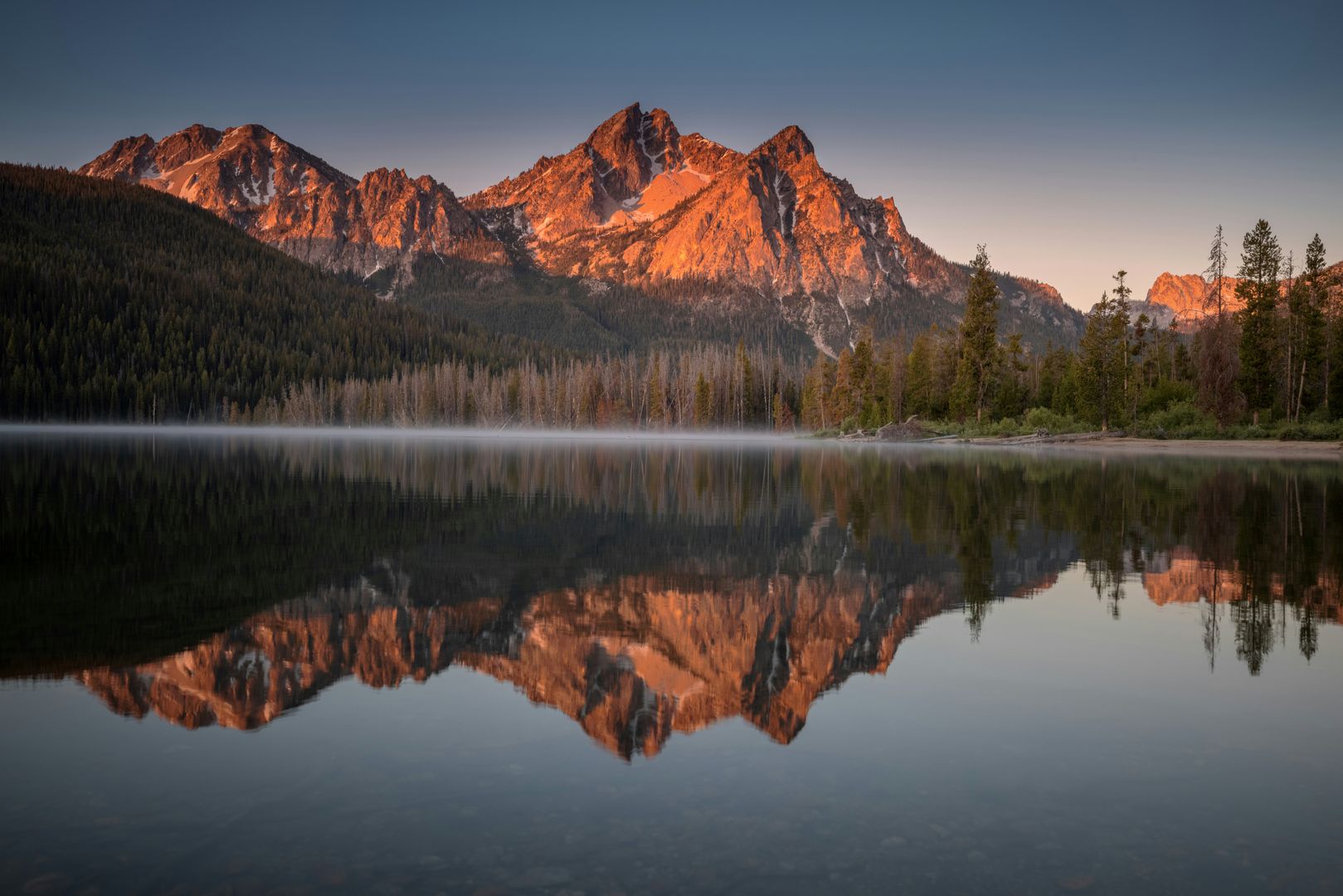
This is the gap in Idaho's map. The Wood River Valley, Stanley, and the Sawtooths have no bird club with a website we could load, and if you have read elsewhere that a Sawtooth Audubon chapter serves the area, we found no live site and no sign of activity.
What does exist: the Wood River Land Trust in Hailey has run a beginner Birding 101 session at the Draper wetland covering binocular technique and common species, and it fills up. The Master Naturalist program has chapters in McCall and Driggs. For an organized walk, Prairie Falcon Audubon in Twin Falls is the closest.
Other Ornithology and Research Groups in Idaho
These mostly do not run field trips, but two are worth planning a day around.
Intermountain Bird Observatory (IBO) - Boise State University
Idaho's migration research operation. Its Lucky Peak station sits on a ridge in the Boise River Wildlife Management Area, banding songbirds mid-July to mid-October in the mornings, counting migrating raptors from late August through October in the afternoons, and banding Flammulated and Northern Saw-whet Owls after sunset from September 1 to October 28. Day visitors are welcome and it is free, no reservation needed unless you are a group. Read the vehicle note in the FAQ first.
Boise State Raptor Research Center - Boise
Home to the only Master of Science in Raptor Biology program in the country. Not a visitor destination, but its injured or found birds page is the most useful triage reference in the state.
Idaho Bird Records Committee
A committee of the Idaho Audubon Council. It maintains the official Checklist of Idaho Birds and the List of Idaho Review Species, and it is who you send documentation to when you find something unexpected. The state list stood at 433 species as of January 2022. Its records and report form live on the Idaho Birds site at idahobirds.net, behind a bot-verification screen that an ordinary browser passes without trouble.
Sparkbird App - Community
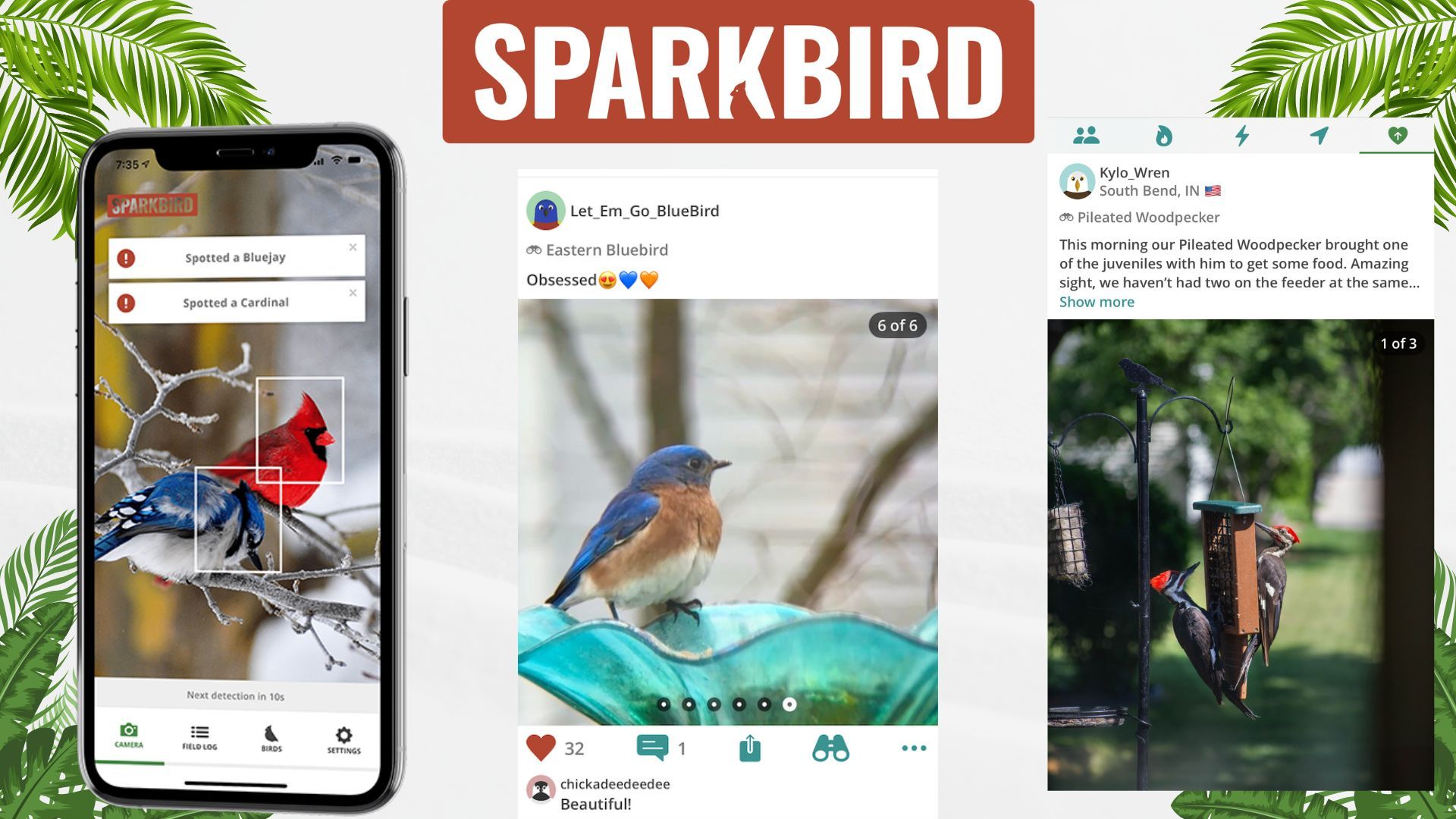
We built Sparkbird for people who want a friendly community of birders rather than an algorithm. Track your life list, get identification help, and meet people who also stop mid-sentence to look at a cottonwood. Useful where the nearest club meeting is two hours away.
Where to Go Birding in Idaho
Joining a club is the fastest route to local knowledge, but these are the places that reliably produce.
- Morley Nelson Snake River Birds of Prey National Conservation Area (Ada, Canyon, Elmore, and Owyhee Counties) — 485,000 BLM acres along 81 miles of the Snake River holding roughly 800 nesting pairs of hawks, eagles, falcons, and owls, the densest concentration of nesting raptors in North America. No fees. BLM puts the best viewing in mid-March, May, and June, early morning and evening, and notes April is quieter because the birds are incubating. Dedication Point is 16 miles from Kuna on pavement, with graveled parking, pit toilets, and a short trail to the overlook; Swan Falls Dam is 21 miles out, paved to the dam. The cliff rock crumbles, summer tops 100 degrees, and there are rattlesnakes.
- Deer Flat National Wildlife Refuge (Canyon County) — Lake Lowell plus 104 Snake River islands, nearly 9,000 acres with more than 10 miles of trail. Open daily during daylight hours, no entrance fee; visitor center weekdays 8:00 a.m. to 4:00 p.m. and Saturdays 10:00 a.m. to 4:00 p.m. Access is through designated points only and seasonal closures apply, so check the refuge alerts before a spring trip.
- Camas National Wildlife Refuge (Jefferson County) — Off I-15 at exit 150 near Hamer, open half an hour before sunrise to half an hour after sunset, free. A 3.5 mile auto tour if you have fifteen minutes and a 7 mile loop if you have longer, plus a 1.8 mile gravel birding trail, unmaintained in winter. There are no services in Hamer and the nearest fuel is 17 to 20 miles away.
- Market Lake Wildlife Management Area (Jefferson County) — 6,062 acres of Fish and Game marsh, a Global Important Bird Area since 2010, with more than 180 species annually, nesting White-faced Ibis, and a viewing blind. Read the closures: marshes and dikes close April 1 to July 31, and some roads close December 15 to April 1. Waterfowl hunting is the primary autumn use, so wear something visible at dawn.
- Bear Lake National Wildlife Refuge (Bear Lake County) — Seven miles south of Montpelier, open sunrise to sunset year round with no entrance fee, and about 100 migratory species nest here in large colonial waterbird concentrations, which National Audubon recognizes as a Globally Important Bird Area. Restrooms sit on the Salt Meadow auto tour route. Plan around 5,925 feet of elevation where weather turns fast, and winter access that may be impassable.
- Kootenai National Wildlife Refuge (Boundary County) — 2,774 acres under the Selkirks near Bonners Ferry, reached from Highway 95 then six miles west on Riverside Road, with 223 bird species recorded. Trails, roads, and the auto tour are open daily during daylight, closing only in unsafe conditions, with no entrance fee. Camping, drones, and fires are prohibited, and the refuge tells hikers to carry bear spray.
- Boise River Greenbelt (Ada County) — 29 miles of pathway through the middle of Boise, open sunrise to sunset, free, and part of the Idaho Birding Trail. The answer when you have ninety minutes and no vehicle. Golden Eagle Audubon flags the paved accessible stretches at Kathryn Albertson, Esther Simplot, Marianne Williams, and Barber Parks.
If you'd rather start from your own yard while you wait for the canyon to warm up, our guide to hummingbird plants for Idaho covers what survives a high-desert summer and a cold snap in May.
Idaho Bird Books and Field Guides
A state guide plus a regional guide is the combination that works here, because Idaho straddles two field-guide regions and plenty of Panhandle birds never appear in a Great Basin book.
Birds of Idaho Field Guide
Stan Tekiela's Idaho volume, second edition, organized by color rather than taxonomy. See a yellow bird, turn to the yellow section. The least intimidating first guide for the state.

Sibley Birds West: Field Guide to Birds of Western North America
The western Sibley, second edition, and the one you graduate to once "small brown bird" stops being an acceptable answer.

Birds of the Pacific Northwest: A Photographic Guide
Aversa, Cannings, and Opperman, University of Washington Press. Photographs rather than plates, and better suited to the Panhandle than a Rocky Mountain guide.

Birds of the Pacific Northwest: A Photographic Guide
University of Washington Press
Hawks in Flight, Second Edition
Dunne, Sibley, and Sutton on identifying raptors as distant shapes doing distant things. In this state, that stops being a specialist skill.

Idaho Bird Rescue and Rehabilitation
Always call first. Hours and intake capacity vary, and several Idaho rehabilitators are licensed for songbirds but not raptors, or the reverse. Idaho also publishes no single public directory of licensed rehabilitators, so the fastest route to help is a call to a specific center rather than a search on a state website.
Boise State Raptor Research Center: Injured or Found Birds
Start here. The best triage page in the state, with current Treasure Valley intake numbers and a pointer to the U.S. Fish and Wildlife Service locator for permitted migratory bird rehabilitators.
Animals in Distress Association and the Ruth Melichar Bird Center - Boise / Ada County
The main Treasure Valley intake for birds and small mammals, handling more than 3,000 animals a year on donations alone. Bird Center 208-338-0897, AIDA hotline 208-367-1026. Open daily, 10:00 a.m. to 2:00 p.m. in fall and winter and 8:00 a.m. to 8:00 p.m. in spring and summer. Do not give food or water to any wild animal before you have spoken to a rehabilitator.
Birds of Prey Northwest - St. Maries / Benewah County
North Idaho's raptor specialists, in their fourth decade. Raptors and white pelicans only, at 208-245-1367. Onsite tours by appointment with a minimum donation.
American Heritage Wildlife Foundation - Clark Fork / Bonner County
Migratory birds and small mammals for the Sandpoint and Pend Oreille end of the Panhandle, at 208-266-1488. Eagles go to Birds of Prey Northwest.
Snowdon Wildlife Sanctuary - McCall / Valley County
Songbirds along with bears, fawns, and small mammals for the central mountains, at 208-634-8050. Closed to visitors except at an annual September open house.
Earthfire Institute - Driggs / Teton County
Takes native Idaho wildlife at 208-456-0926 but does not handle migratory birds, and refers raptors onward.
Teton Raptor Center - Serving Eastern Idaho
Across the line in Wilson, Wyoming, and the referral destination for injured raptors in eastern Idaho. Hotline 307-203-2551, staffed 9:00 a.m. to 5:00 p.m., 365 days a year. Raptors only.
Teton Wildlife Rehabilitation Center - Eastern Idaho
Riparian, migratory, and songbirds, including Sandhill Cranes and Trumpeter Swans, specializing in overwintering birds that cannot migrate.
One gap worth knowing: the licensed rehabilitator nearest Moscow takes small mammals only, so injured birds on the Palouse travel to Birds of Prey Northwest or across to Spokane.
Frequently Asked Questions
Where is the best place to see raptors in Idaho?
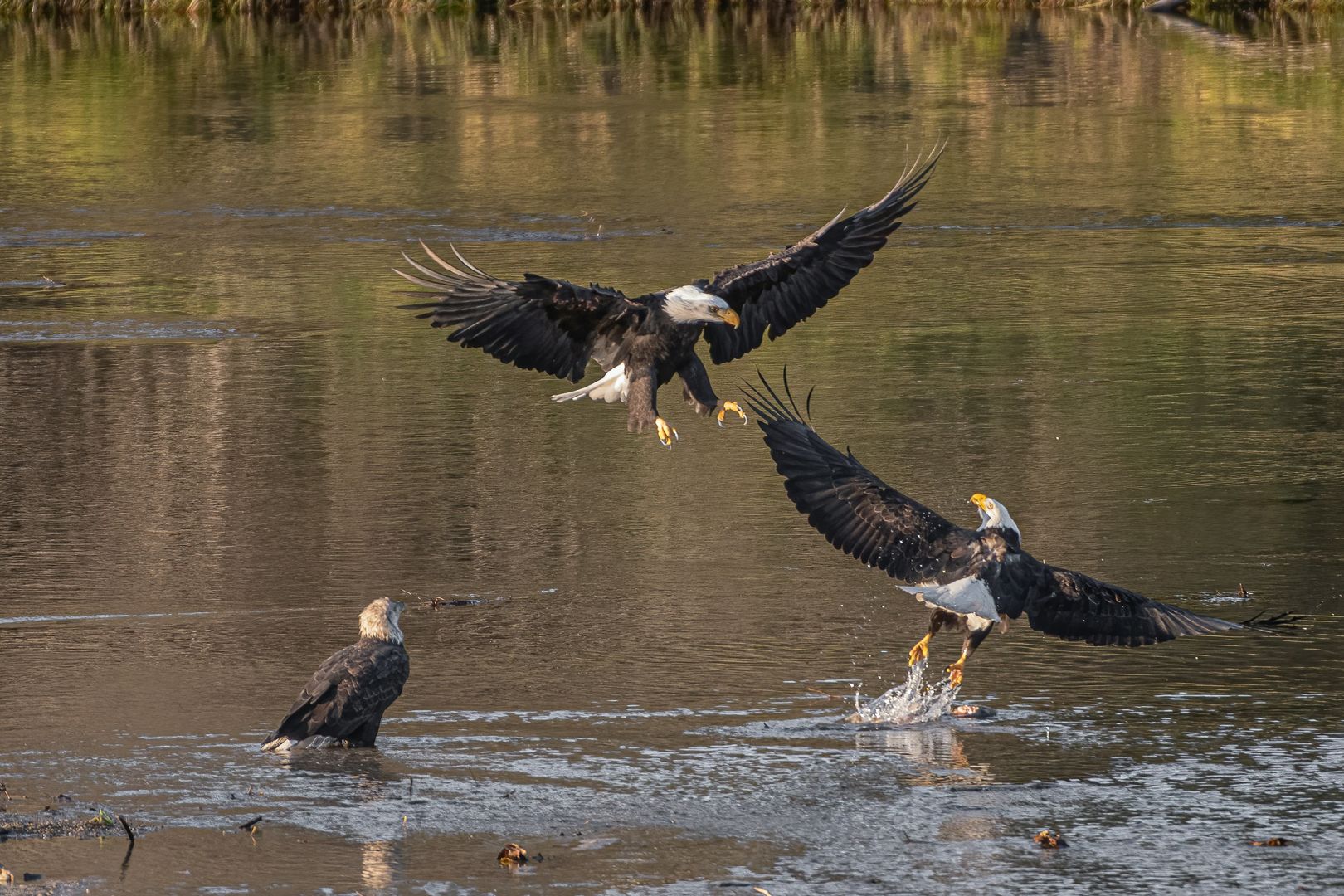
The Morley Nelson Snake River Birds of Prey National Conservation Area, 15 miles south of Boise. There's roughly 800 pairs of hawks, eagles, falcons, and owls nest along 81 miles of canyon. Dedication Point, reached on pavement from Kuna, is the standard overlook and costs nothing. For raptors at close range instead, the Peregrine Fund's World Center for Birds of Prey has live birds and California Condors on display daily.
When is the Snake River canyon best for birding?
Mid-March, May, and June, early morning and evening— when the raptors are hunting. BLM notes April is slower because the adults are on eggs, and that by July the heat pushes birds into shade. Summer afternoons top 100 degrees in the canyon, so early starts are mandatory rather than virtuous.
Do you need a 4WD vehicle to go birding in Idaho?
For most of the state, no. The refuges, the Boise Greenbelt, Dedication Point, and Swan Falls are all reachable on pavement or graded gravel in an ordinary car. The exception is the Intermountain Bird Observatory's Lucky Peak station, where the observatory specifies a four-wheel or all-wheel-drive high-clearance vehicle with about eight inches of clearance and advises against the road during and after rain.
Got an Idaho birding group to recommend?
If your club is missing here, or you have started one in a corner of the state that currently has nothing, tell us. Leave a note in the comments or find us on the Sparkbird App in the Apple App Store.
Our goal is to build a birding community that connects people to nature and to each other. Idaho makes that harder than most states by putting eleven hours of mountain between one end of the club list and the other.
- Related: How to Use the Sparkbird App

No comments yet.