
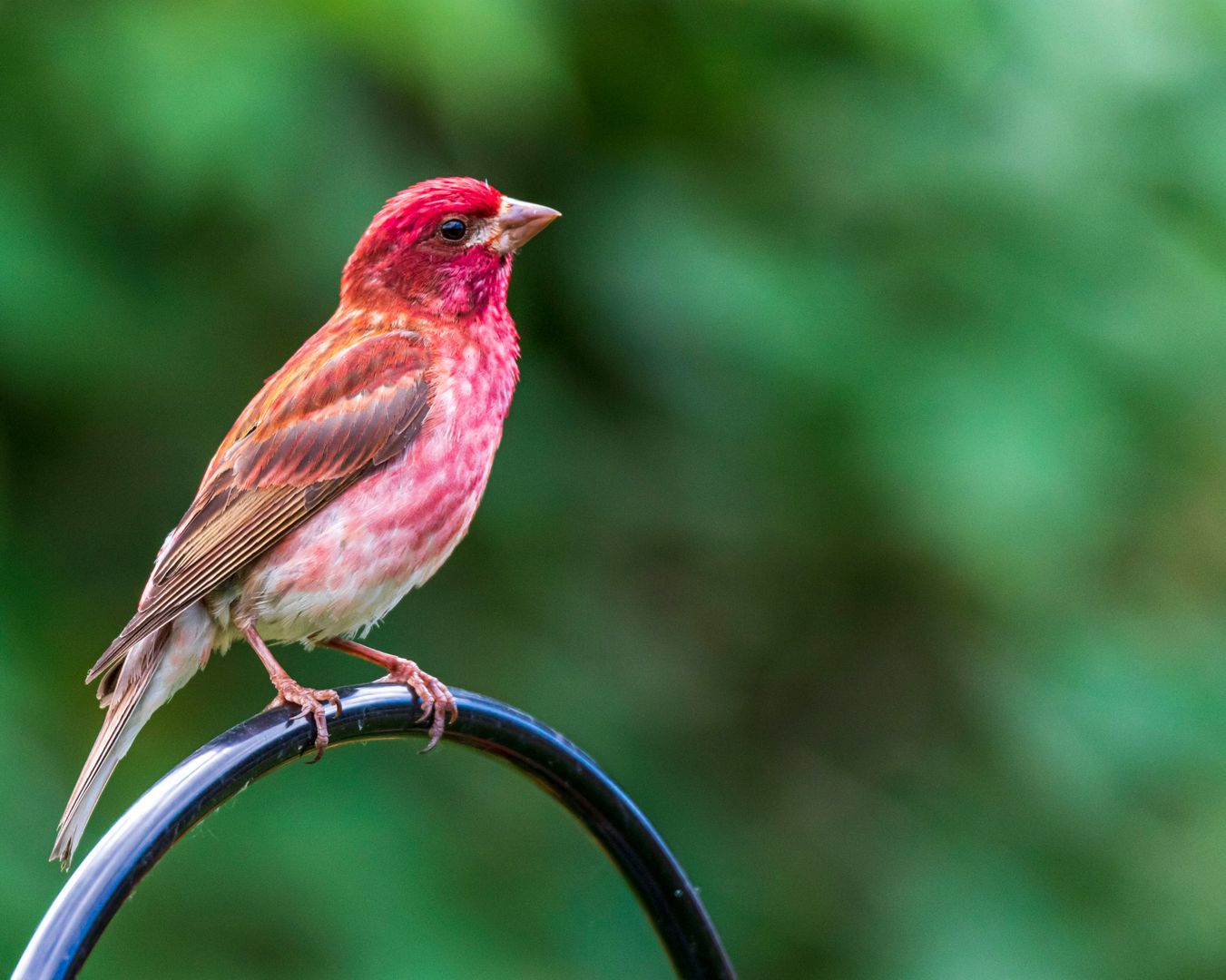
New Hampshire has four active local bird clubs and roughly a dozen nature centers, sanctuaries and research outfits. The state gives birders about eighteen miles of Atlantic coastline. Seacoast birders have wrung more rarities out of that strip than some states manage with a whole shoreline.
Costs are low. Almost everything in this directory is free. What costs money is reaching the birds: state parks charge per person rather than per vehicle, and Star Island requires a booked boat.
Why Join a Bird Watching Group at All
Solo birding is fine. But a group gives you somebody who knows where the birds were yesterday. That matters more than usual here, because the best birding sits in a few chokepoints that are seasonal, weather-dependent or hard to reach.
Clubs are also the door into community science, and in New Hampshire the Christmas Bird Count is the obvious way in. Almost every count circle in the state is organized by one of the groups below.
Try before you buy
One practical opinion before you spend money. A decent pair of binoculars for birding runs from about $150 to well past $500, and you don't need to make that call before your first walk. Borrow some from the library or ask to peek through a club member's 'binos a few times.
Statewide Bird Watching Groups in New Hampshire
NH Audubon
The statewide organization and the spine of birding here. Be clear about what it is: NH Audubon is separate and independent from the National Audubon Society, and is instead a National Wildlife Federation affiliate.
It stewards 40 sanctuaries totalling more than 7,500 acres, runs three staffed centers, and organizes the regional chapters that function as New Hampshire's local bird clubs. Headquarters is the McLane Center, 84 Silk Farm Road, Concord.
Its raptor work is the most visible part of the conservation program. Staff and volunteers have monitored peregrine falcons since the early 1980s, taking the state from a single cliff pair in Franconia Notch in 1981 to a record 37 territorial pairs in 2025, with a public Peregrine Cam on Manchester's Brady Sullivan Tower.
One warning: NH Audubon's own chapter page doesn't name its chapters, so the regional sections below do that job.
The Joy of Birding (formerly New Hampshire Bird Records)
New Hampshire Bird Records has documented the state's birds since 1982. In November 2025 it moved fully online as The Joy of Birding, published by NH Audubon and managed by Grace McCulloch: seasonal summaries, rare bird write-ups and identification pieces, published continuously rather than quarterly, and free.
The older nhbirdrecords.org site is still live and holds the back issues.
NH Rare Birds Committee
Six members, chaired by Kurk Dorsey, reviewing rare and unusual sightings to keep the state list defensible. It operates independently of both New Hampshire Bird Records and NH Audubon. If you find something genuinely unexpected, its documentation form for rarities is where the record goes. The published review list dates to February 2023, so check before assuming a species has come off it.
Christmas Bird Count in New Hampshire
The Christmas Bird Count has run every year since 1900. New Hampshire fields 21 active circles plus an offshore circle at Jeffreys Ledge, each picking one survey day between December 14 and January 5, and NH Audubon publishes the compiler contacts for all of them.
Free, no experience needed, and you can count from your own yard if you live inside a circle.
Bird Watching Groups on the Seacoast
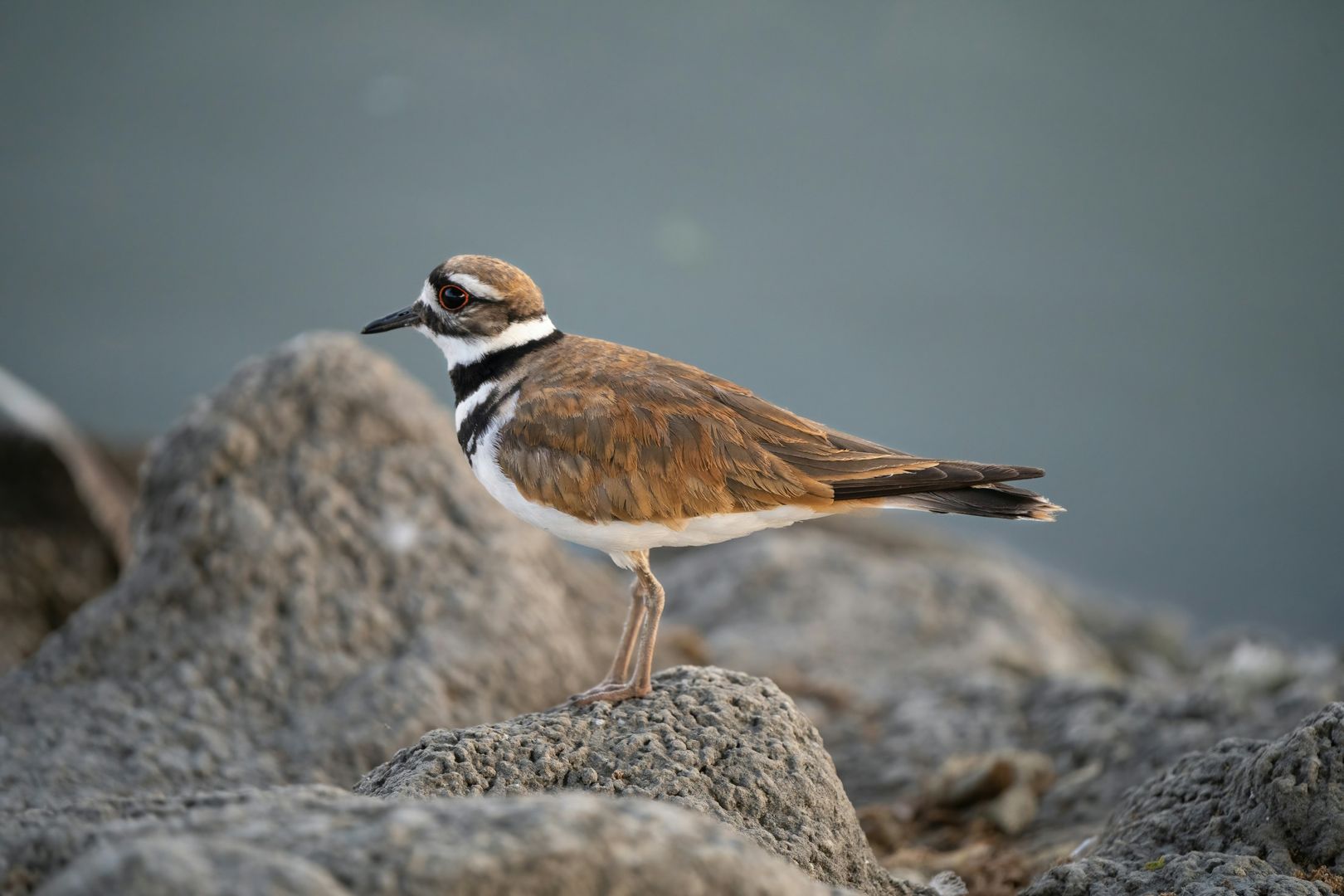
Seacoast Chapter of NH Audubon
The most active bird club in the state and the one to join if you're anywhere near Portsmouth. Programs and field trips are open to the general public and most are free. Evening programs run at the Seacoast Science Center inside Odiorne Point State Park in Rye, usually on a Tuesday, refreshments at 7:00 pm and meeting at 7:30 pm, with some sessions on Zoom.
The field trip schedule runs from late summer through the following winter: coastal shorebird mornings, beginner walks at Pickering Ponds and Piscassic Greenway, saw-whet owl banding, a Bioblitz at Odiorne, and the Christmas Bird Counts.
Trips have caps, so sign up rather than turn up. The exceptions to the free rule are the September and October pelagics at $75 per person, and trips into state parks where the gate fee applies.
Bird Watching Groups in the Merrimack Valley
NH Audubon McLane Center - Concord
NH Audubon's headquarters, on the Silk Farm Wildlife Sanctuary. Open Wednesday to Saturday, 11am to 5pm, no entrance fee, with several miles of trails and the courtyard raptor mews open dawn to dusk daily and free.
There's a nature store and binocular rental at $5 for non-members. It closes for weather when the Concord School District does, which is a very New Hampshire closure policy.
NH Audubon Massabesic Center - Auburn / Rockingham County
Twenty-six Audubon Way on Lake Massabesic, with over five miles of trails including a 0.4-mile All Persons Trail through grassland and wetland. Center hours Wednesday to Saturday, 11am to 5pm; trails dawn to dusk daily. No admission charge. The closest thing greater Manchester has to a birding hub.
Nashaway Chapter of NH Audubon (disbanded)
Worth knowing before you go looking. The Nashaway Chapter, which served Nashua and its surrounding towns, disbanded effective April 25, 2023 and transferred its assets to the state organization. Its site is still online as a regional birding reference.
Southern New Hampshire now has no local bird club, the largest gap in this directory, and the Seacoast Chapter and the Monadnock Bird and Nature Club are the nearest alternatives.
Bird Watching Groups in the Monadnock Region
Monadnock Bird and Nature Club
An independent club rather than an Audubon chapter, covering Keene, Surry, Nelson, Hancock and Stoddard. Its Second Saturdays in Surry walks meet at 8:00 am at the Beth-El Bible Church parking lot, Surry Village. It also runs coastal trips, waterfowl walks and nighthawk counts, many jointly with the Harris Center, and events are open to anyone.
Harris Center for Conservation Education - Hancock / Cheshire County
Founded in 1970 at 83 King's Highway, it has protected more than 26,000 acres directly and helped assemble a 36,000-acre SuperSanctuary across eight towns. The number that matters here: more than 100 programs and outings a year for the public, free of charge. Its birding outings run year round, registration normally required.
Pack Monadnock Raptor Observatory - Peterborough / Hillsborough County
New Hampshire's flagship autumn hawk watch, on the granite clearing at the 2,290-foot summit of Pack Monadnock inside Miller State Park. Counting has gone on since 2005, with a seasonal field biologist through 2017 and the Harris Center taking full responsibility in 2022.
It averages more than 11,000 migrating raptors a season, topped 19,000 in 2014, and runs mid-September to mid-November. Public programs are led by Harris Center Bird Conservation Director Phil Brown; the state park's per-person day-use fee applies.
Bird Watching Groups in the Lakes Region
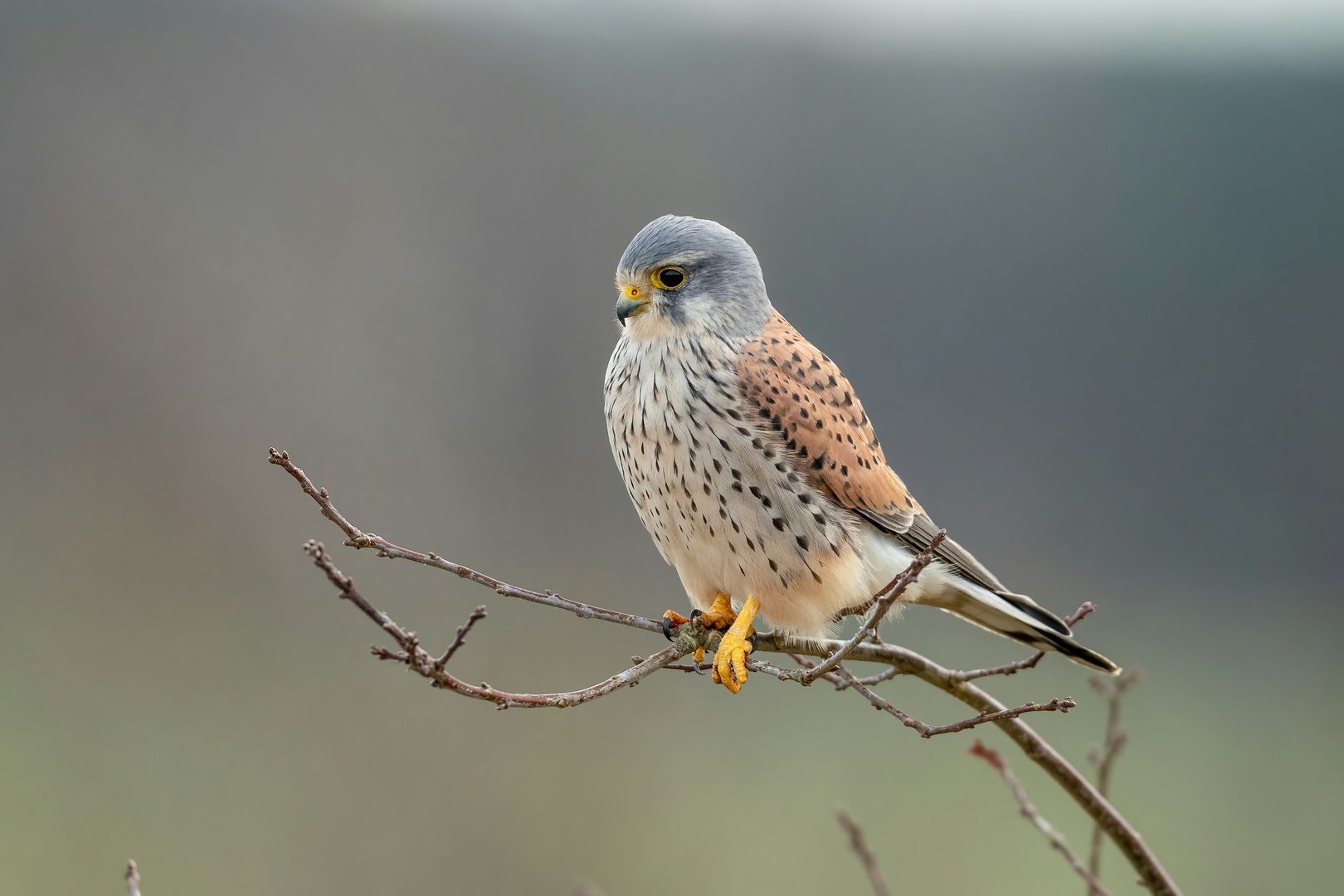
Lakes Region Chapter of NH Audubon
Covers Carroll County, Belknap County and beyond, including parts of the White Mountain National Forest, which makes it the effective chapter for a large slice of the state.
Free monthly programs run on the third Thursday evening at The Loon Center in Moultonborough, with small-group birding trips during migration, and all activities are open to members and non-members alike. It also runs a spring Bird/Bloomathon and a Christmas Bird Count.
Loon Preservation Committee - Moultonborough / Carroll County
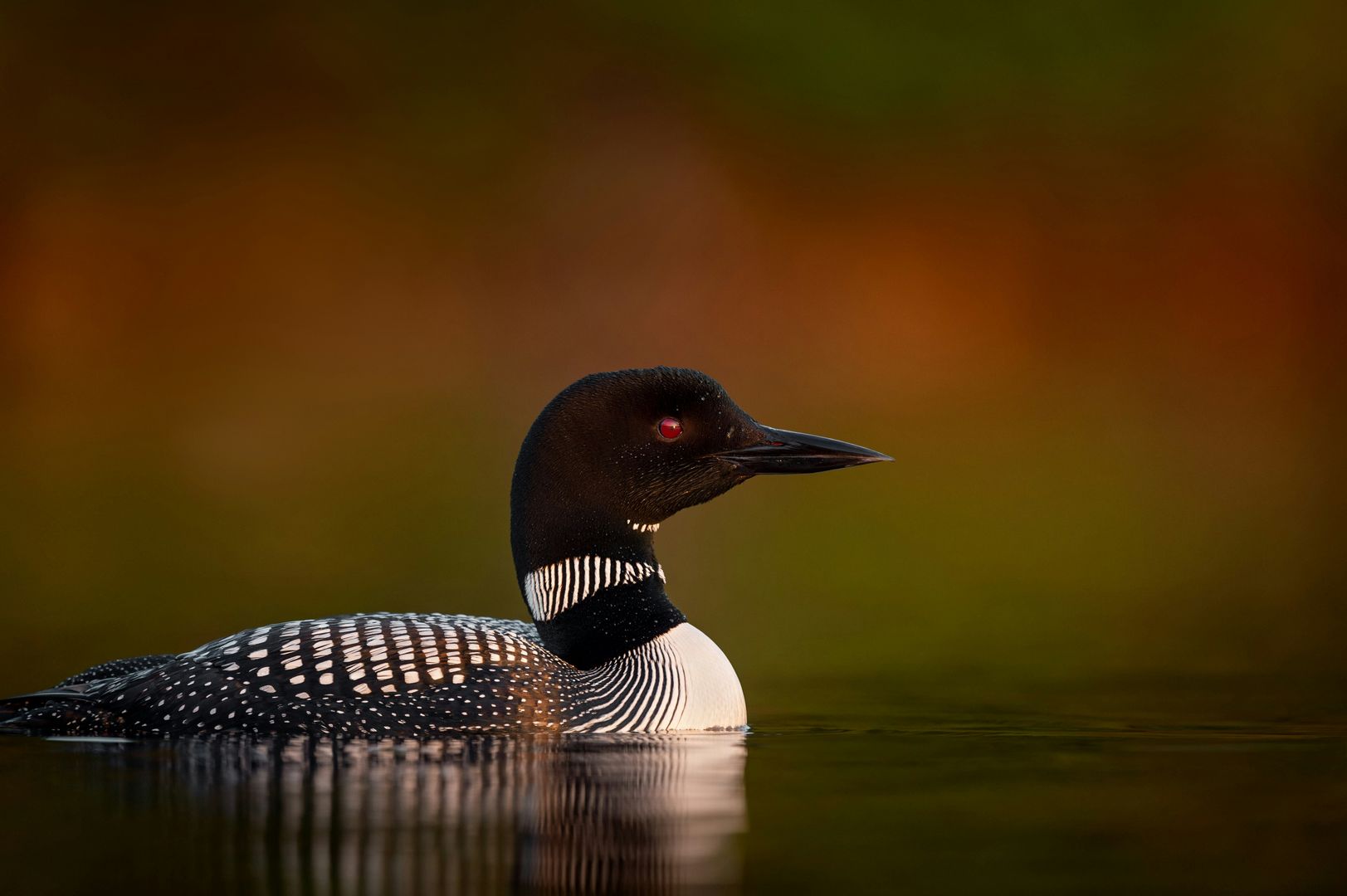
New Hampshire's loon program is the state's most distinctive conservation asset, and it's genuinely open to the public. The Loon Center at 183 Lee's Mill Road sits on a 200-acre sanctuary with over 5,000 feet of Lake Winnipesaukee shoreline, and admission is free.
Hours are daily 9am to 5pm from July 1 through Indigenous Peoples Day, narrowing to Thursday through Saturday from mid-October to late May. There are exhibits, nature trails, and a loon cam running May into early July.
NH Audubon Newfound Center - Hebron / Grafton County
Three linked sanctuaries on the north shore of Newfound Lake: Paradise Point, Hebron Marsh at Ash Cottage, and Bear Mountain. The nature center runs seasonally from late May to early September, admission free, with beginner birding outings and free guided paddles on the summer schedule and Tuesday evening talks at 7:00 pm. Trails open year round, dawn to dusk.
Bird Watching Groups in the White Mountains and Mount Washington Valley
No bird club is headquartered in the White Mountains. The Lakes Region Chapter's stated coverage extends into Carroll County and the national forest, which makes it the default.
Tin Mountain Conservation Center - Albany / Carroll County
A year-round nonprofit environmental education center in the Mount Washington Valley, running nature programs, camps and conservation research including avian ecology work. Programs are open to members and non-members, with member discounts. Check the calendar before driving out, since the mix is seasonal.
Bird Watching Groups in the Great North Woods
Friends of Pondicherry National Wildlife Refuge
The volunteer group supporting the Pondicherry Division of the Silvio O. Conte National Fish and Wildlife Refuge, the best boreal birding in New Hampshire and among the best in New England. The Friends maintain directions and trail information, including the main trailhead at 289 Airport Road, Whitefield.
Coos County has no local bird club of its own, so between the Friends, NHBirds and the refuge, this is the infrastructure.
Bird Watching Groups in the Upper Valley
Mascoma Chapter of NH Audubon - Upper Valley
The chapter's site states plainly that all its field trips, walks and programs are free and open to the public, and it keeps a useful Upper Valley hotspots page.
One caution: the site carries a 2022 copyright and its most recent walk archive is from 2022, so current activity is unclear. Contact NH Audubon in Concord before assuming a walk is running.
Other Ornithology and Research Groups in New Hampshire
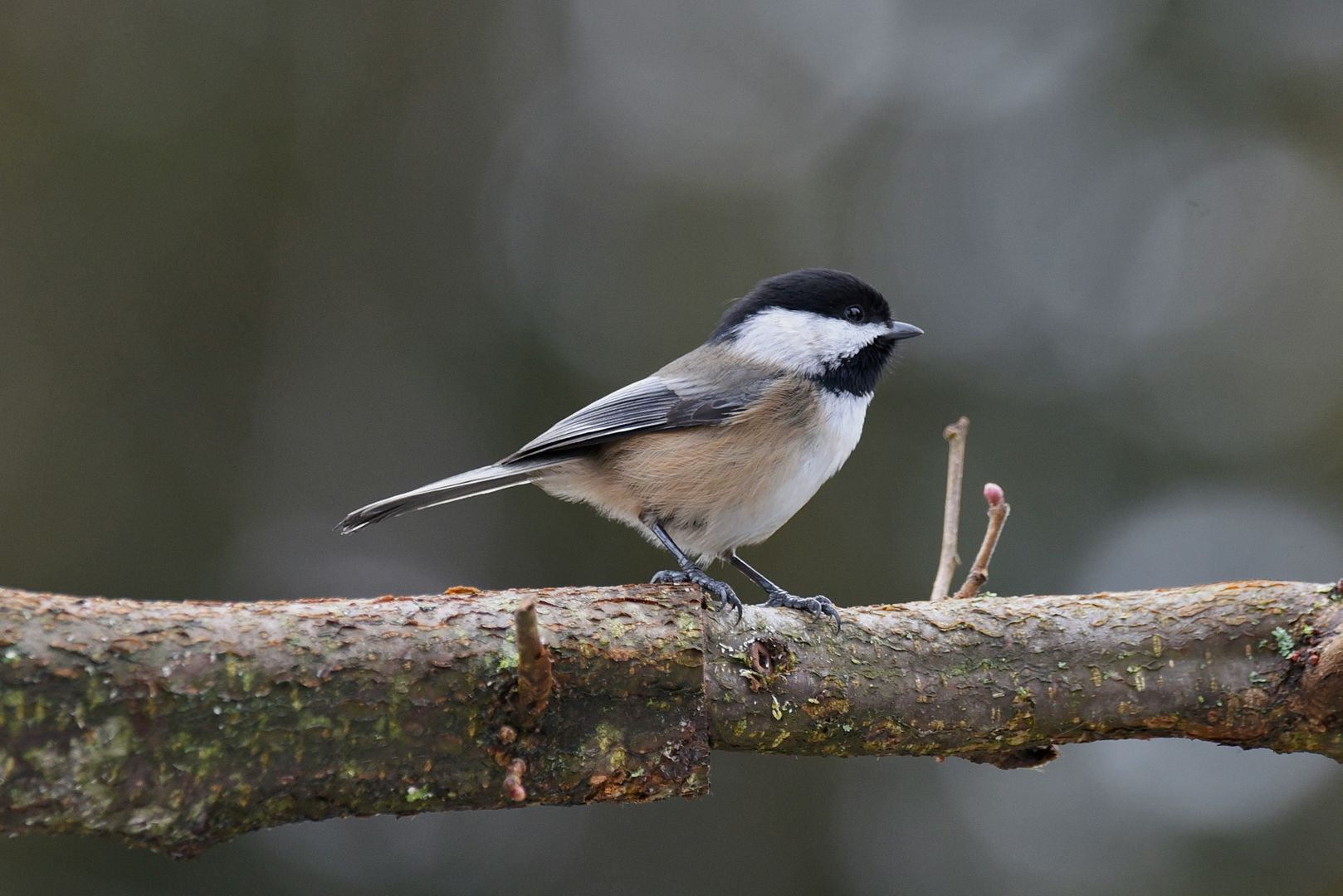
NHBirds
The statewide listserv, hosted as a Google Group, and by a distance the most active birding forum in New Hampshire: daily sightings, migration chatter and rare bird traffic. This is where a Seacoast rarity gets announced first. NH Audubon's Rare Bird Alert is posted alongside it and archived on its own site.
Project Nighthawk
NH Audubon's Common Nighthawk recovery effort, begun in Keene and Concord, where volunteers install and monitor gravel nest patches on flat roofs to replace the gravel rooftops the species lost, and run evening counts. Contact NH Audubon in Concord to take part. It's the only project here where the habitat being restored is a roof.
Sparkbird App - Community
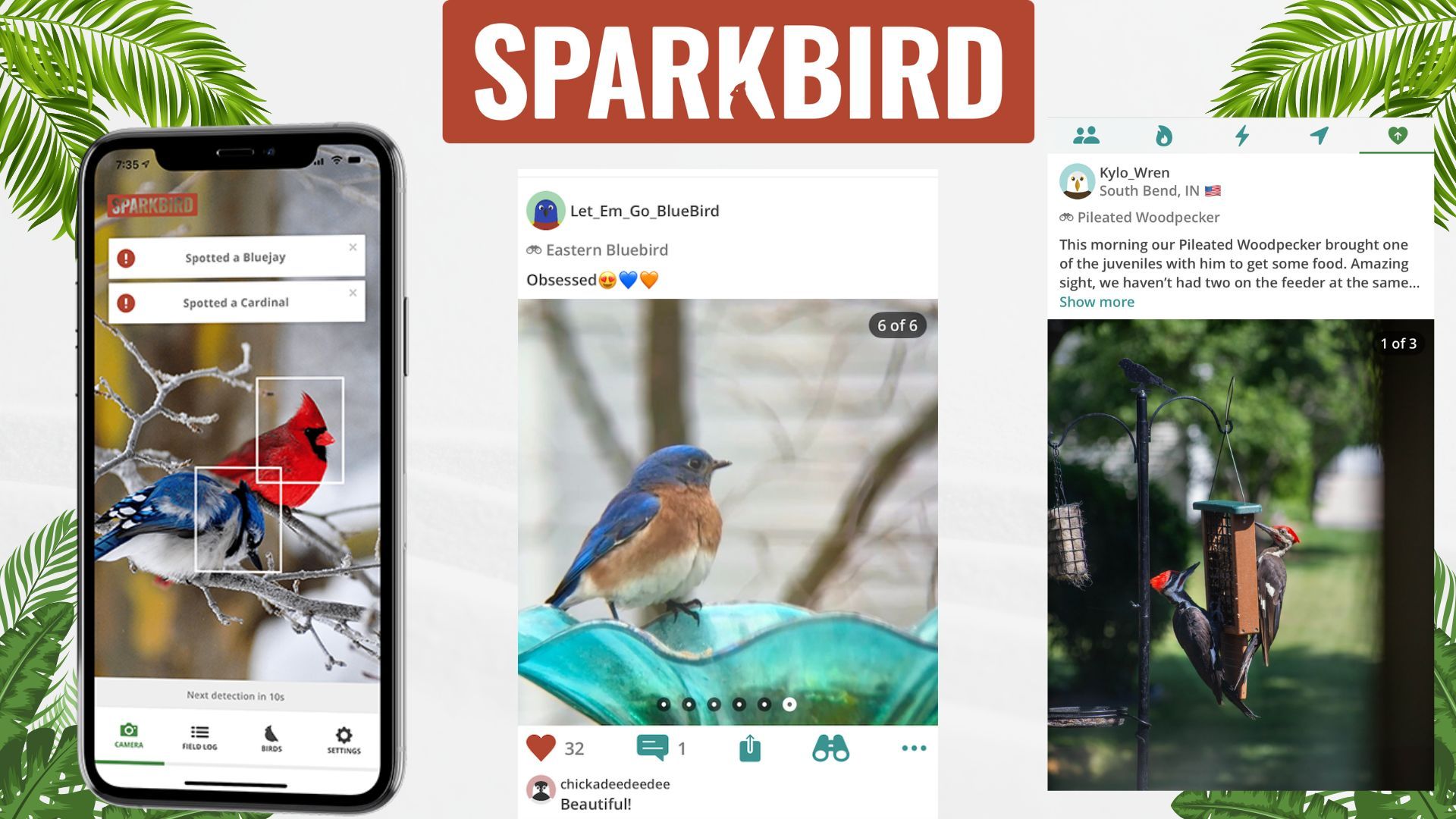
We built Sparkbird for people who want a friendly community of fellow birders. Track your life list, get help identifying birds, and meet people who also stop mid-conversation to look at a tree. It's like Instagram but for bird watchers, and without the shady algorithms.
Where to Go Birding in New Hampshire
Seven sites that reliably produce, with what each actually costs. Note the state's quirk: New Hampshire State Parks charge per person, not per vehicle, so a carload costs more here than it would one state over.
- Pack Monadnock, Miller State Park (Peterborough, Hillsborough County) — The staffed autumn hawk watch, mid-September to mid-November, averaging over 11,000 raptors a season, with a paved 1.3-mile auto road to the summit. Day use is $4 for ages 12 and up, $2 for ages 6 to 11, free under 5 and for NH residents 65 and over. Open weekends from mid-April and full time from late April, gate closed from mid-November.
- Odiorne Point State Park (Rye, Rockingham County) — The best all-round Seacoast site: rocky shore, tide pools, migrant thickets and a WWII bunker complex. $4 for ages 12 and up, $2 for ages 6 to 11, free for NH residents 65 and over. Weekends from mid-April, full time from early May, unstaffed from early November. A dune restoration project has closed some trails.
- Great Bay National Estuarine Research Reserve (Greenland, Rockingham County) — Ten thousand-plus acres of tidal estuary, with wintering waterfowl, eagles and shorebirds on the mudflats. Trails and boardwalk open year round, dawn to dusk, free. The Discovery Center exhibit room is seasonal, Tuesday to Saturday 10am to 4pm, also free.
- Pondicherry Division, Silvio O. Conte NFWR (Jefferson and Whitefield, Coos County) — 6,405 acres of bog, fen and spruce, and the most reliable boreal birding in the state: Cherry Pond and Little Cherry Pond hold the species most people drive to Canada for. Free, no permit. Access is on foot along the Presidential Recreational Trail from trailheads on Airport Road and Route 115A. The Mud Pond Trail is 0.6 miles and wheelchair accessible.
- Star Island, Isles of Shoals (Rye, Rockingham County) — Called by its own birding program the best migrant and vagrant trap in New Hampshire, with an island list of 282 species, and reachable only by boat: the Isles of Shoals Steamship Company sails from 315 Market Street, Portsmouth. Day visiting runs mid-June to mid-September, 9 a.m. to 5 p.m. The birding weekends are the serious option: a $100 program fee plus $260 to $280 room and board covering boat, parking, meals and lodging.
- Mount Washington Auto Road (Green's Grant, Coos County) — The accessible route into the alpine zone, where Bicknell's Thrush and American Pipit breed. It's also the most expensive birding in the state and the most dangerous, since the summit has a serious claim to the worst weather in the country and the road closes on it regularly. Rates are per person, most recently posted at $36 for ages 13 and up and $15 for ages 4 to 12, with the season running late-April weekends then daily to November 1. A guided Bicknell's Thrush tour leaves at 6:00 am, runs two hours, costs $79 and caps at eight. Check the road status page first.
- Umbagog Lake State Park and Umbagog NWR (Errol and Cambridge, Coos County) — Loons, boreal species and moose on a lake straddling the Maine line. The refuge is best seen by boat, and visitors are asked to stay 400 feet from nesting loons. The state park at 235 East Route 26 runs base camp May 15 to October 18 and remote sites May 22 to October 11, day use $4 for adults and $2 for ages 6 to 11, with a boat launch and canoe rentals.
If you'd rather start from your own yard while you wait for May, our guide to hummingbird plants for New Hampshire covers what actually works in a short northern season.
 How to Find Birding Hotspots Near YouLearn how to leverage eBird, local clubs, and one underrated trick: the best spot is usually closer than you think(opens in a new tab)
New Hampshire Bird Books and Field Guides
Four guides cover almost everything a New Hampshire birder needs.
Birds of New Hampshire and Vermont Field Guide
Stan Tekiela's second edition, 135 species of the two states, organized by color. See a yellow bird, turn to the yellow section. Hard to beat as a first guide, and the two-state scope suits the Connecticut River towns.

Birds of New Hampshire & Vermont Field Guide (Bird Identification Guides)
Adventure Publications
Birdwatching in New Hampshire
Eric A. Masterson's site guide to the state, from University Press of New England. Where to go and when, from the seacoast marshes to the Connecticut Lakes, with the habitat notes that explain why a spot is worth the drive. If you're heading north into Coos County for the first time, this is the book that pays for itself.

The Sibley Field Guide to Birds of Eastern North America
The second edition, 650 species and more than 4,600 illustrations from David Sibley. The most authoritative portable guide to eastern birds.

The Sibley Field Guide to Birds of Eastern North America: Second Edition (Sibley Guides)
Knopf
Peterson Field Guide to Birds of Eastern and Central North America
The seventh edition of the other standard. Peterson's little arrows pointing at field marks remain one of birding's best teaching devices.
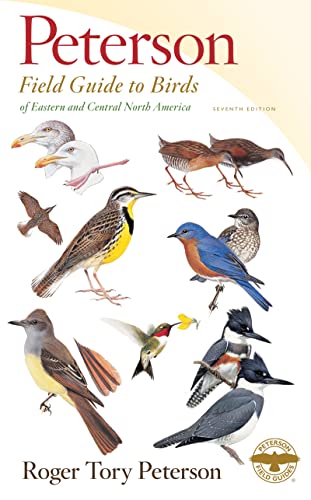
Peterson Field Guide To Birds Of Eastern & Central North America, Seventh Ed.: The Classic Birdwatching Guide with Updated Range Maps
Mariner
New Hampshire Bird Rescue and Rehabilitation
Always call first. Intake capacity changes daily, several New Hampshire rehabilitators take songbirds but not large raptors, and some are periodically closed to new admissions.
1) NH Fish and Game Licensed Wildlife Rehabilitators
The official state page, and the place to start. Note its own warning that some listed rehabilitators aren't actively taking in new animals. The NH Veterinary Center for Wildlife has the clearest guidance on containing an injured bird safely while you make calls.
2) NH Audubon Ask the Naturalist
NH Audubon keeps the rehabilitator list at its Concord office and staff will help you find the nearest one on (603) 224-9909. The page also explains, briefly and clearly, when a baby bird on the ground needs help and when it doesn't.
3) Wings of the Dawn Wildlife Rescue and Rehab - Henniker / Merrimack County
All birds and small mammals, run by Maria Colby. Call (603) 428-3723 rather than emailing. One of the three rehabilitators NH Audubon itself refers callers to.
4) Elaine Conners Wildcare - Madison / Carroll County
Songbirds, ducks, geese and small mammals, on (603) 367-9453, 9am to 6pm in summer and 9am to 5pm in winter. Explicitly doesn't take large raptors, turtles or rabies vector species. The best option for the Mount Washington Valley.
5) Center for Wildlife - Cape Neddick, Maine
Over the border, but it serves a 100-mile radius covering the whole New Hampshire Seacoast and takes all wild birds including raptors. Intake is 9am to 5pm daily on (207) 361-1400. They don't collect animals, so you bring the bird in.
6) VINS Center for Wild Bird Rehabilitation - Quechee, Vermont
Also over a border, also the right call for the Upper Valley. VINS treats over 1,000 birds a year including raptors and serves both states, on (802) 359-5000 x212. Species acceptance is currently restricted for avian influenza biosecurity, so calling ahead isn't optional.
Frequently Asked Questions
Are there bird watching groups in New Hampshire for beginners?
Yes. The Seacoast Chapter runs beginner-friendly walks at Pickering Ponds and Piscassic Greenway, and the Harris Center puts on more than 100 free public programs a year. NH Audubon's McLane and Massabesic centers rent binoculars for $5.
Where can you see loons in New Hampshire?
Almost any large lake in the Lakes Region or the North Country.
When does hawk migration peak at Pack Monadnock?
The count runs mid-September through mid-November, and mid-September is when the Broad-winged Hawk flight comes through in numbers. The site averages more than 11,000 raptors a season, and its best year, 2014, topped 19,000. You reach it through Miller State Park in Peterborough, $4 per adult.
Where can you find boreal birds in New Hampshire without driving to Canada?
The Pondicherry Division of the Silvio O. Conte National Fish and Wildlife Refuge, in Jefferson and Whitefield. Cherry Pond and Little Cherry Pond are the most reliable spruce-bog birding in the state, and access is free and on foot from Airport Road. Northern Coos County is the other option.
Got a New Hampshire birding group to recommend?
Southern New Hampshire has had no local bird club since Nashaway folded. If you've been vaguely thinking about fixing that, starting one is less work than it sounds.
Tell us about your group in the comments or on the Sparkbird App, available in the Apple App Store.
- Related: How to Use the Sparkbird App

No comments yet.