
Rhode Island has exactly one bird club. One, statewide, and it's very good, which is a sentence that only makes sense in a state where residents describe a drive to Westerly as "going away for the weekend."
The club costs $18 a year for a whole household, and most of the best places to stand are free. What Rhode Island lacks in club count it makes up for in coastline.
Why Join a Bird Watching Group at All
Solo birding has real advantages. But a group gives you a social outlet and someone who already knows which spot is producing this week. Rhode Island's birding is concentrated into a handful of headlands, salt ponds, and one island. The difference between a good morning and a wasted one is often a single phone call about wind direction.
Groups are also the front door to community science like the Christmas Bird Count.
FYI before you buy
One practical opinion before you spend money. A decent pair of birding binoculars runs from around $150 to well past $500, and you have no business buying one before you've looked through a few.
Go on a few free walks first. Ocean State Bird Club walks are open to anyone, and somebody will always let you try theirs. Partly out of kindness, partly because birders enjoy being told their binoculars are nice.
Statewide Bird Watching Groups in Rhode Island
Ocean State Bird Club (OSBC) - Statewide and Southeastern Massachusetts
The state's bird club, founded in December 2013 and incorporated the following June. Bird walks, talks, online presentations, and an annual big day competition called the RI Cup. Its about page says plainly that anyone is welcome to join and attend club sponsored events, so you don't need to be a member to show up.
Household membership is $18 a year and covers everyone under one roof, with a $200 lifetime option. Its mapped birding locations guide, split by region, is the best free site guide to the state that exists.
Audubon Society of Rhode Island (ASRI) - Statewide, headquartered in Smithfield
Read this part carefully, because it trips people up. ASRI was founded in 1897 and is not affiliated with the National Audubon Society. Not a state office, not a chapter. Its own history page records that when the national organization formed, ASRI and the other New England Audubon societies chose to stay independent.
Today it protects close to 10,000 acres across Rhode Island and nearby Massachusetts, and keeps a network of refuges whose trails are free and open sunrise to sunset. It also runs the Nature Center and Aquarium in Bristol. Programs and walks are listed on the Audubon calendar; membership is optional for trail access.
Rhode Island Avian Records Committee (RIARC) - Statewide
The body that reviews documentation of rare birds in Rhode Island and its ocean waters. It began formal record evaluation in 2008 and publishes periodic reports; the sixth appeared in 2025.
No field trips. But if you find something genuinely unusual, this is where the report goes, by email to the committee secretary. The site keeps species accounts and yearly summaries.
Christmas Bird Count - Statewide, mid-December to early January
Free, organized locally, and the easiest way to meet a dozen Rhode Island birders in one morning. No experience required. Dress for standing still in a coastal wind for four hours, which is colder than the forecast admits. Count circles cover the coast and Block Island.
Bird Watching Groups in Providence and the Blackstone Valley
There's no local bird club in Providence. None in Woonsocket or Pawtucket either. What the northern half of the state has instead is Audubon land with a staffed headquarters attached, and that's where the organized walks happen.
Powder Mill Ledges Wildlife Refuge - Smithfield / Providence County
ASRI's headquarters and the hub for much of its programming, at 12 Sanderson Road. One hundred acres, 2.5 miles of trail, woodland, meadow, and a small pond. Trails sunrise to sunset daily; office Monday to Friday, 9:30 am to 4:30 pm. Barred, Great Horned, and Eastern Screech Owl are all on the refuge's own list. Free.
Caratunk Wildlife Refuge - Seekonk, Massachusetts, on the East Providence line
Over the state line, but run by Rhode Island Audubon and functionally a Providence-area refuge. Nearly 200 acres, 3.5 miles of marked trail through fields, forest, streams, and ponds. Open 7:00 am to 8:00 pm daily; the parking gate closes outside those hours. Eastern Bluebird, Purple Martin, American Woodcock, Scarlet Tanager. Free.
Bird Watching Groups in the East Bay
Audubon Nature Center and Aquarium - Bristol
The most beginner-friendly starting point in the state, at 1401 Hope Street on the Claire D. McIntosh Wildlife Refuge. 28 acres, a natural history museum, and a quarter-mile boardwalk through fresh and saltwater marsh. Guided programs and birding classes run year round.
Admission is $10 adults, $7 for seniors, students, military, and children 4 to 12, free for members and under-3s, and $3 for up to four people on SNAP, EBT, or WIC. Trails sunrise to sunset; building hours mid-April to mid-October are 9:30 am to 4:30 pm daily.
It sits on RIPTA Route 60, one of the few birding destinations here you can reach without a car.
Touisset Marsh Wildlife Refuge - Warren / Bristol County
Sixty-six acres on the Kickemuit River at 99 Touisset Road, a mile of easy trail through hardwood forest, field, and salt marsh. Eastern Bluebird, American Woodcock, Great Egret, Osprey, Indigo Bunting. Seasonally wet, no restrooms, no dogs. Sunrise to sunset, free.
Emilie Ruecker Wildlife Refuge - Tiverton / Newport County
Fifty acres at 116 Seapowet Avenue, 1.6 miles of easy trail through deciduous woods, red maple swamp, and salt marsh over the Sakonnet River. Egrets and Osprey in the warm months, Bufflehead and loons offshore in winter. Sunrise to sunset, free, no dogs.
Bird Watching Groups on Aquidneck Island and in Newport
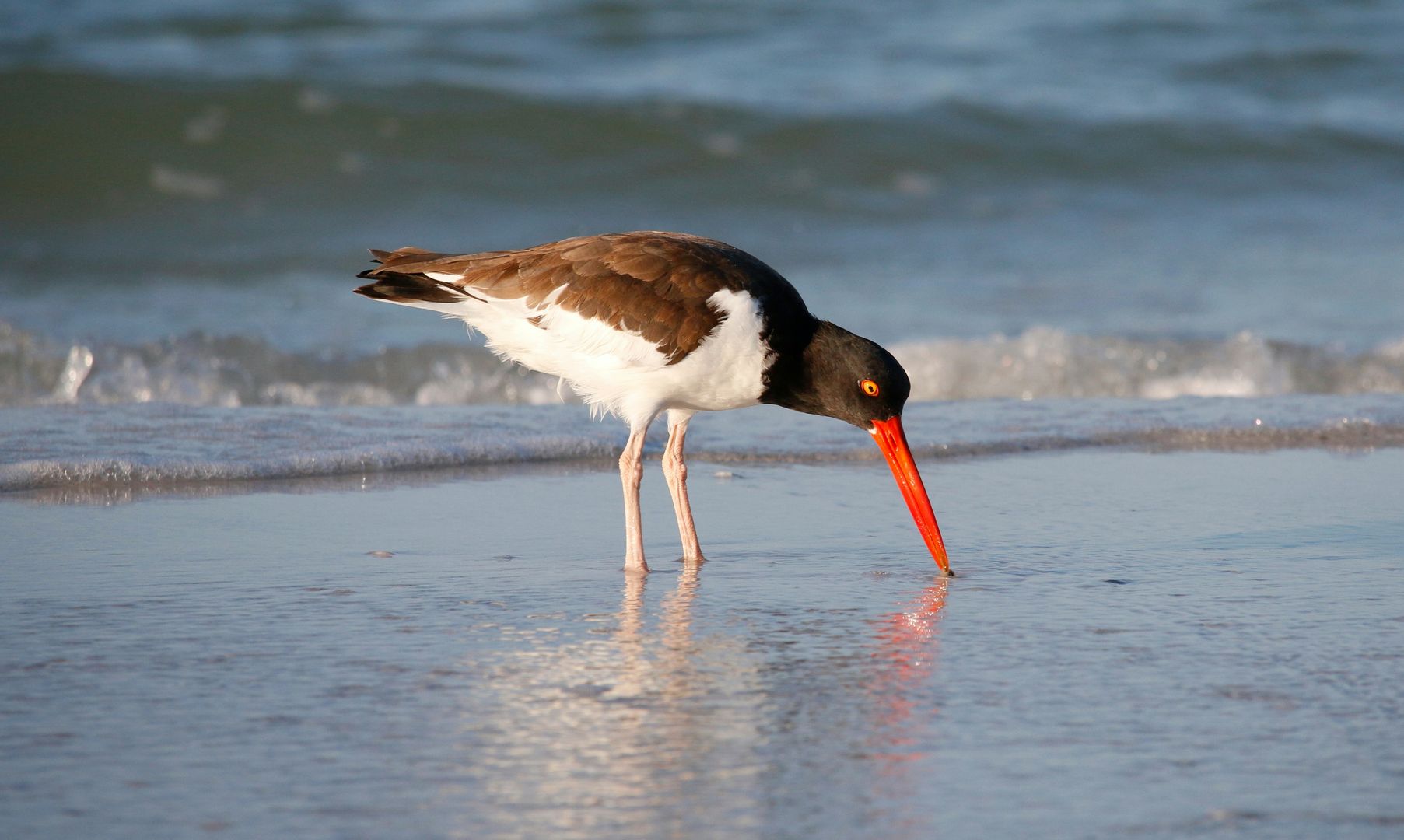
Ocean State Bird Club keeps separate mapped birding location lists for Aquidneck Island and Jamestown. A good share of its walk schedule lands this side of the bay, because Sachuest Point in winter is the best two hours of birding the state offers. Its walks are open to non-members.
Norman Bird Sanctuary - Middletown / Newport County
An independent nonprofit sanctuary and education center on 300 acres in Paradise Valley, four miles from downtown Newport. It's the closest thing Newport County has to a walk-leading club.
It runs more than 100 events a year, bird walks included, and is separate from both Audubon societies. Paid trail pass, daily 9:00 am to 5:00 pm; fees and rules are listed further down.
Bird Watching Groups in South County and the Western Half of the State
Friends of the National Wildlife Refuges of Rhode Island - Charlestown / Washington County
It's the volunteer support organization for all five Rhode Island refuges: Trustom Pond, Ninigret, John H. Chafee, Sachuest Point, and Block Island. Its best-known public offering is the Wildlife Wednesdays summer lecture series at the Kettle Pond Visitor Center, 50 Bend Road in Charlestown, Wednesdays at 7:00 pm, free and all ages.
One caveat, because it matters. The schedule page was last updated for the 2024 season, so call before driving out for a specific talk.
Kettle Pond Visitor Center at Ninigret - Charlestown / Washington County
The US Fish and Wildlife Service headquarters for the whole Rhode Island refuge complex, with exhibits and staff who know what's been on the pond this week. Summer hours 10:00 am to 4:00 pm daily. Sandy Point Island passes are required Memorial Day through Labor Day, booked through RecAccess.
George B. Parker Woodland Wildlife Refuge - Coventry and Foster / Kent and Providence Counties
The inland option and the largest ASRI refuge. 860 acres, 7 miles of moderate to challenging trail off Maple Valley Road. Worm-eating Warbler, Northern Waterthrush, Pileated Woodpecker, Barred Owl, Wood Duck, plus Revolutionary-war carriage roads and a field of rock cairns nobody has explained. Sunrise to sunset, free, no dogs.
Other Ornithology and Research Groups in Rhode Island
Block Island Banding Station - Clay Head, Block Island
One of the longest continuously running banding stations in the country, started by Elise Lapham in 1967 and still going under naturalist Kim Gaffett of The Nature Conservancy's Block Island office. A 2025 University of Rhode Island analysis of 66,288 birds banded there between 1970 and 2021 found most of the species that crashed in the 1970s and 1980s have since stabilized or recovered.
The 190-acre Clay Head Preserve is open in daylight hours at no charge, parking off Corn Neck Road three miles north of Old Harbor.
The Second Atlas of Breeding Birds in Rhode Island - Statewide
A 480-page account of every breeding species in the state, built by RI DEM's Division of Fish and Wildlife with the University of Rhode Island from fieldwork between 2015 and 2019: over 200 volunteers, 3,705 point counts, 173 species. Print only, sold by DEM in Providence and at Fish and Wildlife headquarters in West Kingston.
Rhode Island Natural History Survey - Statewide, based in Kingston
Not a bird club. But it's the organization that keeps track of what lives here. Its annual RI BioBlitz drew 295 volunteer scientists in 2026 and recorded 1,095 species at a single site. Members receive the Rhode Island Naturalist bulletin. If you want to be useful with binoculars for 24 hours, this is the event.
Sparkbird App - Community
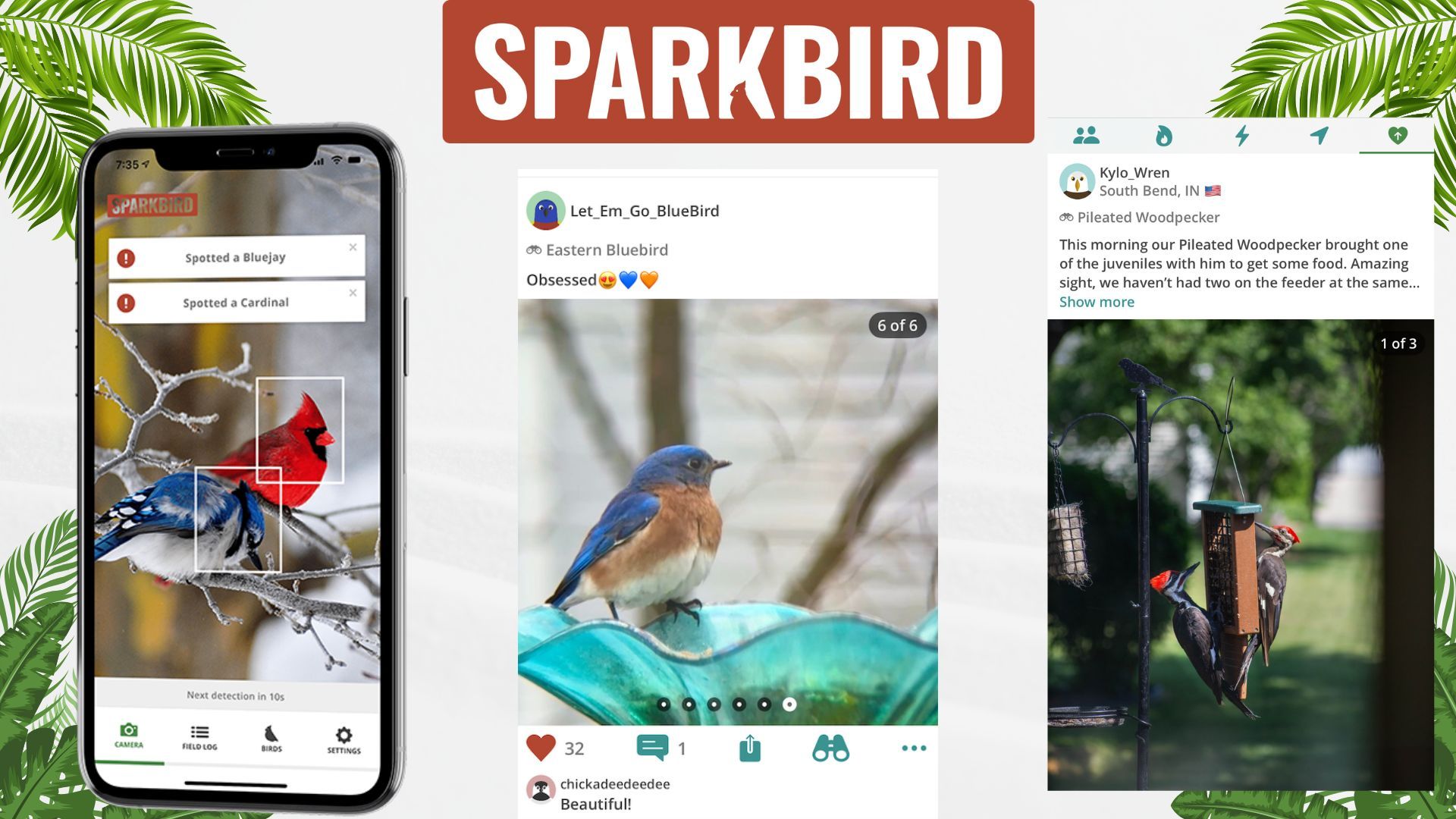
We built Sparkbird for people who want a friendly community of fellow birders. Track your life list, get help with identification, and meet people who also stop mid-sentence to look at a shrub. Like Instagram, but for bird watchers, and without the shady algorithms.
Where to Go Birding in Rhode Island
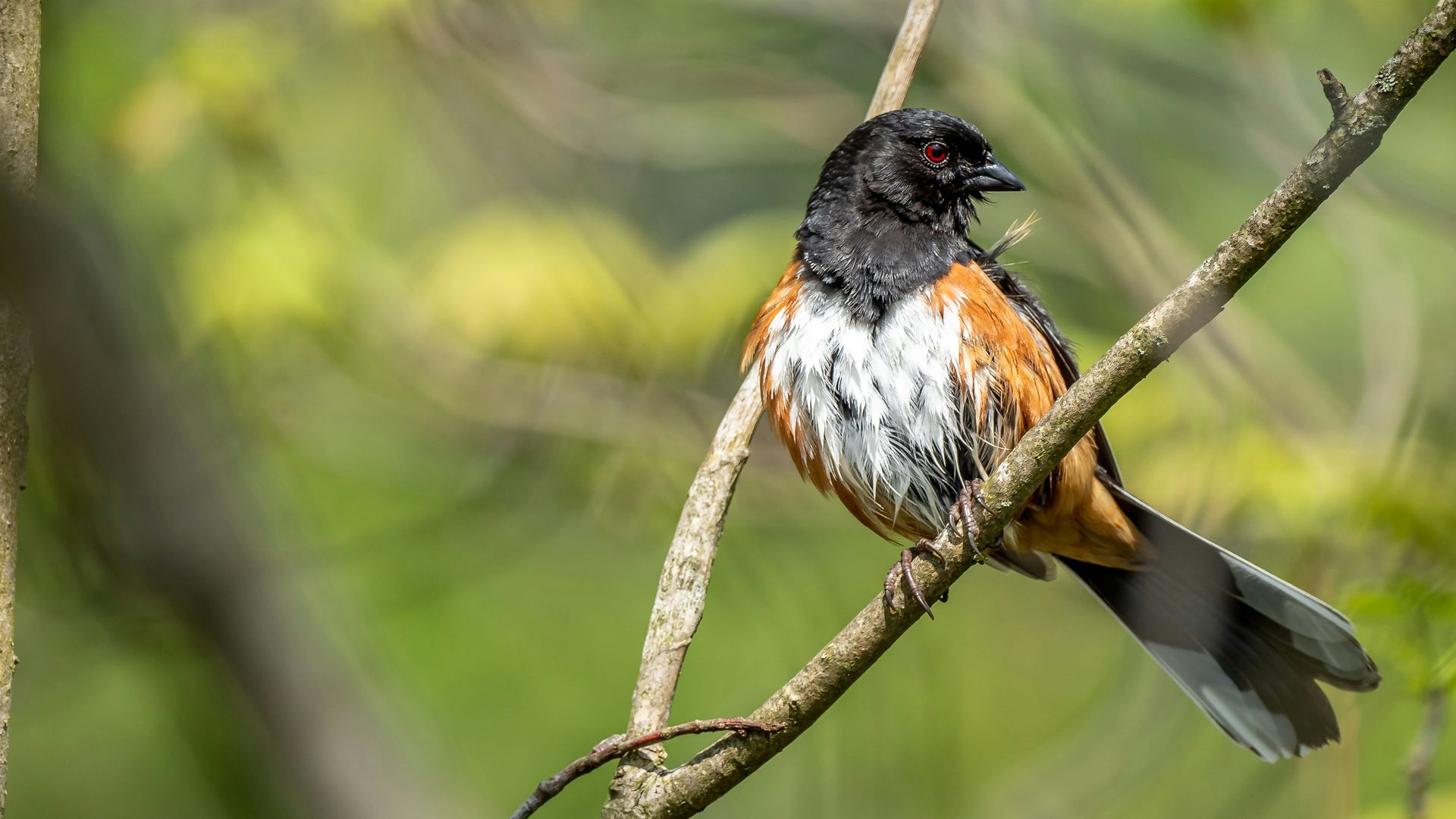
Seven places, which in a state 48 miles long is most of a weekend. Every access term below was checked against the managing agency.
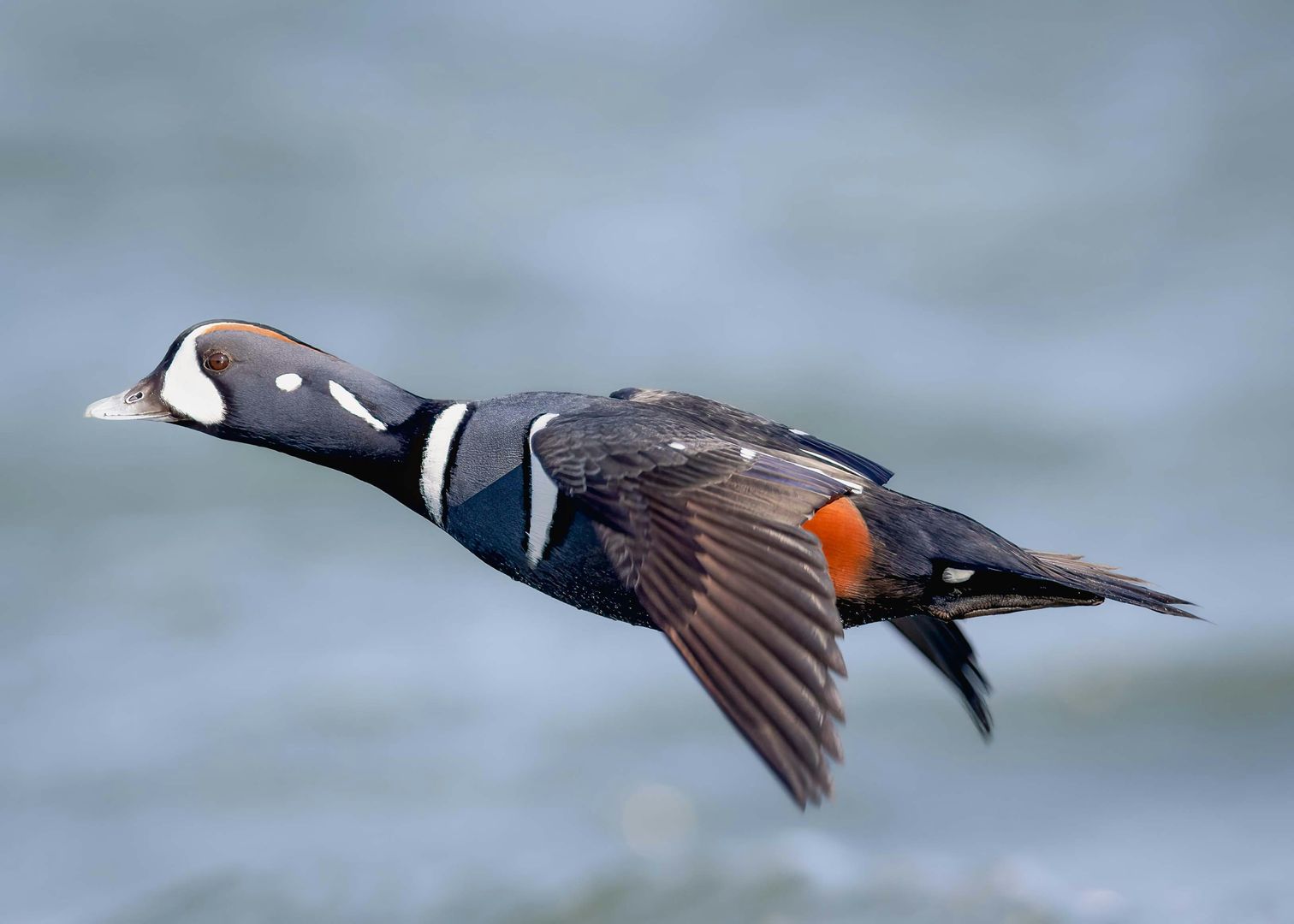
- Sachuest Point National Wildlife Refuge (Middletown, Newport County) — The headline. Wintering Harlequin Ducks gather along the rocky eastern shore in one of the largest concentrations on the East Coast, topping 100 some years out of an eastern population of roughly 1,800. Late October through March. Best from the observation platform and the rocks off the Ocean View Loop. 3 trails — Flint Point Loop at 1.1 miles and universally accessible, Ocean View Loop at 1.5 miles, and the short steep Price Neck Overlook. No entrance fee. Trails sunrise to sunset, visitor center 10:00 am to 3:00 pm daily. No pets, no bikes, limited parking on good days. The access road floods and closes in heavy surf, so check before you drive.
- Trustom Pond National Wildlife Refuge (South Kingstown, Washington County) — 787 acres of field, shrubland, woodland, salt and fresh pond, beach and dune at 1040 Matunuck Schoolhouse Road. 3 observation platforms — Otter Point and Farm Pond fully accessible, Osprey Point up a short flight of stairs. Trails and platforms open sunrise to sunset whether or not the volunteer-staffed contact station is open. No entrance fee, no dogs, no bikes, and stay on the trails.
- Block Island (New Shoreham, Washington County) — Twelve miles offshore and internationally recognized as one of the most important migratory bird habitats on the East Coast, with over 70 species of migratory songbird using it in autumn. Young birds overshoot the mainland on northwest winds and drop into the island's fruiting shrubs by the thousand. The 134-acre refuge sits at the north end around Sandy Point, Cow Cove, and the North Light. Sunrise to sunset year round, no fee, no pets, about four miles from the ferry landing. Getting there's the access term. Block Island Ferry runs from Point Judith in Narragansett, traditional and high-speed, plus a high-speed service from Newport; Block Island Express runs a seasonal high-speed boat from New London, Connecticut. Vehicle reservations must be booked in advance by phone. Book the boat and a bed together, because the island has a fixed number of both; the Block Island Tourism Council lists lodging.
- Napatree Point Conservation Area (Westerly, Washington County) — A sand spit at the southwestern corner of the state, managed by the Watch Hill Conservancy, open 24 hours a day with no entrance fee. There's no parking lot. You park in Watch Hill village, which fills early in summer, and walk in. Areas marked by the US Fish and Wildlife Service for nesting birds are closed to people and dogs, and those closures aren't optional. Dogs are otherwise barred 8:00 am to 6:00 pm from May 2 to Labor Day, leashed and registered the rest of the year. No restrooms, no bikes, no drones.
- Beavertail State Park (Jamestown, Newport County) — The state's seawatch, on the southern tip of Conanicut Island, with four overlooks onto open water and rocky shore. Best in a hard onshore blow in late autumn. The 1856 lighthouse museum, at the third-oldest light station in North America, and the small aquarium are both seasonal. Beavertail isn't one of the eight state beaches that sell seasonal parking passes, so that fee schedule doesn't apply here; carry in, carry out.
- Great Swamp Management Area (South Kingstown, Washington County) — The big inland freshwater wetland, and home to RI DEM's Great Swamp Field Headquarters in West Kingston. It's a state wildlife management area rather than a park. Free and open, but actively hunted in season. Check the DEM hunting calendar and management-area map before you go, wear blaze orange in autumn, and consider a Sunday.
- Norman Bird Sanctuary (Middletown, Newport County) — Three hundred acres and six miles of trail over Hanging Rock and down toward Third Beach, a different set of habitats from the refuges on either side of it. Trail passes are $7 adults, $6 seniors and military, $3 students and children 3 to 18, free for members. Daily 9:00 am to 5:00 pm, check in at the Welcome Center first. No dogs except service animals.
If you'd rather start from your own yard while you wait for the wind to turn, our guide to hummingbird plants for Rhode Island covers what actually works in a coastal growing season.
Rhode Island Bird Books and Field Guides
Four books, in the order you'll probably want them.
Birds of Rhode Island: Seasonal Distribution and Ecological History
By Richard L. Ferren and Richard R. Veit, published in 2024 as volume 27 of the Memoirs of the Nuttall Ornithological Club. The serious state reference: status, seasonal distribution, ecological history. Not something you carry, but it answers "is that normal for here in March."

Birds of Rhode Island: Seasonal Distribution and Ecological History (Memoirs of the Nuttall Ornithological Club, 27)
Comstock Publishing Associates
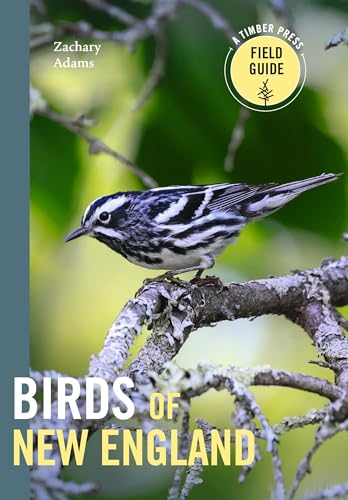
Birds of New England: A Timber Press Field Guide
A 2025 guide sized for the region Rhode Island actually sits in, which matters more than it sounds; a guide to all of eastern North America hands you hundreds of species you'll never see from a Rhode Island beach.
The Sibley Field Guide to Birds of Eastern North America
The second edition, still the most authoritative portable guide to eastern birds. If you only ever own one, own this.

The Sibley Field Guide to Birds of Eastern North America: Second Edition (Sibley Guides)
Knopf
Peterson Field Guide to Birds of Eastern and Central North America
The seventh edition of the other standard. Peterson's little arrows pointing at field marks are still one of the best teaching devices in birding.
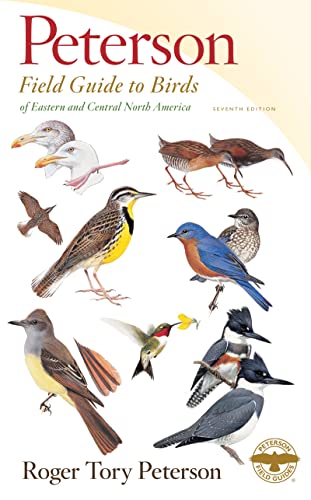
Peterson Field Guide To Birds Of Eastern & Central North America, Seventh Ed.: The Classic Birdwatching Guide with Updated Range Maps
Mariner
Rhode Island Bird Rescue and Rehabilitation
Always call RI DEM first. Either 401-222-3070 or the Wildlife Clinic of Rhode Island at 401-294-6363 before taking any action, because not every case needs intervention, and well-meant handling can make things worse.
It's also unlawful to take a wild animal home and care for it unless you hold a rehabilitator's license.
DEM Wildlife Rehabilitator Directory
The official 2026 list of licensed rehabilitators, by town and species accepted. Start here. It's a short list, because Rhode Island is a short state.
Wildlife Clinic of Rhode Island - Saunderstown / Washington County
The state's general wildlife clinic, at 2865 Tower Hill Road, taking all species of injured or orphaned wildlife including small birds, waterfowl, gamebirds, and raptors. Phone 401-294-6363. Open daily 8:00 am to 8:00 pm from May 1 to August 31 and 9:00 am to 5:00 pm the rest of the year.
Have the species, exact location found, what happened and when, whether the bird is contained, and a callback number ready. Their directions page warns that GPS sends people to the wrong road, so read it before you set off with a box on the passenger seat.
Congress of the Birds - Providence and Chepachet / Providence County
A state-licensed, federally permitted bird specialist treating over 1,000 avian patients a year, with a 24-hour triage clinic in Providence and a 42-acre rehabilitation and release center in Chepachet. Call or text 401-358-1808 and they'll triage over the phone, then either direct you to a drop-off site or send a transport volunteer.
Licensed rehabilitators by town
The 2026 DEM directory also lists individual rehabilitators taking birds: Charlene Gallo in West Warwick, 401-954-9507, text preferred, taking small birds, waterfowl, gamebirds, and raptors; and Jennifer Knerr in Richmond, 401-207-5074, small birds. Call or text before turning up.
Frequently Asked Questions
Where can you see Harlequin Ducks in Rhode Island?
Sachuest Point in Middletown, one of the most reliable spots on the East Coast for them. The birds work the surf along the rocky eastern shore from late October into March, sometimes topping 100 individuals. Scan from the observation platform or the rocks along the Ocean View Loop.
When is the best time to visit Block Island for birding?
Autumn. Specifically the mornings after a northwest wind in September and October, when young songbirds pushed toward the coast pile into the island's shrubs. Book the ferry and your lodging together, and well ahead. Both are finite, and there's no bridge.
Is Rhode Island worth a birding trip?
Yes, and the small size is the argument rather than the objection. You can be at Sachuest Point at dawn, Trustom Pond by mid-morning, and Napatree Point in the afternoon without ever driving more than an hour. Winter's the strongest season.
Do you need a pass or a fee for Rhode Island birding spots?
It depends who owns the ground. The national wildlife refuges charge no entrance fee, and Audubon Society of Rhode Island refuge trails are free. The Bristol Nature Center and Aquarium charges admission, though, and Norman Bird Sanctuary sells a trail pass.
Got a Rhode Island birding group to recommend?
If you're the person quietly leading walks somewhere in Kent County and we've missed you, tell us. And if there's genuinely no group where you live, starting one in a state this size is less daunting than it sounds. Everyone you'd want to invite is already within 40 minutes.
Leave a note in the comments or find us on the Sparkbird App in the Apple App Store.
Our goal is to build a birding community that connects people to nature and to each other. One club for a whole state sounds thin until you realise it means everybody knows everybody. Which is either the best or the worst thing about Rhode Island, depending on the day.
- Related: How to Use the Sparkbird App

No comments yet.