
Birds are the only travelers I know who leave for fall vacation in July. So if you're wondering when do birds migrate, the honest answer is that some of them already have, and they didn't send a postcard.
Below is the month-by-month version, so you know what's flying over your house and when to grab the binoculars. For the big picture, start with our complete guide to fall bird migration.
When Do Birds Migrate in the Fall? The Big Picture
Fall migration is less a single event and more a very long relay race. Different groups of birds leave at different times, so the season stretches across roughly five months.
According to BirdCast's peak migration data, fall migration in the US happens mostly from mid-August to mid-November, with the busiest stretch from mid-September through mid-October. That peak window is no joke. A Cornell Lab radar study found about 4 billion birds fly south over the US each fall, and more than a billion can be in the air on a single night.
Timing also depends on where you live. The month-by-month notes below come largely from the Black Swamp Bird Observatory's fall migration timeline in northwest Ohio, so shift things a little earlier if you're farther north and a little later if you're down south.
When Does Fall Migration Start?
Fall migration starts in summer, which is the Die Hard-is-a-Christmas-movie debate of the bird world: technically correct.
Shorebirds kick things off. Adult sandpipers and plovers that finished nesting in the Arctic start heading south as early as late June, and by early July they're showing up in good numbers on mudflats and lakeshores. They leave the kids behind to figure it out, and the juveniles follow a few weeks later.
Month-by-Month Fall Migration Timeline
July: The Shorebirds Clock Out Early
July belongs to shorebirds. Adults move first, juveniles start trickling in by late in the month, and swallows begin gathering in big pre-migration groups near water. If you have a local reservoir, sewage pond, or muddy shoreline, this is its moment.
August: Warblers Start Sneaking Through
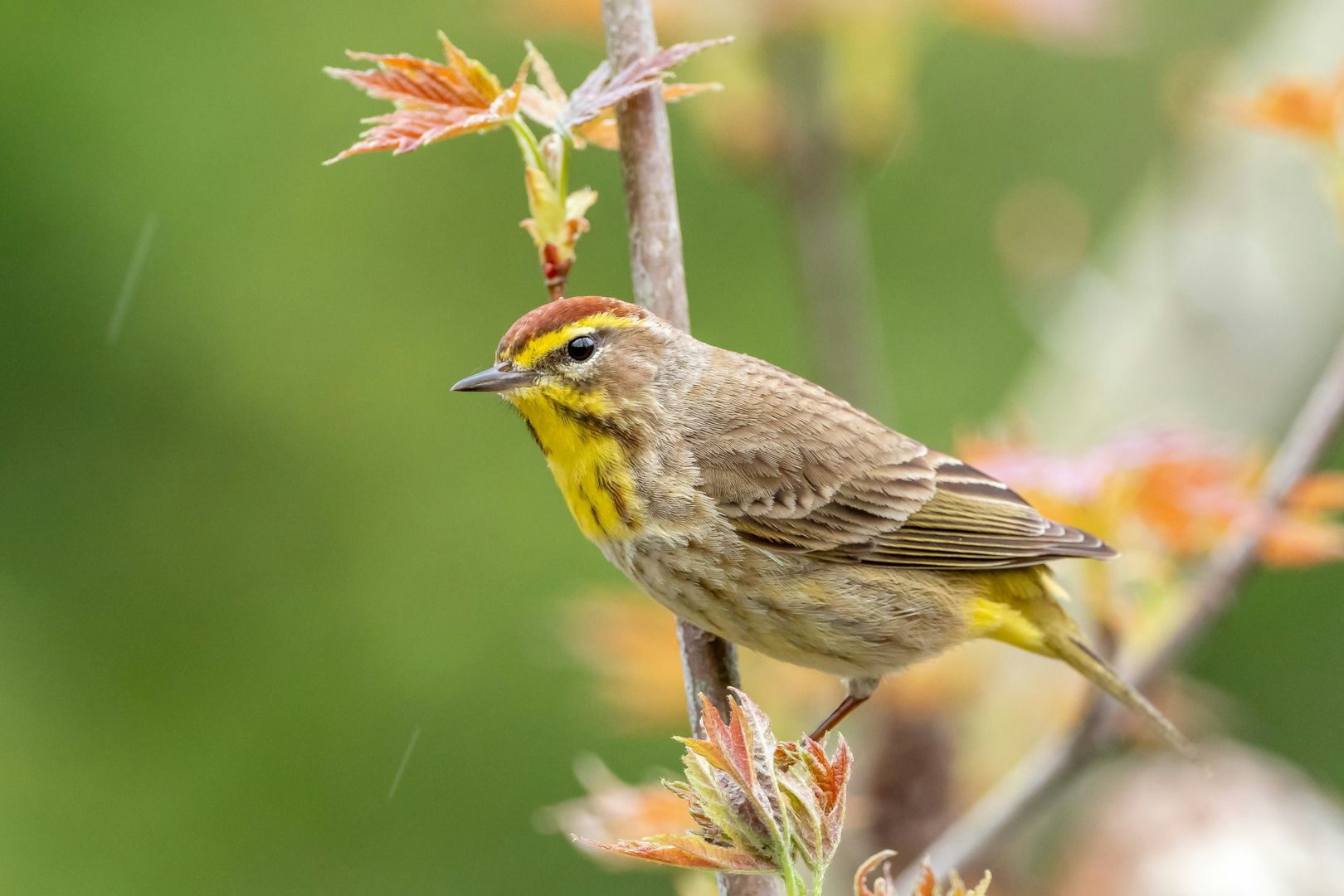
Shorebird migration hits full swing in August, now with lots of juveniles. The first migrant warblers from farther north usually appear in the first week of the month, along with thrushes and vireos.
Late in August, watch the evening sky for Common Nighthawks moving through in loose flocks.
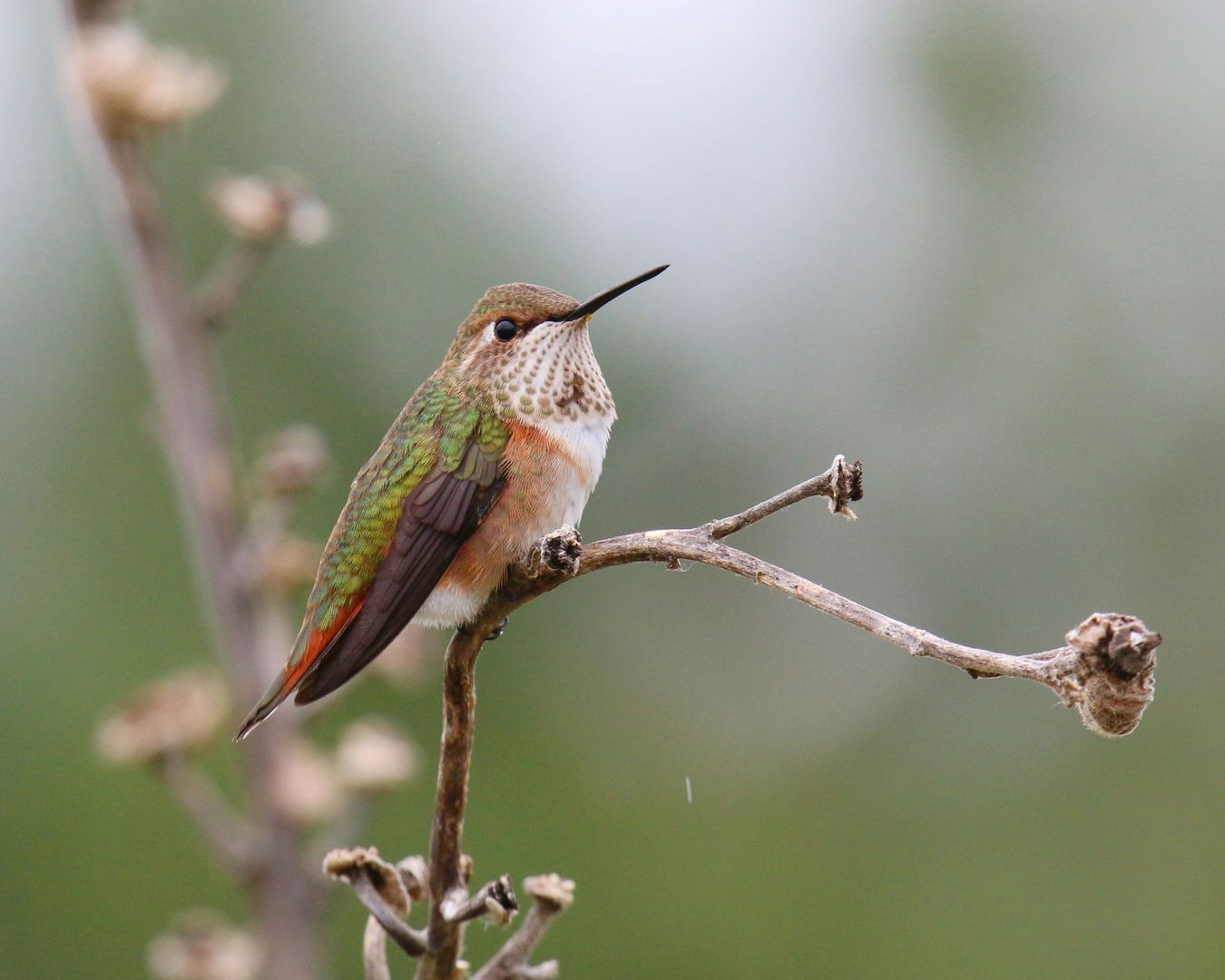
Hummingbirds run on a schedule all their own. Our post on hummingbird migration covers when to expect them and when to take your feeder down.
September: The Main Event
If you only go out one month, make it September.
It's the best month for variety, and warblers are most numerous during the first three weeks. Flycatchers, thrushes, vireos, and sparrows are all on the move, and teal start showing up on ponds in large numbers.
September is also hawk season. Broad-winged Hawks pour south in big kettles, a.k.a. swirling group of hawks, usually over a short window in mid-September.
October: Sparrows and Short-Distance Travelers
Warbler numbers drop in October except for the Yellow-rumped Warbler. It shows up everywhere like the friend who's always at the party.
Sparrow migration picks up, waterfowl movement builds, and many short-distance migrants peak this month. The mid-September to mid-October peak also wraps up now, so the nightly flights start to thin out.
November: Ducks and Geese Take Over
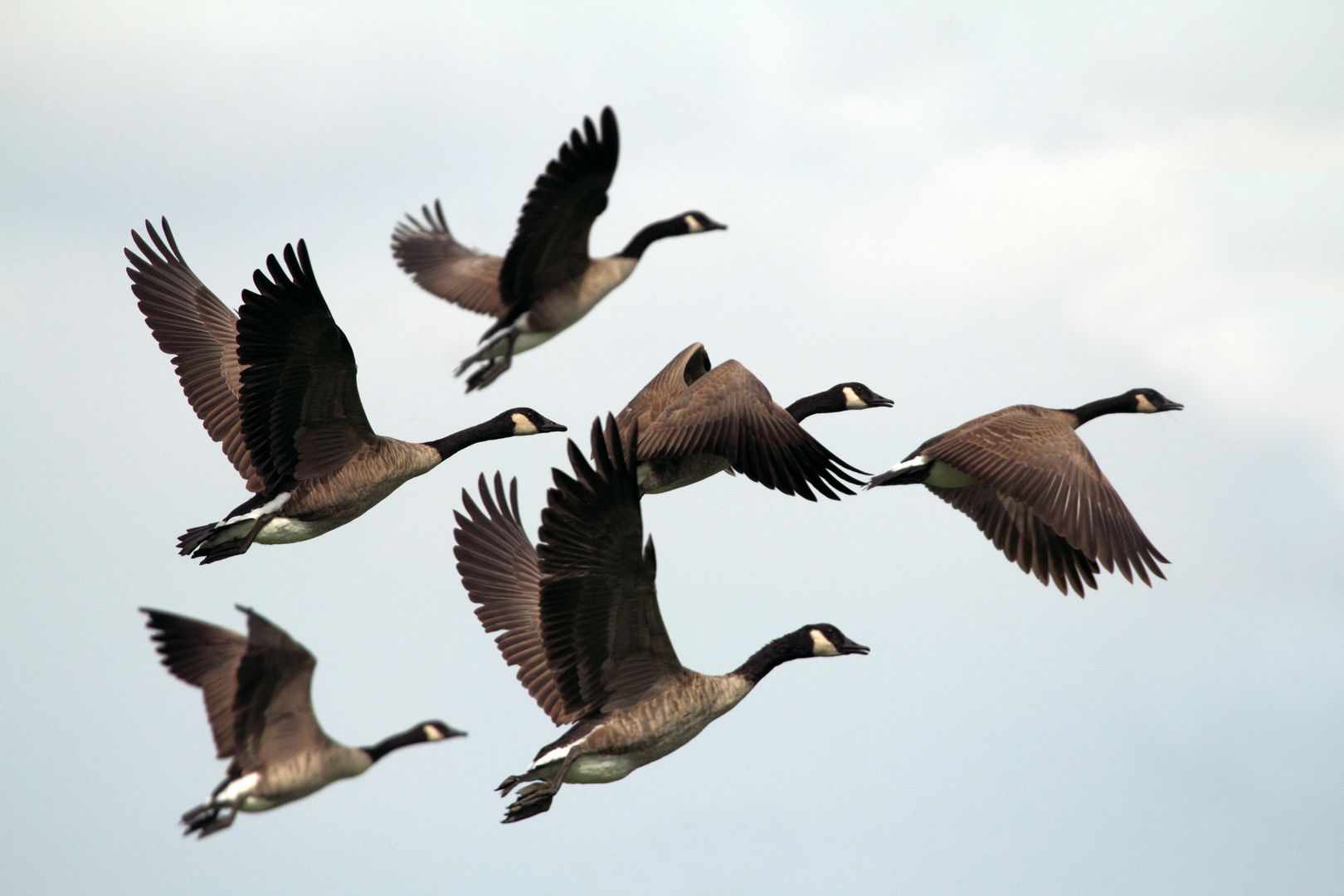
November is waterfowl month.
Many ducks and geese hit their peak numbers, so lakes, rivers, and reservoirs are where the action is.
Winter visitors like the American Tree Sparrow start arriving from up north, which is a nice consolation prize for losing the warblers.
December: Stragglers Only
By the first of December, almost every species is past its migration peak.
You'll still spot a few late movers, but most birds are either settled on their wintering grounds or hunkered down at your feeder for the long haul.
When Do Birds Fly South?
Birds don't check a calendar, but they don't exactly wing it either. Shrinking daylight, dropping temperatures, and less food all signal that it's time to go. The full explanation on [why birds migrate](PENDING — cluster post not yet published) digs into it.
Once birds are ready, the weather decides the exact night. The biggest flights tend to follow cold fronts with north winds, according to eBird's fall birding basics.
So when do birds migrate south in the biggest numbers?
Usually the night after a cold front blows through. A good tailwind is basically a free upgrade to first class, and birds don't turn down free upgrades. (Neither do I.)
Most Birds Migrate at Night
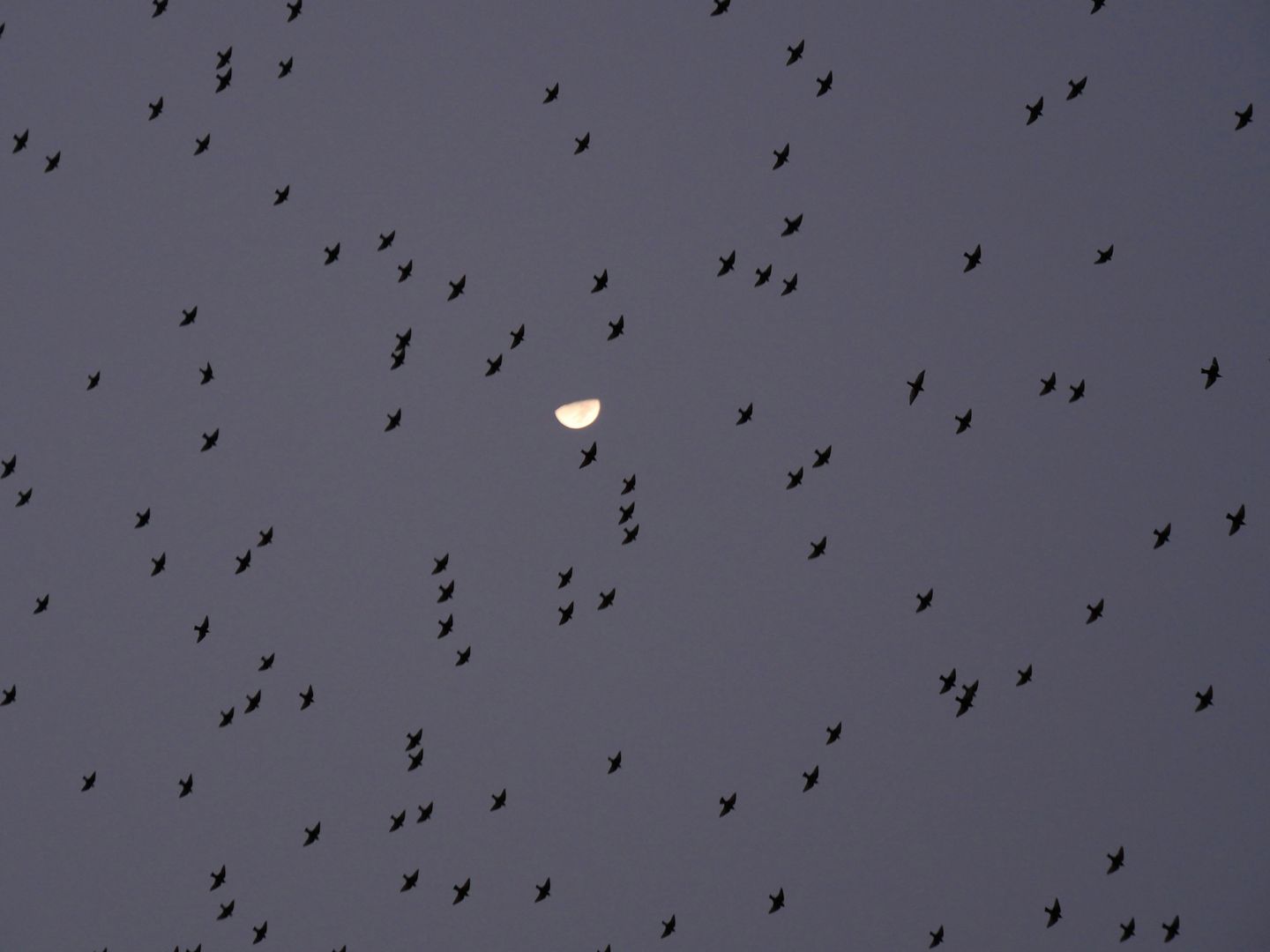
At least 80% of migratory bird species in the US fly at night, per BirdCast. They spend the day resting and refueling wherever they landed.
That's why a backyard can look empty one evening and full of warblers by morning. It's also why a quiet night in October can still be one of the busiest travel nights of the year overhead.
Hawks and other raptors are the big exception, since they travel by day.
When Do Birds Migrate in the Spring?
Spring migration is the return trip. BirdCast puts it at mid-March to mid-June, with the peak from mid-April to mid-May.
The same bird species comes back through.
The big difference is mood. In fall, a lot of the birds you see are first-year youngsters on their very first trip. In spring, everyone's in a hurry to get back and start a family. The energy feels a little more urgent. Think "Take a Chance on Me" by ABBA, performed by every male bird at once.
...but that's a story for another time.
Tips to Enjoy Migration
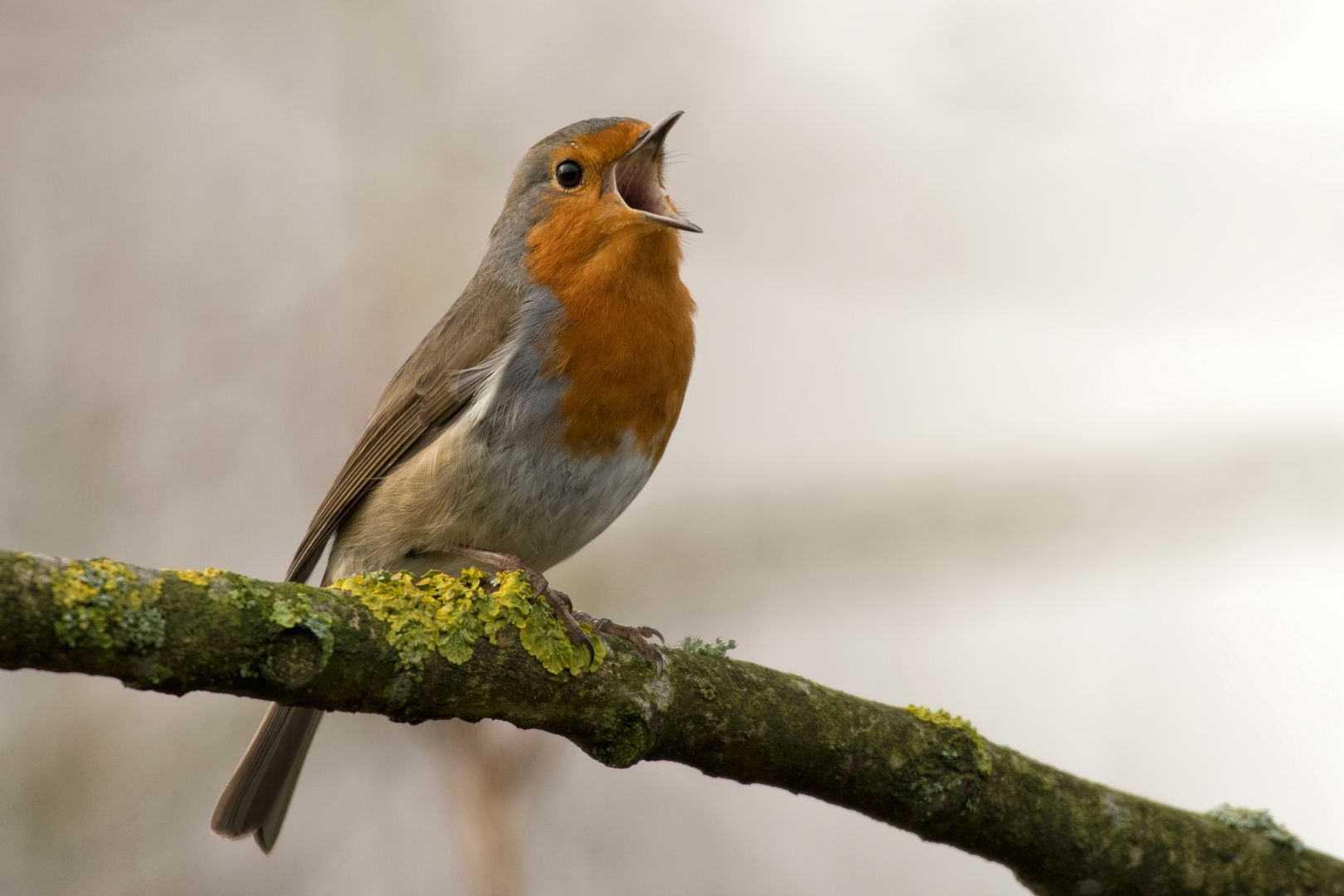
You don't need new gear to catch migration. Use the binoculars in your closet, the window over your sink, or just your ears on a morning walk. Before you buy anything, use what you have.
Find a bird watching club near you. Plenty will have field trips for fall migration. Some even carry spare binoculars, and members are usually excited to bird-splain species making it quite beginner friendly.
And going outside to look for birds is good for you, full stop. Researchers have noticed that people seem wired to relax around birdsong. As one ecologist told National Geographic in its report on birdsong and mental health, when birds go silent it's often a cue that a predator is nearby, so birdsong may have been a reliable signal over our history that the world is at ease.
The same article points to a 2022 study of about 1,300 people that found seeing or hearing birds was linked to better mental well-being for hours afterward. Migration season just gives you more birds to hear.
What have you seen this migration season?
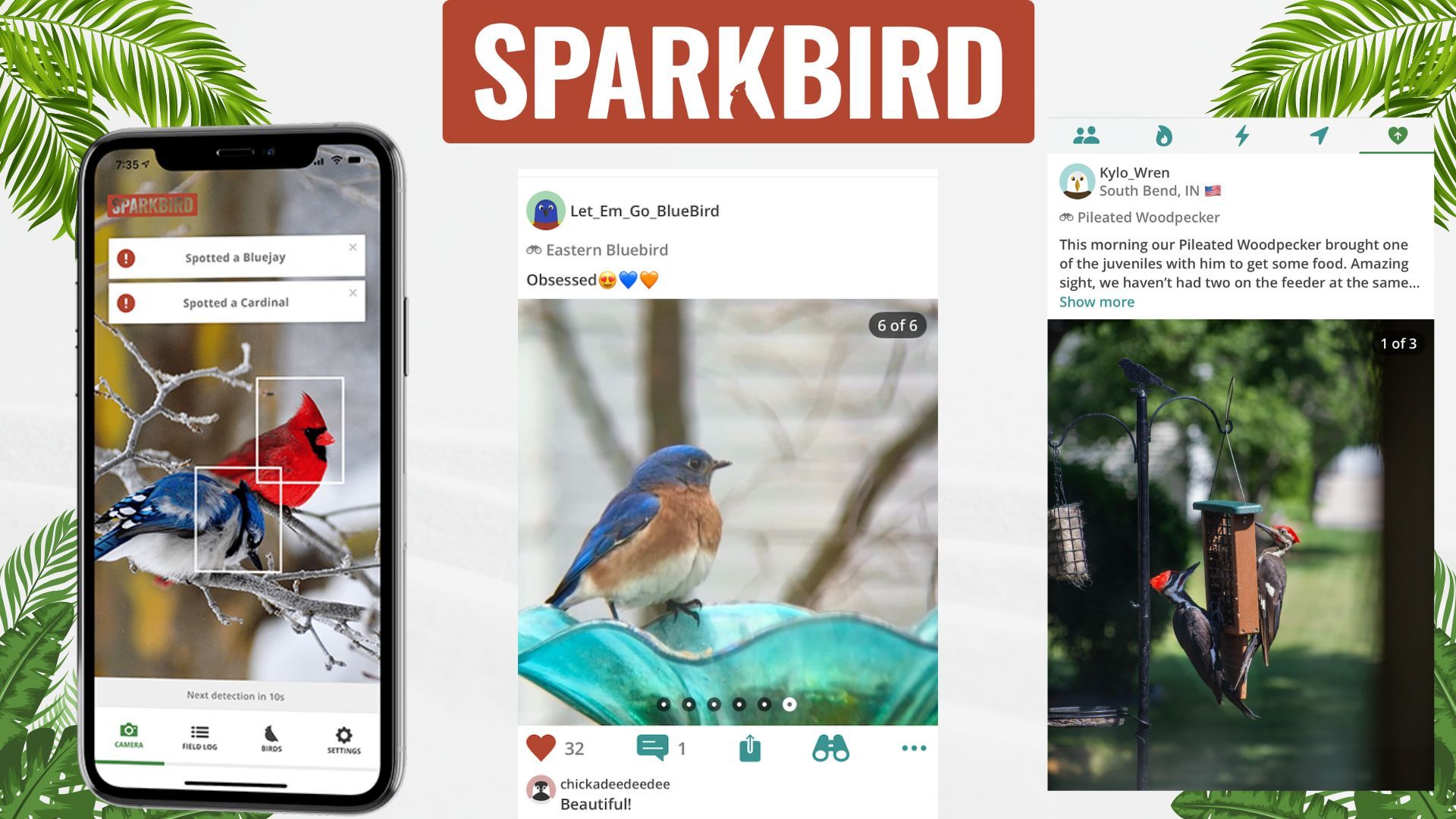
Tell us in the comments or through the Sparkbird App, available in the Apple App Store.
- Related: How to Use the Sparkbird App

No comments yet.