
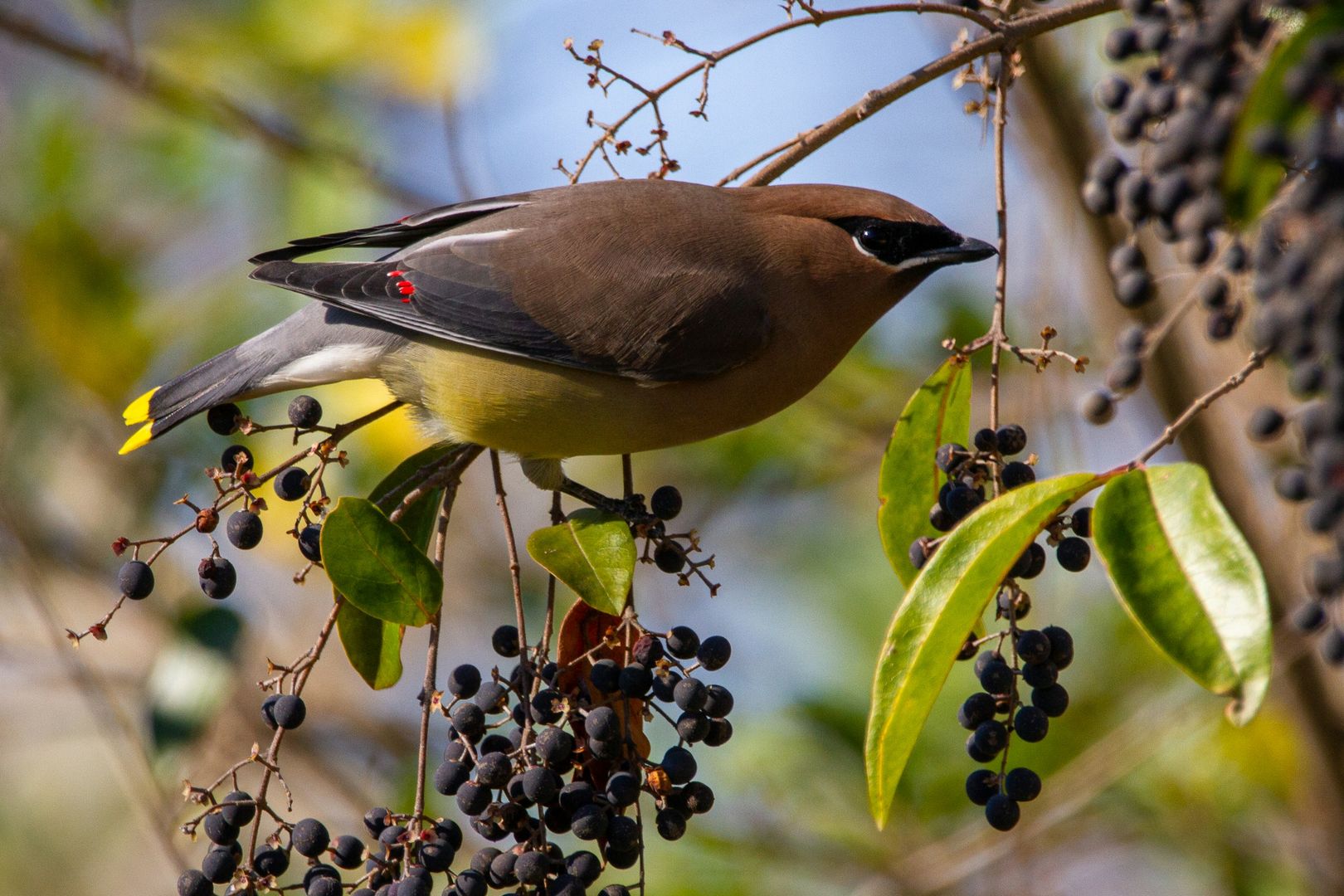
Trying to attract migrating birds to a yard full of ornamental grasses and Bradford pears is like setting up a buffet and serving plastic fruit. The spread looks impressive from the curb. Nothing edible is actually happening. (The Bradford pear, for what it's worth, is also ecologically invasive and smells famously terrible in spring. It has a lot going against it.)
To attract birds to your yard — especially migrating species — you need native plants. Not a feeder loaded with black-oil sunflower seeds (though that helps), but actual native trees, shrubs, and perennials that produce the berries, seeds, and insect populations that migrating birds depend on to survive their journeys. The birder and ornithologist Laura Erickson, whose book 100 Plants to Feed the Birds won the American Horticultural Society's 2023 Book Award, has spent 40+ years documenting exactly which plants do this work best. This guide is built on her research.
Why Native Plants Are the Best Bird Feeders You'll Never Have to Refill
There's a persistent idea that you attract birds by putting food out for them. Feeders help, and we're not here to argue otherwise. But a feeder filled with seed addresses one small corner of what a migrating bird actually needs: calories on the move.
What a migrating warbler, thrush, or oriole really needs is a yard that functions like a working ecosystem — one that produces insects in spring, fruit in late summer, seeds in fall, and shelter in all seasons. Native plants do this. A non-native ornamental does not.
The research behind this is unambiguous. A study by Cornell Lab researchers found that native plant landscapes host roughly four times more caterpillars than non-native plantings. For a Carolina Chickadee nesting in your yard, that gap means the difference between raising a brood and failing to feed one. For a migrating warbler stopping through in May, it means either fueling up for the next 500 miles or arriving depleted to the breeding grounds.
This is the bottom line Laura Erickson returns to throughout her career: the yard isn't just scenery. It's habitat. Whether it functions as habitat depends almost entirely on what you plant.
The Insect Connection: The Food Chain Beneath Your Bird Feeder
This point deserves its own section because it surprises people every time: most of the value in a native plant yard isn't the plant itself. It's what lives on the plant.
Research by entomologist Douglas Tallamy established that native oaks alone support more than 500 species of caterpillars. Native cherries support over 450. These insects are the primary food source for songbirds during migration and breeding season. When a Red-eyed Vireo or a Nashville Warbler passes through your yard, it isn't looking for seed. It's looking for caterpillars on oak leaves.
Non-native ornamental plants — the kinds that dominate most suburban landscapes — support almost none of this insect life. They've evolved in different ecosystems, and the insects of North America haven't adapted to use them. You can plant a beautiful European barberry or Japanese spirea and end up with a yard that is, from a bird's perspective, biologically silent.
This is the core argument in 100 Plants to Feed the Birds: that supporting birds requires thinking about what supports insects, and what supports insects is native plants. Laura Erickson's 256-page book covers 100 genera across the full North American continent, with range maps and planting guidance for each. You don't have to read all 256 pages before planting anything (though if you're a birder, you probably will anyway). The principles transfer.
Laura Erickson's Framework: Three Layers of Bird-Friendly Habitat
The structure Erickson and other ornithologists recommend is layered planting: organizing your yard so it has a canopy layer (trees), a shrub layer, and a ground layer (perennials, grasses, and vines). Each layer attracts different species, provides different food at different times of year, and creates the kind of structural complexity that birds use for shelter, nesting, and feeding.
You don't need to rebuild your entire landscape at once. Most people start with one section, add one or two species, and work outward. What matters is the 70% threshold that researchers have identified: yards where at least 70% of the plantings are native species consistently show measurable increases in bird diversity compared to yards below that threshold. You don't need a perfect yard. You need a yard that's mostly working.
(PIC: A layered backyard habitat diagram — canopy trees in background, shrubs in middle, low perennials in foreground, with songbirds illustrated at each layer)
Trees: The Keystone of Bird Habitat
If you can only add one thing to your yard for birds, plant a native tree. Trees take time to establish, which is the entire argument for starting now rather than later.
Native Oaks (Quercus spp.)
No plant genus does more work for birds than native oaks. They host hundreds of caterpillar species, provide structural cover, and produce acorns eaten by woodpeckers, jays, turkeys, Wood Ducks, and nearly 100 other species. As Audubon's native plant guide notes, oaks are integral to the entire food chain in Eastern and Midwestern ecosystems.
Species vary by region: White Oak and Red Oak dominate the East; Bur Oak and Chinkapin Oak suit the Midwest; Scrub Oak and Valley Oak fit the West. Check your USDA hardiness zone and local native plant society before purchasing (Erickson's book includes native plant society listings for every U.S. state and Canadian province, which is the kind of detail that makes the thing worth owning).
Wild Cherry and Chokecherry (Prunus spp.)
Cherries support more than 450 caterpillar species and produce fruit that's heavily used by fall migrants. Thrushes, waxwings, tanagers, and vireos all feed on wild cherry before and during migration.
(My dad once healed an injured house sparrow in a chokecherry tree — nestled it into the branches with some birdseed and a kiddy cup of water after peeling it free from a duct-taped window unit. The tree did most of the work. Turns out birds have known about chokecherries for longer than landscapers have been ignoring them.)
Serviceberry / Shadbush (Amelanchier spp.)
The serviceberry is arguably the most underused native tree in residential landscapes, which is a genuine shame because it earns its keep in multiple seasons: white spring flowers that attract early pollinators, then small blue-purple berries that ripen precisely during spring migration in many regions. Warblers, thrushes, tanagers, and orioles all use them. It's a small tree (10-25 feet) that fits most yard sizes, and it turns orange-red in fall. There's no landscaping downside here.
Shrubs: The Middle Story
Shrubs fill the layer between the canopy and the ground, providing cover for birds moving between feeding spots, berries for fall and winter fuel, and nesting sites for species that avoid the treetops.
Elderberry (Sambucus spp.)
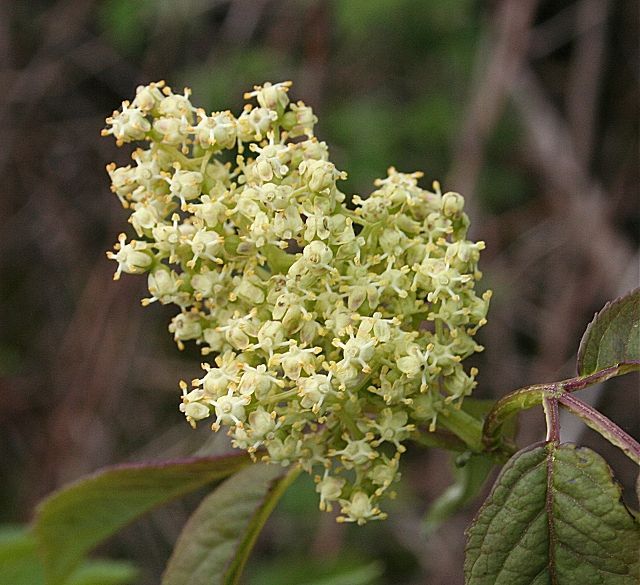
One of the most productive shrubs for birds in North America. The dark blue-purple berries ripen in late summer and fall, right as migrants are loading up for their journeys south. Brown Thrashers, Red-eyed Vireos, Gray Catbirds, and dozens of other species use elderberry. It grows quickly, tolerates a range of conditions, and can be kept compact with pruning. It's also edible for humans, though birds tend to get there first.
Dogwood (Cornus spp.)
Flowering dogwood (Cornus florida) in the East and Pagoda Dogwood (Cornus alternifolia) across a broader range both produce fleshy red or white berries with high fat content — exactly what migrating birds need for long-distance flight. Cardinals, titmice, bluebirds, and thrushes use them heavily. The shrub forms (Red-Osier Dogwood, Silky Dogwood) work well for wet or shaded spots.
Viburnum (Viburnum spp.)
Viburnums produce berries that persist into winter, making them valuable for birds after most other fruits have been taken. Arrowwood Viburnum (Viburnum dentatum) is particularly reliable for habitat use, with berries consumed by over 35 bird species. As Mass Audubon's landscaping guide notes, autumn-fruiting viburnums help migrating birds fatten up ahead of their journeys and support winter residents through cold spells when other food sources disappear.
Winterberry Holly (Ilex verticillata)
A native holly that drops its leaves in fall and covers itself in brilliant red berries through winter. It's one of the more visually striking native shrubs — and one of the more productive for overwintering birds. Cedar Waxwings and American Robins use winterberry heavily in late winter when nearly every other berry is gone. Needs both male and female plants to fruit.
Perennials, Grasses, and Vines: The Ground Game
The ground layer provides seeds for fall migrants, insect habitat throughout the growing season, and cover for birds foraging low to the ground.
Purple Coneflower (Echinacea purpurea)
Coneflowers do double duty: pollinators use the flowers through summer, and American Goldfinches, Pine Siskins, and other finches pick through the seed heads in fall and winter. The key is leaving the seed heads intact after bloom rather than deadheading them. (This is the one garden task where doing less produces better results. That's a win.)
Common Sunflower (Helianthus annuus and related species)
Native sunflowers are among the most productive plants for seed-eating migrants. Audubon Society research specifically cites native sunflowers as providing fuel for birds during long migrations. Again, the key is leaving the seed heads standing through fall and winter rather than cutting them down in your autumn cleanup.
Goldenrod (Solidago spp.)
Goldenrod has an unfair reputation for causing hay fever (that's ragweed — goldenrod's pollen is too heavy to be airborne). What it actually does is support enormous insect communities through late summer and fall, making it one of the most wildlife-productive plants you can grow. Fall migrants moving through rely on goldenrod-rich areas for both insects and seeds. Plant it in a sunny spot and let it spread.
Little Bluestem (Schizachyrium scoparium)
A native grass that turns copper-red in fall and holds its seed heads through winter. Chicago Bird Alliance recommends little bluestem alongside prairie dropseed for fall migrants, and it adds genuine ornamental value throughout the winter months when most of the yard looks dormant.
Virginia Creeper (Parthenocissus quinquefolia)
A native vine that produces small dark berries eaten by mockingbirds, nuthatches, woodpeckers, and blue jays — mostly in fall and early winter after the berries have gone through a freeze cycle that softens them. It will climb anything (fence, trellis, tree), makes excellent cover, and turns brilliant crimson in fall. Worth every inch it takes.
Trumpet Honeysuckle (Lonicera sempervirens)
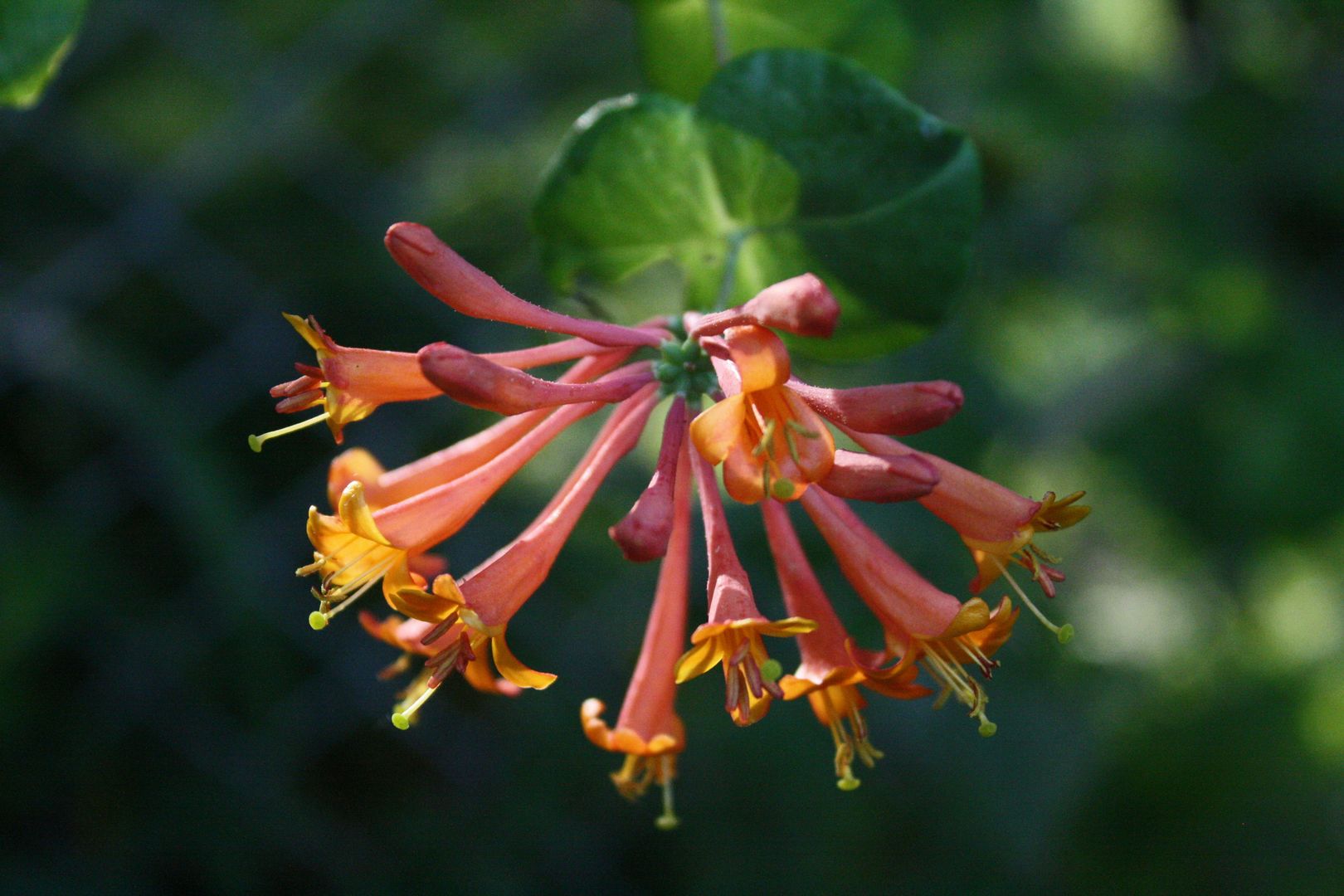
The native trumpet honeysuckle (not to be confused with the invasive Japanese honeysuckle) attracts Ruby-throated Hummingbirds, Purple Finches, Hermit Thrushes, and Baltimore Orioles. It blooms over a long season and produces red berries that fruit-eating birds use as a key food source. It's manageable on a trellis and one of the few plants that will bring hummingbirds to a yard without a feeder.
Related: Hummingbird Migration: When They Leave, Where They Go, and Why Your Feeder Still Matters — for the full story on what hummingbirds actually need to complete their journeys.
Planting for Migration Timing: Spring Versus Fall
The Chicago Bird Alliance's native plant guide makes a distinction that's worth keeping in mind as you plan: spring migrants and fall migrants need different things, and the best yards provide resources for both.
Spring migrants are moving north to breed. They need protein — primarily insects — to recover from the journey and prepare for nesting. For spring, prioritize the insect-supporting plants: oaks, cherries, willows, birches, and flowering native perennials like Virginia bluebells and woodland phlox, which bloom early enough to support the first wave of migrants.
Fall migrants are moving south to winter. They need fat — high-calorie fruit, seeds, and berries — to fuel a long journey and survive until they reach wintering grounds. For fall, prioritize berries: elderberry, dogwood, viburnum, serviceberry, spicebush, chokeberry, and winterberry. Leave your seed heads standing: sunflowers, coneflowers, and native grasses provide critical late-season food that a tidied yard would not.
The combination is why a layered, species-diverse native yard outperforms a feeder yard for migration support. A feeder provides one food type, available when you remember to refill it. A native yard provides multiple food types, available on the biological timeline birds actually use.
Water: The Overlooked Piece
Fresh water during migration is as important as food, and often harder for birds to find. A simple birdbath, kept clean and changed regularly, draws migrants that feeders and plants alone won't reach. Keep it shallow (under two inches at the deepest point) and add a drip or fountain element if possible — moving water is visible and audible from a distance, which is how a migrating bird finds it.
In winter, a heated bath or frequent fresh water maintains this resource for overwintering species. It's a small addition to a yard, but among the most reliable for drawing a diverse mix of species that don't use feeders.
What Not to Plant (and What Not to Use)
A bird-friendly yard in native plants is undermined immediately by pesticides. Insecticides don't distinguish between pest insects and the caterpillars that warblers are looking for. A native oak that's been treated with a systemic insecticide is biologically silent in exactly the same way as a non-native ornamental — perhaps worse, because birds may consume the treated insects and be harmed.
Here's the honest version of what most garden content won't say: if you love bird watching, your landscaping choices are a conservation act. Birds and Blooms reports that bird populations across North America have declined by roughly 3 billion individuals since 1970, and habitat loss is the primary driver. A yard full of native plants is not a nice-to-have. It's a response to a real and documented problem.
That also means skipping invasive plants entirely, even attractive ones. Bradford pear, Japanese barberry, English ivy, burning bush, and Japanese honeysuckle are among the most common invasives in American suburbs. They spread aggressively, displace natives, and don't support the insect communities that native plants do. If these are currently in your yard, consider phasing them out as the native replacements establish.
Related: Natural Alternatives to Pesticides That Won't Harm Your Birds — how to manage pests without eliminating the insects your birds depend on.
How to Start Without Tearing Up Your Entire Yard
The temptation when reading a list like this is to feel overwhelmed and do nothing. The counterpoint is that you don't need a native landscape. You need a yard that's moving in that direction.
Starting points that work:
Replace one ornamental shrub this fall. Fall is actually the best time to plant most native shrubs — the soil is warm, moisture increases, and plants establish root systems before winter. Pick one native shrub that fits your light conditions and plant it where something non-native currently is.
Stop cutting seed heads in fall. This costs nothing and immediately makes your existing perennials more useful to migrants. Leave coneflowers, sunflowers, and native grasses standing through winter.
Add one native tree. Oaks and serviceberries are available at most native plant nurseries, and both are appropriate for residential lots. Plant it in the back corner and give it time. The caterpillars will find it before you notice the tree has grown.
Let a corner go a little wild. Brush piles, leaf litter, and unmowed sections provide roosting cover and ground-level foraging habitat for sparrows, thrushes, and other migrants. You don't have to maintain it. That's the point.
Laura Erickson's 100 Plants to Feed the Birds is the reference to have on hand as you figure out which specific genera work for your region. She covers the full continental U.S. and Canada, includes range maps, and brings the kind of accumulated observational detail that only 40+ years of active birding produces. It won the American Horticultural Society's Book Award in 2023 for good reason.
Related: 10 Interesting Facts About Hummingbirds — including why the timing of native plant blooms matters even more than the presence of feeders for supporting migrating hummingbirds.
Frequently Asked Questions
What native plants attract the most birds?
Native oaks (Quercus spp.) attract the broadest range of bird species, both through the insects they support and through their acorns. For fruit-eating migrants specifically, elderberry, serviceberry, and native dogwoods are among the most consistently productive. Native sunflowers and coneflowers provide critical seeds for fall migrants.
How do I attract migrating birds to my backyard?
The most effective approach is a combination of native plants (for insects, berries, and seeds), fresh water, and reduced pesticide use. Migrating birds need protein-rich food in spring and fat-rich food in fall, and native plants provide both at the right times. Feeders supplement this but don't replace it.
Do native plants really make a difference for birds?
Yes, measurably. Research shows native plant landscapes host roughly four times more caterpillars than non-native plantings. Since caterpillars are the primary food source for most migrating songbirds, this gap has a direct impact on how many birds your yard can support. Yards with at least 70% native plantings show consistent increases in bird diversity compared to conventional landscaping.
What is the best tree to plant for attracting birds?
Native oaks are the single most impactful choice for most of the U.S. They host hundreds of caterpillar species, provide nesting cavities and structural cover, and produce acorns eaten by dozens of bird species. If oaks aren't suitable for your space, native cherries and serviceberries are close seconds, especially for supporting migrating songbirds.
Do I need a large yard to attract migrating birds?
No. Even a small urban yard or patio can be made more useful to migrants with one or two strategic plantings. Container native plants can support pollinators and some insects. A small serviceberry or viburnum in a 10-foot border provides food. A birdbath provides water. Small-scale additions still matter.
When do migrating birds use backyard gardens?
Twice annually: spring migration (April through May in most of the U.S.) and fall migration (August through October). The timing varies by species and region. The most active periods for most songbirds in the East are mid-May (spring) and mid-September (fall). A yard that's productive during both windows — spring's insect flush and fall's berry and seed supply — supports the widest range of migrants.
Should I remove invasive plants to attract birds?
Yes, where possible. Common invasive ornamentals like Japanese barberry, burning bush, and Bradford pear provide almost no ecological value to birds and compete aggressively with natives. Phasing them out as native plants establish is the long-term move. You don't need to rip everything out at once, but each invasive you replace with a native improves the yard's overall function.
Your landscaper's professional opinion and a migrating warbler's biological needs are almost certainly going to diverge at some point. When they do, trust the warbler. It has more information about what's actually happening in your yard than either of you realizes.
The above article may include sponsored content or product affiliate links for which Sparkbird may earn a commission.

No comments yet.