

California has more local bird clubs than any other state, with roughly 48 independent Audubon-affiliated chapters alone. This directory covers about 30 of the most active, picked because their sites are current and their outings are real.
It is curated, not exhaustive; if your town isn't here, the National Audubon chapter finder takes a zip code.
Most bird watching groups in California cost nothing to walk with. Free public field trips are the norm, monthly programs are usually open to anyone, and where dues exist they generally land between $20 and $40 a year. Californians measure distance in hours rather than miles, which is why "there's a club nearby" can mean fifteen minutes or 2 hours.
Why Join a Bird Watching Group at All
Solo birding is fine. Nobody rushes you, and nobody watches you spend a quarter of an hour on a sparrow that resolves into a House Finch.
A club gives you what an app can't— someone who knows where the birds are this week. California stacks ocean, coast range, valley, mountains and desert within a few hours of each other, each on its own timing. Knowing which lagoon is holding shorebirds on a given Tuesday is knowledge that lives in people.
Clubs are also the front door to community science. The Christmas Bird Count has run since 1900, spans December 14 to January 5, and in California nearly every count circle is run by a group below.
A decent pair of binoculars for birding runs from about $150 to well past $500, and plenty of California chapters keep loaner pairs for beginners on public walks. Try before you buy.
Statewide Bird Watching Groups in California
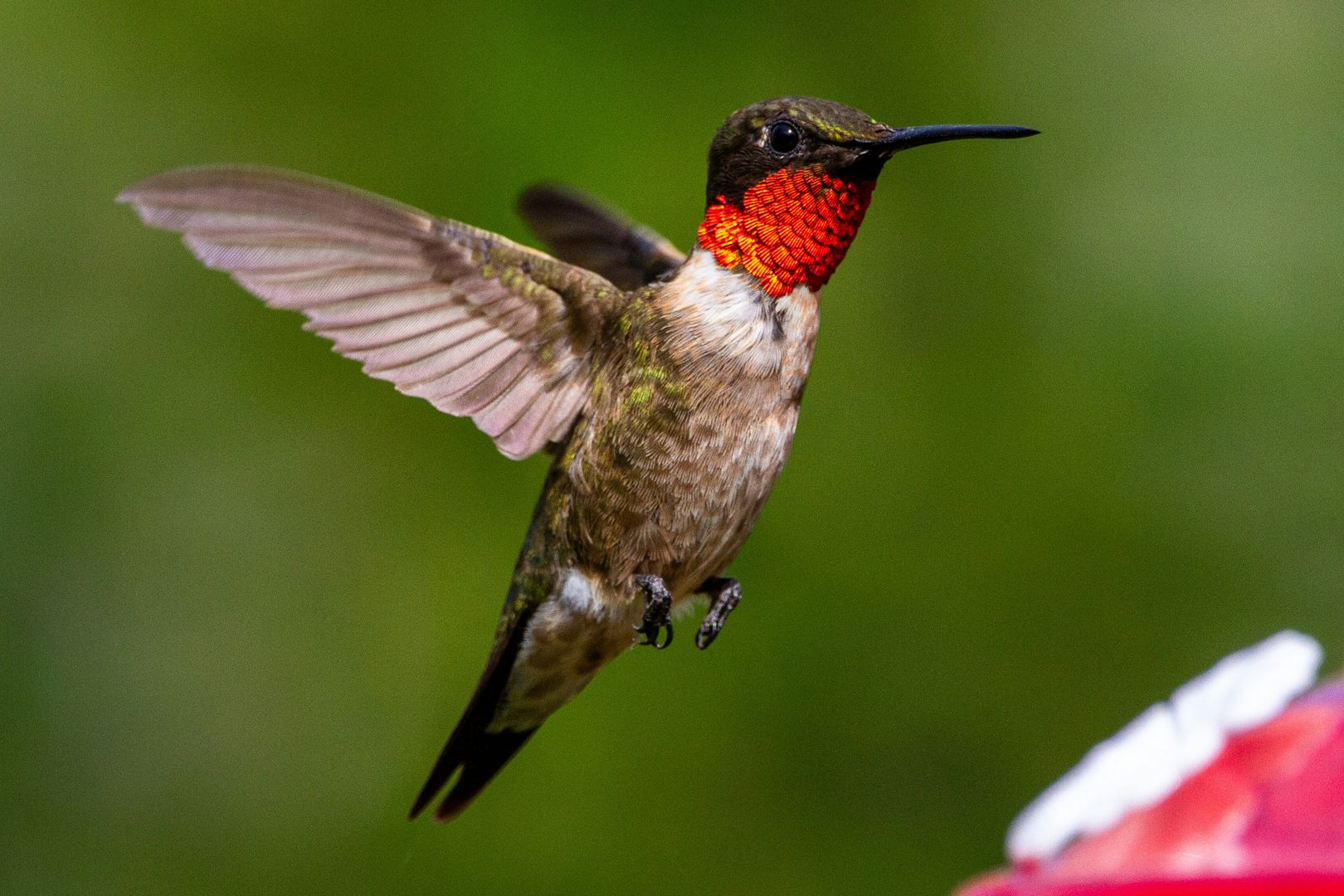
Western Field Ornithologists (WFO) - Statewide and the wider West
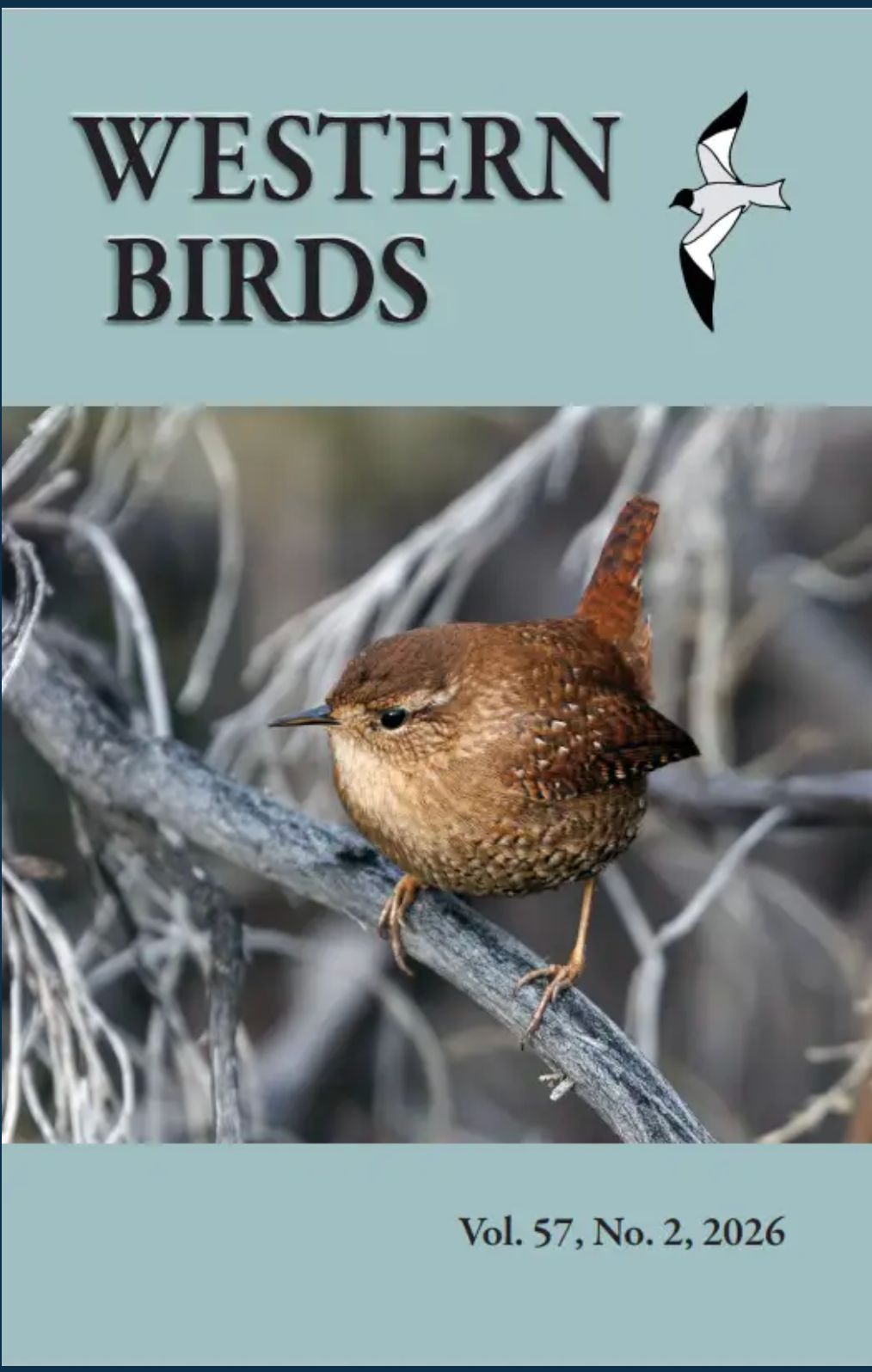
The serious end of California birding. WFO publishes the quarterly journal Western Birds, runs an annual conference with field trips, and funds student scholarships. Membership starts at $60 individual, $70 family, $25 student.
California Bird Records Committee (CBRC)
Operating under WFO, the CBRC maintains the official state list and reviews rare bird records. Submit a sighting only if the species is on the review list or new to California. Its most recent change added Swinhoe's White-eye and Pin-tailed Whydah in May 2026.
Audubon California
The state office, not a walk-leading club. It handles policy and habitat work and operates the Kern River Preserve, the Audubon Center at Debs Park, Starr Ranch Sanctuary and Richardson Bay Audubon Center. Its 48 California chapters are legally independent, which is why so many changed their names while the national body kept its own.
Christmas Bird Count
Free, three weeks long, organized locally by the chapters below. Beginners are paired with an experienced counter, so no skill is needed.
Bird Watching Groups in the Bay Area
Golden Gate Bird Alliance (formerly Golden Gate Audubon Society) - San Francisco and the East Bay
Founded 1917 and running more than 150 free bird walks a year, the largest public trip program of any club in the state. If you're new to the bay, start here.
Santa Clara Valley Bird Alliance (SCVBA, formerly Santa Clara Valley Audubon Society) - Santa Clara County
Free field trips open to the public with online registration, plus Burrowing Owl conservation work. Office in Cupertino.
San Mateo County Bird Alliance (formerly Sequoia Audubon Society) - San Mateo County
Free public field trips with registration required, and monthly meetings on Zoom, which makes it an easy chapter to sample before committing to a drive.
Marin Audubon Society - Marin County
A full field trip schedule offered free to members and public alike, plus a free Speaker Series on the second Thursday, September through June.
Mount Diablo Bird Alliance (MDBA, formerly Mt. Diablo Audubon Society) - Contra Costa County
Trips book through Eventbrite, members first and the public about a week ahead, with non-members explicitly welcome. The old diabloaudubon.org site is still online and untouched since 2019, so use the new domain.
Madrone Audubon Society - Sonoma County
Bird walks and field trips are free, open to the public and suitable for all levels. Monthly public meetings with speakers in Santa Rosa.
Bird Watching Groups in Los Angeles and Southern California
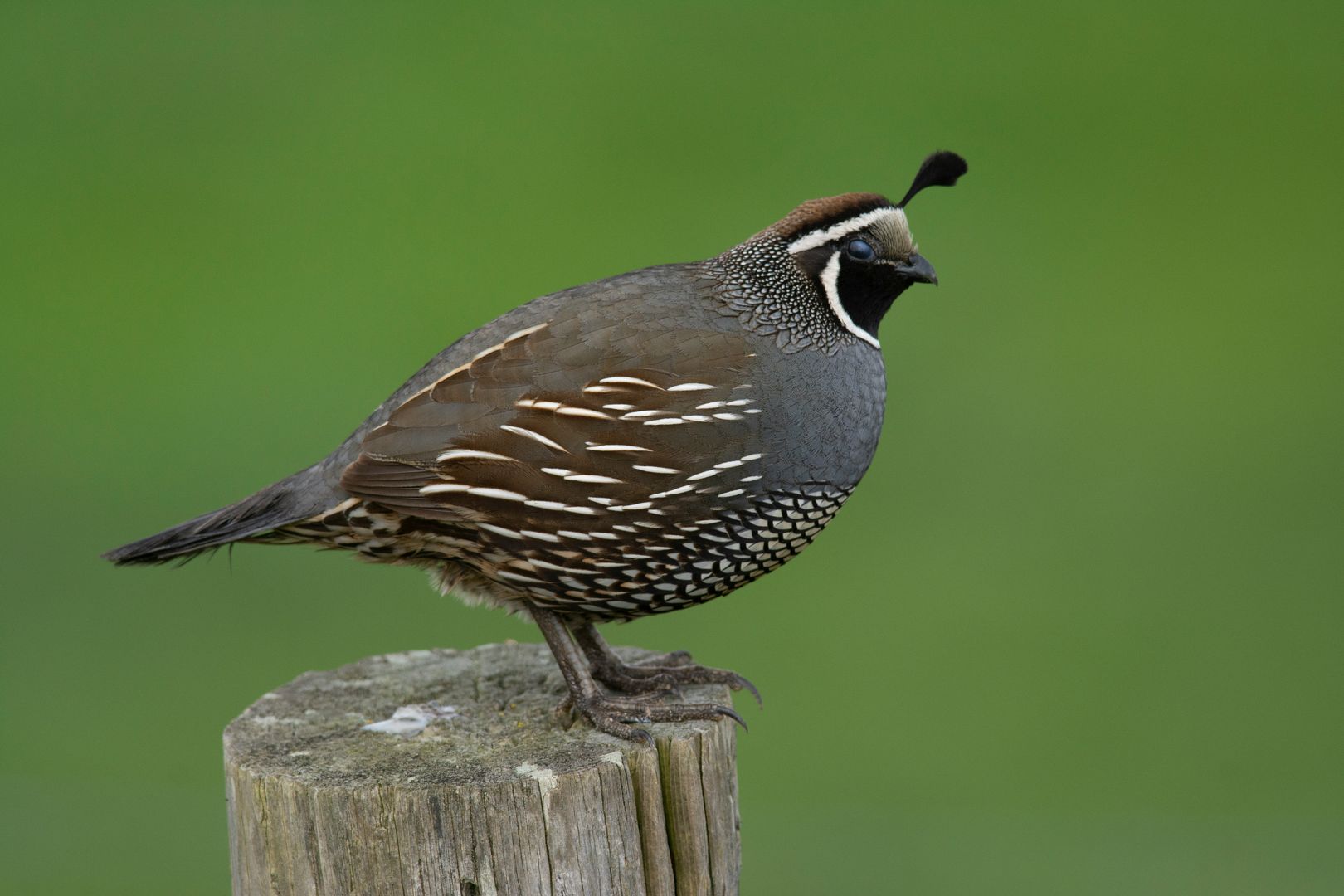
Los Angeles Audubon Society - Greater Los Angeles
Still Los Angeles Audubon Society as of August 2026, despite the rebranding wave around it. Field trips, bird walks, outdoor education and hands-on conservation across the basin.
Pasadena Audubon Society - Pasadena and Los Angeles County
Also still trading under the Audubon name. Field trips are free and anyone is welcome on most of them, at any experience level. Call (626) 410-7506.
San Fernando Valley Audubon Society - San Fernando Valley
Free community bird walks open to the public, plus a seat on the Sepulveda Basin Wildlife Areas Steering Committee.
Sea and Sage Audubon Society - Orange County
The biggest trip calendar in Southern California. Most day trips are free with reservations requested through Eventbrite; a few carry a fee, including pelagics at $25 to $70. The Upper Newport Bay walk on the last Sunday of the month takes walk-ins. Audubon House in Irvine opens daily 8 a.m. to 4 p.m.
Pomona Valley Bird Alliance (PVBA, formerly Pomona Valley Audubon Society) - Claremont and the Pomona Valley
Renamed in September 2025. Field trips are free and advertised with the line "no experience needed." Free meetings on the first Thursday at 7 p.m., September through June, in Claremont.
San Bernardino Valley Audubon Society (SBVAS) - San Bernardino, Riverside and Imperial Counties
Founded 1948 and fully independent, with general meetings at the San Bernardino County Museum on the third Wednesday, September through May. Their site is sbvas.net: the old sbvas.org domain has been taken over by an unrelated overseas gambling site and should be avoided.
Bird Watching Groups in San Diego County
San Diego Bird Alliance (formerly San Diego Audubon Society) - San Diego County
The county's largest bird organization, with walks and outings on a rolling calendar plus restoration work at Mission Bay and the San Diego River mouth. The old sandiegoaudubon.org address redirects here.
Buena Vista Audubon - Oceanside and North County
Runs a volunteer-staffed nature center beside Buena Vista Lagoon at 2202 S. Coast Highway, open daily 10 a.m. to 1 p.m., though hours shift. Most programs are free. Call 760-439-2473 first.
Palomar Audubon Society - Northwest San Diego and Southwest Riverside Counties
Free field trips every Saturday morning, no reservations, all ages and skill levels welcome. Weekly, free and drop-in is a rare combination, and it makes this the easiest first outing in the county.
Bird Watching Groups on the Central Coast
Santa Cruz Bird Club - Santa Cruz County
Not an Audubon chapter and never has been. Field trips run nearly every week, and the newsletter, The Albatross, was current through July 2026.
Monterey Audubon Society - Monterey County
Free monthly field trips, stated as free on their own site, and the land-based complement to the pelagic trips below.
Santa Barbara Audubon Society - Santa Barbara County
Friday Bird Walks plus a wider trip and program calendar, free and open to the public.
Morro Coast Audubon Society - San Luis Obispo County
Free trips open to all experience levels, but registration is required and popular trips are capped at 12 people and allocated by lottery, so sign up rather than turn up.
Ventura Audubon Society - Ventura County
Free public field trips and monthly speaker programs in Oxnard, with a strong focus on Western Snowy Plover recovery.
Bird Watching Groups in the Central Valley and Sacramento
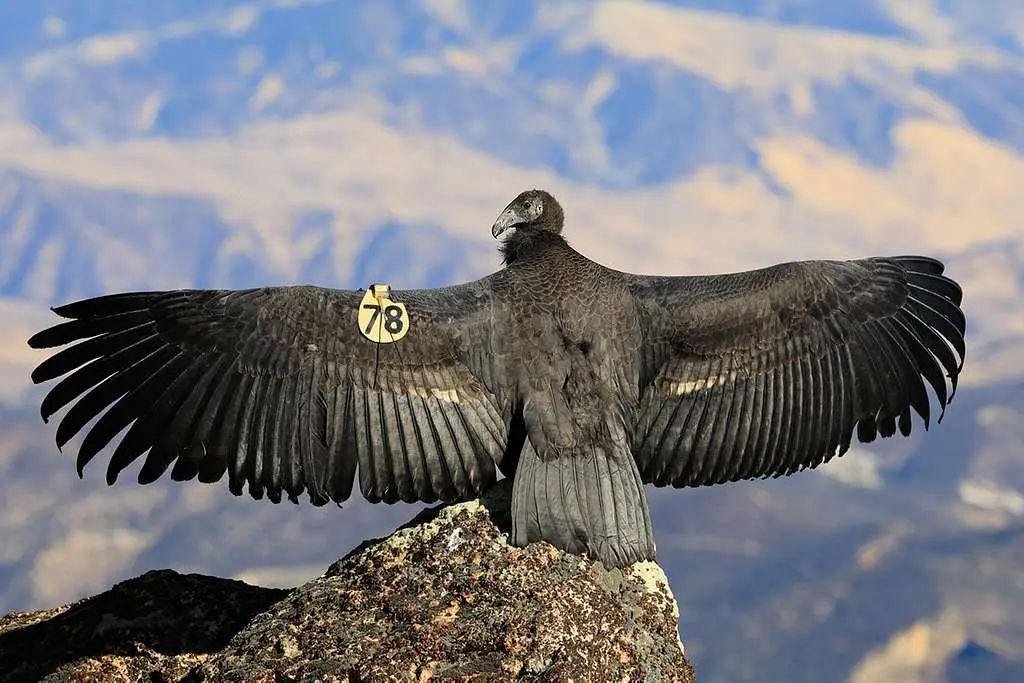
Sacramento Bird Alliance (formerly Sacramento Audubon Society) - Sacramento region
Members voted to change the name in late May 2026, with results announced on June 20: 149 in favour, 74 opposed. Monthly field trips with findings posted afterwards, plus evening speaker meetings. The site still lives at the old sacramentoaudubon.org address.
Yolo Bird Alliance (formerly Yolo Audubon Society) - Yolo County
Field trips and monthly program meetings for all ages and levels, free and open to the public. Well placed for the Yolo Bypass Wildlife Area.
Fresno Audubon Society - Fresno and the southern San Joaquin Valley
Field trip signups run through the events calendar on their site, and this is the main organized birding presence between Merced and Bakersfield.
Kern Audubon Society - Kern County
Program meetings and field trips to both common and unusual habitats, generally the first Tuesday of the month, September through June.
Bird Watching Groups in the Sierra Nevada and Eastern California
Eastern Sierra Bird Alliance (ESBA, formerly Eastern Sierra Audubon Society) - Inyo and Mono Counties
The only organized birding group on the eastern escarpment, from the Owens Valley up to Mono Basin, with walks scheduled through autumn 2026. The old esaudubon.org address redirects here.
Sierra Foothills Audubon Society - Nevada, Placer and parts of Yuba and El Dorado Counties
Based in Grass Valley, with beginner bird walks, guided hikes at nature preserves and general meetings in Auburn. Use the .org address only: the matching .com has lapsed and now hosts an unrelated Japanese-language construction blog.
Plumas Audubon Society - Plumas County and the Upper Feather River watershed
More conservation and education organization than walk club, but it runs the annual Grebe Festival on Lake Almanor and the local Christmas Bird Counts.
Bird Watching Groups in Far Northern California
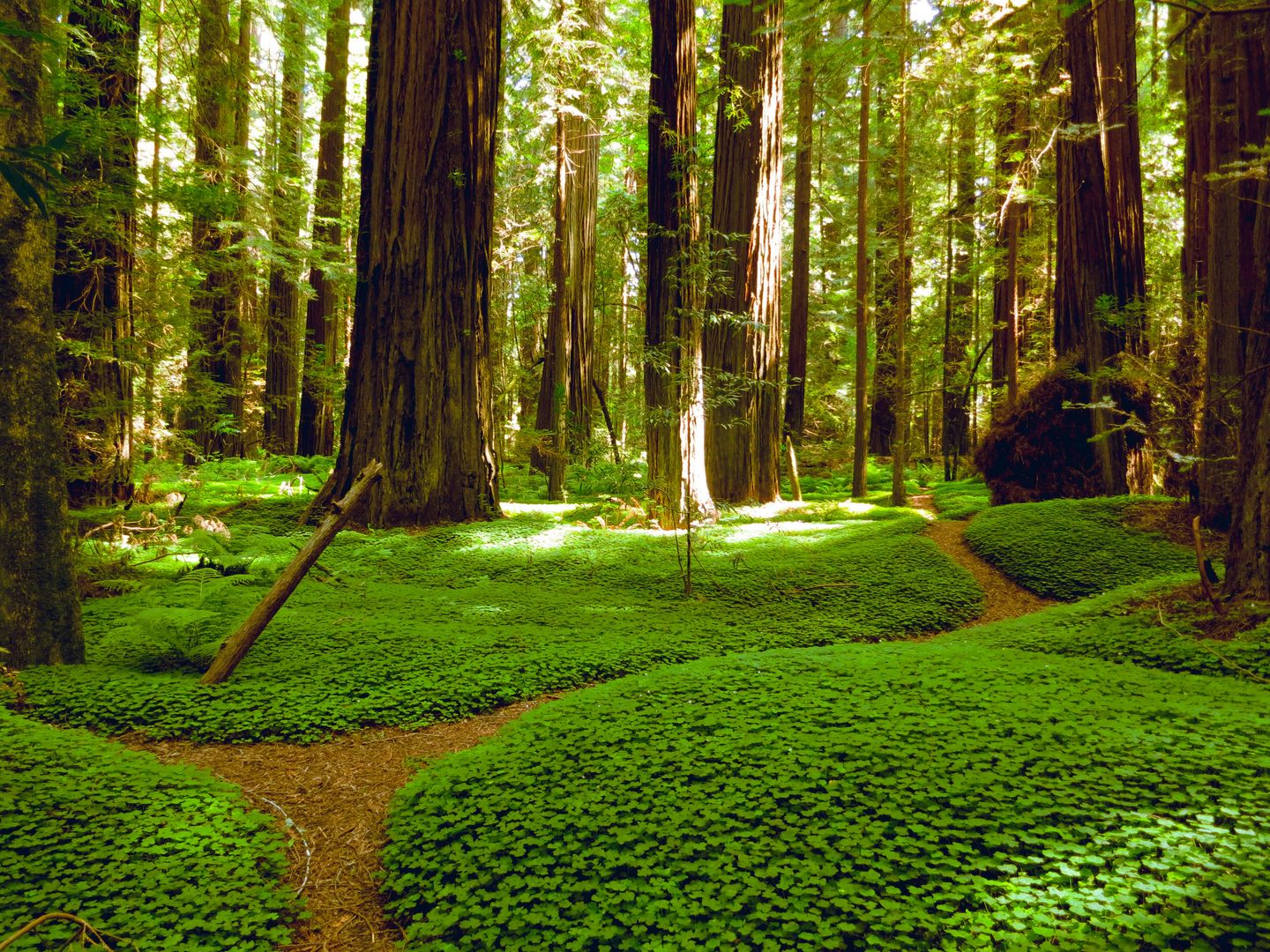
Redwood Region Audubon Society (RRAS) - Humboldt County and the north coast
Field trips every weekend, habitat restoration workdays on the fourth Saturday, and programs September through June. The Arcata Marsh Breeding Bird Survey runs Thursday mornings at 8 a.m.
Shasta Birding Society (formerly Wintu Audubon Society) - Redding and Shasta County
Still the Wintu Country chapter of National Audubon, working around Redding, the Sacramento River and the southern Cascades. The wintuaudubon.org address redirects here.
Mendocino Coast Audubon Society (MCAS) - Fort Bragg and the Mendocino coast
Free public outings, including trips aimed at beginners, plus monthly meetings with guest speakers.
Other Ornithology Groups in California
These mostly don't run weekly walks, but a couple are worth a trip anyway.
Point Blue Conservation Science (formerly Point Reyes Bird Observatory) - Petaluma and Point Reyes
One of the most important bird research organizations in North America. Its Palomarin Field Station near Bolinas, inside Point Reyes National Seashore, has run continuously since 1966 and posts its banding summaries publicly. Contact Point Blue before visiting rather than assuming the banding table is open.
San Francisco Bay Bird Observatory (SFBBO) - South San Francisco Bay
Avian research, tidal marsh restoration and education around the south bay, with more than 75 events a year. Public naturalist walks and Birdy Hour sessions are the accessible end of it.
The Institute for Bird Populations (IBP) - Northern California
Runs the continent-wide Monitoring Avian Productivity and Survivorship program, the banding network that shows not just how many birds there are but whether they survive and breed.
eBird Rare Bird Alerts
Free with an eBird account, and now the main way rare bird news travels in California. Set alerts at county rather than state level, which at this scale is the difference between useful and unreadable. County email lists still run, and the clubs above link to whichever covers their patch.
Sparkbird App - Online Community
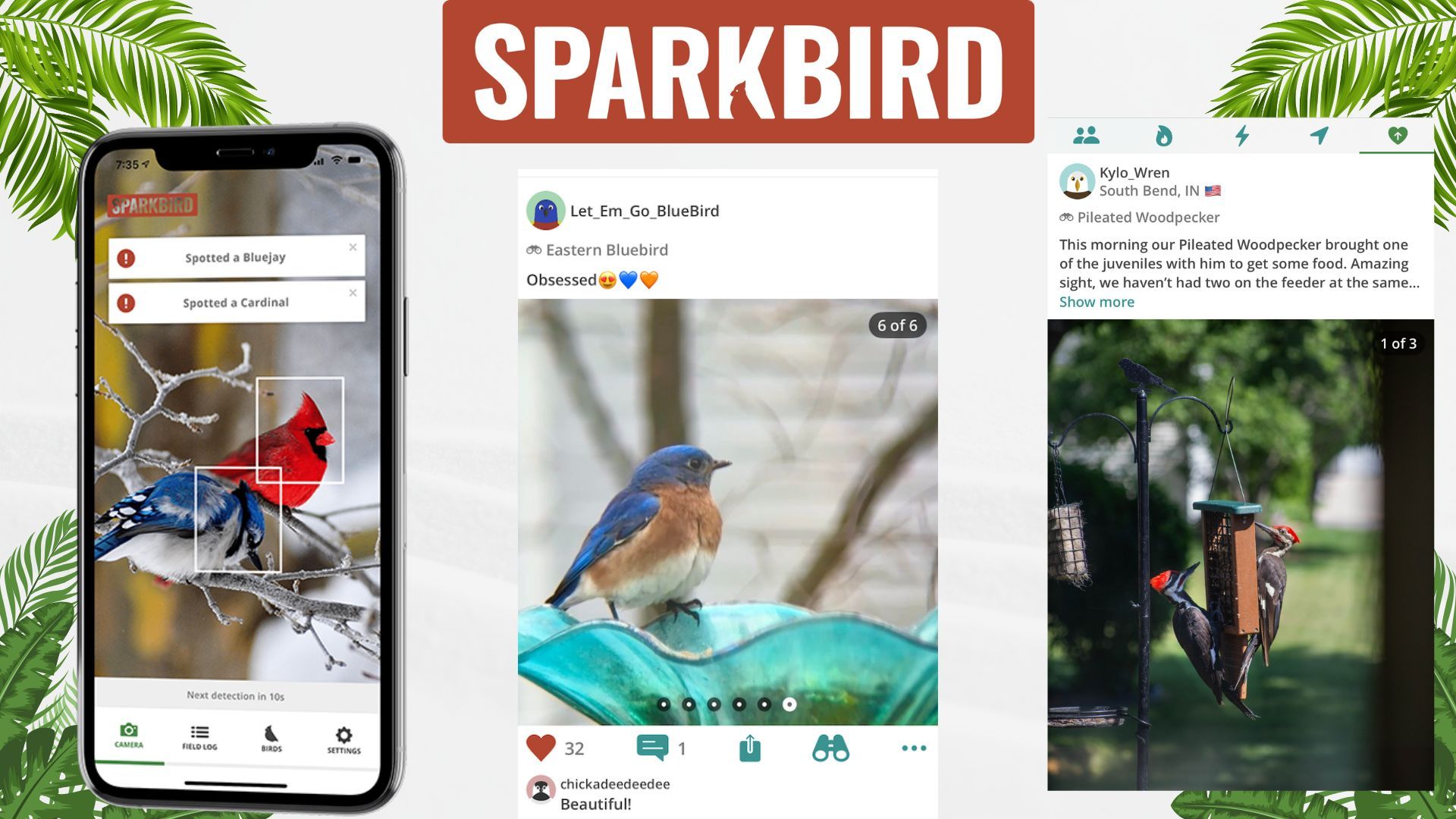
We built Sparkbird for people who want a friendly community of fellow birders. Track your life list, get identification help, and meet people who also stop mid-sentence to look at a tree. Our guide to using the app has the rest.
Where to Go Birding in California
Joining a club is the fastest route to local knowledge, but these seven sites reliably produce, and each has access terms worth checking before you drive.
- Point Reyes National Seashore (Marin County) — The most productive vagrant trap on the West Coast. No entrance pass is required and day use, including hiking, wildlife viewing and ranger programs, is free. Areas close seasonally for wildlife, so call 415-464-5100 before committing to the drive.
- Bolsa Chica Ecological Reserve (Orange County) — Over 200 species on a restored coastal wetland, with boardwalks and packed trails giving considerable wheelchair access. Managed by the California Department of Fish and Wildlife, open daily 6 a.m. to 8 p.m., free. No dogs, no bicycles. Oil production continues on part of the reserve, so check for closures.
- Sonny Bono Salton Sea National Wildlife Refuge (Imperial County) — Over 400 species recorded, at 227 feet below sea level. Trails and observation towers are open sunrise to sunset, free; the visitor center at 906 West Sinclair Road, Calipatria opens Tuesday to Sunday 8 a.m. to 3:30 p.m. from November through April and closes for the summer. Day use at the neighbouring Salton Sea State Recreation Area is $7 per vehicle, with two campgrounds closed.
- Monterey Bay pelagic trips (Monterey County) — Deep water close to shore makes this one of the best seabird boat trips anywhere. Monterey Seabirds runs birder-focused trips with Monterey Bay Whale Watch from 84 Fisherman's Wharf at 7:30 a.m., $185 for eight hours and $215 for twelve, plus a 6% booking fee. Reservations required, two-week cancellation policy. Take the seasickness tablets the night before, not on the dock.
- Klamath Basin National Wildlife Refuges (Siskiyou and Modoc Counties) — The winter Bald Eagle concentration is among the largest in the lower 48, and the basin stages a huge share of Pacific Flyway waterfowl. Grounds open sunrise to sunset with no entrance fee; a recreation pass is needed only for hunting. Visitor center at 4064 Hill Road, Tulelake, Tuesday to Saturday 9 a.m. to 4 p.m. Water deliveries here have been unreliable for years, so call (530) 667-2231 first and ask what is actually wet.
- Merced National Wildlife Refuge (Merced County) — Holds the largest wintering concentrations of Lesser Sandhill Cranes and Ross's Geese on the Pacific Flyway. The five-mile auto tour route and nature trails are free, open half an hour before sunrise to half an hour after sunset. The Cottonwood trail is fall through spring only. Go between October and March.
- Mono Lake Tufa State Natural Reserve (Mono County) — One to two million migratory birds a year, including the Wilson's Phalaropes and Eared Grebes that make the lake internationally significant. Day use $3 per vehicle, sunrise to sunset, and the South Tufa trail is the best introduction. State Route 120 closes in winter. The Mono Lake Committee in Lee Vining runs free tours, canoe tours and field seminars.
If you'd rather start from your own garden, our guide to hummingbird plants for California covers what works across the state's wildly different climate zones.
California Bird Books and Field Guides
A state with more than 650 recorded species does not fit in one book, so most California birders carry a western guide plus something local.
Introduction to California Birdlife
Jules Evens, illustrated by Ian Tait, California Natural History Guides, University of California Press, $29.95. Organized by the state's seven bioregions rather than by taxonomy, which is the right way round if you want to know why a bird is where it is.
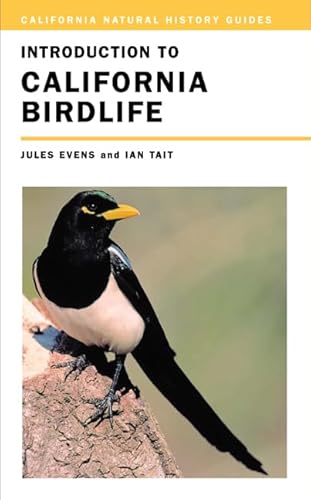
Introduction to California Birdlife (California Natural History Guides) (Volume 83)
University of California Press
Birds of the Sierra Nevada: Their Natural History, Status, and Distribution
Ted Beedy and Ed Pandolfino, illustrated by Keith Hansen, University of California Press, $39.95. Status and distribution rather than identification, with 160 rare species accounts.

The Laws Field Guide to the Sierra Nevada
John Muir Laws, published by Heyday. More than 1,700 species and 2,800 illustrations, covering birds alongside everything else in the range. If you hike as much as you bird, carry this one.

The Laws Field Guide to the Sierra Nevada (California Academy of Sciences)
Heyday
WFO Studies of Western Birds
The monograph series includes Birds of Inyo County, California, Including Death Valley National Park, and California Bird Species of Special Concern is a free download. The official Field List of California Birds costs $3, the cheapest useful thing here.
California Bird Rescue and Rehabilitation
Always call first. Intake capacity, hours and species restrictions vary enormously, and most rehabilitators cannot collect a bird for you.
CDFW Directory of Wildlife Rehabilitation Facilities
The official state list, organized by county and then city, covering roughly 70 facilities. Start here. The department's own guidance is worth repeating: most rehabilitators do not pick up wildlife, many work from home and are not available around the clock, and you should never drop an animal off unless told to.
International Bird Rescue - Fairfield (Solano County) and San Pedro (Los Angeles County)
Aquatic birds and seabirds specifically, from pelicans and grebes to terns and albatrosses, plus oiled wildlife response.
WildCare - San Rafael (Marin County)
Wildlife hospital open 9 a.m. to 5 p.m. daily at 37 Schmidt Lane, taking hawks, owls, kestrels and other natives. Hotline 415-456-7283.
Wildlife Care Association - McClellan, Sacramento County
Open daily 8 a.m. to 6 p.m. at 5211 Patrol Road, and by its own account the largest wildlife rehabilitation center in California, with over 9,000 patients a year.
San Diego Humane Society Project Wildlife - San Diego County
Injured wild birds go to the Pilar and Chuck Bahde Wildlife Center at 5433 Gaines St, or to the Oceanside and Escondido campuses, Tuesday to Sunday 9 a.m. to 6 p.m., by appointment.
Pasadena Humane - Pasadena and contracted San Gabriel Valley cities
Takes injured, sick and orphaned wildlife, but only animals found inside its animal control contract areas, so check first. 361 S. Raymond Ave, by appointment. Phone 626.792.7151 or text 626.344.1129.
Ojai Raptor Center - Oak View (Ventura County)
State and federally permitted, focused on birds of prey but taking other wildlife too, with community days and education programs.
Humboldt Wildlife Care Center - Manila (Humboldt County)
Operated by Bird Ally X at 68 Mill St, open daily 9 a.m. to 5 p.m., 707-822-8839.
Frequently Asked Questions
Why are so many California Audubon chapters changing their names?
Because each chapter is a legally independent organization and decides for itself. Many have taken new names, switching to "Bird Alliance," while Los Angeles, Pasadena and Ventura kept theirs, as did National Audubon. Old addresses usually redirect, but chapter lists published by parent organizations lag badly, so trust the chapter's own site.
What is the best time of year for bird watching in California?
There isn't a bad one.
Spring migration peaks in April and May, autumn brings vagrants to coastal points like Point Reyes from late August into October, and winter fills the Central Valley refuges and Klamath Basin with waterfowl, cranes and eagles. Late summer belongs to Mono Lake and the Monterey pelagics.
Where can you go on a pelagic birding trip in California?
Monterey Bay is the classic, with Monterey Seabirds running full-day birder-focused trips out of Fisherman's Wharf at $185 for eight hours and $215 for twelve. Sea and Sage Audubon organizes trips out of Orange County at $25 to $70. Book early: the productive autumn dates fill first, and boats do get cancelled for weather.
Got a California birding group to recommend?
Clubs form, rename themselves, and occasionally dissolve. If your group belongs here, tell us in the comments or through the Sparkbird App.
Our goal is to build a birding community that connects people to nature and to each other. Bird clubs turn out to be unusually good at this, mostly because everyone faces the same direction and nobody is required to make eye contact.

No comments yet.