
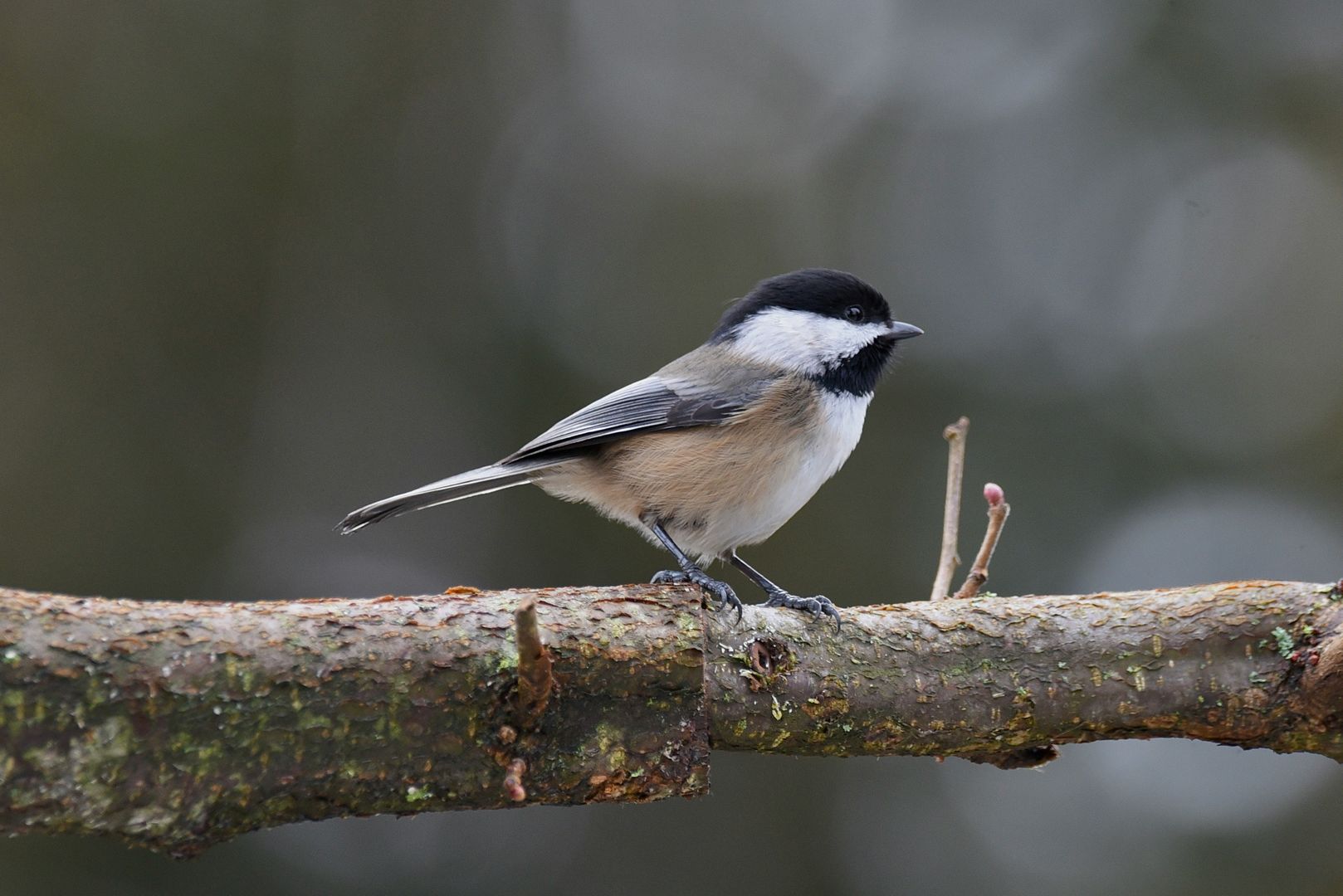
Some birds treat your backyard like the Hotel California: they can check out any time they like, but they never leave.
More birds stay put than you'd think.
Do All Birds Fly South for the Winter?
No. Roughly 4 billion birds do fly south over the U.S. each fall, according to Cornell's radar research, but a whole cast of homebodies sits it out. For the travelers, here's our rundown of which birds leave in fall.
"Resident" also depends on where you live.
A bird that stays year-round in Ohio might be a summer-only visitor in northern Canada. So think of these as birds that don't migrate much, not birds that never move.
Why Do Some Birds Not Migrate?
It mostly comes down to food. Birds that eat insects in summer have to leave when the bugs disappear. Birds that eat seeds, nuts, berries, and suet can stay, as long as they can find enough of it.
Our post on [why birds migrate (and why some don't bother)] goes deeper.
Non-migrating birds also have some impressive winter skills. Chickadees and titmice hide food in fall and come back for it later. Many birds fluff their feathers to trap warm air. Some, like bluebirds and chickadees, can let their body temperature drop at night to save energy.
And bird feeders help too. Audubon suggests that feeders may have helped both cardinals and titmice push their ranges north.
The Year-Round Birds at Your Feeder
Here are the non-migrating birds you're most likely to see out the kitchen window in January.
Northern Cardinal
The Audubon field guide calls the cardinal a "permanent resident throughout its range," and it has been expanding north for decades, now reaching southeastern Canada. Our facts about northern cardinals cover the basics, and our guide on how to attract cardinals in winter will help you keep them around.
Black-capped Chickadee
The tiny, fearless MVP of winter. According to Cornell's Black-capped Chickadee page, chickadees hide seeds in different spots and can remember thousands of hiding places. Every fall, they even let old brain neurons die off and replace them with new ones. (I can't remember where I parked.)
Tufted Titmouse
A permanent resident that's been steadily pushing north. Cornell notes that titmice store seeds from your feeder, usually within 130 feet, shelling them first and carrying one seed per trip. It's a tiny, very polite heist.
Woodpeckers and Nuthatches
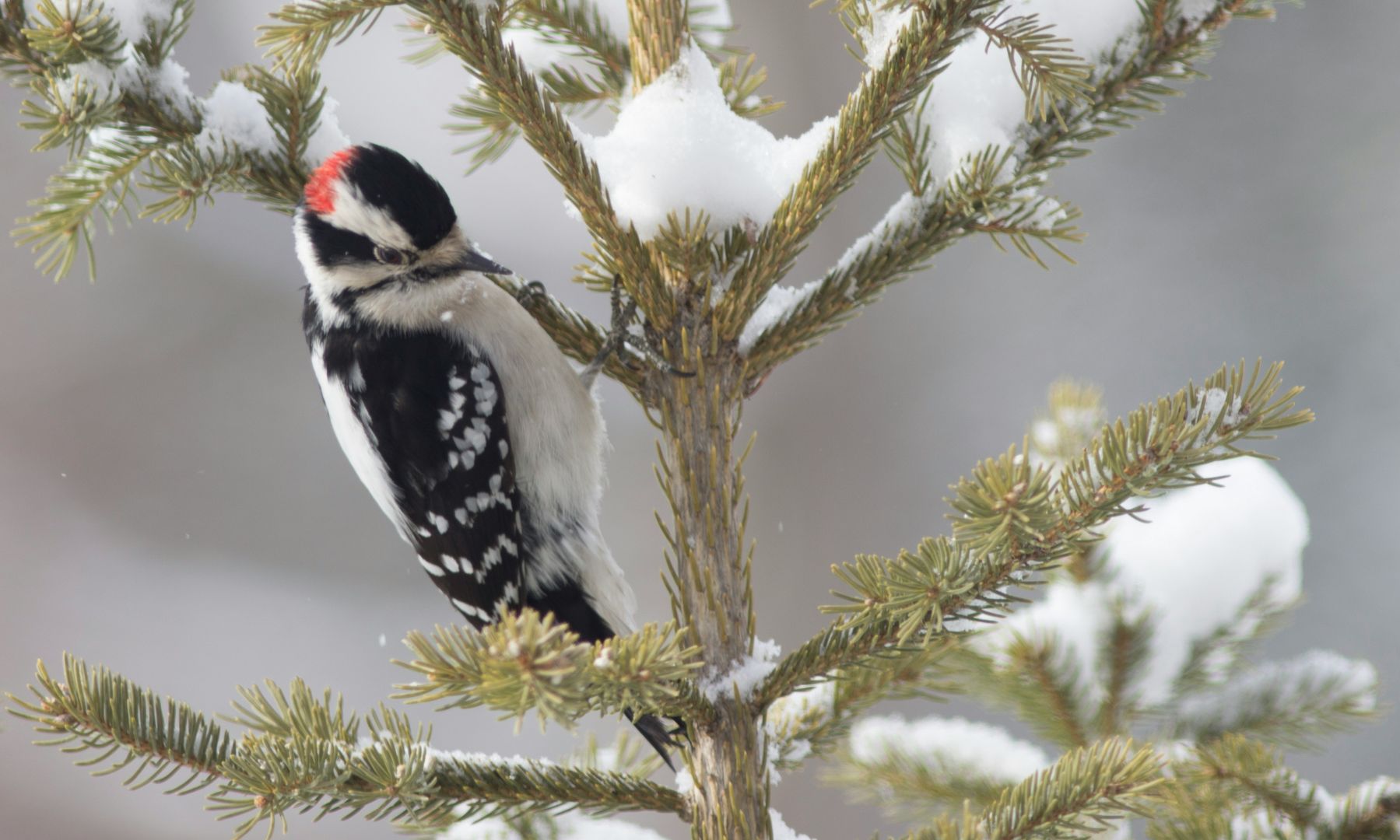
Downy woodpeckers are permanent residents in many areas, though the northernmost birds may slide a bit south. In winter, Audubon says they often join roving flocks of chickadees and nuthatches and will happily eat suet. White-breasted nuthatches are usually permanent residents too, and they cache food in bark crevices on their territory.
Blue Jays and Crows
Both are partial migrants. American crows are "permanent resident in many areas" but withdraw from the far north in fall, per Audubon, and they sometimes gather by the thousands at winter roosts. Our facts about crows post has more. Blue jays are even stranger: only some migrate, and the same jay might go one year and stay the next. Read the full story in do blue jays migrate.
House Finches and House Sparrows
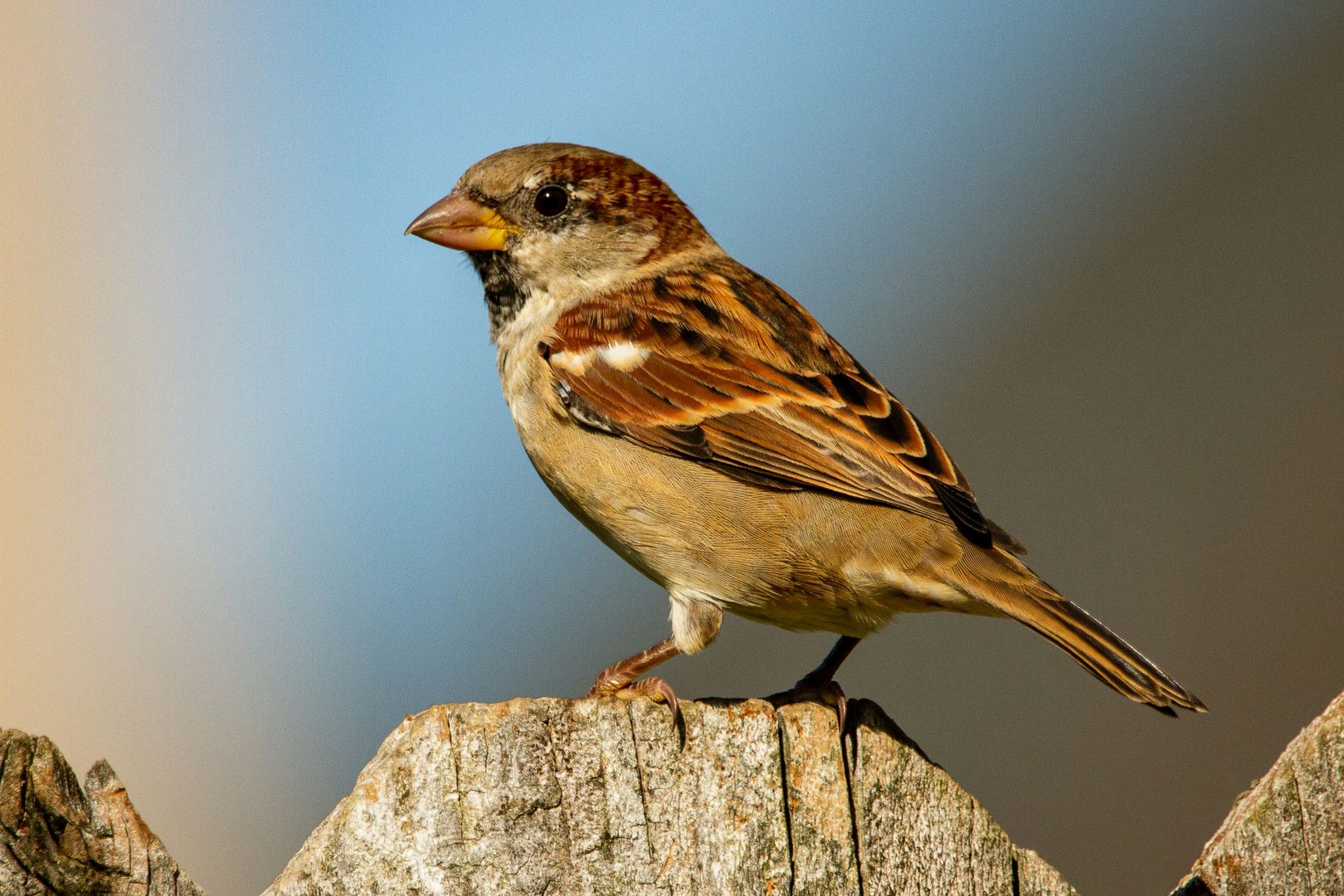
House finches are year-round feeder regulars. Cornell says the eastern population started in 1940, when a few unsold pet-store "Hollywood finches" were released on Long Island and took over most of the East within about 50 years. House sparrows don't migrate either, but plenty of native sparrows do, as explained in [do sparrows migrate](PENDING — Do Sparrows Migrate?).
Do Mourning Doves Migrate?
Partly. The Audubon field guide to the Mourning Dove says some remain through winter over most of their breeding range, but many move south from northern areas in fall, traveling mostly by day in flocks. So if you live in the middle or southern U.S., your doves probably aren't going anywhere.
If you're up north, expect fewer.
They also know how to stock up for a cold night. Cornell says the record is 17,200 bluegrass seeds stored in a single dove's crop. Talk about a Costco run!
Birds That (Mostly) Stay
Robins, Goldfinches, Bluebirds, and Cardinals are a few that stick around. Many robins stay all winter, according to Cornell's article on winter robins. They form nomadic flocks around fruit trees instead of hunting worms on your lawn.
Goldfinches stay too, but appear as a drab brown, as explained in [do goldfinches migrate]. Cardinals are known as winter birds, as evidenced by all the Hallmark cards. And bluebirds pile into nest boxes on cold nights.
Other than that, other species are partial migrants meaning some individuals stay while others go. Plenty of these birds will stick around for winter while some choose to vacation in warmer climates. Winter birds in Pennsylvania is a good example of which birds stick around in cold-winter states.
How to Help Year-Round Birds
Being a homebody means the perils of neighborhood cats are afoot. From where I stand, house cats are no more a threat than any other wild predator birds face. But some people feel strongly about the threats cats pose to wild birds.
The American Bird Conservancy estimates that outdoor cats kill about 2.4 billion birds in the U.S. every year. That might be more than other natural predators.
Consider keeping your cat indoors or try a catio, or cat patio. It costs less than any feeder you'll ever buy, plus your indoor cat gets at least some exposure to nature without wandering off. It's unlikely your cat will have the same relationship Wile E. Coyote and Roadrunner have in the film Coyote vs. Acme. The catio still gives them an outdoor experience without becoming someone's next meal.

Large Catio Outdoor Cat Enclosure 4 Tiers Cat House with Weatherproof Roof | Weatherproof Roof, 3 Resting Rooms, 3 Platforms, 5 Windows,connects to house via removable back door 70"H 77"L
Aivituvin
Frequently Asked Questions
What birds stay all winter?
Common year-round birds include northern cardinals, black-capped chickadees, tufted titmice, white-breasted nuthatches, downy woodpeckers, house finches, and house sparrows. Many crows, blue jays, mourning doves, and robins stay too.
Why do some birds not migrate?
Mostly because they can find enough food in winter. Seed, nut, and berry eaters (especially ones that cache food) can survive cold weather if they eat enough.
Do birds that don't migrate need feeders?
Not strictly, but feeders help. Black-oil sunflower seed and suet are great winter staples.
So, what birds don't migrate? The cardinals, chickadees, and titmice who think "staycation" is a lifestyle. Honestly, with a full feeder and a warm roost, I wouldn't leave either.
What have you seen this migration season?
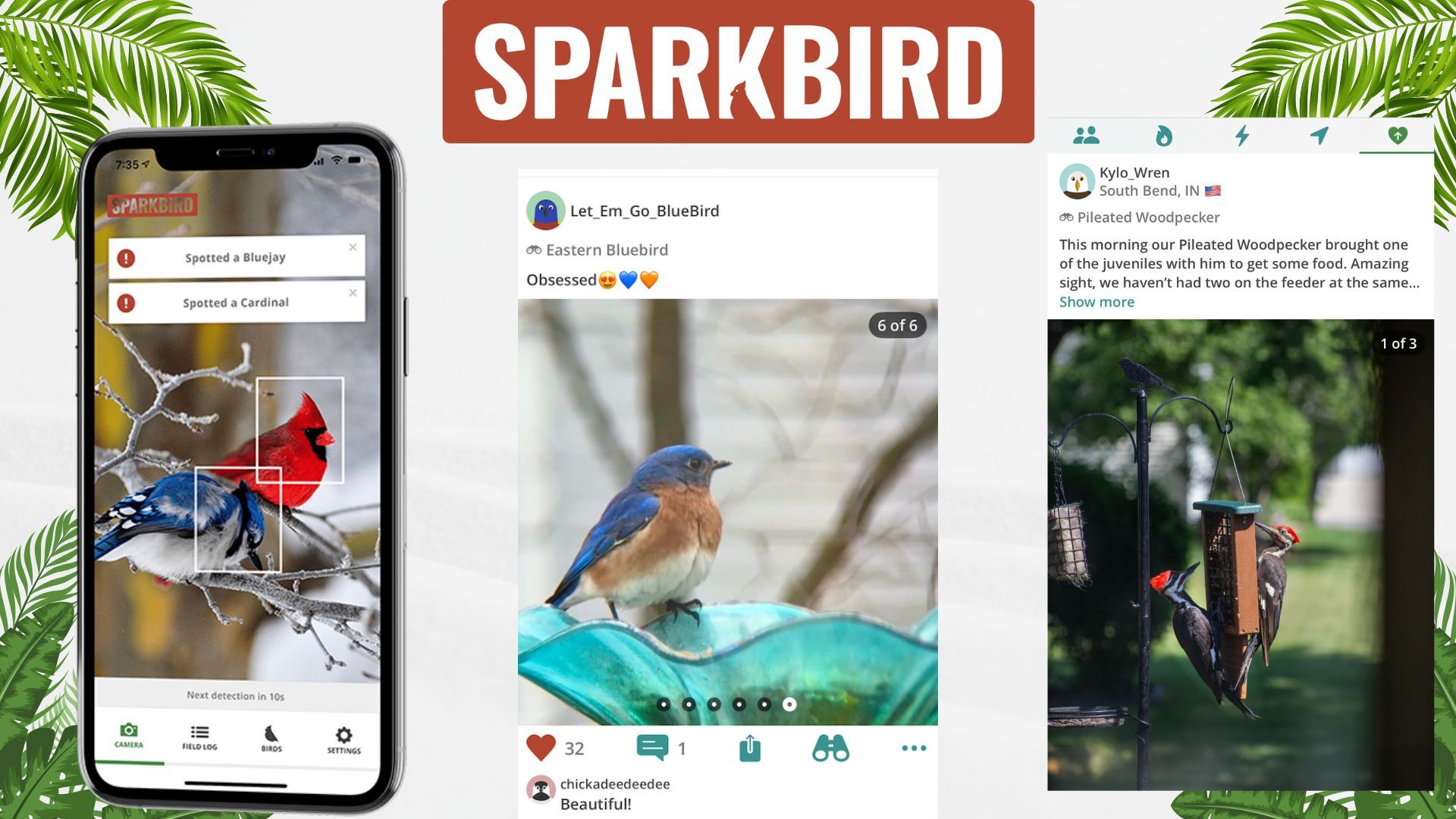
Tell us in the comments or through the Sparkbird App, available in the Apple App Store.
- Related: How to Use the Sparkbird App

No comments yet.